“What are the Nutritional Benefits of Eating Mushrooms”
Have you ever wondered why mushrooms are gaining so much attention in healthy eating circles? These humble fungi are more than just a tasty addition to your meals—they pack a powerful nutritional punch that can boost your well-being in surprising ways.
Whether you’re looking to support your brain, strengthen your immune system, or protect your heart, mushrooms offer a natural, delicious path to better health. Keep reading, and you’ll discover exactly what makes mushrooms a must-have on your plate and how they can transform your nutrition with every bite.

Credit: www.uclahealth.org
Nutrient Profile Of Mushrooms
Mushrooms are a rich source of essential nutrients that support overall health. Their nutrient profile includes important vitamins, minerals, antioxidants, and fiber. They provide these nutrients while being low in calories. This makes mushrooms an excellent choice for a healthy diet. Understanding their nutrient content helps you appreciate their health benefits and how they fit into balanced meals.
Vitamins And Minerals
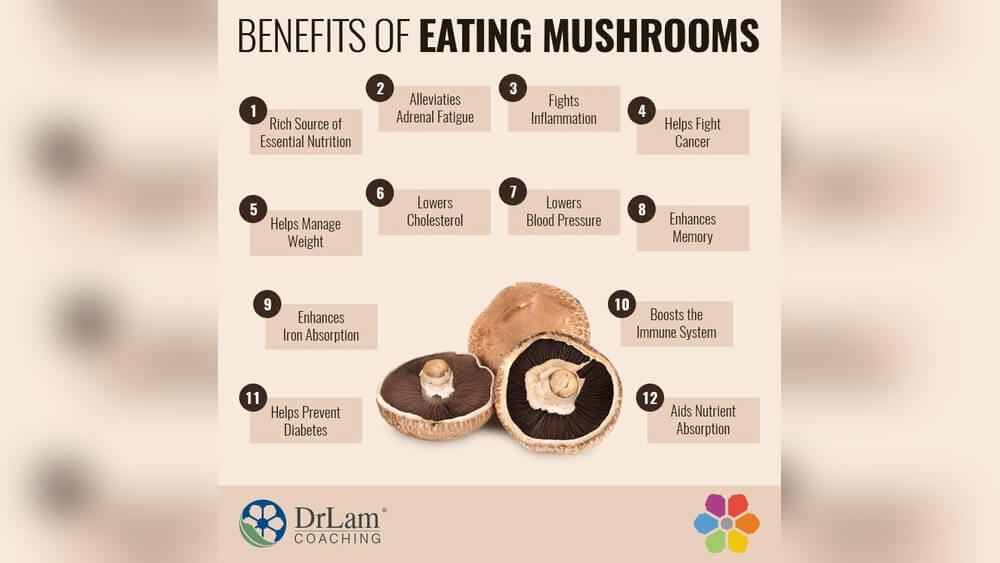
Mushrooms contain many vitamins important for the body. They are rich in B vitamins like riboflavin, niacin, and pantothenic acid. These help produce energy and maintain healthy skin and nerves. Mushrooms also provide vitamin D, especially when exposed to sunlight. This vitamin supports bone health and immune function. Minerals like selenium, potassium, and copper are abundant in mushrooms. Selenium acts as an antioxidant, potassium helps regulate blood pressure, and copper supports red blood cell formation.
Antioxidants In Mushrooms
Mushrooms contain antioxidants that protect cells from damage. One powerful antioxidant found in mushrooms is ergothioneine. This compound helps reduce oxidative stress in the body. Another antioxidant, glutathione, supports the immune system and detoxification processes. Antioxidants in mushrooms may lower the risk of chronic diseases. They help slow down the aging process by protecting cells from free radicals.
Low-calorie And High-fiber Content
Mushrooms are naturally low in calories, making them ideal for weight management. A cup of mushrooms contains fewer than 20 calories. Despite being low-calorie, they provide dietary fiber. Fiber supports healthy digestion and promotes feelings of fullness. This helps control appetite and reduce overeating. The fiber in mushrooms also supports gut health by feeding beneficial bacteria. Including mushrooms in meals adds volume and nutrients without extra calories.
Brain Health Benefits
Mushrooms offer several benefits for brain health. They contain nutrients that help protect and improve brain function. Eating mushrooms supports mental clarity and memory. These fungi also help maintain the balance of chemicals in the brain. Their natural compounds work to keep the brain cells healthy. Including mushrooms in your diet can aid overall cognitive health and reduce brain aging effects.
Support For Neurotransmitter Function
Mushrooms provide important B vitamins that support neurotransmitters. Neurotransmitters are chemicals that send signals in the brain. Vitamins like riboflavin and niacin help produce these chemicals. This keeps communication between brain cells smooth. Better neurotransmitter function improves mood and focus. Mushrooms also contain antioxidants that protect brain cells from damage.
Cognitive Boosting Compounds
Certain mushrooms contain special compounds that boost cognition. Lion’s Mane mushroom is famous for its brain-boosting effects. It stimulates nerve growth and improves memory. Other mushrooms have ergothioneine, a strong antioxidant that fights brain inflammation. These compounds help protect the brain against age-related decline. Regular mushroom intake supports sharper thinking and mental alertness.
Heart Health Support
Mushrooms offer strong support for heart health through their unique nutrients. They contain compounds that help improve the heart’s function and reduce risks of heart disease. Eating mushrooms regularly can benefit cholesterol levels and blood pressure, two key factors for a healthy heart.
Cholesterol Management
Mushrooms contain beta-glucans, a type of fiber that helps lower bad cholesterol. They reduce LDL cholesterol, which clogs arteries and raises heart disease risk. Mushrooms also have antioxidants like ergothioneine that protect heart cells from damage. These nutrients work together to keep cholesterol in a healthy range.
Blood Pressure Regulation
Mushrooms are a natural source of potassium, which helps relax blood vessels. This relaxation lowers blood pressure by reducing tension in the arteries. Lower blood pressure means less strain on the heart and a lower chance of stroke or heart attack. Mushrooms also contain anti-inflammatory compounds that support healthy blood flow.
Credit: www.news-medical.net
Immune System Enhancement
Mushrooms support the immune system by offering essential nutrients and compounds. These natural foods help the body fight off infections and illnesses. Eating mushrooms regularly may strengthen your body’s defense system. Their unique properties make them valuable allies for health.
Boosting Immune Defenses
Mushrooms contain beta-glucans, which are natural sugars that activate immune cells. These sugars stimulate white blood cells to respond faster to threats. They also help regulate inflammation, keeping the immune response balanced. Vitamins like D and B complex in mushrooms further support immune health. These nutrients improve the function of immune cells and help the body resist infections.
Medicinal Mushroom Properties
Certain mushrooms, such as shiitake and maitake, have been used in traditional medicine for centuries. They contain antioxidants and polysaccharides that boost immunity. These compounds enhance the activity of natural killer cells that destroy harmful bacteria and viruses. Some studies show medicinal mushrooms may improve immune response in people with weakened systems. Including these mushrooms in your diet can provide extra protection and support healing.
Gut Health And Digestion
Mushrooms support gut health and ease digestion naturally. They contain unique fibers and compounds that nourish good gut bacteria. A healthy gut improves nutrient absorption and lowers digestive discomfort. Understanding how mushrooms affect digestion helps you make better food choices.
Prebiotic Fiber Effects
Mushrooms have prebiotic fibers that feed beneficial gut bacteria. These fibers help balance the gut microbiome and improve digestion. Good bacteria break down food and produce nutrients for the body. Eating mushrooms regularly may boost gut health and reduce inflammation.
Mushrooms And Acid Reflux
Many mushrooms are low in acid, which can ease acid reflux symptoms. Cooked varieties like button and cremini mushrooms are easier to digest. Cooking breaks down tough fibers, making mushrooms gentler on the stomach. Avoid raw mushrooms or those cooked with garlic and onions, which may trigger reflux for some people.
Best Cooking Practices For Digestion
Cook mushrooms well to improve digestibility and nutrient absorption. Sautéing or roasting with reflux-friendly herbs like basil or thyme works well. Avoid heavy spices or raw preparations if you have sensitive digestion. Proper cooking breaks down chitin, the fibrous part of mushrooms, reducing digestive strain.
Mushrooms And Pregnancy
Mushrooms offer many benefits during pregnancy. They provide essential nutrients that support both mother and baby. Eating mushrooms can help meet increased nutritional needs. It is important to choose safe types and prepare them properly. Understanding the role of mushrooms in pregnancy helps expectant mothers eat wisely.
Essential Nutrients For Fetal Development
Mushrooms contain important vitamins and minerals for fetal growth. They are a good source of folate, which helps prevent birth defects. Mushrooms also supply vitamin D, supporting bone development. Iron in mushrooms aids in making healthy red blood cells. B vitamins help convert food into energy for both mother and baby. These nutrients make mushrooms a valuable addition to pregnancy diets.
Safety Of Common Culinary Mushrooms
Most common mushrooms like white button and cremini are safe during pregnancy. Cooking mushrooms thoroughly kills harmful bacteria and improves digestion. Avoid wild mushrooms or those not bought from trusted stores. Raw mushrooms may cause stomach upset and should be avoided. Proper washing and cooking reduce any risk of foodborne illness. Choosing safe mushrooms ensures both mother and baby stay healthy.
Incorporating Mushrooms Into Your Diet
Mushrooms offer rich nutrition and unique flavors to meals. Adding them to your diet supports overall health with vitamins and antioxidants. Choosing the right types and cooking methods helps you enjoy their full benefits. Consider your body’s reaction and pair mushrooms with gentle ingredients to avoid discomfort. Small changes in preparation and serving size can make mushrooms a regular, enjoyable part of your meals.
Cooking Tips For Maximum Benefits
Cook mushrooms thoroughly to break down tough fibers. Sautéing or roasting enhances their taste and nutrient absorption. Avoid overcooking to keep vitamins intact. Use little oil to keep dishes light and healthy. Cooking releases antioxidants and makes mushrooms easier to digest. Try simple methods like grilling or steaming for best results.
Pairing With Reflux-friendly Ingredients
Combine mushrooms with herbs like parsley, basil, or thyme. These herbs soothe the stomach and add fresh flavor. Avoid garlic and onions, which may trigger reflux symptoms. Use mild spices such as ginger or turmeric for gentle seasoning. Pair mushrooms with low-acid vegetables like zucchini or carrots. This helps keep meals balanced and gentle on digestion.
Portion Control And Sensitivity
Start with small servings to check your body’s response. Eating too many mushrooms at once may cause discomfort. Gradually increase portions as your digestion adjusts. Pay attention to how cooked versus raw mushrooms affect you. Choose mushroom types that suit your sensitivity, like button or cremini. Balanced portions help you enjoy mushrooms without upsetting your stomach.
Credit: health.clevelandclinic.org
Frequently Asked Questions
What Does Eating Mushrooms Do To Your Body?
Eating mushrooms boosts immunity, supports brain health, promotes heart function, aids digestion, and provides antioxidants and essential nutrients.
What Organ Is Mushroom Good For?
Mushrooms benefit the brain, heart, immune system, and digestive tract. They support neurotransmitters, protect heart health, boost immunity, and promote gut health.
Are Mushrooms Good For Acid Reflux?
Mushrooms, especially cooked types like button or cremini, are generally good for acid reflux. They are low-acid and easy to digest. Avoid raw mushrooms and those cooked with garlic or onions, as these can worsen symptoms. Some medicinal mushrooms may also support stomach health.
Are Mushrooms Good For Pregnancy?
Mushrooms offer essential nutrients like vitamins and antioxidants beneficial during pregnancy. Eat cooked mushrooms to aid digestion and avoid risks. Choose fresh, well-prepared types to support maternal health safely. Consult your doctor before adding new foods to your pregnancy diet.
Conclusion
Mushrooms offer many important nutrients that support good health. They provide vitamins, minerals, and antioxidants your body needs. Eating mushrooms can boost your immune system and help protect your heart. They also support brain health and aid digestion. Including mushrooms in meals adds flavor and nutrition without many calories.
Choose cooked mushrooms for easier digestion and better nutrient absorption. Try different types to enjoy their unique benefits. Simple, regular mushroom intake can improve your overall well-being. Small changes in diet can make a big difference. Mushrooms are a smart, healthy food choice for everyone.

“As the voice behind Radiant Glow Health, we are dedicated to being your ultimate wellness and vitality companion. Our mission is to inspire and guide you on your journey to a healthier and more vibrant life. Join us as we explore holistic health practices and empower you to radiate wellness from within.”