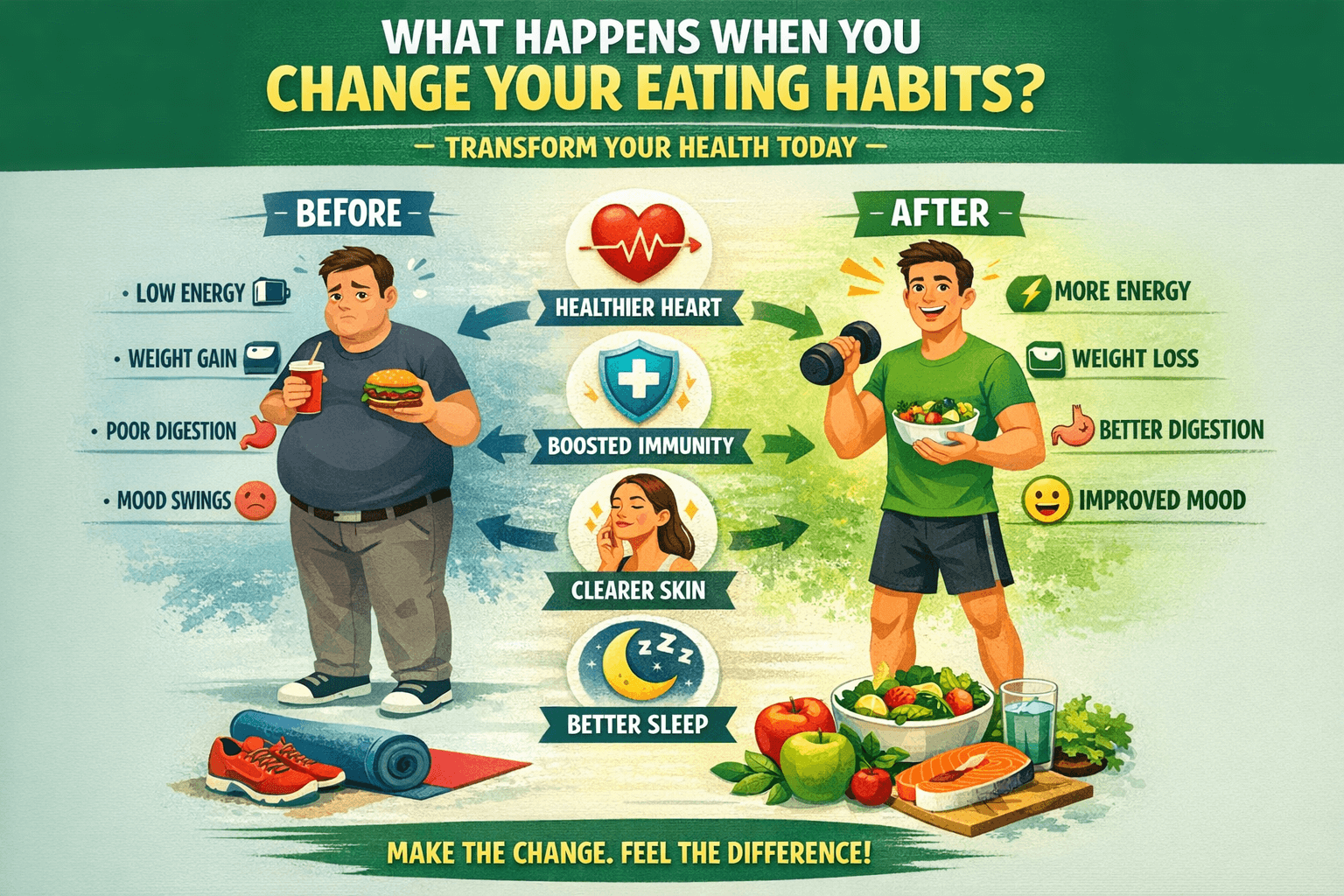
Changing your eating habits can feel like stepping into the unknown. You might wonder, what will happen to your energy, mood, or even your weight?
The truth is, your body reacts in surprising ways—some good, some challenging—before you start reaping real benefits. You may notice cravings, fatigue, or even brain fog at first. But don’t let that discourage you. These early signals mean your body is adjusting and getting ready for positive changes.
Imagine having more energy throughout the day, clearer focus, better digestion, and a healthier weight. Curious how these transformations unfold and how to make your new habits stick? Keep reading to discover exactly what happens when you change your eating habits—and how to turn those changes into lasting health improvements.

Credit: my.vanderbilthealth.com
Initial Physical Adjustments
Changing your eating habits triggers several physical changes. These happen as your body adapts to new foods and routines. Initial physical adjustments can feel strange but are normal. Understanding these changes helps you stay motivated and patient during this phase.
The first days or weeks bring specific symptoms. These include withdrawal effects, digestive shifts, and changes in how food tastes. Each of these plays a role in your overall health transformation.
Withdrawal Symptoms
Your body may react strongly when you cut back on sugar, caffeine, or salt. Headaches, tiredness, and irritability are common. Cravings for old favorite foods might feel intense. These symptoms show your body adjusting to fewer processed foods. They usually pass within a few days to weeks.
Digestive Changes
Eating more fiber and protein can change digestion. You might notice gas, bloating, or stomach discomfort. This happens as your gut bacteria adapt to new food types. Drinking plenty of water and eating slowly can ease these symptoms. Over time, digestion improves and feels more comfortable.
Shifts In Taste Perception
Your taste buds start to change after a few weeks. Foods you once disliked may begin to taste better. Natural sweetness in fruits and vegetables becomes more noticeable. This shift helps you enjoy healthier foods more. It supports long-term changes in eating habits.
Short-term Health Benefits
Changing your eating habits can bring noticeable health benefits quickly. These short-term effects often motivate people to keep going. Your body reacts fast to better food choices. Energy, digestion, focus, and appearance often improve within days or weeks.
Increased Energy Levels
Eating more nutritious food gives your body better fuel. Whole grains, fruits, and vegetables provide steady energy throughout the day. You avoid sugar crashes and feel less tired. Balanced meals keep your energy stable and consistent.
Enhanced Digestion
Adding fiber-rich foods helps your digestive system work smoothly. You may notice less bloating and constipation. Drinking more water also supports digestion. Your gut feels healthier and more comfortable as it adjusts.
Improved Mental Clarity
Healthy eating can clear up brain fog. Nutrients from fresh foods boost brain function and focus. You feel more alert and able to think clearly. This mental clarity helps with daily tasks and decision-making.
Physical Appearance Changes
Your skin may look brighter and more vibrant. Drinking water and eating fruits improve hydration and glow. You might also notice less puffiness and fewer breakouts. Clothes fit better as your body adjusts to better nutrition.
Long-term Health Effects
Changing your eating habits affects your body in many ways over time. The long-term health effects are powerful and lasting. Small daily choices add up to big changes in your health. Eating more fruits, vegetables, and whole foods helps your body work better. Here are some key long-term benefits you can expect.
Weight Management
Healthy eating helps control your weight steadily. Foods rich in fiber and protein keep you full longer. This lowers the chance of overeating. Balanced meals reduce cravings for sugary or fatty snacks. Over time, your body finds a natural weight balance. Maintaining a healthy weight lowers stress on your heart and joints.
Stronger Immune System
Good nutrition supports your immune defenses. Vitamins and minerals from fresh foods boost your body’s ability to fight illness. Antioxidants reduce damage from harmful molecules. Healthy fats help reduce inflammation in your body. A stronger immune system means fewer infections and faster recovery times.
Lowered Chronic Disease Risks
Eating well lowers risks of diseases like diabetes and heart disease. Whole grains, fruits, and vegetables improve blood sugar and cholesterol levels. Healthy fats protect your arteries from damage. Reduced salt intake helps control blood pressure. Over years, these changes greatly decrease your chance of serious illness.
Common Challenges And Side Effects
Changing your eating habits is a big step that affects your body and mind. Many people face challenges at the start. These challenges are normal signs your body is adjusting. Side effects can last a few days or weeks. Understanding these common issues helps you stay on track and feel better faster.
Managing Cravings And Fatigue
Cravings for sugary or salty foods often hit hard. Your brain misses old habits and quick energy sources. Fatigue can also appear as your body learns to use new fuel. Eating balanced meals with protein and fiber helps reduce cravings. Rest and hydration support your energy levels during this phase.
Handling Digestive Discomfort
Changing your diet can cause gas, bloating, or stomach upset. Adding more fiber or new foods challenges your digestive system. These symptoms usually fade as your gut adapts. Drinking plenty of water and eating slowly eases discomfort. Probiotics or fermented foods can support healthy digestion.
Dealing With Mood Fluctuations
Food affects your brain and emotions. Mood swings or irritability might happen in early days. Your body adjusts to different nutrient levels and blood sugar changes. Regular meals and snacks help keep your mood stable. Practicing stress relief like deep breathing can reduce emotional ups and downs.
Strategies For Lasting Change
Changing your eating habits can feel challenging. Lasting change requires smart strategies. These methods help you stick to new routines without feeling overwhelmed. Focus on small, steady actions to build new habits. Patience and planning play key roles in success. Simple changes can make a big difference over time.
Starting With Small Steps
Begin by making one small change at a time. Swap soda for water during lunch. Add an extra serving of vegetables each day. Small steps feel easier and less stressful. They build confidence and create steady progress. Avoid drastic shifts that feel hard to maintain.
Building Patience And Resilience
Expect some challenges along the way. Your body may need time to adjust. Cravings and tiredness can happen but usually pass soon. Stay patient and keep trying. Resilience helps you bounce back from setbacks. Remember, lasting change takes time and effort.
Staying Hydrated
Drink plenty of water throughout the day. Hydration supports digestion and energy levels. Sometimes thirst feels like hunger, leading to extra snacking. Keep a bottle handy as a reminder. Water also helps flush out toxins and improves skin health.
Planning Meals Ahead
Plan your meals before each day begins. This helps avoid unhealthy choices when hungry. Prepare simple, balanced meals with proteins, veggies, and whole grains. Planning saves time and reduces stress. It also supports consistent, healthy eating habits.

Credit: www.amazon.com

Credit: www.accqsleeplabs.com
Frequently Asked Questions
What Are The Effects Of Changing Food Habits?
Changing food habits can cause temporary fatigue, cravings, and digestive changes. Over time, it boosts energy, improves digestion, mood, weight control, and lowers chronic disease risks.
What Happens If You Change Your Diet Suddenly?
Sudden diet changes may cause digestive upset, fatigue, irritability, and cravings. These symptoms are temporary. Over time, expect better energy, digestion, mood, and weight management as your body adapts to healthier foods.
Can You Lose Weight By Changing Your Eating Habits?
Yes, changing eating habits can help you lose weight by reducing calorie intake and increasing nutrient-rich foods. Eating more fruits, vegetables, and whole grains supports weight management and improves overall health. Consistent healthy choices lead to sustainable weight loss and better energy levels.
What Is The 1 Worst Eating Habit For Memory Loss?
The 1 worst eating habit for memory loss is excessive consumption of sugary and processed foods. These impair brain function and memory.
Conclusion
Changing your eating habits can feel tough at first. Your body may react with cravings or tiredness. These signs mean your system is adjusting to new foods. Over time, you gain more energy and better digestion. Your mood often lifts, and your focus improves.
Weight management becomes easier, and your skin may clear up. Eating healthy lowers risks of heart disease and diabetes. Small changes today bring big benefits for tomorrow. Keep going—you are helping your body in many good ways.

“As the voice behind Radiant Glow Health, we are dedicated to being your ultimate wellness and vitality companion. Our mission is to inspire and guide you on your journey to a healthier and more vibrant life. Join us as we explore holistic health practices and empower you to radiate wellness from within.”