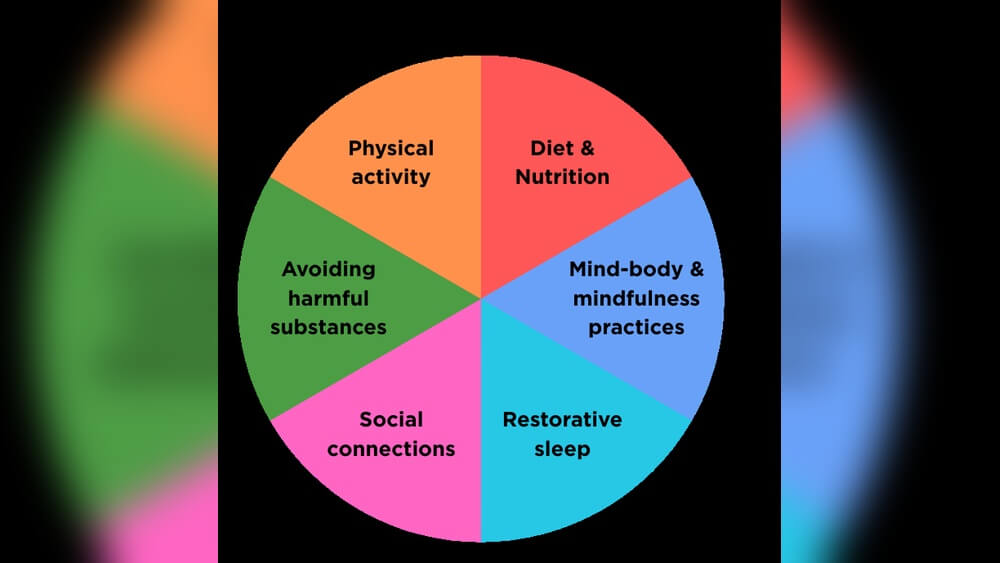
“How Does Diet And Nutrition Impact Physical Health”
You might wonder how the food you eat every day shapes your physical health. The truth is, your diet is much more than just a source of energy—it’s the foundation for a strong body, a sharp mind, and lasting vitality.
What you choose to put on your plate can boost your immunity, help you maintain a healthy weight, and protect you from serious diseases like heart problems and diabetes. On the other hand, poor nutrition can drain your energy, weaken your body, and even affect your mood.
You’ll discover exactly how diet and nutrition impact your physical health and learn simple ways to make better food choices that support your well-being every day. Keep reading to unlock the secrets to feeling your best!
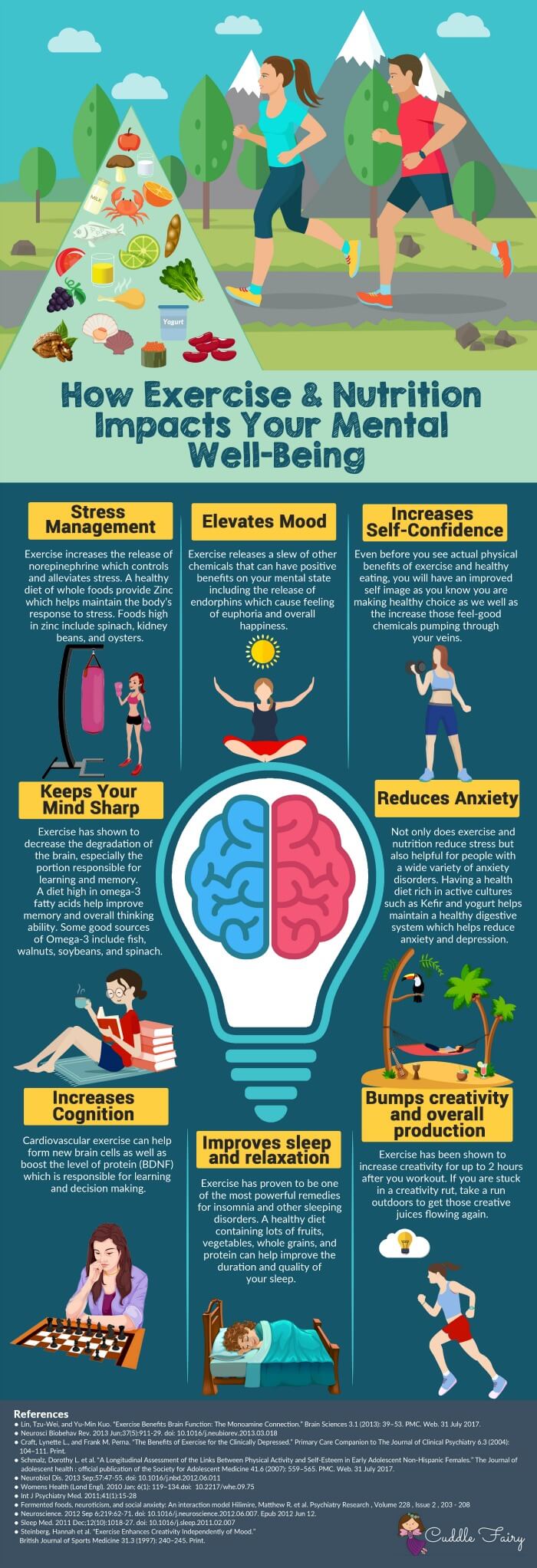
Credit: newgisbornedentalhouse.com.au
Nutrition And Energy
Nutrition is the key to maintaining energy for daily tasks and overall health. The food we eat transforms into the energy our body needs. Without proper nutrition, energy levels drop and physical performance suffers. Understanding how nutrition supports energy helps improve health and stamina.
Macronutrients As Fuel
Macronutrients include carbohydrates, proteins, and fats. Carbohydrates are the body’s main energy source. They break down into glucose, which fuels cells quickly. Proteins help repair tissues and provide a slower energy release. Fats store energy and support long-lasting activities. Balancing these macronutrients keeps energy steady throughout the day.
Vitamins And Minerals For Vitality
Vitamins and minerals do not provide energy directly. They help the body use energy efficiently. For example, B vitamins convert food into usable energy. Iron carries oxygen to muscles, improving stamina. Magnesium supports muscle and nerve function. These nutrients keep the body active and reduce fatigue.
Balancing Calories And Activity
Energy balance is the relationship between calories consumed and calories burned. Eating more calories than used leads to weight gain. Consuming fewer calories than burned causes weight loss. Matching calorie intake to physical activity maintains healthy weight and energy levels. This balance supports strong physical health and daily performance.
Building Strong Bones And Muscles
Building strong bones and muscles is essential for maintaining a healthy and active life. Proper nutrition provides the necessary nutrients to support growth, repair, and strength. Without the right diet, bones can become weak, and muscles may lose their power and endurance.
Role Of Calcium And Vitamin D
Calcium is a vital mineral for bone strength. It helps build and maintain bone structure. Vitamin D aids calcium absorption in the body. Without enough Vitamin D, bones can become fragile and prone to fractures. Dairy products, leafy greens, and fortified foods are good calcium sources. Sun exposure and certain foods help the body produce Vitamin D naturally.
Protein For Muscle Repair
Protein plays a key role in muscle repair and growth. After physical activity, muscles need protein to recover and become stronger. Lean meats, fish, eggs, beans, and nuts provide high-quality protein. Consuming adequate protein supports muscle health and prevents muscle loss as we age.
Preventing Osteoporosis
Osteoporosis is a condition where bones become weak and brittle. A diet rich in calcium and Vitamin D reduces this risk. Regular physical activity also helps maintain bone density. Avoiding smoking and excessive alcohol supports bone health. Early nutrition choices have a lasting impact on preventing osteoporosis later in life.
Boosting Immunity
Strong immunity is essential for maintaining good health and preventing illnesses. Diet and nutrition play a crucial role in boosting the body’s defense system. Eating the right foods supplies nutrients that help the immune system work better. A balanced diet supports the body’s ability to fight infections and recover faster. Understanding how nutrition impacts immunity can guide healthier eating habits.
Key Nutrients Supporting Immune Function
Vitamins and minerals strengthen the immune system. Vitamin C helps produce white blood cells that fight infections. Vitamin D regulates immune responses and reduces inflammation. Zinc supports immune cell development and communication. Protein is vital for building antibodies and immune cells. Eating fruits, vegetables, nuts, and lean meats ensures you get these nutrients daily.
Impact Of Diet On Infection Resistance
Foods rich in antioxidants protect cells from damage caused by harmful molecules. This protection lowers the risk of infections. A diet high in sugar and processed foods can weaken immune defenses. Consuming whole foods and limiting processed items improves resistance to colds and flu. Hydration also plays a role by helping the body flush out toxins.
Gut Health And Immune System
The gut contains many immune cells that protect the body. Healthy gut bacteria support immune function by balancing harmful microbes. Fiber-rich foods like fruits, vegetables, and whole grains feed good bacteria. Probiotics in yogurt and fermented foods boost gut health. Maintaining a healthy gut helps prevent infections and chronic inflammation.
Weight Management
Weight management plays a vital role in maintaining overall physical health. It involves balancing the calories consumed with the energy the body uses. Proper weight control reduces the risk of many health problems and supports daily activities with ease. Diet and nutrition directly affect this balance by providing the right nutrients and energy levels.
Choosing the right foods helps control hunger and supports metabolism. The quality of the diet influences how the body stores or burns fat. Understanding these factors can guide healthier eating habits for better weight management.
Calorie Balance And Metabolism
Calorie balance is the difference between calories eaten and calories burned. Eating more calories than used leads to weight gain. Eating fewer calories than burned causes weight loss. Metabolism is the process that converts food into energy. A faster metabolism burns calories quicker. Certain foods and activities can boost metabolism. Maintaining calorie balance supports a healthy weight and energy level.
Effects Of Nutrient-dense Foods
Nutrient-dense foods provide vitamins, minerals, and fiber with fewer calories. Fruits, vegetables, whole grains, and lean proteins fall into this category. These foods keep you full longer and reduce overeating. They support muscle growth and repair, enhancing metabolism. Nutrient-dense foods improve overall health and help maintain a balanced weight. Choosing them over processed foods promotes long-term wellness.
Risks Of Obesity And Poor Diet
Obesity increases the chance of heart disease, diabetes, and joint problems. A poor diet often lacks essential nutrients and adds excess calories. This combination leads to weight gain and weakens the immune system. High sugar and fat intake can cause inflammation and fatigue. Managing diet quality reduces these risks. Healthy eating habits protect against chronic illness and improve quality of life.
Reducing Chronic Disease Risk
Chronic diseases cause many health problems worldwide. Diet and nutrition play a big role in lowering the risk of these diseases. Eating the right foods helps protect your heart, control blood sugar, and reduce chances of cancer.
Small changes in daily eating habits can lead to big health benefits. Choosing nutrient-rich foods supports your body’s defenses. Avoiding harmful foods reduces strain on your organs and keeps you feeling strong.
Heart Disease And Nutrition
Heart disease is a leading cause of death globally. Diet affects blood pressure, cholesterol, and artery health. Foods rich in fiber, healthy fats, and antioxidants protect the heart. Fruits, vegetables, whole grains, and nuts help lower bad cholesterol. Reducing salt intake keeps blood pressure in a healthy range. Avoiding processed and fried foods lowers the risk of clogged arteries.
Diabetes Prevention Through Diet
Type 2 diabetes is linked to diet and lifestyle. Eating balanced meals with low sugar and high fiber helps control blood sugar. Whole grains, legumes, and vegetables slow sugar absorption. Limiting sugary drinks and snacks prevents blood sugar spikes. Healthy fats like those in fish and olive oil improve insulin sensitivity. Maintaining a healthy weight through diet reduces diabetes risk.
Cancer Risk And Food Choices
Certain foods can increase or lower cancer risk. Vegetables, fruits, and whole grains contain antioxidants that protect cells. Fiber-rich foods help remove toxins from the body. Processed meats and high-fat foods may raise cancer risk. Choosing plant-based meals often reduces exposure to harmful chemicals. Drinking plenty of water supports overall cell health and function.
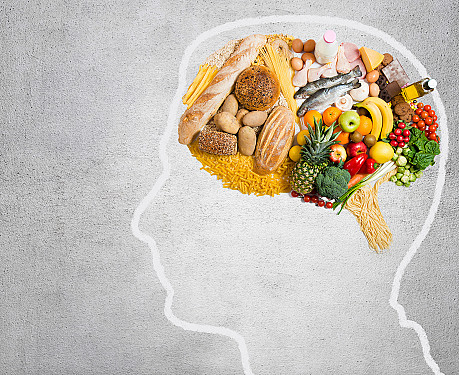
Credit: www.health.harvard.edu
Mental Health And Nutrition
Mental health and nutrition share a strong connection. What you eat can directly affect your brain’s function and mood. Proper nutrition supports mental wellness and cognitive abilities. Poor diet choices may increase risks of anxiety and depression. A balanced diet provides essential nutrients for healthy brain activity. Understanding this link helps improve mental health through better food choices.
Nutrients Influencing Brain Function
Certain nutrients play key roles in brain health. Omega-3 fatty acids support memory and learning. B vitamins help produce brain chemicals that regulate mood. Antioxidants protect brain cells from damage. Minerals like zinc and magnesium aid nerve signaling. Protein supplies amino acids needed for brain function. Eating foods rich in these nutrients supports mental clarity and focus.
Diet’s Role In Mood And Cognition
Diet impacts mood by affecting brain chemistry. Balanced meals stabilize blood sugar and prevent mood swings. Foods high in sugar or unhealthy fats may worsen anxiety and depression. Complex carbohydrates increase serotonin, a mood-regulating chemical. Regular intake of fruits, vegetables, and whole grains enhances cognition. Good diet habits promote steady energy and positive emotions throughout the day.
Link Between Gut And Mental Wellness
The gut and brain communicate through the gut-brain axis. Healthy gut bacteria produce neurotransmitters that influence mood. Fiber-rich foods feed beneficial gut microbes and reduce inflammation. Poor gut health can lead to increased stress and mood disorders. Probiotics and fermented foods support a balanced gut microbiome. Maintaining gut health is vital for emotional stability and mental wellness.
Foods To Limit
Limiting certain foods plays a vital role in maintaining good physical health. Some foods can harm your body if eaten too often or in large amounts. Reducing these foods lowers the risk of chronic diseases and helps keep your body strong. Focus on cutting back on sodium, added sugars, unhealthy fats, and processed meats. These items often contribute to health problems and affect your overall well-being.
Sodium And Blood Pressure
Too much sodium raises blood pressure, increasing heart disease risk. Most sodium comes from processed and packaged foods. Eating less salt helps keep your blood pressure in a healthy range. Choose fresh foods and cook at home to control sodium intake. Watch for hidden salt in sauces, soups, and snacks.
Added Sugars And Unhealthy Fats
Added sugars add empty calories and cause weight gain. They also increase the risk of diabetes and heart disease. Unhealthy fats, like trans fats and some saturated fats, raise bad cholesterol levels. These fats come from fried foods, baked goods, and fast food. Limit sweets, sugary drinks, and greasy foods for better heart health.
Processed Meats And Health Risks
Processed meats include sausages, hot dogs, and deli meats. They contain preservatives and chemicals linked to cancer and heart disease. Eating too much processed meat can increase inflammation and harm arteries. Choose fresh meats, poultry, fish, or plant proteins instead. Reducing processed meat lowers the risk of many chronic illnesses.

Credit: sunburydentalhouse.com.au
Fiber And Digestive Health
Fiber plays a crucial role in maintaining digestive health. It helps keep the digestive system running smoothly. Eating enough fiber can prevent common problems like constipation and bloating. Fiber also supports the health of the gut, which affects overall physical health.
Benefits Of Fiber-rich Foods
Fiber-rich foods add bulk to the stool, making bowel movements easier. They reduce the risk of digestive disorders such as diverticulitis. These foods also help control blood sugar levels and lower cholesterol. Eating fiber helps you feel full longer, aiding weight management. Common fiber sources include fruits, vegetables, whole grains, and legumes.
Supporting Beneficial Gut Bacteria
Fiber acts as food for good bacteria in the gut. These bacteria break down fiber into short-chain fatty acids that nourish the gut lining. A healthy gut microbiome strengthens the immune system. It also reduces inflammation and supports digestion. Consuming diverse fiber types encourages a balanced gut bacteria community.
Improving Nutrient Absorption
Fiber slows down digestion, allowing more time for nutrient absorption. It helps stabilize blood sugar by slowing carbohydrate breakdown. This steady absorption supports energy levels throughout the day. Fiber also binds harmful substances, aiding their removal from the body. This creates a healthier environment for absorbing vitamins and minerals.
Frequently Asked Questions
How Does Nutrition Affect Physical Health?
Nutrition fuels the body, strengthens bones and muscles, boosts immunity, manages weight, and reduces chronic disease risks.
How Does Nutrition Affect Your Health?
Nutrition fuels the body, strengthens immunity, supports weight management, and reduces chronic disease risks. It also boosts energy, bone health, and mental well-being. Poor nutrition increases health problems, affecting vitality and mood. Choosing nutritious foods promotes overall health and resilience against illnesses.
How Does Nutrition Impact Physical Growth?
Nutrition fuels growth by providing essential vitamins, minerals, and proteins. It strengthens bones, muscles, and immunity, supporting overall physical development.
How Can Nutrition Impact The Physical Self?
Nutrition fuels the body, strengthens bones and muscles, boosts immunity, manages weight, and lowers chronic disease risks, enhancing overall physical health.
Conclusion
Good diet and nutrition shape your physical health daily. They provide energy and keep your body strong. Eating well supports your immune system and helps control weight. Balanced nutrition lowers risks of many chronic illnesses. Avoiding too much salt, sugar, and processed foods helps too.
Small, healthy choices add up over time. Your body needs proper fuel to function at its best. Healthy eating habits lead to a happier, more active life. Start with simple changes for lasting health benefits.

“As the voice behind Radiant Glow Health, we are dedicated to being your ultimate wellness and vitality companion. Our mission is to inspire and guide you on your journey to a healthier and more vibrant life. Join us as we explore holistic health practices and empower you to radiate wellness from within.”