Looking for diet food ideas that your kids will actually enjoy? You’re not alone.
Getting children to eat healthy can feel like a daily challenge, but it doesn’t have to be a battle. Imagine turning mealtime into a fun, colorful, and tasty experience that fuels their growing bodies without the fuss. You’ll discover simple, delicious, and nutritious food ideas designed specifically for kids.
From sneaky ways to add veggies to their favorite dishes to creative snacks that satisfy and nourish, these tips will help you make healthy eating a habit your whole family will love. Ready to transform your child’s diet with meals they’ll ask for again and again? Let’s dive in!
Credit: tastesbetterfromscratch.com
Healthy Proteins For Kids
Proteins play a key role in your child’s growth and health. They build muscles, support the immune system, and keep energy levels steady. Choosing healthy proteins helps kids stay strong and active. Here are some great protein options to include in your child’s diet.
Lean Meats And Poultry
Lean meats and poultry provide high-quality protein with less fat. Skinless chicken breast and turkey are excellent choices. These meats are easy to cook and can be added to many dishes. They help build muscle without extra calories. Avoid fried or heavily processed meats for healthier meals.
Plant-based Proteins
Plant-based proteins are nutritious and gentle on the stomach. Beans, lentils, and chickpeas offer protein and fiber. Tofu and tempeh are also good sources and easy to prepare. These options support heart health and digestion. They work well in soups, salads, and wraps for variety.
Seafood Options
Seafood is rich in protein and omega-3 fats, which benefit brain health. Mild fish like salmon, cod, and tilapia are kid-friendly choices. Cook seafood by baking or grilling for a healthy meal. Shellfish such as shrimp can add fun flavors and textures. Introduce seafood early to build a taste for it.

Credit: www.autismdietitian.com
Nutritious Grains And Sides
Nutritious grains and sides form the foundation of a healthy diet for kids. These foods provide energy, fiber, and essential nutrients. Choosing the right grains and creative sides makes meals both tasty and good for growing bodies. Simple swaps and fun presentations encourage kids to enjoy their food.
Whole-grain Choices
Whole grains keep kids full longer and support digestion. Brown rice, quinoa, and whole wheat pasta are great options. Oats make a healthy breakfast or snack. Try whole-grain bread for sandwiches and toast. These grains add fiber and vitamins to meals.
Creative Vegetable Sides
Vegetables add color and nutrients to any meal. Roasting carrots and sweet potatoes brings out their sweetness. Steamed broccoli with a little cheese is a kid favorite. Try spiralized zucchini or cauliflower rice for variety. Fun shapes and dips make veggies more inviting.
Fun Fruit Snacks
Fruits offer natural sweetness and important vitamins. Serve sliced apples with peanut butter for a satisfying snack. Frozen berries or grapes make cool treats on hot days. Fruit kabobs with melon, pineapple, and strawberries add excitement. These snacks boost energy and taste great.
Easy And Tasty Recipes
Easy and tasty recipes make healthy eating fun for kids. Simple meals help build good habits early. Nutritious food can be delicious and quick to prepare. Parents enjoy recipes that kids actually want to eat. These ideas fit busy schedules and picky tastes.
Quick Breakfast Ideas
Start the day with energy and nutrition. Try oatmeal topped with fresh berries and a drizzle of honey. Yogurt parfaits with granola and fruit make a colorful, tasty meal. Whole grain toast with peanut butter and banana slices is both filling and sweet. These breakfasts take less than 10 minutes to prepare.
Lunchbox Favorites
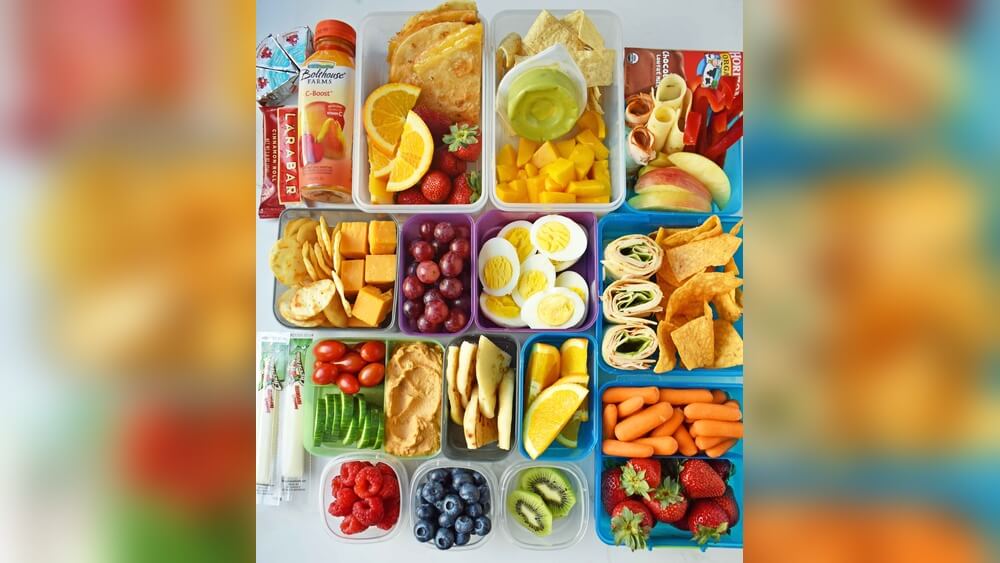
Pack lunches that excite kids and nourish their bodies. Turkey and cheese roll-ups with whole wheat tortillas are easy to hold. Veggie sticks with hummus add crunch and vitamins. Mini pita pockets stuffed with chicken salad offer protein and flavor. Include a small fruit like an apple or orange to complete the meal.
Dinner Recipes Kids Love
End the day with meals that please young palates. Baked chicken tenders coated with whole wheat crumbs are crispy and healthy. Spaghetti with tomato sauce and hidden veggies blends taste and nutrition. Stir-fried rice with colorful vegetables and scrambled eggs is a simple, balanced dish. These dinners provide essential nutrients without fuss.
Making Veggies Appealing
Getting kids to eat vegetables can be a challenge. Making veggies appealing helps increase their interest. Bright colors, fun shapes, and tasty flavors make veggies more attractive. Engaging children in preparing meals also boosts their willingness to try new foods.
Below are simple ideas to help vegetables become a favorite part of your child’s diet.
Hiding Veggies In Meals
Blend vegetables into sauces, soups, or smoothies. Puree carrots, spinach, or zucchini and mix them into pasta sauce. Add finely chopped veggies to meatballs or burgers. Use cauliflower rice as a base for dishes. This way, kids get nutrients without noticing the veggies.
Colorful And Fun Presentations
Serve vegetables in bright colors and fun shapes. Use cookie cutters to create stars or hearts from cucumber or carrots. Arrange veggies in rainbow patterns on the plate. Add dips like hummus or yogurt for extra flavor. Visual appeal makes children excited to eat their veggies.
Involving Kids In Cooking
Invite kids to help in the kitchen. Let them wash, peel, or chop vegetables with supervision. Allow them to choose which veggies to include in meals. Cooking together builds positive food experiences. Children are more likely to eat what they helped prepare.
Snack Time Solutions
Snack time can be a challenge for parents who want to offer healthy options. Kids often prefer tasty treats that may not be good for their diet. Finding snacks that are both nutritious and appealing helps support their growth and energy. Smart snack choices keep kids satisfied between meals and reduce cravings for sugary foods.
Here are some easy and tasty snack ideas that fit well into a balanced diet for children. These solutions help make snack time fun and healthy.
Healthy Snack Swaps
Swap chips with air-popped popcorn or baked veggie chips. Use fresh fruit slices instead of candy. Try yogurt with fresh berries instead of ice cream. Choose whole-grain crackers instead of white bread snacks. These swaps provide vitamins and fiber without extra sugar or fat. Kids enjoy the crunch and natural sweetness of these options.
No-bake Snack Recipes
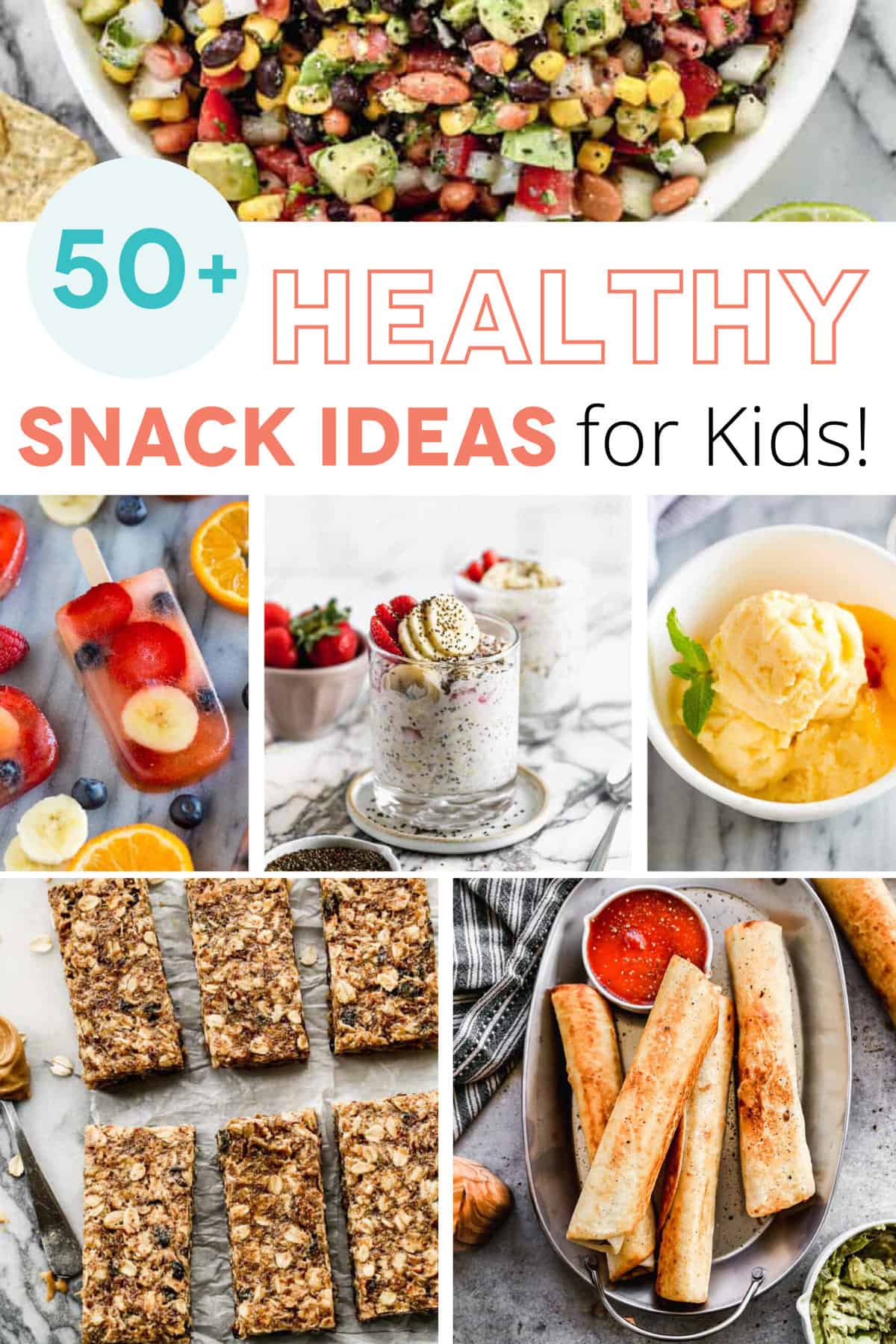
No-bake snacks are quick to prepare and perfect for busy days. Mix oats, peanut butter, and honey to form energy balls. Combine yogurt and fruit to make frozen popsicles. Blend nuts and dried fruit for a homemade trail mix. These snacks need no oven and keep well in the fridge. They offer protein and healthy fats to keep kids full longer.
Portable Snack Ideas
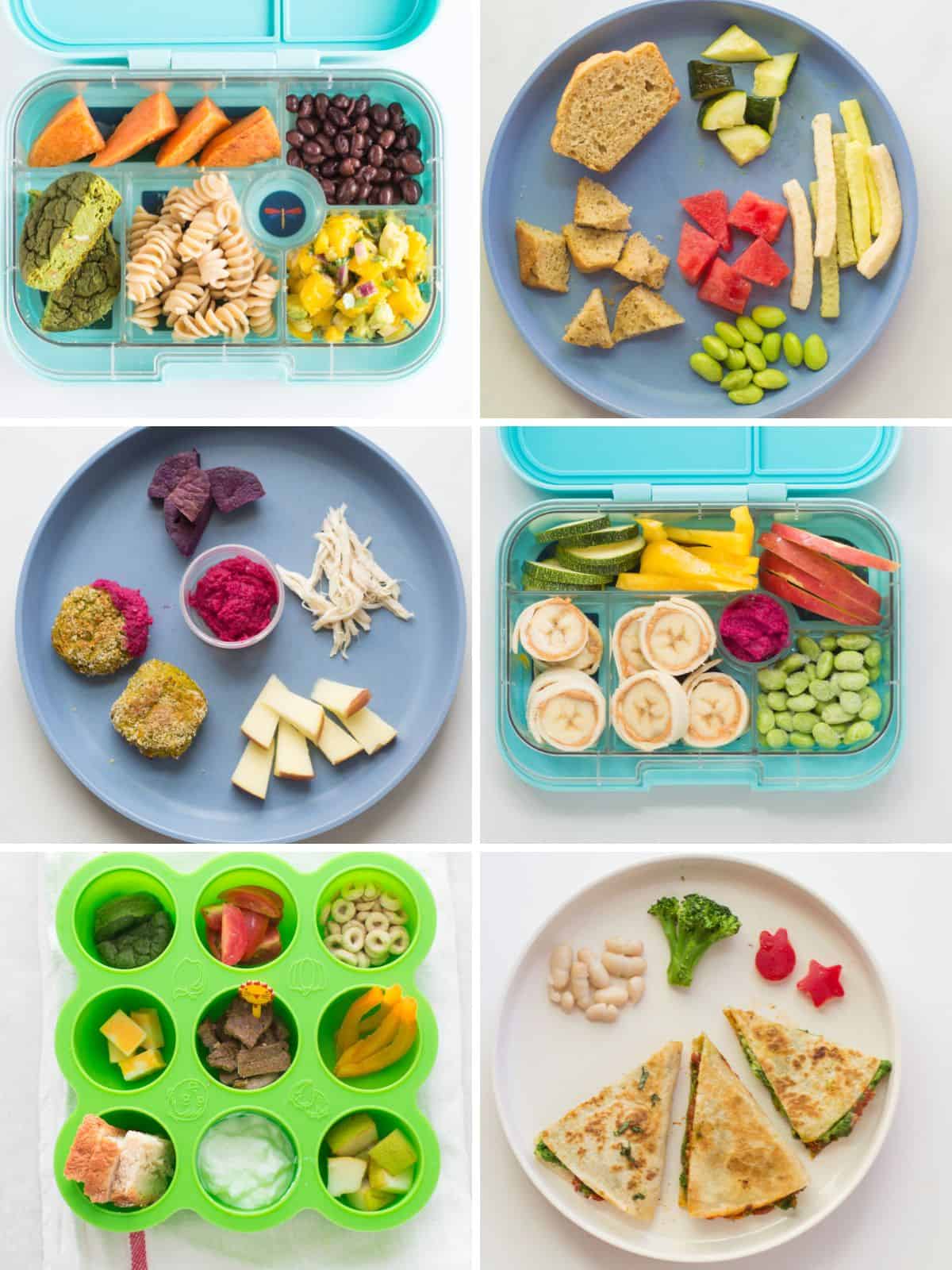
Portable snacks are great for school or outings. Pack sliced veggies with hummus in small containers. Send a banana or apple with nut butter. Use small boxes for cheese cubes and whole-grain crackers. These snacks travel well and stay fresh. They give kids a quick energy boost without sugary ingredients.
Credit: www.mjandhungryman.com
Tips For Picky Eaters
Picky eaters can make mealtime a challenge for many parents. Patience and creativity help children try new foods. These tips support healthy eating habits and make food fun.
Encouraging New Foods
Offer small portions of new foods alongside favorites. Let kids touch, smell, and explore food textures. Praise even small bites to build confidence. Avoid forcing or pressuring children to eat. Repeated gentle exposure helps them accept new tastes.
Positive Mealtime Habits
Keep mealtime calm and distraction-free. Turn off screens and focus on family conversation. Serve meals at regular times to create routine. Use positive language about food and eating. Avoid punishing or rewarding with food to prevent unhealthy habits.
Creative Food Shapes And Names
Cut fruits and vegetables into fun shapes like stars or animals. Use cookie cutters or arrange food into faces or patterns. Give foods playful names like “dinosaur trees” for broccoli. This sparks curiosity and makes kids excited to try meals.
Balanced Portion Sizes
Balanced portion sizes help kids get the right nutrition without overeating. Serving the correct amount supports healthy growth and energy. It also teaches good eating habits early on. Understanding how much food a child needs is key. This section explores how to serve balanced portions for kids.
Age-appropriate Portions
Kids need different portion sizes depending on their age. Toddlers require smaller servings than older children. A good rule is to offer a portion about one-quarter of an adult’s serving. For example, a 2-year-old might eat half a cup of vegetables. Adjust portions as children grow and their appetites change. Watch for signs of hunger or fullness to guide servings.
Combining Food Groups
Balanced meals include proteins, carbohydrates, and fats in the right amounts. Pair lean proteins with whole grains and colorful vegetables. This mix provides energy and essential nutrients. For example, serve grilled chicken with brown rice and steamed broccoli. Healthy fats from nuts or avocado help brain development. Encourage variety to keep meals interesting and nutritious.
Hydration And Drinks
Water is the best drink to keep kids hydrated. Limit sugary drinks and juices, which add extra calories. Milk provides calcium but should be given in moderation. Offer water regularly, especially during meals and playtime. Proper hydration supports digestion and overall health. Make water accessible and fun with cups or bottles kids enjoy.
Frequently Asked Questions
What Should Kids Eat For Weight Loss?
Kids should eat lean proteins, whole grains, fruits, vegetables, nuts, and seeds for healthy weight loss. Avoid processed, high-fat foods.
What To Eat On A Kids Diet?
Feed kids nutrient-rich foods like lean proteins, whole grains, fruits, vegetables, and healthy fats. Include beans, fish, eggs, and nuts for growth and energy. Limit processed snacks and sugary drinks to support healthy development and weight management.
What Is The Healthiest Meal For Kids?
A healthy meal for kids includes lean protein, whole grains, and colorful vegetables. It provides essential nutrients for growth and energy.
What Are The 10 Most Healthy Foods For Kids?
The 10 healthiest foods for kids are: fruits, vegetables, whole grains, lean proteins, dairy, nuts, seeds, beans, eggs, and fish. These foods provide essential nutrients for growth and development. Encourage variety and balanced meals to support strong bones, brain function, and overall health.
Conclusion
Healthy eating habits help children grow strong and stay active. Choose colorful fruits and vegetables to make meals fun. Include lean proteins and whole grains for balanced nutrition. Encourage kids to try new foods with simple, tasty recipes. Small changes can lead to big health benefits over time.
Keep mealtime positive and stress-free to build good habits. Enjoy preparing diet food ideas that support your child’s well-being every day.

“As the voice behind Radiant Glow Health, we are dedicated to being your ultimate wellness and vitality companion. Our mission is to inspire and guide you on your journey to a healthier and more vibrant life. Join us as we explore holistic health practices and empower you to radiate wellness from within.”