“Diet Related Problems”
Are you aware that what you eat every day could be silently impacting your health in ways you never imagined? Diet-related problems are more common than you think, and they don’t just affect your weight—they can lead to serious conditions like heart disease, diabetes, and even certain cancers.
If you’ve ever wondered why you feel tired, struggle with your weight, or face health issues despite efforts to stay healthy, the answer might lie in your diet choices. This article will help you understand the common diet-related problems, how they develop, and what simple changes you can make to protect your health and feel your best.
Keep reading—you owe it to yourself to know how your diet shapes your well-being.
Common Diet-related Diseases
Many health issues start with the food we eat. Poor diet choices can lead to serious diseases. Understanding these common diet-related diseases helps us make better food decisions. Balanced nutrition supports overall health and prevents many problems.
Heart Disease And Stroke
Heart disease and stroke often come from high cholesterol and saturated fat. Excess sodium and obesity add to the risk. These conditions damage blood vessels and the heart.
Obesity And Weight Issues
Obesity results from eating too many calories and little activity. It raises the chance of diabetes, heart problems, and joint pain. Weight control is key for good health.
Certain Cancer Risks
Some cancers relate to poor diet. Colon, breast, stomach, and esophagus cancers increase with unhealthy eating. Fruits and vegetables lower these risks.
High Blood Pressure
High blood pressure comes from too much salt and weight gain. It strains the heart and blood vessels. Reducing sodium helps control blood pressure.
Bone Health Problems
Weak bones happen with low calcium and vitamin D. This can cause osteoporosis and fractures. Proper diet strengthens bones and prevents pain.
Dental Cavities
Eating lots of sugar causes dental cavities. Bacteria feed on sugar and harm teeth. Brushing and healthy food protect your smile.
Fatty Liver Disease
Fatty liver disease links to sugary drinks and fast food. It harms the liver and may lead to serious illness. Eating balanced meals supports liver health.

Credit: www.youtube.com
Dietary Causes Behind Health Problems
Diet plays a crucial role in our overall health. Many common health problems start with what we eat daily. Understanding the dietary causes behind these issues helps in making better choices. Poor eating habits can lead to serious conditions that affect quality of life.
Several dietary factors contribute to health problems. Each one affects the body differently but can cause long-term damage if ignored. Identifying these causes is the first step toward prevention and better health.
Excess Sugar Intake
Eating too much sugar can cause weight gain and increase the risk of diabetes. High sugar intake harms teeth and can lead to cavities. It also spikes blood sugar levels, stressing the body’s insulin system.
High Sodium Consumption
Too much salt raises blood pressure and strains the heart. High sodium diets increase the risk of stroke and kidney problems. Processed foods often contain hidden salt, making it easy to consume too much.
Refined Carbohydrates And Processed Foods
Refined carbs and processed foods lack essential nutrients. They cause rapid blood sugar spikes and lead to energy crashes. These foods often contain unhealthy fats and additives harmful to health.
Nutrient Deficiencies
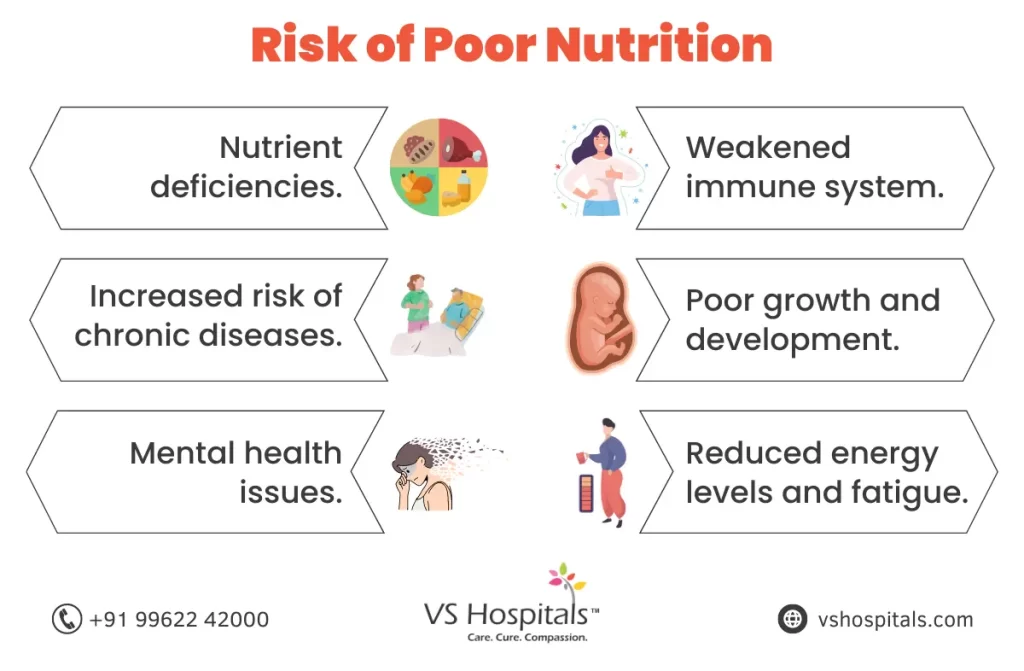
Missing key vitamins and minerals weakens the immune system. Lack of nutrients like calcium and vitamin D harms bones. Poor nutrition can cause fatigue, poor concentration, and slow healing.
Calorie Overconsumption
Eating more calories than the body needs leads to weight gain. Excess calories stored as fat increase risks for heart disease and diabetes. Portion sizes and frequent snacking often contribute to overeating.
Sedentary Lifestyle Impact
Lack of physical activity worsens diet-related health problems. It reduces metabolism and increases the chance of obesity. A sedentary lifestyle also raises the risk of heart disease and poor mental health.
Easy Dietary Changes For Better Health
Making simple changes to your daily diet can improve your health significantly. Small steps help reduce the risk of many diet-related problems. These changes are easy to follow and do not require drastic measures. Start with manageable habits that promote long-term wellness.
Reducing Sugar And Salt
Cutting back on sugar lowers the chance of obesity and diabetes. Avoid sugary drinks and sweets. Choose fresh fruit instead of candy. Reducing salt helps control blood pressure. Use herbs and spices for flavor, not salt. Check food labels for hidden sugar and salt.
Increasing Nutrient-rich Foods
Eat more vegetables, fruits, and lean proteins. These foods supply vitamins and minerals essential for health. Include beans, nuts, and seeds for added nutrients. Avoid processed foods that lack nutritional value. Fresh and whole foods support stronger immunity and energy.
Choosing Whole Grains
Replace refined grains with whole grains like brown rice and oats. Whole grains provide more fiber, which aids digestion. They help control blood sugar and keep you full longer. Try whole wheat bread instead of white bread. Small switches make a big difference over time.
Controlling Portion Sizes
Eating the right amount helps prevent weight gain. Use smaller plates to avoid overeating. Pay attention to hunger and fullness cues. Avoid eating straight from packages to control portions better. Balanced portions keep energy stable and support weight management.
Incorporating Physical Activity
Exercise complements healthy eating for better results. Aim for at least 30 minutes of activity daily. Walking, cycling, or dancing are simple options. Physical activity helps maintain a healthy weight. It also improves heart health and mood.
Credit: vshospitals.com
Role Of Public Awareness
Public awareness plays a vital role in tackling diet-related problems. Educating people helps them make better food choices. Awareness can prevent diseases linked to poor diets. It encourages healthier lifestyles and reduces health risks. Communities and governments must work together to spread knowledge. Together, they create environments that support good nutrition.
Education On Healthy Eating
Teaching the basics of nutrition is essential. Simple lessons on food groups and portion sizes guide healthier eating. Schools and media can share clear, easy tips. Understanding labels helps people avoid harmful ingredients. Early education builds habits that last a lifetime. Everyone benefits from knowing what to eat and why.
Community Nutrition Programs
Local programs bring nutrition advice directly to people. They offer cooking classes, meal planning, and support groups. These programs reach vulnerable groups and those with limited resources. Hands-on activities make learning fun and practical. Communities grow stronger when members share healthy habits. These programs reduce diet-related diseases by changing behaviors.
Government Dietary Guidelines
Governments provide clear, science-based eating recommendations. These guidelines shape public health policies and school meals. They inform food labeling and advertising standards. Regular updates reflect new research and trends. Guidelines help unify messages about healthy diets. Citizens gain a trusted source for nutrition advice.
Access To Healthy Foods
Availability of fresh fruits and vegetables is crucial. Many face barriers due to cost or location. Public awareness can push for better food access in all areas. Farmers markets, subsidies, and urban gardens improve choices. Making healthy food affordable and easy to find saves lives. Access supports the knowledge people gain about nutrition.
Managing Chronic Conditions With Diet
Chronic conditions often require careful diet management to improve health and quality of life. Food choices impact how the body handles diseases over time. A balanced diet can ease symptoms and reduce risks of complications. Understanding the role of nutrition helps people take control of their health daily.
Diabetes And Blood Sugar Control
Managing diabetes involves controlling blood sugar through diet. Eating foods low in sugar and refined carbs helps stabilize glucose levels. Fiber-rich foods slow sugar absorption and improve insulin response. Portion control prevents spikes and keeps energy steady throughout the day.
Hypertension And Sodium Reduction
High blood pressure often links to too much sodium intake. Reducing salt helps lower blood pressure and eases heart strain. Fresh vegetables, fruits, and whole grains provide nutrients without excess sodium. Choosing low-sodium options supports better vascular health.
Cancer Prevention Strategies
Some foods protect against cancer by reducing inflammation and oxidative stress. Eating a variety of colorful fruits and vegetables delivers antioxidants and vitamins. Limiting processed meats and sugary drinks lowers cancer risks. Whole grains and legumes add fiber, which supports healthy digestion.
Supporting Bone Density
Strong bones need adequate calcium and vitamin D from diet. Dairy products, leafy greens, and fortified foods supply these nutrients. Regular intake helps prevent osteoporosis and fractures. Combining diet with physical activity promotes lasting bone health.
Tips To Avoid Common Pitfalls
Diet-related problems often arise from simple mistakes in daily food choices. Avoiding these common pitfalls can improve health and prevent chronic diseases. Small changes in eating habits bring big benefits over time.
Limiting Processed Foods
Processed foods often contain high salt, sugar, and unhealthy fats. These ingredients increase risks for heart disease and obesity. Choose fresh fruits, vegetables, and whole grains instead. Cook meals at home to control ingredients and portion sizes.
Reading Food Labels
Food labels provide important information about ingredients and nutrition. Check for added sugars, sodium, and unhealthy fats. Look for foods with fewer artificial additives. Understanding labels helps make smarter choices and avoid hidden dangers.
Balancing Macronutrients
Macronutrients include carbohydrates, proteins, and fats. Each plays a vital role in the body’s function. Eat a balanced mix for steady energy and overall health. Avoid too much sugar or fat, which can lead to weight gain and other issues.
Staying Hydrated
Water supports digestion, circulation, and temperature control. Dehydration can cause fatigue and headaches. Drink enough water throughout the day. Limit sugary drinks and caffeine, which may dehydrate the body.

Credit: healthgroup.dk
Frequently Asked Questions
What Are The Problems Related To Diet?
Diet-related problems include obesity, heart disease, high blood pressure, diabetes, certain cancers, osteoporosis, dental cavities, and fatty liver disease. Poor nutrition and excess sugar, salt, and unhealthy fats increase these health risks.
What Are The 5 Main Diet-related Diseases?
The five main diet-related diseases are cardiovascular disease, obesity, type 2 diabetes, hypertension, and certain cancers. Poor diet increases risks for these conditions.
How Does Diet Affect The Body?
Diet directly impacts energy, weight, and organ function. Poor nutrition raises risks of heart disease, diabetes, obesity, and certain cancers. Balanced eating supports immunity, bone health, and mental clarity. Consuming excess sugar, salt, or unhealthy fats harms overall health and increases chronic disease risks.
What Is A Diet-related Health Problem?
A diet-related health problem occurs when poor eating habits cause diseases like obesity, heart disease, diabetes, or certain cancers.
Conclusion
Diet-related problems affect many people worldwide. Eating unhealthy foods raises risks of heart disease, obesity, and diabetes. Excess sugar, salt, and fats harm the body over time. Poor diets can also lead to certain cancers and bone issues. Simple changes, like choosing fresh fruits and vegetables, improve health.
Staying active supports a balanced lifestyle and weight control. Understanding diet risks helps make smarter food choices daily. Small steps can prevent serious health problems in the future. Prioritize good nutrition for a healthier and longer life.

“As the voice behind Radiant Glow Health, we are dedicated to being your ultimate wellness and vitality companion. Our mission is to inspire and guide you on your journey to a healthier and more vibrant life. Join us as we explore holistic health practices and empower you to radiate wellness from within.”