“How Do Fitness Trackers Measure Calories“
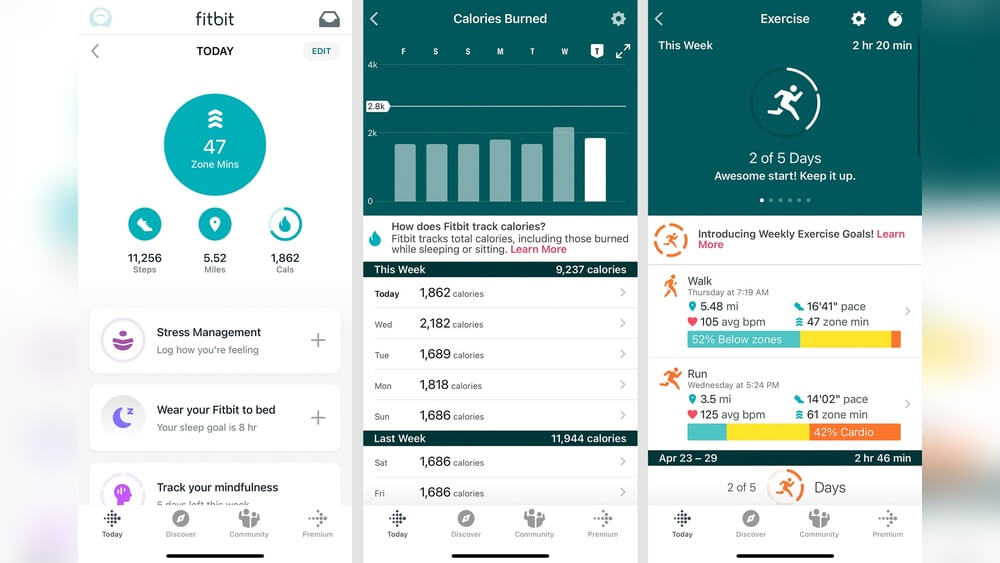
Ever wondered how your fitness tracker comes up with the number of calories you’ve burned? You strap it on, go about your day, and it shows you a calorie count that seems to capture your effort.
But what’s really happening behind the scenes? Understanding how these devices measure calories can help you use them smarter, avoid frustration, and get closer to your fitness goals. You’ll discover the science and technology behind calorie tracking, why the numbers aren’t always spot-on, and how you can make the most of your tracker’s data to stay motivated and informed.
Ready to unlock the truth about your fitness tracker’s calorie count? Let’s dive in.
How Trackers Estimate Calories
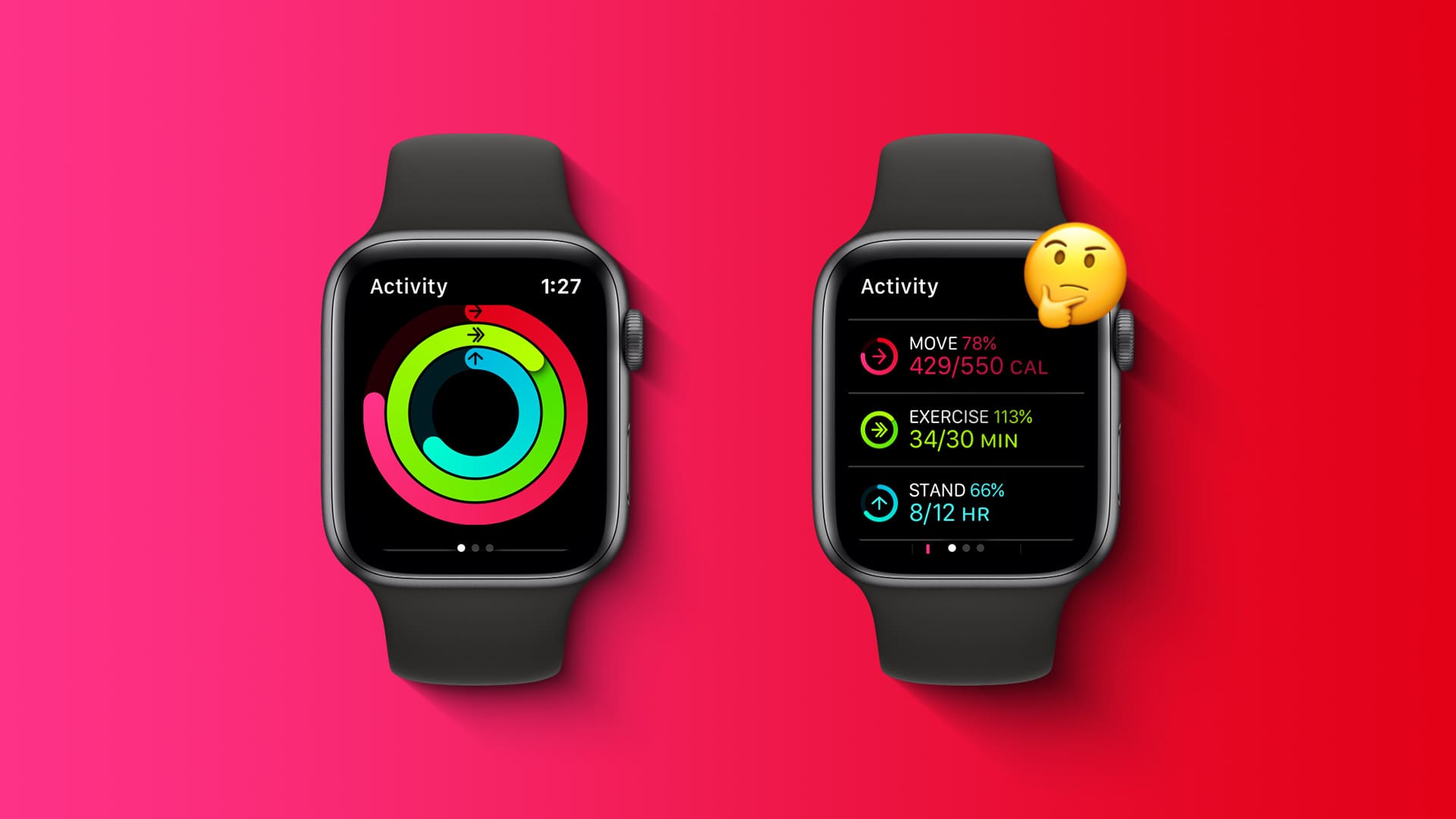
Fitness trackers estimate calories by combining data from several sensors and smart calculations. They do not measure calories directly but use signals from your body and movements. These estimates help you understand your activity level and energy use during the day.
Each tracker uses a mix of technology to guess how many calories you burn. This section explains the main tools they use to make these estimates.
Role Of Accelerometers
Accelerometers detect your movement and speed. They track steps, distance, and the intensity of activity. This data shows how active you are during the day. The more movement recorded, the higher the estimated calorie burn.
These sensors work by measuring changes in motion across different directions. They help distinguish walking, running, or resting. This information is key to estimating calories from physical activity.
Heart Rate Monitoring
Heart rate sensors track how fast your heart beats. A faster heart rate often means you burn more calories. The tracker uses this data to adjust calorie estimates based on your effort level.
By measuring heart rate continuously, the device can estimate calories burned during rest and exercise. This method improves accuracy compared to using movement data alone.
Algorithm Basics
Algorithms process the data from accelerometers and heart rate sensors. They use your personal info like age, weight, and gender. This helps tailor calorie estimates to your body.
The algorithm applies formulas to combine sensor data into a calorie count. It accounts for activity type, intensity, and duration. These calculations produce an educated guess of your calorie burn.
While not perfect, these algorithms improve with more data and smart updates from manufacturers. They turn raw sensor signals into useful information for your fitness goals.
Credit: ptashka.bar
Factors Affecting Accuracy
Fitness trackers use sensors and algorithms to estimate calories burned. Their accuracy depends on several key factors. Understanding these can help you better interpret the data from your device.
Individual Differences
Each person has a unique body and metabolism. Trackers use general formulas based on age, weight, and gender. They cannot perfectly match your personal traits. This leads to differences in calorie estimates.
Fitness level and muscle mass also affect calorie burn. A more muscular person may burn more calories but trackers may not account for this well. Metabolic rate varies too, influencing the results.
Activity Type Challenges
Trackers measure cardio activities like running and cycling better. Heart rate data helps estimate calories during steady exercises. They struggle with strength training and varied movements.
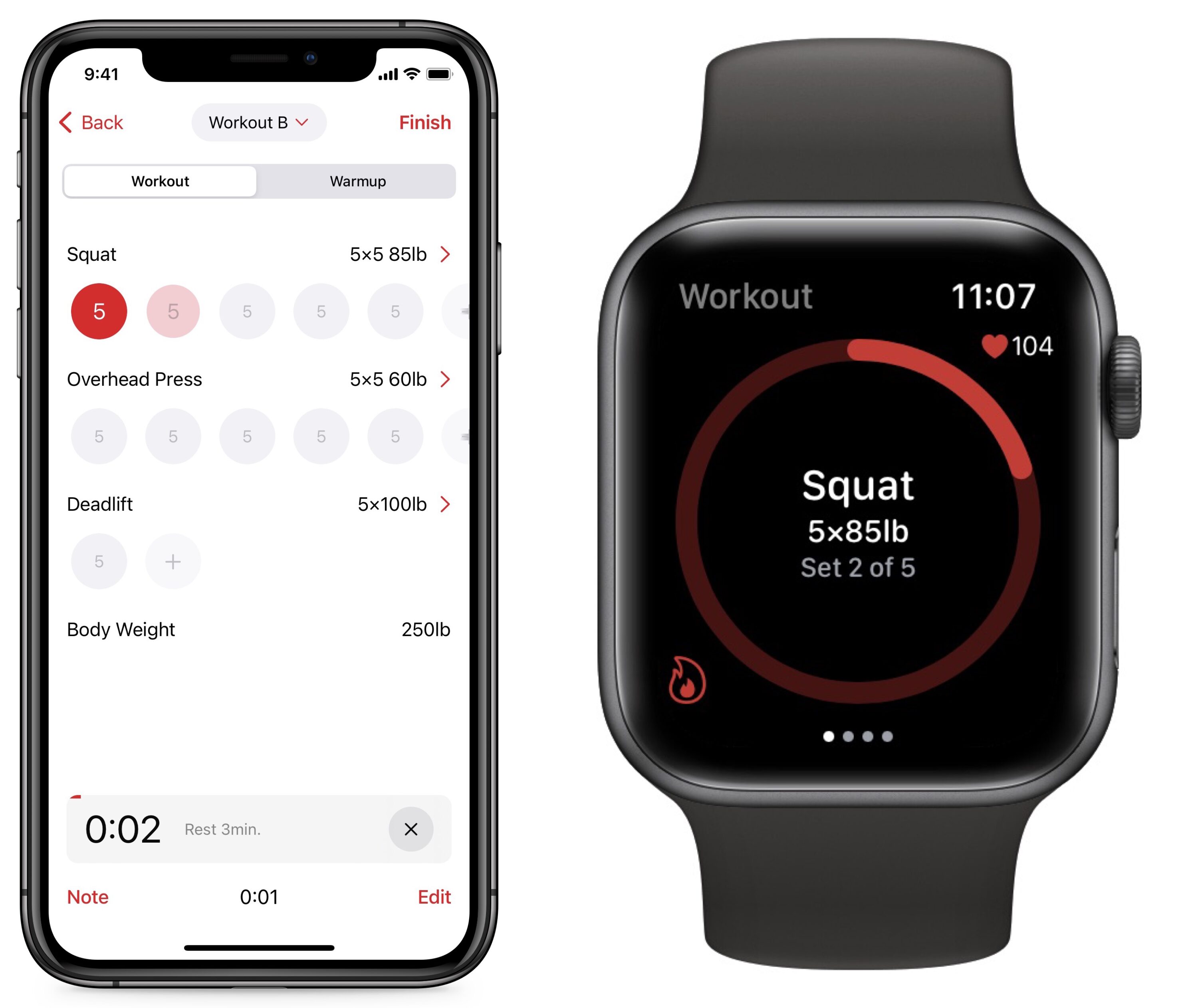
Activities like weight lifting, yoga, or circuit training involve complex motions. Trackers may confuse these or miss subtle movements. This causes inaccurate calorie counts for such workouts.
Environmental Influences
External factors affect calorie burn but are hard to measure. Terrain type, like uphill or flat ground, changes effort levels. Temperature and weather conditions also impact your energy use.
Trackers usually lack sensors to detect these conditions. They cannot adjust calorie estimates based on environment. This can lead to under or overestimation of calories burned.
Algorithm Limitations
Fitness trackers rely on pre-set algorithms to calculate calories. These formulas use sensor data like heart rate and movement. Algorithms are based on averages, not individual specifics.
They may misinterpret some activities or confuse similar motions. Algorithms cannot perfectly guess your true calorie burn. Updates improve accuracy but limits remain.
Common Accuracy Issues
Fitness trackers use sensors and algorithms to estimate calories burned. Despite advances, common accuracy issues affect their readings. Understanding these helps users interpret the data better. Several factors cause errors in calorie measurement.
Overestimation And Underestimation
Trackers sometimes show more calories burned than actual. This overestimation happens during light activities or when heart rate spikes for reasons other than exercise. Underestimation occurs in strength training or activities with little wrist movement. These errors can mislead users about their true calorie burn.
Misinterpretation Of Movements
Trackers rely on motion sensors to detect activity. They may confuse non-exercise movements with workout actions. For example, typing or cooking can be counted as steps or calories burned. This misinterpretation causes inflated numbers. Conversely, some real exercise motions may go unnoticed if they lack typical patterns.
Variability Among Devices
Different brands use unique sensors and algorithms. Some use heart rate monitors, others rely on motion alone. This causes wide differences in calorie counts for the same activity. Device quality, placement, and user settings also affect results. Comparing data across devices can be unreliable due to this variability.
:max_bytes(150000):strip_icc()/how-does-fitbit-calculate-calories-01-5fba00a0504f4f7aaf14fa4ce91678c8.jpg)
Credit: www.imtsolution.vn
What Trackers Do Well
Fitness trackers may not count calories perfectly, but they do many things well. They help users understand their activity and health better. These devices offer useful insights beyond just calorie numbers. Here are some key strengths of fitness trackers.
Tracking Trends Over Time
Fitness trackers collect data every day. This helps users see patterns in their activity. Over weeks and months, trends become clear. Users can notice if they move more or less. This information motivates steady improvement. It shows progress even if calorie counts vary.
Monitoring Heart Rate Changes
One strong feature is continuous heart rate monitoring. Heart rate data reflects exercise intensity well. Trackers alert users to changes during workouts. This helps gauge how hard the body works. It also shows recovery speed after activity. Heart rate trends reveal fitness improvements over time.
Encouraging Consistent Activity
Trackers send reminders to move regularly. These prompts reduce long periods of inactivity. Users feel encouraged to reach daily goals. This builds healthy habits with steady effort. The sense of achievement keeps motivation high. Consistency matters more than perfect calorie counts.
Using Trackers Effectively
Using fitness trackers effectively means understanding their limits and making the most of the data they provide. These devices offer useful insights but do not deliver exact calorie counts. Users should focus on how the numbers relate to their effort and overall health. Pairing tracker data with other tools and paying attention to bodily signals can improve fitness results. This approach helps create a balanced view of activity and energy use.
Focus On Relative Effort
Use the calorie numbers as a rough guide, not absolute truth. Notice how your body feels during exercise compared to the tracker’s reading. If the device shows high calories burned but you feel tired, the effort was real. If the numbers are low but you feel exhausted, you likely worked harder than shown. Tracking relative effort helps adjust workouts to your real fitness level.
Combine With Food Tracking
Calories burned alone do not tell the whole story. Logging food intake alongside activity helps balance calories in versus calories out. This combination supports weight management and energy control. Food tracking apps paired with fitness trackers provide a clearer picture of daily energy flow. It also helps spot patterns and make healthier choices.
Listen To Your Body
Fitness trackers miss many personal factors like stress, sleep, and hunger. Your body gives signals that numbers cannot show. Pay attention to energy levels, soreness, and mood changes. Rest when needed and push when you feel strong. Using your body’s feedback alongside the tracker ensures safer, more effective workouts. It creates a mindful fitness routine that adapts to your needs.
Calorie Deficit And Weight Loss
Calorie deficit plays a key role in weight loss. It happens when the body uses more energy than consumed. Fitness trackers estimate calories burned to help manage this balance. Understanding calorie deficit helps users interpret tracker data better. It also guides healthier eating and exercise choices.
Basics Of Calorie Deficit
A calorie deficit means burning more calories than eaten. This forces the body to use stored fat for energy. Losing weight requires maintaining a calorie deficit over time. Fitness trackers estimate calories burned through heart rate and movement. The estimated calorie burn helps users plan meals and workouts.
Importance Of Basal Metabolic Rate
Basal Metabolic Rate (BMR) is the calories the body burns at rest. It keeps vital functions like breathing and circulation going. BMR accounts for most daily calorie use. Fitness trackers often use BMR to calculate total calorie burn. Knowing BMR helps in setting realistic weight loss goals.
Individual Variation In Metabolism
Metabolism varies from person to person. Age, weight, genetics, and activity level affect calorie burn. Fitness trackers use general formulas that may not fit everyone. This causes differences in calorie estimates. Understanding this variation helps users avoid relying solely on tracker numbers.
Improving Your Calorie Tracking
Improving your calorie tracking helps make fitness trackers more useful. Basic calorie counts can be off due to many factors. Enhancing accuracy takes effort and smart strategies. Focus on personalizing your tracking for better results. This approach supports healthier habits and realistic goals.
Calculate Personal Needs
Start by knowing your daily calorie needs. Use online calculators that ask for age, weight, and height. These tools estimate how many calories your body burns at rest. Adjust for activity level to get a clearer picture. Fitness trackers alone cannot predict this for you. Personal data helps make calorie counts more relevant.
Consult Health Professionals
Talk to doctors or dietitians about your calorie goals. They offer advice tailored to your health and lifestyle. Professionals can spot issues that apps or trackers miss. They also help set safe and achievable targets. Their guidance improves your calorie tracking accuracy and safety.
Avoid Unsustainable Practices
Ignore extreme diets or over-exercising to burn calories fast. These methods harm your body and can cause burnout. Focus on steady progress through balanced eating and regular activity. Sustainable habits support long-term calorie control. Fitness trackers work best with realistic and healthy routines.
Credit: vicentetorns.com
Frequently Asked Questions
How Accurate Are Fitness Trackers For Calories Burned?
Fitness trackers estimate calories burned using algorithms and sensors but often lack precision. Accuracy varies by activity type and individual factors. They track heart rate well but struggle with strength training and unique metabolism. Use calorie data as a general guide, focusing on trends rather than exact numbers.
How Does A Fitness Tracker Calculate Calories?
Fitness trackers use accelerometers and heart rate data to estimate calories burned. They apply algorithms based on activity, age, weight, and metabolism. These estimates vary by exercise type and individual differences, so treat calorie counts as approximate, not exact.
Will I Lose Weight If I Eat 1200 Calories And Burn 500 Calories?
Yes, eating 1200 calories and burning 500 creates a calorie deficit, likely causing weight loss. Maintain balance for health.
How Many Calories Do 10,000 Steps Burn?
Walking 10,000 steps burns roughly 300 to 500 calories. The exact amount varies by weight, speed, and metabolism.
Conclusion
Fitness trackers give an estimate of calories burned, not an exact number. They use heart rate, movement, and personal data to make calculations. Different activities and body types affect their accuracy. Use the calorie count as a rough guide, not a fact.
Watch your overall trends to see progress over time. Combining tracker data with how you feel and what you eat helps balance your fitness plan. Remember, these devices support your journey but do not replace personal awareness. Stay active and listen to your body for the best results.

“As the voice behind Radiant Glow Health, we are dedicated to being your ultimate wellness and vitality companion. Our mission is to inspire and guide you on your journey to a healthier and more vibrant life. Join us as we explore holistic health practices and empower you to radiate wellness from within.”