
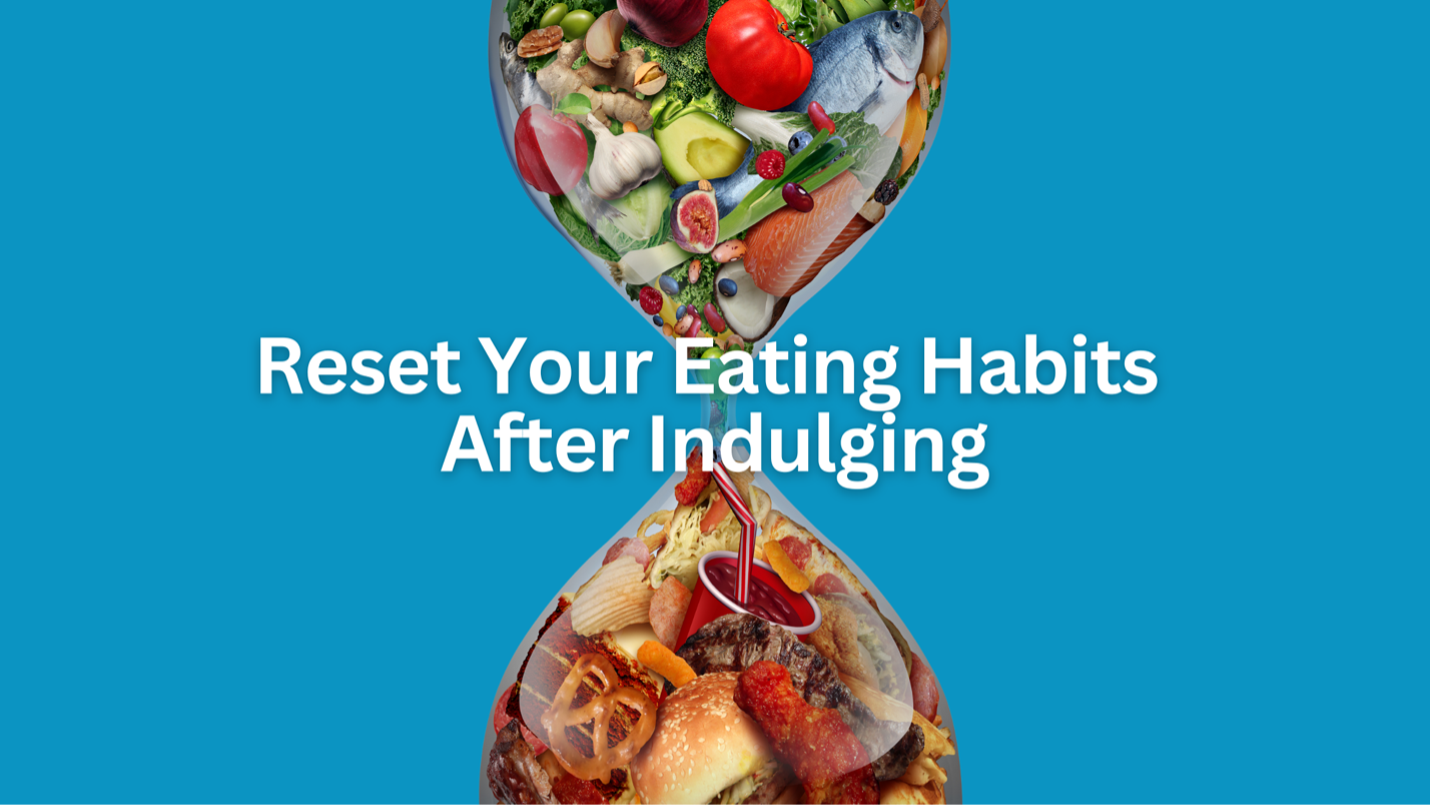
Are you ready to take control and reset your eating habits for good? Changing the way you eat doesn’t have to be complicated or overwhelming.
By making small, smart adjustments, you can replace unhealthy patterns with habits that nourish your body and mind. Imagine feeling more energized, satisfied, and confident in your food choices every day. You’ll discover practical steps to help you eat slowly, recognize true hunger, plan your meals ahead, and avoid common diet pitfalls.
Stick with us, and you’ll learn how to build a healthy, balanced routine that fits your lifestyle and supports lasting change. Your journey to better eating starts now.

Credit: ehe.health
Identify Unhealthy Habits
Identifying unhealthy eating habits is the first step to improving your diet. These habits often form without you noticing. They can affect your energy, mood, and overall health. Understanding what holds you back helps you make better choices. It also makes it easier to create lasting changes for a healthier life.
Common Diet Pitfalls
Many people fall into similar diet traps. Eating too fast leads to overeating. Relying on processed foods adds extra sugars and fats. Skipping meals can cause intense hunger and poor choices later. Drinking sugary drinks adds calories without nutrition. Eating out often means less control over ingredients and portions.
Another common pitfall is ignoring portion sizes. Large portions can hide how much you actually eat. Mindless snacking, especially on junk food, adds unneeded calories. These pitfalls can slow down your progress and harm your health.
Triggers And Distractions
Certain triggers make unhealthy eating more likely. Stress, boredom, and tiredness often lead to extra snacking. Watching TV or using phones while eating causes distraction. This makes you eat without realizing how much. Social gatherings may encourage overeating or choosing unhealthy options.
Recognizing these triggers can help you avoid them. Try to eat without distractions to focus on hunger signals. Find other ways to handle stress and boredom besides eating. Awareness of these habits gives you power to change them.
Choose Whole Foods
Choosing whole foods is a key step to reset your eating habits. Whole foods are natural and less processed. They provide essential nutrients your body needs. Eating whole foods helps improve energy and overall health. Start by adding more fresh ingredients to your meals. This change can make a big difference in how you feel daily.
Benefits Of Fruits And Vegetables
Fruits and vegetables are rich in vitamins, minerals, and fiber. They help your digestion and keep your immune system strong. Eating a variety of colors means you get different nutrients. These foods are low in calories but fill you up well. Including them in every meal supports weight control and reduces disease risk.
Lean Proteins And Whole Grains
Lean proteins like chicken, fish, and beans build muscle and repair tissues. Whole grains provide steady energy and keep blood sugar stable. Examples include brown rice, quinoa, and oats. They also contain fiber, which helps digestion. Choosing these foods over refined options aids in feeling full longer and improves heart health.
Limit Processed Foods And Sugary Drinks
Processed foods often contain added sugars, unhealthy fats, and salt. These ingredients can cause weight gain and increase disease risk. Sugary drinks add empty calories without nutrition. Cutting back helps balance your energy and mood. Choose water, herbal teas, or fresh juices instead to stay hydrated and healthy.
Plan Balanced Meals
Planning balanced meals is key to resetting your eating habits. Balanced meals provide the body with essential nutrients. They keep energy steady and hunger in check. Focus on combining different food groups for better health.
Each meal should include protein, healthy fats, and complex carbohydrates. This mix helps you feel full longer and supports body functions. Adding vegetables and fruits boosts vitamins and fiber intake.
Incorporate Protein, Healthy Fats, And Complex Carbs
Protein builds and repairs tissues. Include lean meats, beans, or tofu. Healthy fats support brain health. Use sources like avocados, nuts, and olive oil. Complex carbs provide slow energy. Choose whole grains, sweet potatoes, and legumes. Avoid refined sugars and white bread. This balance stabilizes blood sugar and reduces cravings.
Meal Prepping Tips
Prepare meals in advance to avoid unhealthy choices. Cook large batches and store portions in containers. Use fresh ingredients to keep meals tasty. Plan a variety of dishes to prevent boredom. Keep healthy snacks ready for quick hunger fixes. This saves time and supports consistent eating habits.
Managing Portion Sizes
Control portions to avoid overeating. Use smaller plates to trick your mind. Fill half the plate with vegetables. Allocate a quarter to protein and a quarter to carbs. Listen to your hunger signals and stop eating when full. Portion control helps maintain a healthy weight and improves digestion.

Credit: newsnetwork.mayoclinic.org
Practice Mindful Eating
Practicing mindful eating helps you reset your eating habits by focusing fully on the experience of eating. It teaches awareness of hunger and fullness signals. This practice encourages better food choices and improves digestion. Mindful eating creates a positive relationship with food and your body.
Eating Slowly
Eating slowly allows your brain to catch up with your stomach. It takes about 20 minutes for your body to signal fullness. When you eat too fast, you may eat more than needed. Chew each bite carefully and enjoy the flavors. Pause between bites to notice how you feel.
Recognizing True Hunger
True hunger feels gradual and grows over time. It is different from cravings or emotional eating urges. Ask yourself if your body needs food or if you want to eat out of habit. Drink water and wait 10 minutes to see if hunger returns. Eat only when you are genuinely hungry to avoid overeating.
Minimizing Distractions
Turn off screens and avoid multitasking while eating. Watching TV or using phones distracts you from hunger signals. Distractions lead to mindless eating and poor digestion. Create a calm eating space and focus on your meal. This helps you enjoy food and notice portion sizes better.
Stay Hydrated
Resetting your eating habits includes paying attention to hydration. Water plays a key role in how your body processes food and manages hunger. Drinking enough water can help control cravings and support digestion. Staying hydrated also boosts your energy and keeps your mind sharp.
Importance Of Water
Water makes up about 60% of the human body. It helps transport nutrients and oxygen to cells. Proper hydration supports your metabolism and aids in breaking down food. Drinking water before meals can reduce overeating. It also helps flush out toxins from your body. Without enough water, you may feel tired or hungry even when you are not. This can lead to eating more than needed.
Hydration Strategies Throughout The Day
Start your day with a glass of water to jumpstart hydration. Carry a water bottle to remind yourself to drink regularly. Sip water between meals rather than gulping it down all at once. Add slices of lemon or cucumber for flavor without extra calories. Drink water before, during, and after exercise to replace lost fluids. Avoid sugary drinks that can dehydrate you. Aim for at least eight glasses of water daily, but adjust based on your activity and weather.
Build Consistent Movement
Building consistent movement supports resetting your eating habits effectively. Physical activity helps regulate appetite and boosts metabolism. It also improves mood and energy levels, making healthy eating easier to maintain.
Regular movement creates a routine that supports mindful food choices. It reduces stress, which often triggers overeating. Small, steady efforts matter more than intense workouts.
Aim For Regular Physical Activity
Set a goal to be active most days of the week. Choose activities you enjoy to stay motivated. Walking, cycling, or swimming are great options. Even 20-30 minutes daily can make a difference.
Consistency beats intensity for lasting change. Try to move at a moderate pace so you can talk but not sing. This keeps your heart healthy and supports weight management.
Incorporate Gentle Exercises
Include gentle exercises like stretching or yoga to improve flexibility. These exercises reduce muscle tension and enhance relaxation. They can be done at home without special equipment.
Gentle movement also helps reduce cravings by calming the mind. It encourages body awareness, which supports better eating choices. Starting slow builds confidence and avoids injury.
Maintain Flexibility
Maintaining flexibility is key to successfully resetting your eating habits. Rigid rules often lead to frustration and giving up. Flexibility allows you to adapt your food choices without stress. It helps you stay consistent over time and enjoy the process.
Being flexible means understanding your unique needs and lifestyle. It also means tuning in to your body’s signals. These two ideas work together to create a healthy, balanced approach to eating.
Adjusting To Your Lifestyle
Eating habits must fit your daily routine. Consider your work hours, family time, and social activities. Choose meals and snacks that match your schedule. This makes it easier to stick to your plan.
Flexibility means allowing changes for busy days or special events. You do not need to be perfect every day. Small adjustments keep your eating habits realistic and sustainable.
Listening To Your Body
Your body gives clues about hunger and fullness. Pay attention to these signs. Eat when you feel hungry, and stop when you feel satisfied. This helps avoid overeating and supports good digestion.
Notice how different foods make you feel. Some may give you energy, while others cause discomfort. Use this information to guide your food choices. Listening to your body builds a healthier relationship with eating.
Avoid Common Pitfalls
Resetting your eating habits can be challenging. Many people fall into common traps that make change harder. Avoiding these pitfalls helps you stay on track and improve health. Focus on choices that support your body and mind over time.
Skip Extreme Diets And Cleanses
Extreme diets promise quick results but often cause harm. They can leave you feeling tired and weak. Cleanses may remove important nutrients your body needs. Such approaches do not teach healthy, lasting habits. Instead, they can lead to frustration and weight regain.
Choose balanced meals with a variety of foods. This supports energy and helps control hunger naturally. Avoid cutting out whole food groups unless advised by a doctor. Slow, steady changes create better health than drastic restrictions.
Focus On Sustainable Change
Sustainable change means making small, doable adjustments. This method fits your lifestyle and lasts longer. Try adding more vegetables or drinking extra water each day. Replace sugary snacks with fruits rather than removing all treats at once.
Set realistic goals that match your daily routine. Celebrate progress, even if it feels slow. Consistency matters more than perfection. Over time, these simple steps build strong, healthy eating habits that stick.
Credit: www.revanhealth.com
Frequently Asked Questions
How Can I Reset My Eating Habits?
Reset eating habits by planning balanced meals with whole foods, eating slowly, staying hydrated, and moving regularly. Avoid distractions while eating and listen to true hunger cues.
What Is The 90/10 Rule Of Eating?
The 90/10 rule of eating means choosing nutritious, whole foods 90% of the time and allowing treats 10% for balance. This approach supports healthy habits without strict restrictions.
What Are The 5 P’s You Shouldn’t Eat?
The 5 P’s to avoid are Pizza, Pasta, excessive Protein, Potatoes, and Pane (bread). These foods often contain refined carbs, unhealthy fats, and high starch, which can cause inflammation, blood sugar spikes, and promote chronic diseases. Choose whole, nutrient-rich foods instead.
What Is The 3-3-3 Rule For Losing Weight?
The 3-3-3 rule for losing weight means eating three balanced meals, drinking three glasses of water, and moving for three hours weekly. It simplifies habits to support consistent fat loss through nutrition, hydration, and physical activity. This approach builds a healthy, sustainable routine.
Conclusion
Resetting your eating habits takes time and patience. Start small and build healthy routines daily. Focus on real foods that nourish your body and mind. Drink water regularly to stay hydrated and feel full. Move your body moderately at least three hours each week.
Plan meals ahead to avoid unhealthy choices and distractions. Listen closely to your hunger cues before eating. These simple steps help create lasting change. Your health improves with each mindful choice you make. Keep going—small efforts add up to big results.

“As the voice behind Radiant Glow Health, we are dedicated to being your ultimate wellness and vitality companion. Our mission is to inspire and guide you on your journey to a healthier and more vibrant life. Join us as we explore holistic health practices and empower you to radiate wellness from within.”