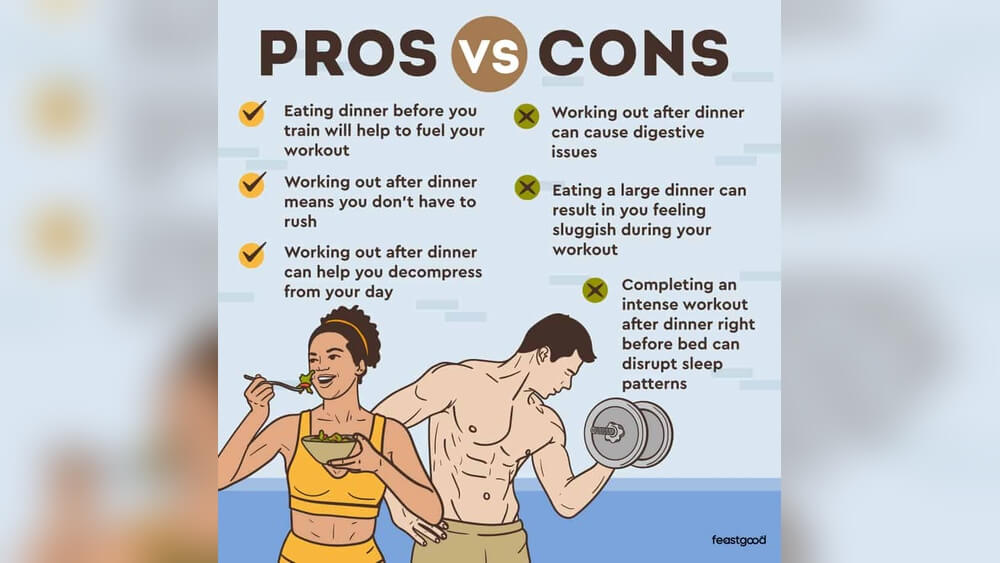
Have you ever wondered if jumping into a workout right after a meal is a good idea? Maybe you’ve felt that uncomfortable bloated or sluggish feeling when you exercise too soon after eating.
You’re not alone. Knowing when and how to exercise after eating can make a big difference in how your body performs and how you feel. You’ll discover what really happens inside your body when you work out after a meal, the possible side effects to watch out for, and smart tips on how to time your exercise for the best results.
Keep reading to find out how to avoid common pitfalls and make your post-meal activity work for you—not against you.
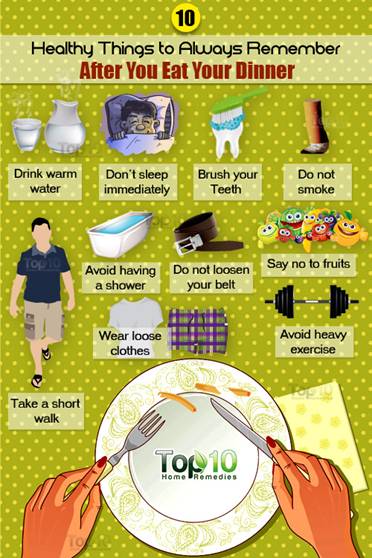
Credit: www.ekachaihospital.com
Exercise And Digestion
Exercise affects digestion in important ways. Understanding this helps decide when to work out after meals. Digestion needs blood flow to the stomach and intestines. Exercise also needs blood flow to muscles. Both cannot get full blood supply at the same time.
Blood Flow Competition
After eating, the body sends more blood to the stomach. This helps break down food and absorb nutrients. Exercise pulls blood toward the muscles to support movement. The two systems compete for blood. This can slow digestion or reduce exercise efficiency. The body struggles to supply enough blood to both areas. This may cause discomfort or weaker performance during exercise.
Common Digestive Issues
Exercising too soon after eating can cause cramps and bloating. Some people feel nausea or acid reflux. Gas and indigestion are common problems too. These issues happen because digestion is interrupted. The stomach may not empty properly. Vomiting can occur in severe cases. Feeling sluggish is another sign. Energy goes to digestion, leaving less for muscles. This leads to poor exercise results and discomfort.
Side Effects Of Post-meal Exercise
Exercising right after a meal can cause unwanted side effects. The body focuses on digestion, which may conflict with physical activity. This can lead to discomfort and affect how you feel during your workout. Understanding these side effects helps you choose the right time to exercise after eating.
Cramps And Bloating
After eating, blood moves to the stomach to help digestion. Exercising pulls blood to the muscles instead. This conflict can cause cramps and bloating. These feelings make it hard to continue your workout.
Nausea And Acid Reflux
Moving too soon after a meal can upset your stomach. Nausea may appear, making exercise unpleasant. Acid reflux can also occur, causing heartburn and discomfort. These symptoms reduce the desire to stay active.
Sluggishness And Low Energy
The body uses energy to digest food. Exercising right away can make you feel tired or sluggish. Low energy reduces motivation and workout quality. Resting allows digestion to finish and energy to return.
Impact On Performance
Blood flow divides between digestion and muscles. This reduces oxygen supply to muscles. The result is weaker strength and slower speed. Performance drops when exercising immediately after eating.
Benefits Of Light Activity After Eating
Light activity after eating offers several health benefits. It supports digestion and helps the body use nutrients more effectively. Gentle movements like walking or stretching can improve overall well-being without causing discomfort. This practice is easy to add to daily routines and suits people of all ages.
Blood Sugar Regulation
Light activity helps the body manage blood sugar levels after meals. Walking or gentle movement encourages muscles to use glucose for energy. This process lowers blood sugar spikes that occur after eating. Stable blood sugar reduces the risk of feeling tired or sluggish. It also supports better energy throughout the day.
Preventing Diabetes Complications
Regular light activity after meals reduces risks linked to diabetes. It helps keep blood sugar in a healthy range. This lowers the chance of long-term problems like nerve damage and heart disease. Simple activities are safe and effective for people with or at risk of diabetes. Consistent movement after eating aids in managing the condition well.

Credit: www.dmoose.com
Ideal Timing For Exercise After Meals
Knowing the right time to exercise after eating helps avoid discomfort and boosts workout results. Exercising too soon can cause cramps and nausea. Waiting too long might reduce energy for your session. Finding the ideal timing balances digestion and physical activity.
Waiting Period Recommendations
Doctors suggest waiting at least 30 minutes after a small meal before exercising. For larger meals, wait 1 to 2 hours to allow digestion. Light activities like walking can start sooner, around 10 to 15 minutes post-meal. Heavy workouts require a longer wait to prevent cramps and sluggishness.
Factors Influencing Timing
Meal size matters: bigger meals need more digestion time. Meal type also affects timing; fatty or protein-rich foods take longer to digest. Your fitness level plays a role—experienced athletes may handle exercise sooner. The intensity of exercise matters; intense workouts require longer waiting periods. Personal comfort and past experiences guide the best timing for you.
Best Activities Post-meal
Choosing the right activity after a meal supports digestion and comfort. Gentle movements help your body process food better. Heavy exercise can cause discomfort and slow digestion. Light activities increase blood flow without stressing your stomach.
Here are two of the best activities to try after eating. Both are easy and effective for most people.
Walking
Walking is a simple and safe way to move after eating. A slow to moderate pace helps digestion and reduces bloating. Walking for 10 to 30 minutes can lower blood sugar levels. It also prevents that heavy, sluggish feeling many get after meals. Avoid fast or intense walking, as it may cause discomfort.
Stretching And Yoga
Gentle stretching and yoga poses relax your muscles and improve digestion. Focus on slow, deep breaths and mild stretches. Avoid poses that compress your stomach or require intense effort. Yoga helps reduce bloating and aids in calming your mind. Try simple poses like seated twists or child’s pose for best results.
Nutrition Tips For Exercise Timing
Nutrition plays a key role in when and how you exercise after eating. Proper timing helps your body use energy well. It prevents discomfort and improves workout results. Understanding what to eat and when supports better fitness and health.
Choosing the right foods before exercise keeps you energized. Avoiding certain foods stops issues like cramps and tiredness. Small changes in your eating habits can make a big difference.
Choosing Balanced Snacks
Pick snacks with a good mix of carbs, protein, and healthy fats. Carbs give quick energy. Protein helps muscles recover and stay strong. Healthy fats keep you full and support long exercise sessions. Examples include yogurt with fruit, a banana with peanut butter, or a small handful of nuts and seeds.
Eat these snacks about 30 to 60 minutes before your workout. This timing gives your body fuel without feeling heavy. Avoid large meals right before exercise to stay comfortable.
Avoiding Heavy Or Sugary Foods
Heavy meals slow digestion and can cause stomach pain during exercise. Foods high in fat or fried items take longer to digest. Sugary foods cause quick energy spikes and then drops, leading to tiredness. Soda, candy, and pastries fall into this category.
Stay away from these foods at least one to two hours before exercise. Choose lighter, nutrient-rich options to keep energy steady. This helps you feel better and perform well during your workout.
Exercising Before Dinner
Exercising before dinner can affect your energy and digestion. Many people choose this time to work out. It helps them stay active without feeling too full. Timing your exercise before eating might improve how your body uses energy. Understanding the benefits and drawbacks helps you decide what fits your routine.
This approach can boost metabolism and prepare your body for the meal ahead. Knowing what happens inside your body can guide your exercise choices. Let’s explore the effects on energy use and the pros and cons of working out before dinner.
Energy Use And Metabolism
Exercising before dinner uses stored energy from earlier meals. Your body burns fat and carbohydrates for fuel. This can increase your metabolism and help burn calories. Physical activity raises your heart rate and body temperature. Your metabolism stays higher even after the workout. This means you continue to burn calories while resting.
When you exercise before eating, your muscles get ready to absorb nutrients. This can improve how your body processes food. It also helps stabilize blood sugar levels. Your body becomes more efficient at using energy. This can support weight management and overall health.
Pros And Cons
Exercising before dinner has clear advantages. It boosts metabolism and helps reduce stress. You may feel more relaxed and sleep better. It can also improve appetite control, so you eat just enough at dinner. Many find this timing fits their daily schedule well.
On the downside, working out too close to dinner may cause hunger or fatigue. Some people feel weak or dizzy if they exercise on an empty stomach. It can also lower workout performance if your energy is low. Choosing the right type and intensity of exercise is important.
Light to moderate exercise works best before dinner. Avoid heavy lifting or intense cardio without a small snack. Listening to your body can help prevent discomfort. Balancing activity and food intake leads to better results.

Credit: burnlab.co
Frequently Asked Questions
What Happens If We Exercise After Eating?
Exercising right after eating can cause cramps, bloating, nausea, and acid reflux due to blood flow competition. It may also cause sluggishness and reduce performance. Light activities like walking help control blood sugar without discomfort. Wait 30-60 minutes after a meal for intense exercise.
Is It Better To Workout Before Or After Dinner?
Exercising before dinner boosts energy and performance. Light activity after eating aids digestion but avoid intense workouts to prevent discomfort. Wait 1-2 hours after eating for optimal exercise results.
Is It Better To Workout On An Empty Stomach Or A Full Stomach?
Exercising on an empty stomach may boost fat burn but can reduce energy. Working out after a full meal may cause discomfort. Wait 1-2 hours after eating for optimal performance and digestion. Light activities like walking post-meal aid blood sugar control without digestive issues.
Is It Better To Rest Or Exercise After A Meal?
Resting after a meal aids digestion and prevents discomfort. Light activities like walking help control blood sugar. Avoid intense exercise immediately after eating to prevent cramps and sluggishness. Wait 1-2 hours before heavy workouts for best performance and comfort.
Conclusion
Exercising right after eating can cause discomfort and slow you down. Light activities like walking help control blood sugar and aid digestion. Heavy exercise should wait at least 30 minutes to one hour after meals. Choose gentle movements if you feel the need to move soon after eating.
Listen to your body and find what works best for you. Staying mindful ensures better workouts and overall health.

“As the voice behind Radiant Glow Health, we are dedicated to being your ultimate wellness and vitality companion. Our mission is to inspire and guide you on your journey to a healthier and more vibrant life. Join us as we explore holistic health practices and empower you to radiate wellness from within.”