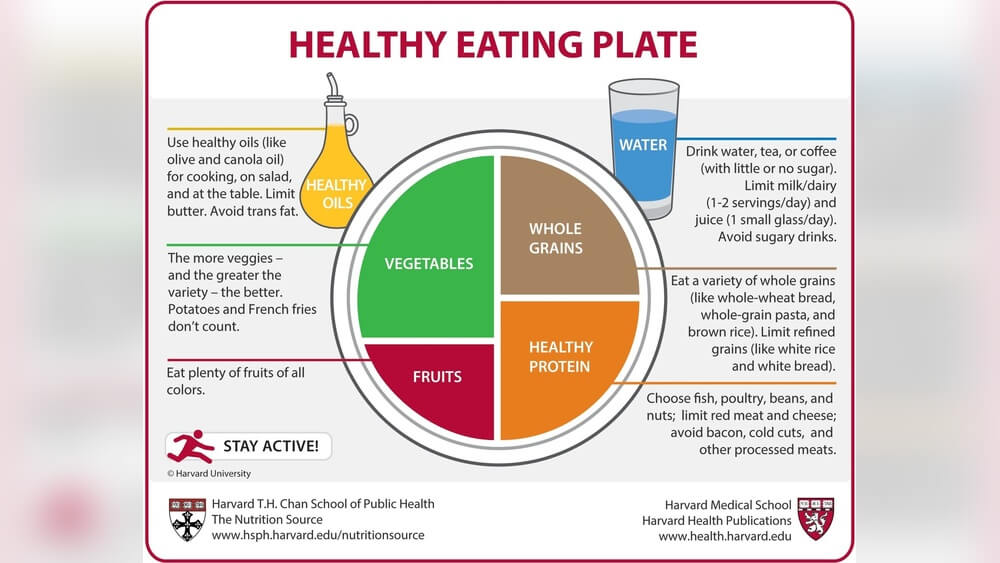
What does a nutritious diet really look like for you? It’s not just about eating salads or cutting out your favorite treats.
A truly healthy diet is about balance, variety, and giving your body exactly what it needs to feel its best every day. Imagine having more energy, better focus, and a stronger immune system just by making simple changes to what’s on your plate.
Curious to know how to build a diet that supports your health without feeling overwhelming? Keep reading, because understanding the key elements of a nutritious diet can transform the way you eat—and how you live.
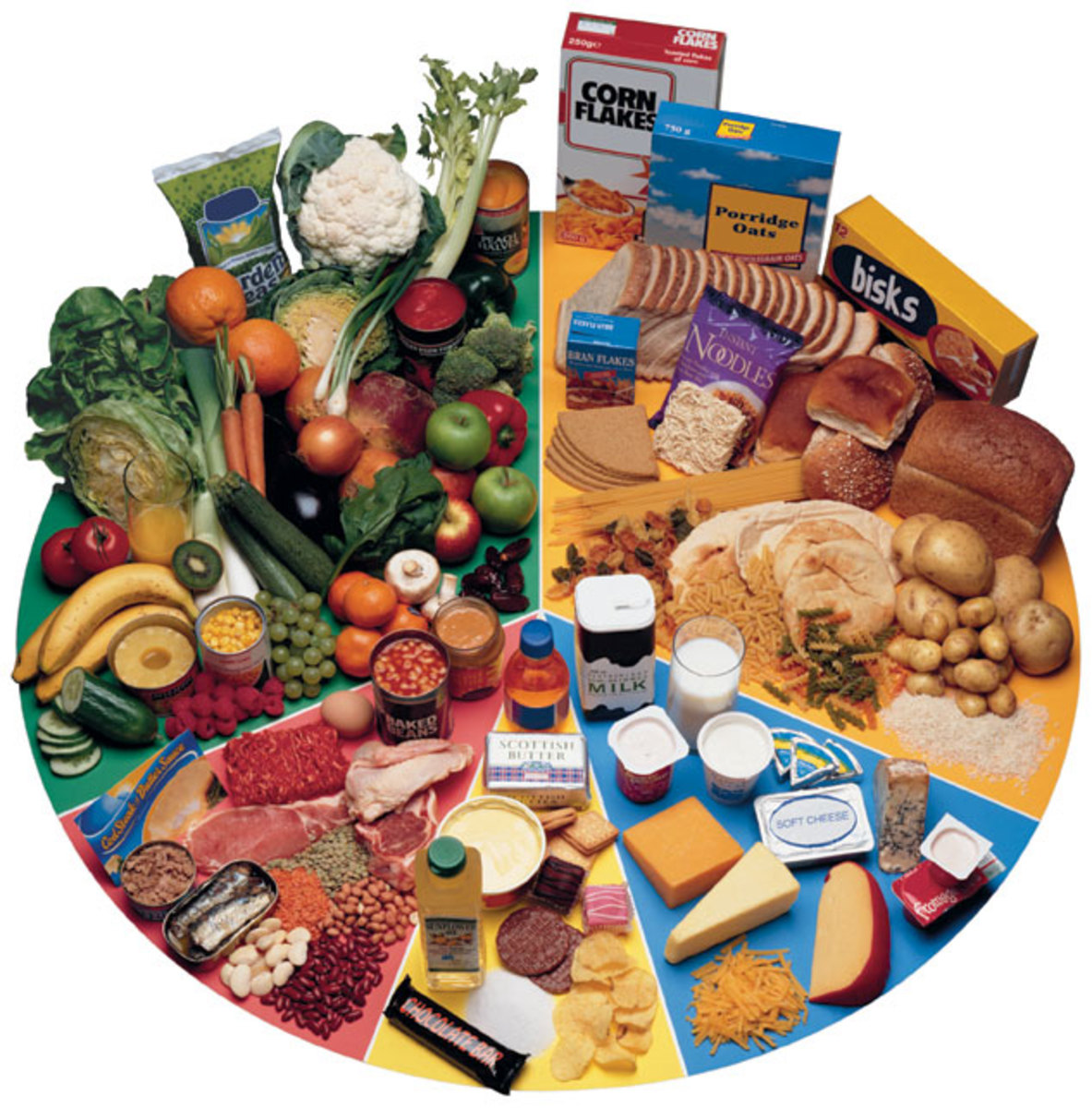
Credit: discover.hubpages.com
Key Traits Of A Nutritious Diet
A nutritious diet has clear key traits. These traits help the body get what it needs. They support good health and energy. Understanding these traits guides better food choices every day.
Adequacy Of Nutrients
Adequacy means eating enough nutrients to meet your body’s needs. This includes vitamins, minerals, protein, fats, and carbohydrates. A diet with adequacy provides all essential nutrients in proper amounts. It supports growth, repair, and daily functions.
Balance Across Food Groups
Balance means not eating too much of one food group. Include fruits, vegetables, grains, protein, and dairy in meals. Each group offers unique nutrients. A balanced diet ensures no single food group dominates your plate.
Calorie Control Basics
Calorie control matches the energy you eat with the energy you use. Eating too many calories causes weight gain. Eating too few can cause fatigue and nutrient loss. Controlling calories helps maintain a healthy weight and energy level.
Moderation In Unhealthy Components
Moderation means limiting foods high in sugar, salt, and unhealthy fats. These can harm your heart and cause other health problems. Enjoy these foods sometimes, but keep portions small. This supports long-term health and well-being.
Variety In Daily Foods
Variety means eating different foods from all food groups each day. This helps you get a wide range of nutrients. It also keeps meals interesting and tasty. A varied diet reduces the risk of nutrient gaps and boredom.
Essential Food Groups
A nutritious diet includes a variety of foods from key groups. Each group provides unique nutrients essential for health. Eating from all these groups supports energy, growth, and body repair. The right balance helps prevent illnesses and keeps the body strong.
Fruits And Vegetables
Fruits and vegetables are rich in vitamins and minerals. They contain fiber, which aids digestion and keeps you full. Brightly colored produce often has antioxidants that protect the body. Aim to fill half your plate with these fresh foods daily.
Whole Grains
Whole grains include brown rice, oats, and whole wheat. They offer more fiber and nutrients than refined grains. Fiber helps control blood sugar and supports heart health. Choose whole grains to keep energy steady throughout the day.
Lean Proteins
Lean proteins come from sources like chicken, fish, beans, and tofu. They build and repair muscles and tissues. Proteins also help keep you full longer. Select lean options to reduce unhealthy fat intake.
Dairy And Alternatives
Dairy products such as milk, yogurt, and cheese provide calcium. Calcium is vital for strong bones and teeth. For those who avoid dairy, fortified plant-based alternatives work well. Choose low-fat or fat-free versions to limit saturated fats.
Healthy Fats
Healthy fats come from nuts, seeds, avocados, and olive oil. These fats support brain function and heart health. They also help absorb fat-soluble vitamins. Use healthy fats in moderation as part of a balanced diet.
Foods To Limit
Knowing which foods to limit helps improve your diet quality. Some foods add extra calories without many nutrients. These can affect your health negatively over time.
Reducing these foods supports better energy levels and lowers disease risk. Focus on eating more whole, natural foods instead.
Added Sugars
Added sugars increase calorie intake with little nutrition. They are found in sweets, sodas, and many processed foods. High sugar intake can lead to weight gain and tooth decay. It may also raise the risk of diabetes and heart problems. Choose natural sweeteners or fresh fruit to satisfy sweet cravings.
Excess Salt
Too much salt can raise blood pressure. Most salt comes from processed and fast foods. High salt intake increases the risk of heart disease and stroke. Use herbs and spices to add flavor instead. Check food labels for sodium content and pick lower-salt options.
Saturated And Trans Fats
Saturated and trans fats harm heart health. They raise bad cholesterol levels in the blood. These fats are common in fried foods, baked goods, and fatty meats. Limit intake to protect your heart and arteries. Choose healthier fats like olive oil, nuts, and fish instead.
Practical Tips For Daily Eating
Eating well every day helps your body stay strong and healthy. Simple, practical tips make it easier to keep a nutritious diet. Small changes in daily habits lead to big benefits over time.
Focus on planning meals, controlling portions, and choosing healthy drinks. These steps support balanced nutrition and improve overall well-being.
Meal Planning Strategies
Plan meals ahead to avoid unhealthy choices. Include a variety of foods like fruits, vegetables, whole grains, and protein. Prepare meals in advance to save time and reduce stress. Use a grocery list to buy only what you need. Keep healthy snacks on hand to prevent cravings for junk food.
Portion Control Techniques
Use smaller plates to help control portion sizes. Eat slowly and stop when you feel full. Avoid eating straight from large packages. Measure servings using cups or scales when possible. Balance your plate with half vegetables, a quarter protein, and a quarter grains.
Hydration And Beverage Choices
Drink water throughout the day to stay hydrated. Limit sugary drinks like soda and fruit juices. Choose herbal teas or water infused with fruits for flavor. Avoid excessive caffeine, which can dehydrate you. Drinking enough fluids helps digestion and keeps energy levels steady.
Benefits Of A Nutritious Diet
A nutritious diet offers many benefits for both body and mind. Eating well helps maintain good health and supports daily activities. It fuels the body with essential nutrients, improving overall quality of life.
Choosing the right foods can make a big difference in how you feel each day. It also helps prevent many health problems in the future. Below are some key benefits of a nutritious diet.
Improved Energy And Mood
Eating balanced meals provides steady energy throughout the day. Nutrient-rich foods help the brain function better. This leads to clearer thinking and a more positive mood. Avoiding excess sugar and processed foods reduces energy crashes and irritability.
Weight Management
A nutritious diet supports healthy weight by controlling hunger and cravings. Whole foods like fruits, vegetables, and lean proteins keep you full longer. This helps avoid overeating and unhealthy snacking. Maintaining a healthy weight lowers stress on the body and improves self-confidence.
Reduced Risk Of Chronic Diseases
Healthy eating lowers the chance of diseases like diabetes, heart disease, and cancer. Nutrients such as antioxidants and fiber protect cells from damage. Eating less salt, sugar, and unhealthy fats keeps blood pressure and cholesterol in check. This supports long-term health and longevity.

Credit: kaynutrition.com
Common Myths About Healthy Eating
Many people believe in certain ideas about healthy eating that are not true. These myths can make it harder to follow a nutritious diet. Understanding the facts helps to create better eating habits. Clear knowledge about food supports good health and well-being.
Carbs And Weight Gain
Carbohydrates do not cause weight gain by themselves. They are a main source of energy for the body. Eating too many calories from any food, including carbs, can lead to weight gain. Choosing whole grains and fiber-rich carbs supports digestion and keeps you full longer.
Fats Are Always Bad
Not all fats are harmful. Healthy fats like those in nuts, seeds, and fish help the brain and heart. Trans fats and too much saturated fat can be harmful. Balance is key. Avoiding all fats can lead to missing important nutrients.
Skipping Meals Helps Lose Weight
Skipping meals can slow down metabolism and cause overeating later. Regular meals keep energy levels steady. Eating balanced meals helps control hunger and supports weight management. Missing meals often leads to poor food choices and low energy.
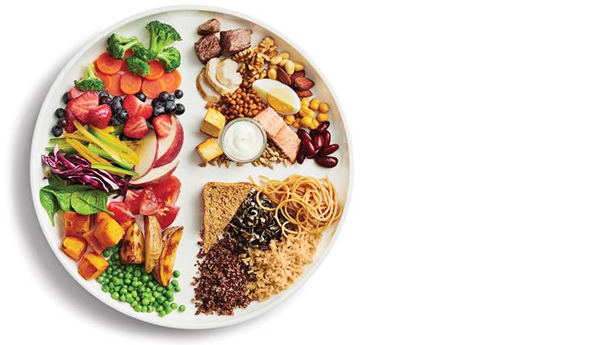
Credit: www.heartandstroke.ca
Frequently Asked Questions
What Is An Example Of A Nutritious Diet?
A nutritious diet includes fruits, vegetables, whole grains, lean proteins, and low-fat dairy. It limits sugar, salt, and unhealthy fats. Eating a variety of foods ensures balanced nutrients and supports overall health.
What Does A Nutritional Diet Look Like?
A nutritional diet includes diverse fruits, vegetables, whole grains, lean proteins, and low-fat dairy. It limits added sugars, salt, and unhealthy fats. Balancing calories with activity supports healthy weight. This variety ensures essential nutrients for energy, growth, and overall health.
What Does A Nutritious Diet Consist Of?
A nutritious diet includes fruits, vegetables, whole grains, lean proteins, and low-fat dairy. It balances calories, limits unhealthy fats, sugar, and salt, and ensures variety for essential nutrients.
What Are The 5 Characteristics Of A Nutritious Diet?
A nutritious diet has five key traits: adequacy, balance, calorie control, moderation, and variety. It ensures essential nutrients, proper energy, limited unhealthy components, and diverse foods from all groups for overall health.
Conclusion
A nutritious diet includes many types of foods in the right amounts. Eat plenty of fruits, vegetables, whole grains, and proteins. Limit foods high in sugar, salt, and unhealthy fats. Drink enough water every day to stay hydrated. Choose balanced meals that provide energy and essential nutrients.
Small changes in eating habits can improve health over time. Healthy eating supports your body and mind well. Simple, steady steps make good nutrition easier to follow. Keep variety and moderation in your daily food choices.

“As the voice behind Radiant Glow Health, we are dedicated to being your ultimate wellness and vitality companion. Our mission is to inspire and guide you on your journey to a healthier and more vibrant life. Join us as we explore holistic health practices and empower you to radiate wellness from within.”