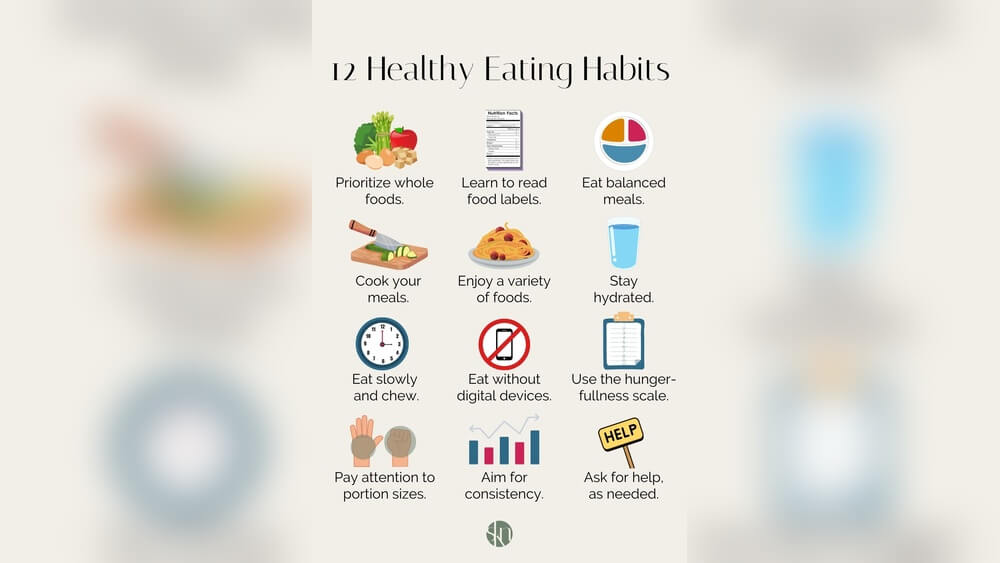
What’s good eating habits, really? It’s more than just choosing healthy foods—it’s about how you eat every day that shapes your energy, mood, and long-term health.
Imagine feeling more focused, having steady energy, and even managing your weight with simple changes you can start right now. This article will guide you through easy, practical steps to improve your eating habits without feeling overwhelmed or restricted. Ready to discover how small shifts can make a big difference in your life?
Let’s dive in and unlock the secrets to eating well in a way that fits your lifestyle.
Credit: akshayapatra.medium.com
Balanced Diet Essentials
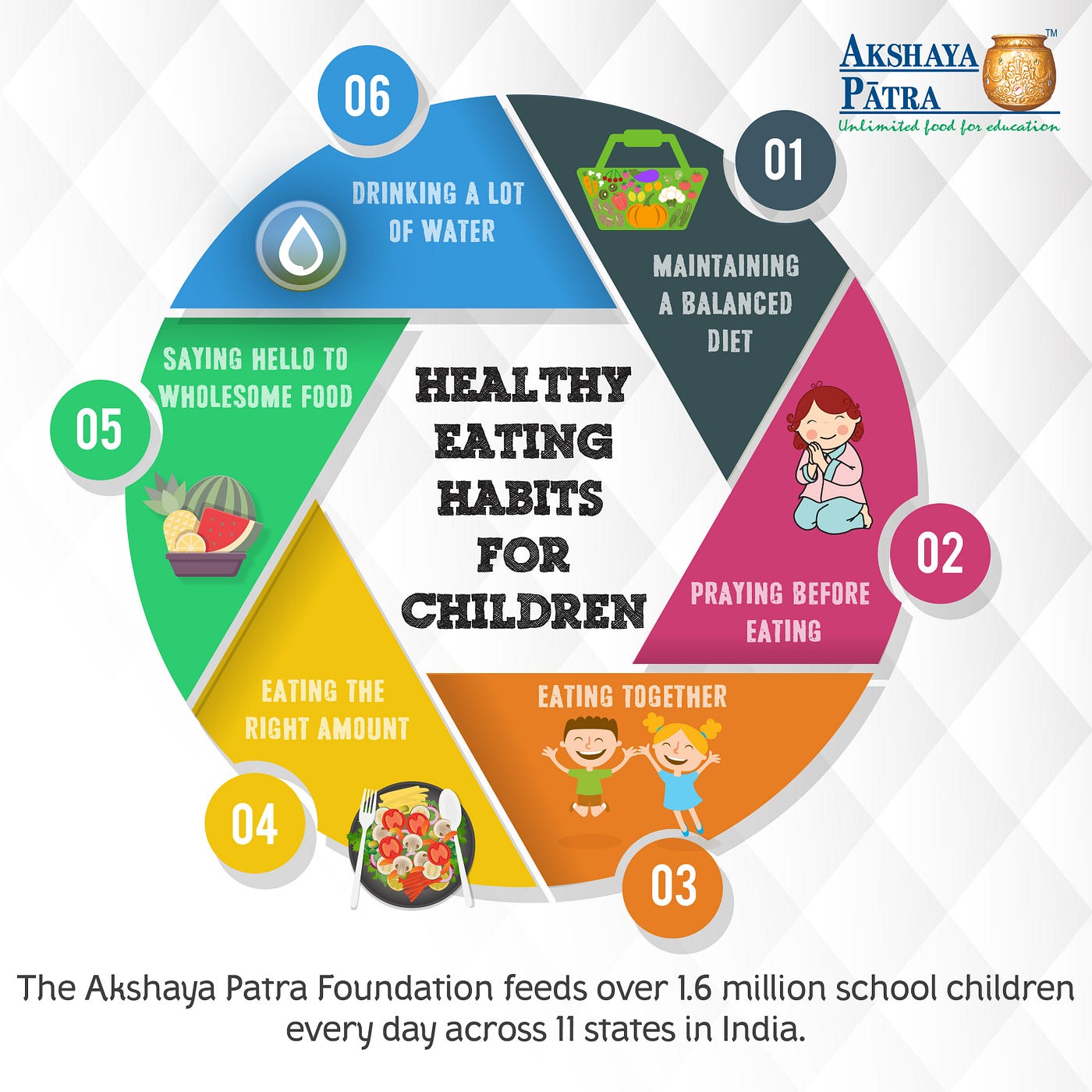
A balanced diet provides the body with all essential nutrients. It fuels energy and supports growth. Eating a variety of foods helps maintain good health and prevents illnesses. Focus on key food groups for a strong foundation.
Fruits And Vegetables
Fruits and vegetables supply vitamins, minerals, and fiber. They boost the immune system and improve digestion. Choose colorful produce like berries, carrots, and leafy greens. Fresh, frozen, or canned options all work well.
Whole Grains
Whole grains are rich in fiber and nutrients. They keep you full longer and support heart health. Examples include brown rice, whole wheat bread, and oats. Swap refined grains for whole grains for better nutrition.
Lean Proteins
Lean proteins help build and repair muscles. They support body functions and keep you energized. Good sources are fish, chicken, beans, and lentils. Limit red meat and avoid processed meats for better health.
Healthy Fats
Healthy fats protect your heart and brain. They provide essential fatty acids the body cannot make. Include avocados, nuts, seeds, and olive oil in meals. Avoid trans fats and reduce saturated fat intake.
Dairy And Alternatives
Dairy products supply calcium and vitamin D for strong bones. Choose low-fat milk, yogurt, or cheese for fewer calories. Fortified plant-based alternatives like soy or almond milk work well. Check labels for added sugars and nutrients.
Foods To Limit
Limiting certain foods helps improve overall health and well-being. These foods often contain ingredients that can harm the body if eaten too much. Reducing their intake supports weight control, heart health, and better energy levels.
Added Sugars
Added sugars hide in many snacks and drinks. Soda, candy, and sweetened cereals are common sources. Too much sugar raises the risk of obesity and diabetes. Choose fresh fruit or unsweetened options instead.
Excess Sodium
High sodium intake can increase blood pressure. Processed and fast foods often have too much salt. Use herbs and spices to add flavor without extra sodium. Cooking at home lets you control salt amounts.
Saturated And Trans Fats
Saturated fats come from butter, fatty meats, and cheese. Trans fats appear in some fried and baked goods. These fats raise bad cholesterol and harm the heart. Swap them for healthy fats like olive oil and nuts.
Processed Foods
Processed foods often contain unhealthy fats, sugars, and salt. They lack nutrients found in fresh produce. Eating whole foods supports better digestion and energy. Choose fresh vegetables, fruits, and lean proteins instead.
Portion Control Strategies
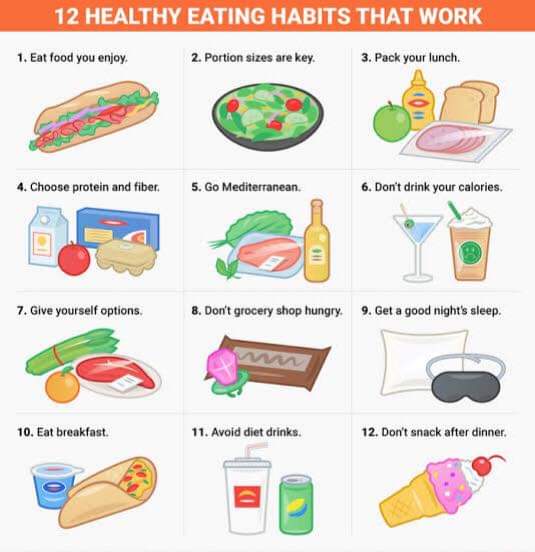
Portion control is a key part of good eating habits. It helps manage calorie intake and supports a healthy weight. Using portion control strategies can prevent overeating and make meals more satisfying. These strategies also help balance energy from food with what the body uses. Simple changes in portion sizes can have big health benefits over time.
Balancing Calories And Energy
Calories are the energy you get from food. Your body needs energy to work and move. Eating more calories than you burn leads to weight gain. Eating fewer calories than you use can cause weight loss. Portion control helps match calorie intake with your energy needs. This balance keeps your weight steady and your body healthy.
Serving Size Tips
Check food labels to see serving sizes. Use smaller plates and bowls to control portions visually. Fill half your plate with vegetables for a low-calorie, nutritious option. Measure snacks instead of eating from the package. Avoid eating straight from large containers to prevent overeating. These tips make portion control easier and more natural.
Credit: www.calmsage.com
Mindful Eating Practices
Mindful eating practices help create a healthy relationship with food. They focus on paying attention to the eating experience. This means noticing flavors, textures, and how your body feels during meals. Mindful eating can improve digestion and satisfaction from food. It also helps prevent overeating and supports good eating habits.
Recognizing Hunger And Fullness
Recognizing hunger and fullness signals is key to mindful eating. Eat when your body truly feels hungry. Stop eating when you feel comfortably full, not stuffed. This practice helps avoid eating out of boredom or stress. It also supports maintaining a healthy weight. Try to check in with your body before and during meals. Ask yourself if you are hungry or just eating out of habit.
Avoiding Distractions
Avoiding distractions during meals enhances mindful eating. Turn off the TV, phone, and computer while eating. Focus on the food’s taste, smell, and texture. This helps you enjoy your meal more and notice when you feel full. Eating without distractions reduces the chance of overeating. It also encourages better digestion and satisfaction. Create a calm environment for meals to support this habit.
Hydration Habits
Hydration is a key part of good eating habits. Drinking enough fluids helps the body work well. Water supports digestion, keeps skin healthy, and boosts energy. Healthy hydration habits mean choosing the right drinks and drinking enough every day.
Choosing Water Over Sugary Drinks
Water is the best choice for hydration. Sugary drinks add extra calories and can cause weight gain. Soda, fruit juices, and energy drinks often contain high sugar levels. Drinking water instead reduces the risk of diabetes and heart problems. It also helps keep your teeth healthy. Try to replace sweet drinks with plain water or water infused with fruit slices for taste.
Daily Water Intake Goals
Adults should aim for about eight glasses of water daily. This amount can vary with age, activity, and weather. Drinking water regularly throughout the day keeps the body hydrated. Start your day with a glass of water. Carry a water bottle to remind yourself to drink often. Signs of good hydration include light-colored urine and feeling alert. Drinking enough water supports digestion and overall health.
Meal Planning And Preparation
Meal planning and preparation form the foundation of good eating habits. Planning meals ahead saves time and helps make healthier choices. It reduces stress and limits the chance of grabbing unhealthy food. Preparing meals at home lets you control ingredients and portion sizes. This approach supports balanced nutrition and prevents overeating.
Cooking At Home
Cooking at home allows you to choose fresh, whole ingredients. It reduces the intake of added sugars, salt, and unhealthy fats. Home-cooked meals often contain more vegetables and lean proteins. You can adjust recipes to fit your taste and dietary needs. Cooking also helps improve your cooking skills over time.
Creating Healthy Snack Lists
Healthy snacks keep energy levels steady between meals. Prepare a list of snacks with fruits, nuts, and yogurt. Avoid snacks high in sugar and salt. Having a go-to list helps prevent reaching for junk food. Keep snacks portion-controlled to avoid overeating.
Reading Nutrition Labels
Nutrition labels provide important information about food contents. Check for calories, sugar, sodium, and fat amounts. Look for items with lower added sugars and sodium. Compare similar products to choose the healthier option. Understanding labels helps make informed food choices.
Building Consistent Habits
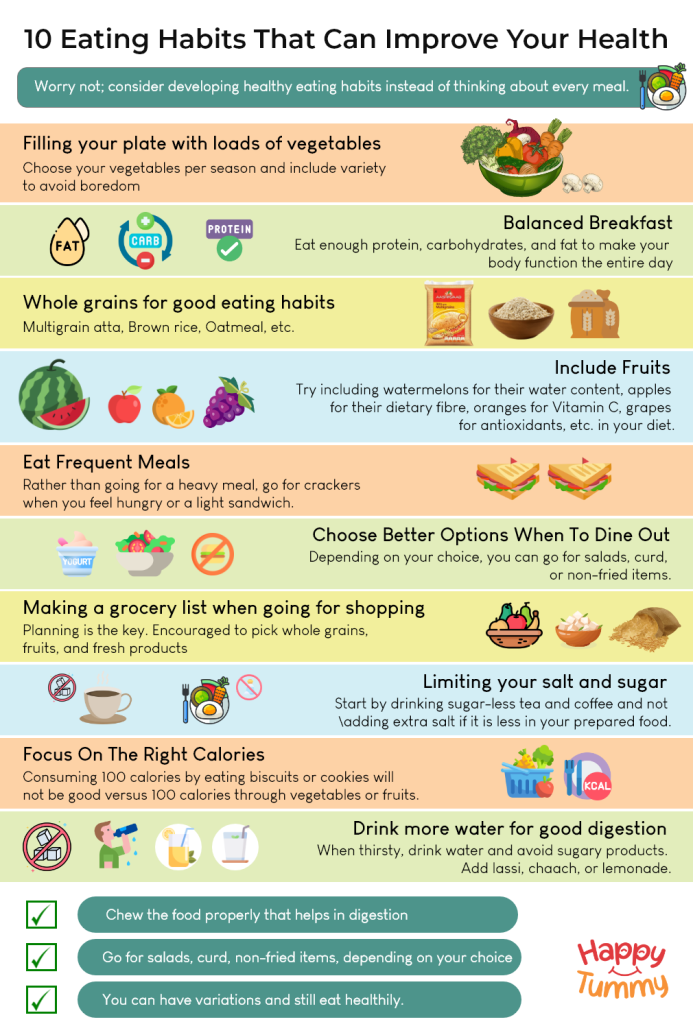
Building consistent eating habits creates a strong foundation for good health. Habits shape daily choices, making healthy eating easier and natural. Consistency helps avoid the stress of sudden diet changes. Small, steady steps lead to lasting results. Focus on gradual improvements to keep motivation high. This section explores how to build habits that stick.
Starting Small
Begin with simple changes. Swap sugary drinks for water at lunch. Add one serving of vegetables to your dinner plate. These small actions feel manageable and not overwhelming. Small wins build confidence and encourage more healthy choices. Avoid drastic changes that cause frustration or quick burnout. Consistent, easy steps create a clear path to better habits. Patience matters more than speed.
Sustaining Long-term Changes
Consistency over time is key to success. Keep habits flexible to fit your lifestyle and preferences. Plan meals and snacks ahead to avoid unhealthy temptations. Celebrate progress to stay motivated during challenges. Learn from setbacks and adjust without guilt. Focus on how good habits improve your energy and mood. Long-term changes become easier with routine and mindfulness. This approach supports a healthier life every day.
Credit: happytummy.aashirvaad.com
Frequently Asked Questions
What Are Good Eating Habits?
Good eating habits include eating a balanced diet with fruits, vegetables, whole grains, and lean proteins. Limit sugar, salt, and unhealthy fats. Drink plenty of water, practice portion control, and eat mindfully to support overall health and prevent chronic diseases.
What Is A Good Eating Routine?
A good eating routine includes balanced meals with fruits, vegetables, whole grains, lean proteins, and healthy fats. Drink water, limit sugar and salt, control portions, and eat mindfully to support overall health and weight management.
What Are Normal Eating Habits?
Normal eating habits include balanced meals with fruits, vegetables, whole grains, lean proteins, and healthy fats. Drink water, control portions, limit sugar, salt, and processed foods. Eat mindfully by paying attention to hunger cues and avoid distractions during meals.
What Are 10 Healthy Habits?
Ten healthy habits include eating balanced meals, drinking water, exercising daily, sleeping well, managing stress, avoiding smoking, limiting sugar, practicing hygiene, staying socially connected, and scheduling regular health check-ups.
Conclusion
Good eating habits build a strong foundation for health. Choose a variety of fresh, whole foods daily. Pay attention to your body’s hunger and fullness signals. Drink plenty of water and limit sugary drinks. Prepare meals at home to control ingredients and portions.
Small, steady changes lead to lasting benefits. Healthy eating supports your energy, mood, and well-being. Keep it simple and enjoy the journey to better health.

“As the voice behind Radiant Glow Health, we are dedicated to being your ultimate wellness and vitality companion. Our mission is to inspire and guide you on your journey to a healthier and more vibrant life. Join us as we explore holistic health practices and empower you to radiate wellness from within.”