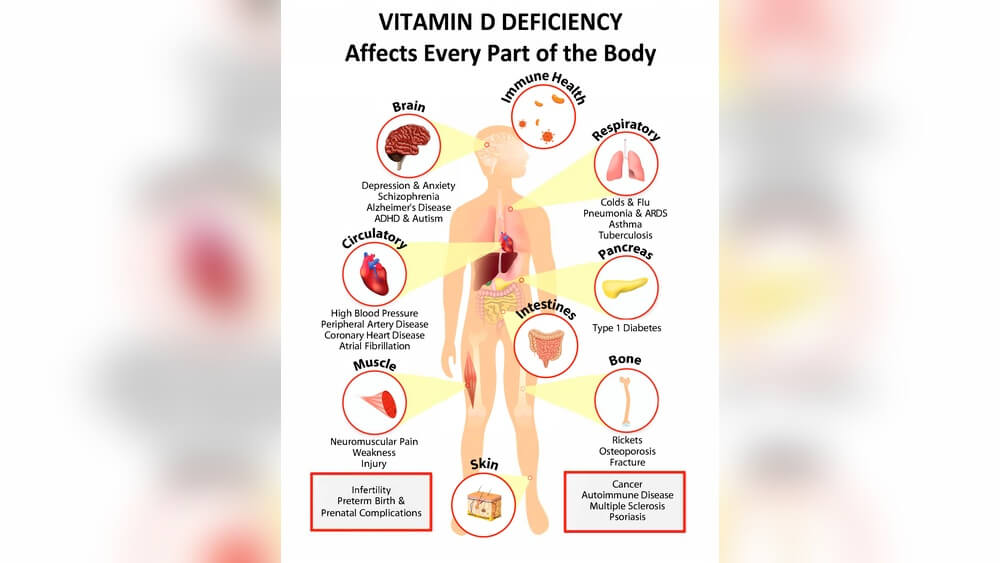
“Where Can You Find Vitamins in Your Body?”
Have you ever wondered where the vitamins you consume actually go inside your body? Knowing where vitamins are stored and how your body uses them can help you understand why certain foods and supplements are so important.
Vitamins don’t just disappear after you swallow them—they find their way to specific places like your liver, muscles, or even fat tissue, waiting to support your health when you need them most. Curious about how this works and what it means for your daily nutrition?
Keep reading to discover where vitamins live inside you and how they keep your body running smoothly every day.
Credit: www.mealpro.net
Fat-soluble Vitamins
Fat-soluble vitamins play vital roles in keeping your body healthy. These vitamins dissolve in fat, not water. Because of this, your body stores them in fat tissues and organs. They do not need daily intake like water-soluble vitamins. Understanding where they are found helps you appreciate their importance.
Types And Roles
There are four main fat-soluble vitamins: A, D, E, and K. Vitamin A supports vision and immune health. Vitamin D helps your bones by managing calcium. Vitamin E protects cells from damage. Vitamin K is essential for blood clotting and bone strength. Each vitamin has unique tasks that keep your body working well.
Storage Locations
Your body stores fat-soluble vitamins in specific places. The liver stores vitamins A, D, and K mainly. Fat tissue holds vitamins D and E. Muscles also keep some of these vitamins. Vitamin K can be found in the liver, heart, and bones for short periods. These storage spots allow your body to use vitamins when needed.
Absorption And Release
Fat-soluble vitamins absorb best with dietary fat. They enter your bloodstream through the intestines after meals. Special carriers help release these vitamins from storage. Your body controls how much vitamin to release based on need. This system prevents shortages and excesses, keeping vitamins balanced.

Credit: necessaire.com
Water-soluble Vitamins
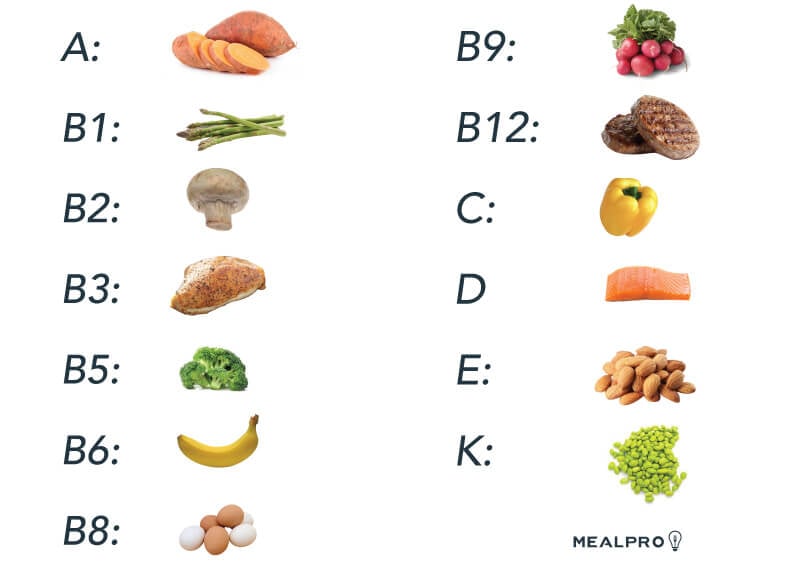
Vitamins come from many foods we eat every day. They play a big role in keeping the body healthy and strong. Different foods provide different vitamins that the body needs. Eating a variety of foods ensures you get enough vitamins.
Fruits And Vegetables
Fruits and vegetables are rich in vitamins like A, C, and K. Oranges, strawberries, and kiwis are great sources of vitamin C. Carrots and sweet potatoes provide vitamin A. Leafy greens like spinach and kale contain vitamin K. These foods also have fiber and antioxidants that support health.
Whole Grains And Legumes
Whole grains such as brown rice, oats, and barley have B vitamins. These vitamins help with energy and brain function. Legumes like beans, lentils, and peas also provide B vitamins and folate. Eating whole grains and legumes boosts vitamin intake and supports digestion.
Protein And Dairy Options
Protein sources like meat, fish, and eggs offer vitamins B12 and D. Dairy products such as milk, cheese, and yogurt are rich in calcium and vitamin D. These vitamins are important for strong bones and healthy muscles. Including protein and dairy in meals helps meet vitamin needs effectively.
Vitamin Storage Sites
Vitamins play a vital role in keeping our bodies healthy and strong. Losing vitamins can lead to various changes that your body shows. Recognizing these signs early helps maintain good health and avoid serious problems.
Indicators In Urine
Your urine can reveal vitamin loss. Bright yellow urine may mean excess vitamin B2 (riboflavin) leaving your body. Clear or very pale urine might show you are drinking too much water, which flushes out vitamins. Dark urine can signal dehydration and possible vitamin deficiency. Sometimes, unusual colors or smells in urine suggest the body lacks certain vitamins. Monitoring urine changes helps track vitamin levels without complex tests.
Health Implications
Vitamin loss affects many body functions. Weakness and tiredness often happen with low vitamin B12 or iron. Dry skin and hair loss may point to a lack of vitamin A or E. Poor wound healing and frequent infections can result from low vitamin C. Bone pain and muscle cramps can occur when vitamin D is missing. Ignoring these signs may lead to serious health issues. Early attention to vitamin loss can improve well-being and energy.
Credit: www.scientificamerican.com
Daily Vitamin Needs
Vitamins play vital roles in the body, supporting many functions. Yet, excess intake can lead to serious risks. Vitamins stored in the body, especially fat-soluble ones, may build up over time. This buildup can cause harmful effects and toxicity. Understanding these risks helps keep vitamin levels safe and balanced.
Megadoses And Toxicity
Taking very high doses of vitamins is called megadosing. This practice can cause toxicity, especially with fat-soluble vitamins like A, D, E, and K. These vitamins accumulate in the liver and fat tissue. Too much vitamin A can cause nausea, headache, and even liver damage. Excess vitamin D may lead to calcium buildup, harming kidneys and bones. Water-soluble vitamins like B and C are less likely to cause toxicity but can still be harmful in large amounts. Symptoms include stomach pain and nerve damage. Always avoid self-prescribing large vitamin doses.
Safe Supplement Practices
Follow recommended daily allowances to avoid vitamin overdose. Choose supplements from trusted sources to ensure quality. Check labels carefully for vitamin amounts and avoid combining multiple supplements with the same vitamins. Consult a healthcare provider before starting any new vitamin routine. Regular blood tests can help monitor vitamin levels. Eating a balanced diet usually provides enough vitamins without extra supplements. Safe habits reduce the chance of vitamin toxicity and keep your body healthy.
Frequently Asked Questions
Where Are Vitamins Found In The Body?
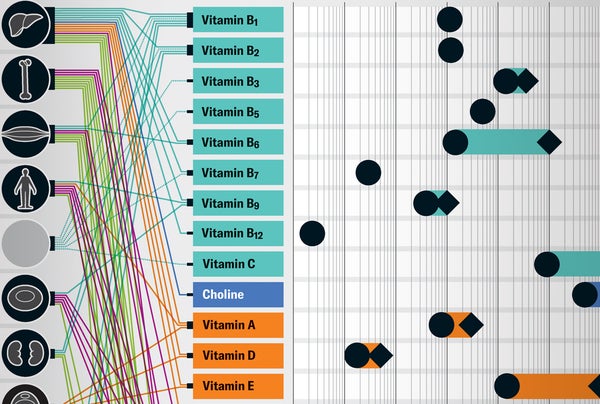
Vitamins store in different body parts. Fat-soluble vitamins (A, D, E, K) accumulate in the liver, fat tissue, and muscles. Water-soluble vitamins (B, C) do not store and exit through urine, requiring regular intake to maintain levels.
How Do I Know If I’m Peeing Out Vitamins?
Bright yellow or fluorescent urine often indicates excess water-soluble vitamins being excreted. It means your body is removing unused vitamins through urine.
Which Food Has All 13 Vitamins?
Liver contains all 13 essential vitamins, including A, D, E, K, and B-complex vitamins. It offers a complete vitamin profile.
How Can I Get 100% Of My Daily Vitamins?
Eat a balanced diet rich in fruits, vegetables, whole grains, lean proteins, and dairy. Include healthy fats to absorb fat-soluble vitamins. Consider a daily multivitamin for gaps. Stay hydrated and avoid excessive cooking to preserve vitamins. Regular meals ensure you get 100% of daily vitamins naturally.
Conclusion
Vitamins play important roles inside your body every day. Fat-soluble vitamins store in the liver, muscles, and fat tissues. Water-soluble vitamins move quickly and leave through urine. Eating a balanced diet helps keep vitamin levels steady. Your body uses vitamins to stay healthy and strong.
Remember to include a variety of foods in your meals. This simple habit supports your vitamin needs well. Small daily steps make a big difference for your health.

“As the voice behind Radiant Glow Health, we are dedicated to being your ultimate wellness and vitality companion. Our mission is to inspire and guide you on your journey to a healthier and more vibrant life. Join us as we explore holistic health practices and empower you to radiate wellness from within.”