Have you ever wondered why jumping into an intense workout right after a meal often feels uncomfortable or leaves you sluggish? You’re not alone.
Many people try to exercise immediately after eating, only to experience cramps, bloating, or even nausea. This happens because your body is caught in a tug-of-war, trying to digest your food while also supplying blood to your muscles. If you want to avoid digestive discomfort and make the most out of your workouts, understanding why you can’t—or shouldn’t—exercise right after eating is key.
You’ll discover the science behind this, the risks of pushing too hard too soon, and smart tips to stay active without hurting your body. Stick around—your next workout might just feel better than ever.
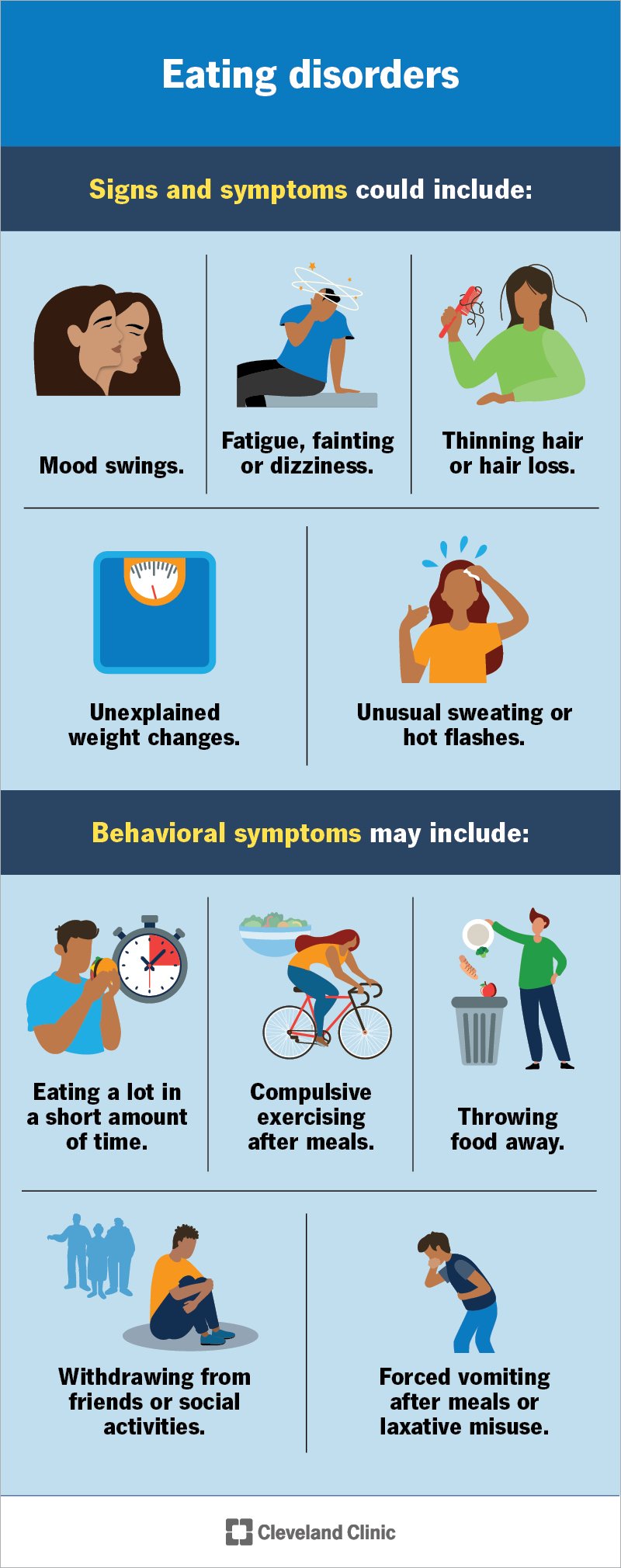
Credit: my.clevelandclinic.org
Exercise And Digestion Clash
Exercise and digestion often conflict after eating. The body faces a challenge. It must support both digestion and physical activity at the same time. This clash can cause discomfort and reduce workout quality.
The main problem lies in how the body directs blood flow. Understanding this helps explain why exercising right after a meal feels unpleasant.
Blood Flow Competition
After eating, the stomach and intestines need more blood to digest food. This blood flow supports enzymes and nutrient absorption. Meanwhile, muscles need more blood during exercise to fuel movement.
Both systems demand increased blood supply. The body struggles to send enough blood to both places simultaneously. This competition reduces efficiency in digestion and muscle function. As a result, you may feel cramps, nausea, or sluggishness.
Common Digestive Issues
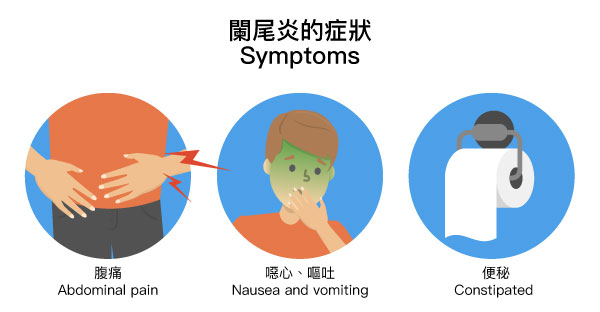
Exercising too soon after eating often causes digestive problems. Cramping happens because muscles in the stomach may spasm. Bloating occurs as digestion slows down. Nausea and reflux can also appear due to pressure changes in the stomach.
Other issues include gas, diarrhea, or vomiting. These symptoms happen because the digestive system cannot work properly. The body prioritizes muscle activity over digestion, causing discomfort and poor nutrient absorption.

Credit: www.npr.org
Risks Of Intense Workouts After Eating
Engaging in intense workouts immediately after eating carries several risks. The body needs time to digest food properly. Exercising too soon can disrupt this process and lead to discomfort and poor performance. Understanding these risks helps you avoid problems and stay healthy.
Digestive Discomfort
After eating, blood flow increases to the stomach to aid digestion. Intense exercise pulls blood away from the digestive system to muscles. This shift can cause cramps, bloating, nausea, and even vomiting. The body struggles to digest food properly during intense workouts. Such discomfort can ruin your exercise session and make you feel unwell.
Reduced Physical Performance
Exercise requires energy and focus. When the body focuses on digestion, less energy is available for muscles. This leads to sluggishness and weakness. Your reaction time slows down, and stamina drops. Workouts feel harder and less effective. Intense activity after eating can make you feel tired quickly.
Higher Injury Chances
Poor physical performance affects coordination and balance. Slower reflexes increase the risk of strains, sprains, or falls. Muscles may not respond well, leading to improper form. Intense workouts without proper digestion raise the chance of injury. Taking time before exercising helps protect your body from harm.
Benefits Of Light Activity Post-meal
Light activity after eating can help the body use food better. It supports digestion and keeps blood sugar levels steady. Moving gently after a meal also improves mood and sleep. Small efforts promote energy use without causing discomfort. Below are key benefits of light post-meal movement.
Improved Digestion
Walking or gentle stretching helps food move through the stomach. It reduces bloating and gas by aiding the digestive process. This light activity encourages blood flow to the stomach. It prevents cramping and speeds up digestion naturally.
Blood Sugar Regulation
Muscles use glucose from food during light activity. This lowers blood sugar spikes after meals. Regular gentle movement improves insulin sensitivity over time. It helps prevent energy crashes and supports steady sugar levels.
Enhanced Mood And Sleep
Light exercise releases feel-good hormones called endorphins. These hormones reduce stress and improve mood. Moving after eating can also promote better sleep at night. The body relaxes more easily after gentle post-meal activity.
Efficient Energy Use
Light activity encourages the body to use energy from food. It helps prevent excess fat storage by promoting “free insulin.” This means food energy fuels muscles instead of turning into fat. The body stays more active and efficient with gentle movement.
Credit: www.specialists.hk
Ideal Timing For Exercise After Eating
Finding the right time to exercise after eating helps your body perform better. Exercising too soon can cause discomfort and reduce workout quality. Proper timing allows digestion and energy to balance well with physical activity. Understanding this timing improves both your health and exercise results.
How Long To Wait
Wait at least 30 minutes after a small snack before exercising. For larger meals, wait 1 to 2 hours. This time lets your stomach start digesting food. It reduces cramps, nausea, or bloating during exercise. The exact wait depends on meal size and type. Heavy meals with fats or proteins take longer to digest. Light meals or snacks digest faster and need less waiting time.
Signs Your Body Needs More Time
Feeling bloated or heavy means wait longer before exercising. Stomach cramps or nausea also signal your body is not ready. If you feel sluggish or tired, skip intense workouts. Your body needs more time to digest and absorb nutrients. Listen to your body’s signals to avoid discomfort. Rest or do gentle walking until you feel better.
Types Of Exercise Suitable After Eating
Choosing the right type of exercise after eating is important for comfort and health. Some activities support digestion and energy use without causing discomfort. Light exercises help the body process food better while avoiding digestive problems.
Gentle Walking
Walking slowly after a meal is safe and helpful. It improves digestion by increasing blood flow to the stomach. Gentle walking prevents bloating and reduces feelings of fullness. It also helps control blood sugar levels after eating. Aim for a 10 to 20-minute walk at an easy pace.
Light Stretching
Stretching lightly helps relax muscles without stressing the body. It promotes blood circulation to the digestive organs. Simple stretches for the arms, legs, and back can ease tension. Avoid deep or intense stretches that may cause discomfort. Light stretching supports digestion and keeps the body calm.
Avoiding High-intensity Training
High-intensity exercises like running, jumping, or heavy lifting should be avoided after meals. These activities divert blood from the stomach to muscles, causing cramps and nausea. Intense training too soon after eating can lead to poor performance and injury. Give your body time to digest before starting vigorous workouts.
Tips To Optimize Post-meal Workouts
Optimizing workouts after eating can improve comfort and performance. Timing and approach matter for better results. Following simple tips helps avoid discomfort and supports your fitness goals.
Listening To Your Body
Pay close attention to how you feel after eating. If you feel heavy or bloated, wait before exercising. Mild hunger or fullness can guide your decision on activity level. Light walks often feel good after meals. Avoid intense workouts if you notice nausea or cramps. Your body signals when it is ready for movement.
Meal Composition And Size
Choose foods that are easy to digest before workouts. Large, fatty, or spicy meals take longer to process. Smaller meals with carbs and protein give energy without discomfort. Avoid heavy meals right before exercise to prevent bloating. Balanced meals help maintain steady blood sugar during activity. Adjust meal size based on your planned workout intensity.
Hydration Considerations
Drink water before and after eating to stay hydrated. Avoid large amounts of fluids immediately before exercise. Sip water slowly to prevent stomach upset. Proper hydration supports digestion and muscle function. Dehydration can cause fatigue and cramps during workouts. Monitor your thirst and drink accordingly throughout the day.
Frequently Asked Questions
What Happens If You Exercise After Eating?
Exercising right after eating can cause cramps, bloating, nausea, and sluggishness. Blood flow shifts from digestion to muscles, reducing efficiency. Light activity aids digestion and blood sugar control. Intense workouts need digestion time to avoid discomfort and poor performance.
What Is The 3-3-3 Rule For Workout?
The 3-3-3 rule for workout means performing 3 sets of 3 exercises with 3-minute rests between sets. It boosts strength and endurance efficiently.
What Is The 4 8 12 Rule?
The 4-8-12 rule guides exercise timing after eating: wait 4 hours for heavy meals, 8 for moderate, and 12 for large meals. This helps prevent digestive discomfort and improves workout performance.
Is It Better To Rest Or Be Active After Eating?
Light activity like walking after eating aids digestion and stabilizes blood sugar. Avoid intense exercise immediately to prevent cramps and nausea. Rest briefly, then engage in gentle movement for better comfort and performance.
Conclusion
Exercising immediately after eating can cause discomfort and cramps. Your body needs time to digest food properly. Intense workouts soon after meals may lead to nausea or bloating. Light activity, like walking, helps digestion and blood sugar levels. Waiting 30 minutes to an hour before intense exercise improves performance.
Listen to your body and avoid pushing too hard too soon. This simple habit protects your health and helps you feel better. Prioritize comfort to enjoy your workouts and stay safe.

“As the voice behind Radiant Glow Health, we are dedicated to being your ultimate wellness and vitality companion. Our mission is to inspire and guide you on your journey to a healthier and more vibrant life. Join us as we explore holistic health practices and empower you to radiate wellness from within.”