Have you noticed your body feeling weaker than usual, leaving you wondering, “Why is my body getting weaker?” This sudden drop in strength can be confusing and even scary. You might feel tired, shaky, or just not yourself.
But what’s really behind this change? It could be something as simple as dehydration or lack of sleep, or it might be a sign of a more serious health issue. Understanding the reasons behind your weakness is the first step to taking back control of your health.
Keep reading to uncover the common causes, when to worry, and what you can do right now to feel stronger again. Your body is trying to tell you something—let’s listen closely together.
Credit: my.clevelandclinic.org
Common Causes
Feeling your body getting weaker can happen for many reasons. Some causes are easy to fix, while others need medical attention. Understanding common causes helps you know what might be affecting your strength. Here are some frequent reasons your body feels weak.
Low Blood Sugar
Low blood sugar, or hypoglycemia, happens if you skip meals. It makes you feel shaky, sweaty, and dizzy. Your muscles may feel tired and weak. Eating regular meals keeps your sugar levels steady and energy up.
Dehydration
Not drinking enough water causes dehydration. It lowers blood pressure and makes you tired. Dehydration can make muscles feel weak and cause dizziness. Drinking fluids often helps keep your body strong.
Stress And Anxiety
Stress and anxiety trigger your body’s fight-or-flight response. This releases adrenaline, which can cause shakiness and weakness. Feeling anxious often can drain your energy quickly. Relaxation techniques can reduce stress and improve strength.
Lack Of Sleep
Sleep is essential for muscle recovery and energy. Without enough sleep, your body feels exhausted. Weakness and poor concentration follow. Aim for 7-9 hours of sleep to feel refreshed and strong.
Caffeine Overload
Too much caffeine can cause jitters and muscle weakness. Energy drinks and coffee in large amounts affect your nerves. This leads to feeling weak or shaky. Limit caffeine to avoid these side effects.
Overexertion
Pushing your muscles too hard causes overexertion. This leads to muscle fatigue and weakness. Rest and proper recovery are needed to regain strength. Balance activity with rest to prevent feeling weak.
Medical Causes
Feeling weaker over time might point to medical issues. These causes affect how your body works and can lead to fatigue and loss of strength.
Recognizing medical reasons helps in seeking the right care early. Many conditions reduce energy and muscle power.
Infections
Infections often cause weakness by making the body fight illness. Common infections include flu, pneumonia, or urinary tract infections. The immune system uses energy to battle germs, leaving less energy for daily tasks.
Medications Side Effects
Some medicines cause tiredness or muscle weakness as side effects. Painkillers, blood pressure drugs, and sedatives may affect energy levels. Always check with your doctor if weakness starts after new medications.
Nutrient Deficiencies
Not getting enough vitamins or minerals can weaken muscles. Iron, vitamin D, and B12 are key nutrients for strength. Deficiencies cause fatigue, muscle cramps, and poor stamina.
Thyroid Issues
The thyroid gland controls energy and metabolism. An underactive thyroid slows down body functions, causing tiredness and weakness. Symptoms include weight gain, cold sensitivity, and slow heart rate.
Anemia And Blood Disorders
Anemia means low red blood cells or hemoglobin. It reduces oxygen flow to muscles, causing fatigue and weakness. Blood disorders like sickle cell disease also lower energy and strength.
Diabetes
Diabetes affects blood sugar control and energy use. High or low blood sugar levels can cause sudden weakness. Nerve damage from diabetes also leads to muscle weakness and pain.
Heart Problems
Heart conditions reduce blood flow and oxygen to muscles. This causes fatigue and shortness of breath during activity. Heart failure or arrhythmia can make even simple tasks tiring.
Metabolic And Nervous System Factors
The body’s strength depends on many systems working well. Two important systems are the metabolic and nervous systems. Problems in these areas can make the body feel weaker over time. Understanding how these systems affect strength helps identify the cause of weakness.
The metabolic system controls how the body uses energy. The nervous system sends signals to muscles to move and stay strong. When either system has issues, muscle strength often drops. Below are common metabolic and nervous system factors that cause weakness.
Unstable Blood Sugar
Blood sugar levels provide energy to muscles and the brain. Unstable blood sugar can cause sudden fatigue and weakness. Low sugar levels make muscles feel tired and shaky. High sugar levels can also damage nerves over time, reducing strength.
Thyroid Disorders
The thyroid gland controls metabolism speed. When it produces too little hormone, the body slows down. This can cause tiredness, muscle weakness, and slow reflexes. Overactive thyroid can also cause muscle fatigue and trembling.
Pinched Nerves
Nerves carry messages from the brain to muscles. A pinched nerve blocks these signals. This causes pain, numbness, and muscle weakness. Common pinched nerves appear in the neck or lower back. Treating the cause often restores strength.
Neurological Diseases
Diseases like multiple sclerosis or Parkinson’s affect nerve function. They disrupt communication between the brain and muscles. Symptoms include weakness, poor coordination, and fatigue. Early diagnosis and care help manage these conditions.
Muscle Weakness Causes
Muscle weakness can result from nerve problems or poor metabolism. Lack of proper nutrients, infections, or chronic illnesses also reduce muscle power. Regular check-ups and balanced nutrition support muscle health and strength.
Other Health Conditions
Several health conditions can cause your body to feel weaker over time. These conditions affect muscles, energy levels, and overall strength. Understanding these issues helps you recognize symptoms early. It also guides you to seek the right care.
Fibromyalgia
Fibromyalgia causes widespread pain and tenderness in muscles. It often leads to constant fatigue and weakness. People with fibromyalgia may also have sleep problems. These issues reduce muscle strength and stamina. Simple daily tasks can become very tiring.
Chronic Fatigue Syndrome
Chronic Fatigue Syndrome causes extreme tiredness that does not improve with rest. This condition lowers your energy and weakens muscles. Many people feel joint pain and difficulty concentrating. Weakness can last for months or years. It makes regular activities challenging.
Kidney Disease
Kidney disease affects how your body removes waste and fluids. When kidneys fail, toxins build up in the blood. This leads to muscle cramps and weakness. People with kidney disease often feel tired and less strong. Proper treatment can help manage these symptoms.
Autoimmune Diseases
Autoimmune diseases cause the immune system to attack healthy body parts. This can damage muscles and nerves, causing weakness. Conditions like lupus and multiple sclerosis fall under this group. Symptoms include muscle pain, fatigue, and loss of strength. Early diagnosis improves treatment success.
Warning Signs
Warning signs show that your body’s weakness may need quick attention. Some symptoms point to serious health problems. Recognizing these signs early can help you act fast. Watch closely for sudden changes in your strength or alertness.
Do not ignore any new or worsening symptoms. Acting quickly might save your life or prevent long-term damage.
Sudden One-sided Weakness
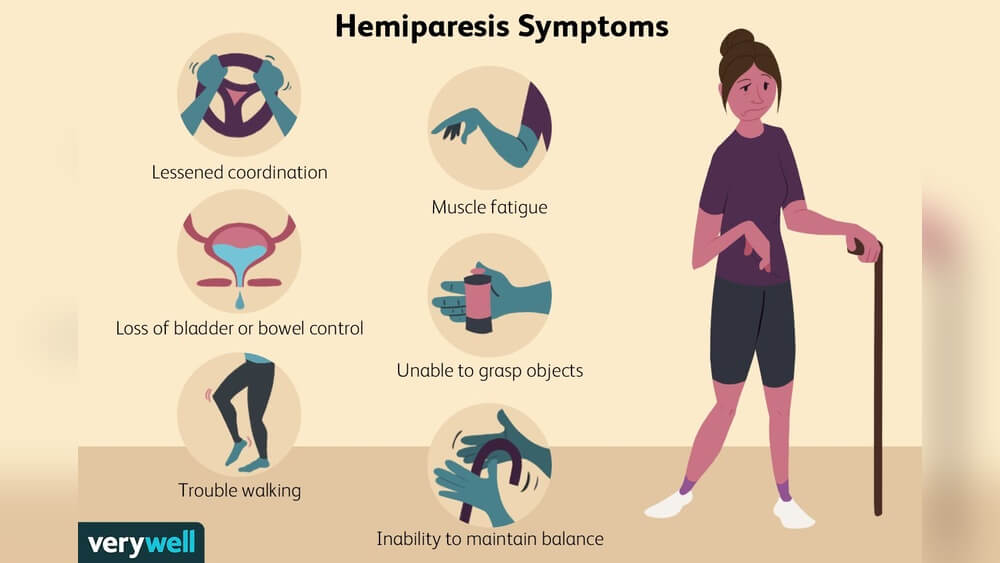
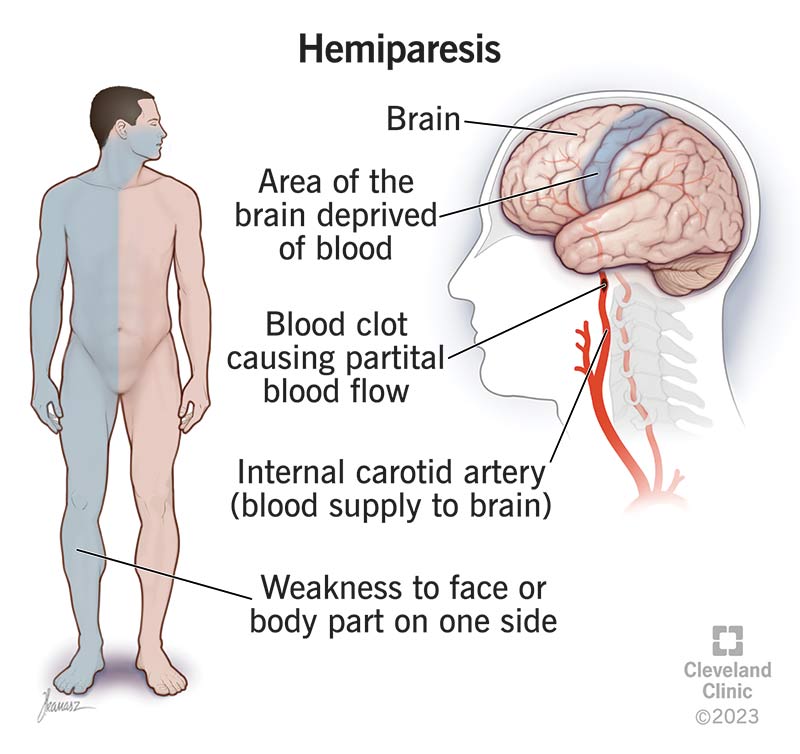
Weakness on one side of the body can mean a stroke. This includes your face, arm, or leg. It usually comes on quickly and feels very different from normal tiredness. Immediate medical help is critical to reduce damage.
Confusion And Speech Changes
Sudden confusion or trouble speaking are urgent warning signs. Your brain may not be getting enough oxygen. You might slur your words or find it hard to understand others. Seek emergency care without delay.
Chest Pain And Shortness Of Breath
Chest pain with weakness can signal a heart attack. Shortness of breath makes it harder to get enough air. These symptoms need urgent medical evaluation. Do not wait or try to drive yourself to the hospital.
Severe Or Persistent Weakness
Weakness that is very strong or does not go away needs a doctor’s review. It may point to infections, nerve problems, or other serious illnesses. Do not ignore ongoing weakness, even if there is no pain.

Credit: hiims.in
Immediate Actions
Taking immediate action can help manage sudden body weakness. Quick steps may prevent worsening symptoms. Focus on simple, effective measures to support your body.
Eating And Hydrating
Low blood sugar often causes weakness. Eat a light snack rich in carbohydrates. Drink plenty of water to stay hydrated. Avoid sugary drinks that cause energy crashes. Keep fluids steady to maintain blood pressure and energy.
Resting
Rest helps your body regain strength. Find a quiet, comfortable place to sit or lie down. Avoid physical activity until you feel better. Rest reduces strain on tired muscles. Sleep also supports recovery and energy restoration.
Calming Techniques
Stress and anxiety worsen weakness symptoms. Try deep breathing exercises to calm your mind. Slow, steady breaths reduce adrenaline effects. Relaxation lowers heart rate and eases muscle tension. Calm moments improve your overall feeling of strength.
Monitoring Symptoms
Watch your symptoms closely after taking action. Note any changes or worsening signs. Seek medical help if weakness lasts or gets worse. Immediate care is crucial for sudden numbness or chest pain. Keep track to protect your health and safety.
When To Consult A Doctor
Feeling weaker than usual may not always be normal. It can signal a health issue that needs care. Knowing when to see a doctor helps you avoid serious problems.
Some weakness comes from simple causes. Others point to medical conditions. Watch your body closely and act on warning signs.
Sudden Or Severe Weakness
Seek medical help if weakness hits suddenly and is very strong. This could mean a stroke or heart attack. Call emergency services immediately.
Weakness With Other Symptoms
See a doctor if weakness comes with chest pain, confusion, or trouble speaking. Also, numbness on one side of the body is a red flag. These signs need urgent care.
Weakness That Lasts For Days
When weakness stays for more than a few days, get a medical checkup. Persistent fatigue may point to infections, anemia, or thyroid problems. Early diagnosis helps treatment.
Weakness After Injury Or Medication
Consult a doctor if weakness follows a fall, injury, or new medicine. Some drugs cause side effects that weaken muscles or cause fatigue. Your doctor can adjust treatment.
Difficulty Performing Daily Tasks
If weakness stops you from doing daily activities, do not wait. This limits your life and may mean a serious health issue. Medical advice is important.

Credit: www.medicalnewstoday.com
Frequently Asked Questions
Why Am I So Much Weaker All Of A Sudden?
Sudden weakness can result from dehydration, low blood sugar, lack of sleep, stress, or overexertion. Serious causes include infections, anemia, or heart issues. Eat, drink water, rest, and monitor symptoms. Seek immediate medical help if weakness is sudden, severe, or accompanied by chest pain, confusion, or numbness.
Why Is My Body Becoming So Weak?
Your body may weaken due to dehydration, low blood sugar, lack of sleep, stress, or overexertion. Nutrient deficiencies, infections, or medical conditions like thyroid problems also cause weakness. Seek immediate help if weakness is sudden, severe, or accompanies chest pain, confusion, or numbness.
What Causes Loss Of Body Strength?
Loss of body strength often results from dehydration, low blood sugar, lack of sleep, stress, or overexertion. Medical causes include infections, nutrient deficiencies, and chronic conditions like anemia or thyroid problems. Sudden severe weakness may signal serious issues like stroke or heart attack and requires immediate medical attention.
How Can I Fix My Weak Body?
Fix a weak body by eating balanced meals, staying hydrated, resting well, managing stress, and exercising regularly. Consult a doctor for persistent weakness or sudden symptoms.
Conclusion
Feeling weak can come from many simple or serious reasons. Drink water, eat well, and rest to help your body. Watch for signs like chest pain, confusion, or sudden numbness. These need urgent medical care. Managing stress and sleep also supports your strength.
Keep track of your symptoms and seek help if they worsen. Taking small steps can improve how you feel daily. Stay aware and listen to your body’s signals. Your health matters most.

“As the voice behind Radiant Glow Health, we are dedicated to being your ultimate wellness and vitality companion. Our mission is to inspire and guide you on your journey to a healthier and more vibrant life. Join us as we explore holistic health practices and empower you to radiate wellness from within.”