You’ve just tested positive for COVID, and now you’re wondering: How soon will I feel better after COVID? It’s natural to want quick answers when your body feels drained and your mind is foggy.
Recovery times can vary widely, and knowing what to expect can ease your worries and help you plan your next steps. You’ll discover the typical timeline for feeling better, what symptoms might linger, and practical tips to speed up your recovery.
Keep reading to learn how to listen to your body, manage your symptoms, and get back to feeling like yourself again.

Credit: www.nytimes.com
Typical Recovery Timeline
Recovering from COVID-19 varies for each person. The typical recovery timeline shows a general pattern many follow. Understanding this timeline helps set realistic expectations. It guides you on when you might feel better and safely resume activities.
Acute Symptoms Peak
The first few days after infection are the hardest. Symptoms like fever, cough, and body aches reach their highest point. These acute symptoms usually last about 5 to 7 days. Rest and hydration are very important during this phase. Most people start to feel a little better after the peak.
Lingering Symptoms
Some symptoms can last longer than the acute phase. Fatigue, headache, and brain fog are common lingering signs. Trouble breathing may also continue for some people. These post-COVID symptoms can persist for weeks or more. They often improve gradually with time and proper care.
When To Resume Activities
Return to normal tasks only when symptoms improve. Feeling better does not always mean full recovery. Light activities can start once fever and severe symptoms are gone. Avoid intense exercise or heavy work too soon. Your body needs time to heal completely before full activity.

Credit: www.cdc.gov
Factors Affecting Recovery
Recovery from COVID varies widely from person to person. Several factors shape how quickly someone feels better. Understanding these can help set realistic expectations during healing.
Each individual’s body reacts differently to the virus. These differences affect recovery time and symptom severity. Let’s explore the main factors influencing recovery after COVID.
Severity Of Illness
Mild cases often recover within one to two weeks. Symptoms like fever and cough usually improve quickly. Severe illness can extend recovery for several weeks or more.
Hospitalization or oxygen support may be required in severe cases. The body needs more time to repair after intense infection. Recovery speed depends on how hard the virus hit the body.
Age And Health Conditions
Older adults typically take longer to recover from COVID. Their immune system may not respond as fast or strong. Chronic illnesses like diabetes and heart disease slow healing too.
Healthy younger people often bounce back faster. Pre-existing conditions can increase risk of complications. Recovery time depends on overall health and age combined.
Long Covid Symptoms
Some people experience symptoms that last for months. This condition is called Long COVID or post-COVID syndrome. Fatigue, brain fog, and breathing difficulties are common long-term effects.
These lingering symptoms may delay feeling fully better. Recovery may involve managing ongoing issues and gradual improvement. Patience and proper care are essential for these cases.
Common Lingering Symptoms
Many people recovering from COVID-19 face symptoms that last weeks or months. These common lingering symptoms can affect daily life and slow recovery. Understanding these issues helps manage expectations and supports healing.
Extreme Fatigue
Feeling very tired is one of the most common long-term symptoms. This fatigue can be overwhelming and does not always improve with rest. Simple tasks may feel exhausting. It may take weeks to regain normal energy levels.
Brain Fog
Brain fog means trouble thinking clearly. Many report memory problems and difficulty focusing. This can affect work and daily activities. The exact cause is unclear, but it often improves slowly over time.
Taste And Smell Issues
Loss or change of taste and smell is common after COVID. Some people cannot smell or taste anything, while others notice strange or reduced sensations. These changes may last for weeks or months but usually improve gradually.
Dizziness
Dizziness or lightheadedness can occur during recovery. This may happen when standing up quickly or moving suddenly. It can cause balance problems and increase fall risk. Staying hydrated and moving slowly helps reduce dizziness.
Key Recovery Strategies
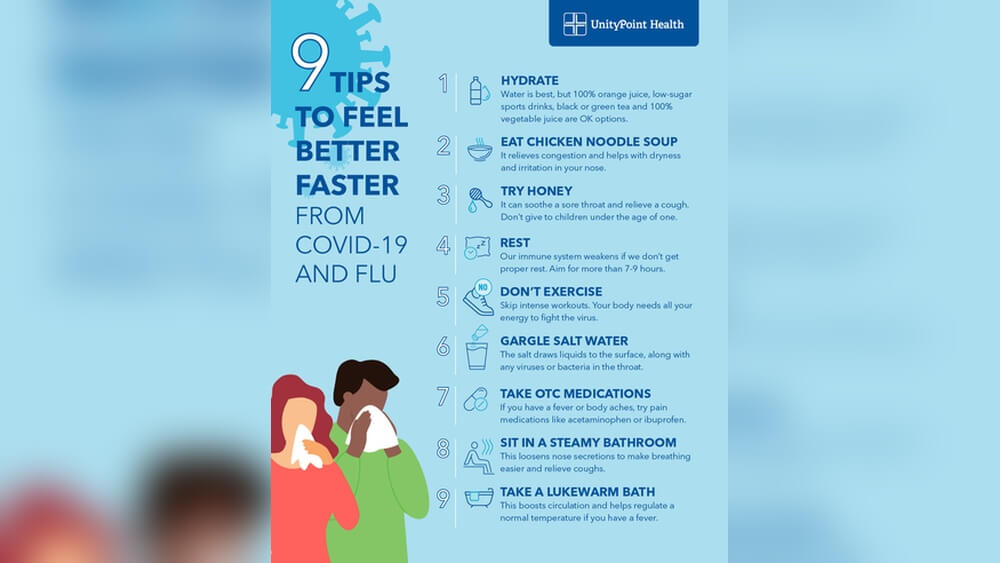
Recovering from COVID takes time and care. Following key strategies helps your body heal faster and feel better sooner. Focus on simple habits that support your immune system and reduce symptoms. Consistency matters more than speed.
Prioritize Rest
Rest gives your body the chance to repair itself. Sleep well and avoid strenuous activities. Take naps if you feel tired during the day. Rest also lowers stress, which helps your immune system work better. Don’t rush to return to normal tasks too soon.
Stay Hydrated And Nourished
Drink plenty of water throughout the day. Fluids help loosen mucus and prevent dehydration. Eat small, frequent meals with healthy foods. Include fruits, vegetables, and protein to support healing. Avoid heavy or greasy foods that may upset your stomach.
Manage Congestion And Fever
Use steam or a humidifier to ease nasal congestion. Warm showers can also help clear your airways. Wear light clothing and use cool compresses to reduce fever. Over-the-counter medicine can lower fever and relieve aches, but follow dosing instructions carefully.
Incorporate Gentle Movement
Move your body slowly as you start feeling better. Gentle stretching or short walks improve circulation and mood. Avoid pushing yourself too hard or too fast. Stop and rest if you feel dizzy or tired. Gradual activity supports recovery without causing setbacks.
Listen To Your Body
Pay close attention to how you feel each day. Rest more if symptoms worsen or fatigue increases. Don’t ignore warning signs like chest pain or severe shortness of breath. Your body knows best when to slow down or resume activities. Trust its signals to guide your recovery.
Nutrition Tips
Nutrition plays a vital role in recovery after Covid. Eating well helps your body heal faster. It supports your immune system and restores lost energy. Focus on balanced meals with key nutrients to feel better soon.
Protein For Repair
Protein rebuilds damaged cells and tissues after illness. Include lean meats, eggs, beans, and nuts in your diet. These foods provide amino acids needed for healing. Try to eat protein at every meal to support recovery.
Vitamins From Fruits And Vegetables
Fruits and vegetables offer essential vitamins and minerals. Vitamin C, found in oranges and strawberries, boosts your immune system. Vitamin A from carrots and spinach helps repair lung tissue. Aim for colorful plates to get a variety of nutrients.
Benefits Of Warm Liquids
Warm liquids soothe your throat and clear congestion. Herbal teas, broths, and warm water with lemon are good choices. They keep you hydrated and ease breathing. Drinking warm fluids several times a day supports comfort and healing.
Credit: www.glendale.edu
Hygiene And Clean-up
Keeping good hygiene and cleaning your surroundings helps you recover faster from COVID. Germs can stay on things you touch. Cleaning stops the virus from spreading and makes you feel safer. It is important to focus on what you touch most often. This includes your personal items, bedding, and common surfaces. Simple cleaning steps reduce the risk of reinfection or spreading the virus to others.
Dispose Of Used Items
Throw away tissues, masks, and gloves after use. Place them in a sealed plastic bag. This prevents germs from spreading in your home. Use trash bins with lids. Wash your hands right after handling used items. Do this every day during your illness and recovery.
Disinfect Personal Belongings
Clean your phone, glasses, keys, and remote controls daily. Use disinfectant wipes or sprays safe for these items. Avoid sharing personal belongings with others. This lowers the chance of passing the virus. Keep a disinfectant spray or wipes nearby for quick cleaning.
Maintain Clean Bedding And Surfaces
Wash your sheets, pillowcases, and blankets often. Use hot water and detergent to kill germs. Clean tables, doorknobs, and light switches every day. Use household disinfectants or diluted bleach solutions. Keeping surfaces clean helps you stay healthy as you recover.
Frequently Asked Questions
How Long Does It Take To Feel Normal After Covid?
Most people feel normal 2 to 6 weeks after COVID, depending on severity and health. Long COVID symptoms may last longer. Rest, hydration, and nutrition speed recovery. Listen to your body and avoid rushing back to intense activities. Consult a doctor if symptoms persist or worsen.
What Is The Most Lingering Symptom Of Covid?
The most lingering symptom of COVID is extreme fatigue, often worsening after physical or mental activity. Brain fog and shortness of breath also commonly persist.
What Speeds Up Covid Recovery?
Rest well, stay hydrated, eat immune-boosting foods, use humidifiers for congestion, manage fever with light clothing, and avoid overexertion.
What To Throw Away After Covid?
Dispose of used masks, tissues, and gloves after COVID to prevent virus spread. Clean and discard any contaminated items. Avoid keeping single-use protective gear. Sanitize surfaces regularly and throw away disposable cleaning materials. Properly handle waste to maintain hygiene and safety.
Conclusion
Recovery time after COVID varies from person to person. Most people start feeling better within two weeks. Some symptoms like fatigue and brain fog may last longer. Rest, hydration, and good nutrition help your body heal faster. Avoid rushing back into hard activities too soon.
Pay attention to your body’s signals. If symptoms persist, seek medical advice. Patience is key during recovery. Taking care of yourself supports a smoother, safer return to normal life.

“As the voice behind Radiant Glow Health, we are dedicated to being your ultimate wellness and vitality companion. Our mission is to inspire and guide you on your journey to a healthier and more vibrant life. Join us as we explore holistic health practices and empower you to radiate wellness from within.”