“What Happens When Skin Care Products Expire?”
Have you ever wondered what really happens when your favorite skin care products pass their expiration date? You might think they’re still safe to use, but expired products can do more harm than good to your skin.
From reduced effectiveness to irritation, breakouts, and even infections, using old skin care items puts your skin at risk. You’ll discover the hidden dangers lurking in expired products and learn simple ways to spot when it’s time to toss them.
Keep reading to protect your skin and make the most out of every product in your beauty routine.
Credit: gfacemd.com
Expiration Effects On Ingredients
Expiration affects the ingredients in skin care products in several key ways. Over time, active components lose their strength. Other ingredients may break down into less effective or harmful substances. Exposure to air and light causes oxidation, damaging the formula and your skin. Understanding these changes helps you avoid using expired products that can harm your skin.
Loss Of Potency
Active ingredients like vitamins and acids weaken after expiration. Vitamin C, for example, loses its brightening power. Retinol becomes less effective at promoting cell turnover. The product no longer delivers the promised benefits. Using expired items means you may waste money and time without results.
Ingredient Breakdown
Certain compounds break down into different chemicals over time. This breakdown can reduce safety and cause irritation. Enzymes and acids may become unstable and harsh on skin. Sometimes, the texture or smell changes, signaling ingredient decay. These changes lower product quality and can trigger allergic reactions.
Oxidation And Free Radicals
Oxygen exposure causes oxidation in oils and other ingredients. Oxidized oils produce free radicals harmful to skin cells. Free radicals speed up skin aging and cause inflammation. Preservatives lose strength, allowing bacteria to grow. Oxidized products may cause redness, dryness, or breakouts.
Skin Risks From Expired Products
Expired skin care products pose several risks to your skin. Over time, the ingredients break down and lose their stability. This breakdown can cause harm rather than help your skin. Using these products can lead to discomfort and skin problems. Understanding the risks can help you avoid serious issues.
Irritation And Rashes
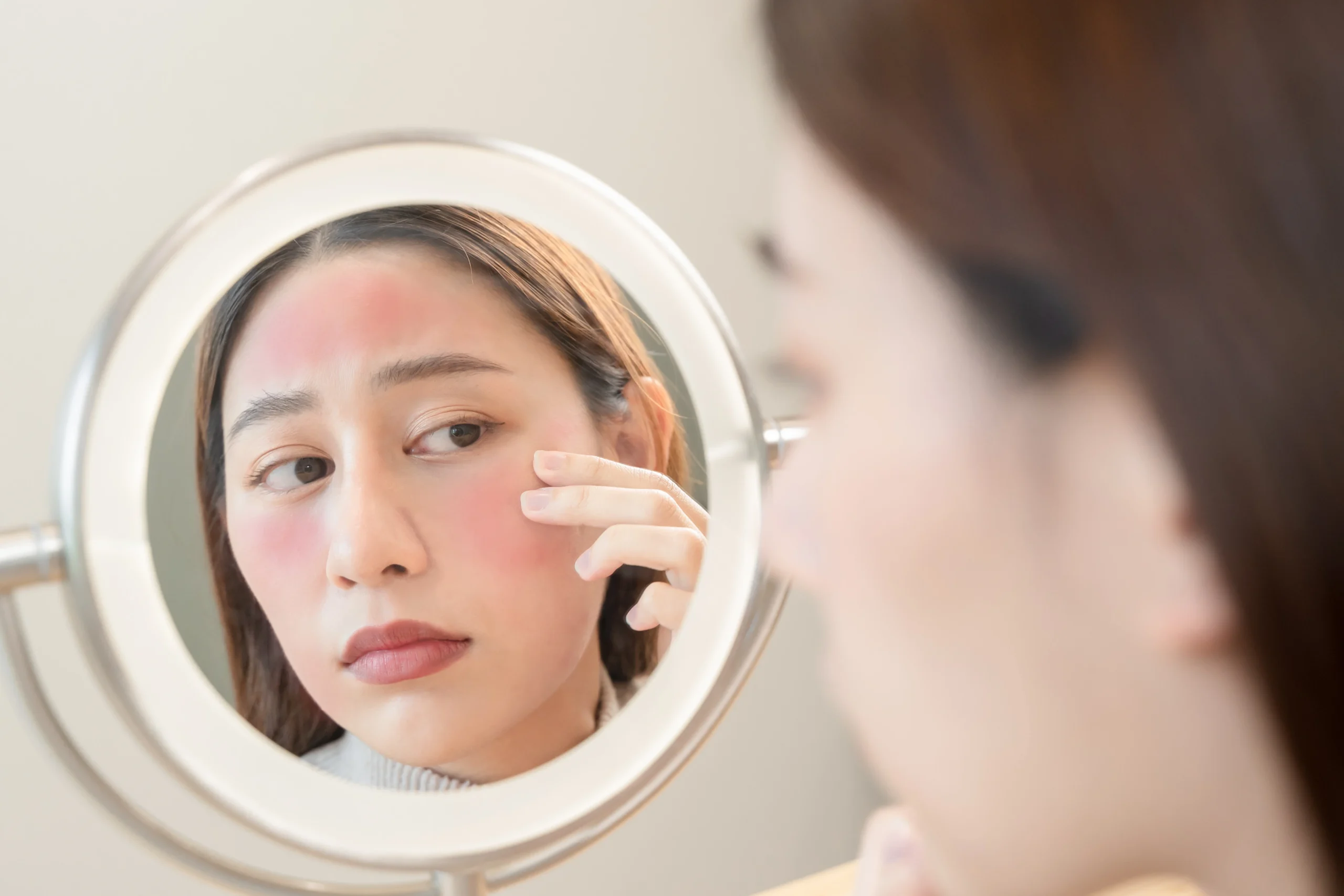
Expired products often contain degraded ingredients. These changes can make the formula harsh on the skin. Users may experience redness, itching, or burning sensations. Such irritation can lead to uncomfortable rashes. Sensitive skin types are especially prone to these reactions.
Allergic Reactions
As ingredients change, they may trigger allergic responses. The skin can react with swelling, redness, or hives. Allergies may develop suddenly even if you used the product before. This happens because expired ingredients can alter their chemical structure. Avoiding old products reduces the chance of allergies.
Infections From Bacteria And Mold
Preservatives in skin care lose power after expiration. This allows bacteria and mold to grow inside the container. Applying contaminated products can lead to skin infections. Eye creams and open jars are common culprits. Infections may cause pain, swelling, and pus formation.
Signs A Product Is Expired
Knowing the signs a skin care product is expired helps protect your skin. Expired products lose their power and can cause irritation. Some changes are easy to spot, while others need closer attention.
Changes In Color And Smell
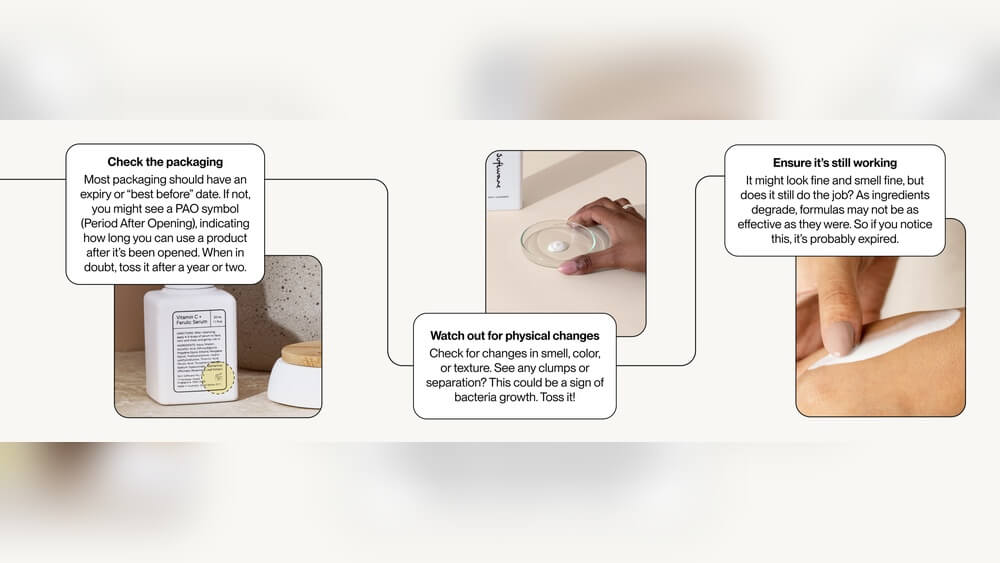
One clear sign is a change in color. A cream or serum may turn darker or look separated. The scent can also shift from fresh to sour or strange. These changes show the product is breaking down.
Texture And Consistency Alterations
Expired products often feel different. Lotions may become watery or too thick. Creams might feel gritty or clumpy. If the texture changes, it means the formula is no longer stable.
Checking The Pao Symbol
The PAO symbol looks like a small jar with a number and “M.” This tells how many months the product is good after opening. Always check this symbol to know if the product is still safe to use.
Products Requiring Extra Caution
Certain skin care products need extra care as they age. Their active ingredients break down faster. Using expired versions can harm your skin more than others. These products often lose power or cause irritation quickly. Knowing which ones require caution helps keep skin safe and healthy.
Vitamin C And Retinol Formulas
Vitamin C and retinol are powerful ingredients. They work best when fresh and stable. Over time, Vitamin C oxidizes and turns brown or orange. Retinol loses strength and can cause redness or peeling. Expired formulas can irritate skin or trigger allergies. Always check the expiration date before use.
Sunscreens And Acne Treatments
Sunscreens degrade and lose protection over time. Expired sunscreen may not shield skin from UV damage. Acne treatments with benzoyl peroxide or salicylic acid also weaken. Using old products can worsen acne or cause dryness. Replace these products regularly to maintain skin safety.
Preservative-free And Liquid Products
Preservative-free products spoil faster without chemicals to stop bacteria. Liquids like serums or toners can grow mold or bacteria. Expired versions risk infections or allergic reactions. These products often change smell, texture, or color when bad. Discard any that look or smell off immediately.
How Expiration Impacts Product Safety
Expiration greatly affects the safety of skin care products. Over time, the ingredients break down and the product’s ability to protect your skin decreases. Using expired products may expose your skin to harmful bacteria and irritants. Understanding how expiration impacts safety helps you avoid skin problems and infections.
Preservative Loss And Contamination
Preservatives keep skin care products free from bacteria and mold. As products expire, preservatives lose strength. This allows harmful microbes to grow inside the product. Applying contaminated products can cause infections and irritations. Contamination risk is higher in products used near the eyes or on broken skin.
Decreased Effectiveness
Active ingredients like vitamins and acids degrade over time. This lowers the product’s ability to treat skin issues. Expired products may no longer brighten, hydrate, or protect your skin. Using ineffective products wastes your money and time. Always check expiration dates to ensure your products work well.
Risk Of Skin Damage
Expired skin care products can cause redness, itching, or rashes. Some ingredients become irritating as they break down. Harmful bacteria in expired products may lead to infections or allergic reactions. Skin damage is more common with sensitive skin types. Avoid using products that smell or look strange to protect your skin.
Credit: www.cosmetify.com
Best Practices For Skincare Shelf Life
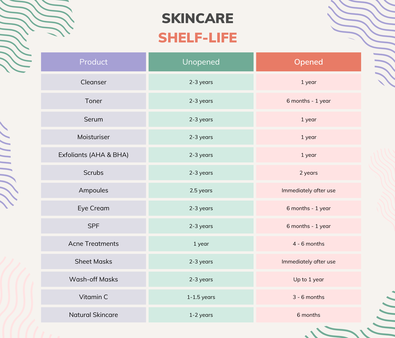
Proper care of skincare products ensures they remain safe and effective. Following best practices for skincare shelf life protects your skin and saves money. Knowing how to store, when to discard, and how to read labels helps you avoid expired products.
Storage Tips To Extend Life
Keep skincare products away from heat and sunlight. Store them in a cool, dry place like a drawer or cabinet. Avoid humid areas such as the bathroom to prevent bacteria growth. Always close lids tightly after use to keep air out. Use clean hands or tools to avoid contamination. These simple steps help maintain product quality longer.
When To Discard Products
Throw away products that change color, smell, or texture. If creams become watery or separate, they are no longer safe. Avoid using products past their expiration date or the Period After Opening (PAO) symbol. Eye creams and acne treatments need extra caution due to bacteria risks. Discard products that cause irritation or breakouts. These practices protect your skin from harm.
Reading Labels And Dates
Look for expiration dates printed on the packaging. The PAO symbol shows how many months a product is safe after opening. For example, “6M” means six months of use. Check ingredient lists for unstable actives like Vitamin C or retinol that degrade faster. Follow label instructions for storage and usage. Understanding labels helps you use products safely and effectively.
Credit: www.businessinsider.com
Frequently Asked Questions
Is Expired Skincare Safe To Use?
Expired skincare is unsafe to use. It loses effectiveness and may cause irritation, infections, or allergic reactions. Always check for changes in smell, color, or texture, and discard expired products, especially those with active ingredients like Vitamin C, Retinol, or sunscreen.
Can I Use 2 Year Old Serum?
Using a 2-year-old serum is not recommended. Its ingredients may degrade, reducing effectiveness and causing irritation or infections. Check for changes in smell, color, or texture. Always discard expired skincare to protect your skin health and avoid adverse reactions.
Can I Use 2 Years Expired Lotion?
Using lotion expired for 2 years risks skin irritation, infection, and reduced effectiveness. Toss it to avoid harm.
How To Tell If Skincare Is Expired?
Check the Period After Opening (PAO) symbol and discard if the product changes color, smell, texture, or consistency. Expired skincare may cause irritation or infections.
Conclusion
Expired skin care products lose power and may harm your skin. They can cause irritation, redness, or infections. Always check the product’s look, smell, and texture before use. Toss any item that seems off or past its date. Pay close attention to sunscreens and active ingredients like Vitamin C and retinol.
Using fresh products keeps your skin safe and healthy. Don’t risk your skin’s health with expired items. Stay mindful and protect your skin every day.

“As the voice behind Radiant Glow Health, we are dedicated to being your ultimate wellness and vitality companion. Our mission is to inspire and guide you on your journey to a healthier and more vibrant life. Join us as we explore holistic health practices and empower you to radiate wellness from within.”