
Are you wondering when you should start using skin care products? It’s a question many ask but rarely get a clear answer to.
The truth is, your skin’s needs change as you grow, and starting the right routine at the right age can make all the difference. Whether you’re dealing with teenage acne or simply want to protect your skin from early signs of aging, knowing when and how to begin can save you time, money, and frustration later on.
Keep reading to discover the perfect age to start caring for your skin—and how to build a simple, effective routine tailored just for you.
Skin Care Basics For Kids
Starting skin care early helps protect children’s delicate skin. Kids need simple routines with safe products. The goal is to keep skin clean, hydrated, and shielded from the sun. Habits formed now support healthy skin later in life.
Using harsh chemicals or heavy products can harm young skin. Focus on gentle care and daily protection. Parents should guide children on how to care for their skin properly. Consistency matters more than complexity at this age.
Gentle Cleansing Tips
Use mild, fragrance-free cleansers made for sensitive skin. Wash the face once a day with lukewarm water. Avoid scrubbing too hard to prevent irritation. Clean skin removes dirt and oils without stripping moisture.
Moisturizing Young Skin
Apply a light, non-greasy moisturizer after cleansing. Choose products labeled non-comedogenic to avoid clogged pores. Moisturizing keeps skin soft and prevents dryness. Use moisturizers only if skin feels tight or dry.
Sun Protection Essentials
Daily sunscreen use is vital for all children, rain or shine. Pick broad-spectrum sunscreens with SPF 30 or higher. Apply sunscreen 15 minutes before going outside. Reapply every two hours, especially after swimming or sweating.

Credit: www.totalbeauty.com
Tweens And Teens Routine
Tweens and teens experience many skin changes. Their skin can become oily and prone to acne. Starting a simple skincare routine helps keep skin clean and healthy. The focus is on gentle care and protection from the sun. Using harsh products can cause irritation. A balanced routine supports clear skin and builds good habits for the future.
Managing Acne And Oil
Acne is common during the teen years due to hormones. Cleanse the face twice daily with a gentle, oil-free cleanser. Avoid scrubbing hard to prevent skin damage. Use an oil-free moisturizer to keep skin hydrated without clogging pores. Consistency in cleansing helps reduce oil and breakouts over time.
Safe Spot Treatments
Spot treatments help reduce pimples quickly. Look for products with salicylic acid or benzoyl peroxide. Apply only on the affected areas to avoid drying out healthy skin. Use these treatments sparingly and follow instructions closely. Overuse can cause redness and peeling.
Daily Sunscreen Use
Sunscreen protects skin from harmful UV rays. Choose a broad-spectrum sunscreen with SPF 30 or higher. Apply every morning, even on cloudy days. Sunscreen prevents sun damage and future wrinkles. Teens using acne treatments must be extra careful, as these can increase sun sensitivity.
Early Twenties Care
Entering your early twenties marks a key time to start caring for your skin. This period sets the stage for long-lasting skin health. Developing simple, consistent habits now helps maintain a youthful, vibrant look. Focus on gentle care and protection to keep skin balanced and fresh.
Building Healthy Habits
Start with a basic routine you can follow daily. Cleanse your face twice a day to remove dirt and oil. Apply moisturizer to keep skin soft and hydrated. Use sunscreen every morning to protect against sun damage. Consistency is the secret to healthy skin over time.
Moisturizing And Cleansing
Choose a gentle cleanser that suits your skin type. Avoid harsh scrubs or strong soaps that can irritate. After cleansing, apply a light moisturizer to lock in moisture. This helps prevent dryness and keeps your skin smooth. Moisturizing supports your skin’s natural barrier.
Avoiding Harsh Ingredients
Stay away from products with strong chemicals or fragrances. Harsh ingredients can cause redness and irritation in young skin. Focus on mild formulas designed for sensitive skin. Introduce active ingredients slowly and only if needed. Protect your skin’s natural balance for a healthy glow.
Introducing Anti-aging
Introducing anti-aging in your skincare routine is about preventing early signs of aging. Starting at the right age helps keep skin healthy and youthful longer. Early care focuses on protection and gentle ingredients. Later, more active treatments can be added as skin needs change.
Preventative Ingredients
Use sunscreen daily to protect skin from sun damage. Antioxidants like vitamin C help fight free radicals. Lightweight moisturizers keep skin hydrated without clogging pores. These ingredients support skin’s natural barrier and slow aging.
When To Add Actives
Introduce actives like retinoids or peptides in your mid to late twenties. Start with low concentration to avoid irritation. Actives boost collagen and improve skin texture. Watch how your skin reacts and adjust use accordingly.
Consulting Dermatologists
Seek advice from a dermatologist before adding strong anti-aging products. Professionals recommend products based on your skin type and concerns. They help prevent damage from incorrect product use. Regular check-ups ensure your routine stays effective and safe.
Sun Protection At Every Age
Sun protection is important for every age group. The sun’s rays can harm skin from childhood through adulthood. Using sunscreen daily helps prevent sunburn, skin damage, and early aging. It also lowers the risk of skin cancer. Starting sun protection early builds healthy habits that last a lifetime.
Choosing the right sunscreen and applying it correctly ensures the best defense. Many myths about sunscreen can cause confusion. Knowing the facts helps everyone protect their skin well.
Choosing The Right Sunscreen
Pick a broad-spectrum sunscreen that blocks UVA and UVB rays. Choose one with SPF 30 or higher for daily use. For children, select formulas made for sensitive skin. Water-resistant sunscreens work best for outdoor activities. Avoid sunscreens with strong fragrances or chemicals if skin is sensitive.
Applying Sunscreen Properly
Apply sunscreen 15 minutes before sun exposure. Use enough to cover all exposed skin, including face, neck, and ears. Reapply every two hours or after swimming or sweating. Don’t forget lips and hands. Sunscreen works best with other protection like hats and shade.
Sunscreen Myths Debunked
Sunscreen is not only for sunny days; UV rays can pass through clouds. Dark skin tones also need sunscreen to protect from damage. Sunscreen does not cause vitamin D deficiency; the body makes enough from small sun exposure. Using sunscreen does not mean you can stay longer in the sun safely.
Adjusting Routine Over Time
Starting a skincare routine is just the beginning. Your skin changes as you grow older. Adjusting your routine over time helps keep your skin healthy and glowing. Different ages need different care. Knowing how to adapt products and methods makes a big difference.
Skin Changes With Age
Skin is soft and smooth in youth. It produces more oil and renews quickly. As you age, oil production slows down. Skin becomes drier and thinner. Fine lines and wrinkles may appear. Sun exposure shows its effects more clearly. Sensitivity can increase, needing gentle care.
Adapting Products And Techniques
Young skin benefits from gentle cleansers and light moisturizers. Sunscreen protects from early damage. In teenage years, acne treatments may be necessary. In your 30s and beyond, add products with antioxidants. Moisturizers should be richer to fight dryness. Use serums with vitamins to boost skin health. Avoid harsh scrubs and strong chemicals as skin ages. Change your routine based on how your skin feels and looks.
Listening To Your Skin
Pay attention to your skin’s signals. It can tell you when it needs more hydration or less product. If redness or irritation appears, switch to milder options. Some days skin feels oily, other days dry. Adjust cleansing and moisturizing accordingly. Skin is not the same every day. A flexible routine keeps skin balanced and comfortable. Trust what your skin is telling you to stay radiant.
Common Skincare Mistakes
Many beginners make mistakes that harm their skin instead of helping it. Understanding common skincare errors can save time and skin health. Avoiding these pitfalls improves your routine’s effectiveness and skin appearance.
Overusing Potent Ingredients
Strong ingredients like retinol or acids can irritate young or sensitive skin. Using them too often causes redness, dryness, and peeling. Start slow with gentle products before introducing potent actives. Always follow product instructions carefully to avoid damage.
Ignoring Sunscreen
Sun protection is crucial at every age. Skipping sunscreen leads to sunburn, premature aging, and skin cancer risk. Apply broad-spectrum sunscreen daily, even on cloudy days. Reapply every two hours if outdoors for long periods.
Skipping Routine Consistency
Inconsistent skincare reduces product benefits and slows progress. Skipping days or changing products often confuses your skin. Create a simple daily routine and stick to it. Consistency helps skin repair and stay healthy over time.

Credit: skintypesolutions.com
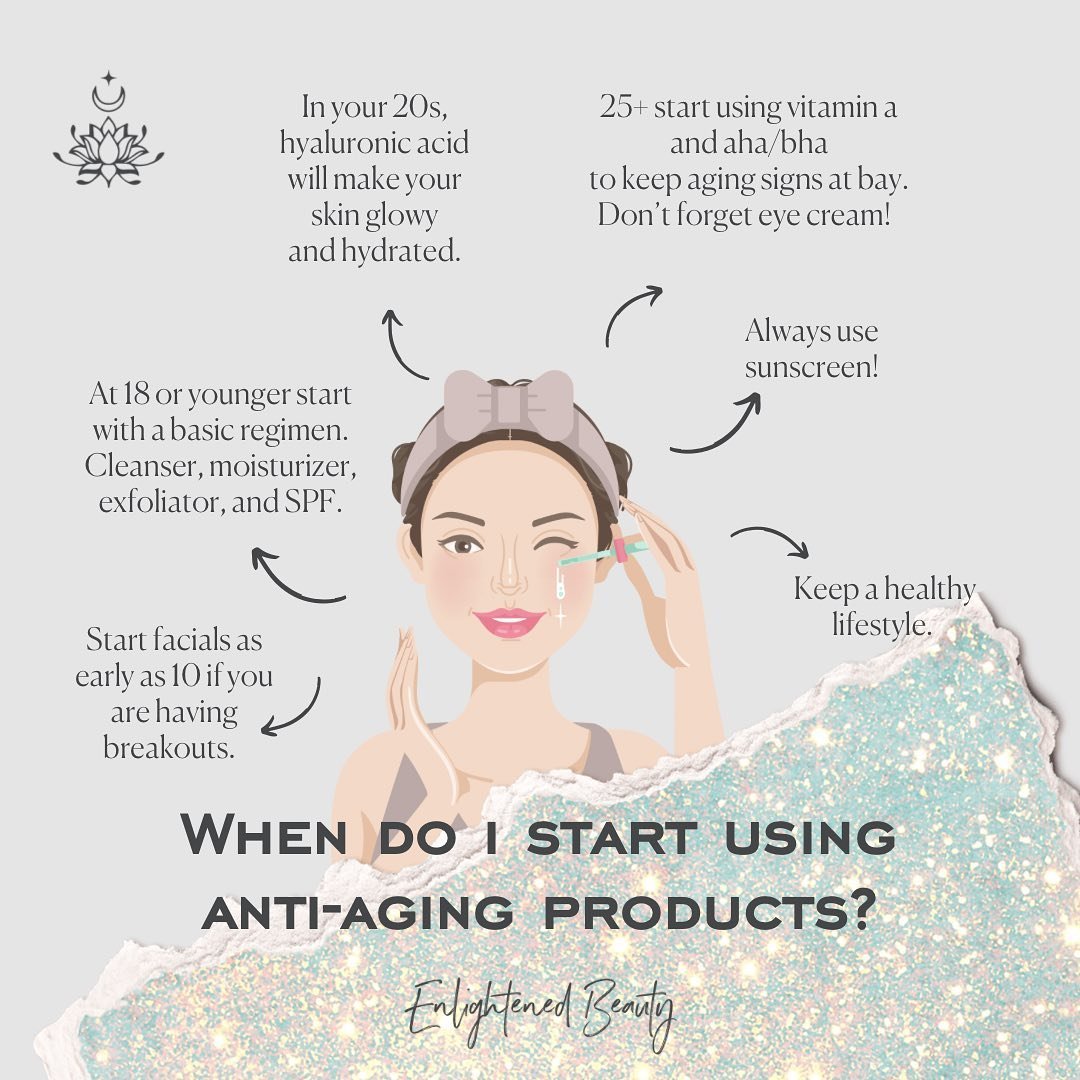
Credit: www.enlightenedbeautysacramento.com
Frequently Asked Questions
What Is A Good Age To Start A Skincare Routine?
A good age to start a skincare routine is around 12-14 years. Begin with gentle cleansing and daily sunscreen. Adjust products as skin changes, avoiding harsh ingredients early. Establishing habits early helps prevent future skin issues and supports healthy skin development.
What Age Is Ideal To Start Skincare Products?
Starting skincare around age 12-14 is ideal, focusing on gentle cleansing and sun protection. Early care builds good habits and helps prevent future issues.
When Should Teens Begin Anti-aging Skincare?
Teens should avoid strong anti-aging products. Instead, focus on cleansing, moisturizing, and sunscreen to protect skin without irritation.
How Do Skincare Needs Change With Age?
Skincare routines evolve as skin matures. Younger skin benefits from basics, while adults can add targeted anti-aging ingredients gradually.
Conclusion
Starting skincare early helps protect and nourish your skin well. Basic steps like cleansing and sunscreen suit all ages. Avoid strong chemicals until your skin is ready. Adjust your routine as your skin changes over time. Healthy habits build a strong foundation for the future.
Remember, gentle care keeps your skin happy and glowing. Simple, consistent care works best for every age.

“As the voice behind Radiant Glow Health, we are dedicated to being your ultimate wellness and vitality companion. Our mission is to inspire and guide you on your journey to a healthier and more vibrant life. Join us as we explore holistic health practices and empower you to radiate wellness from within.”