How do you know when it’s time to focus on self-care? You might think you’re managing just fine, but your body and mind often send quiet signals that something’s off balance.
Maybe you’re feeling more tired than usual, struggling to concentrate, or snapping at people around you. These small signs can quickly grow into bigger problems if ignored. Recognizing when you need self-care isn’t always obvious, but it’s crucial for your well-being.
Keep reading to discover the key signs your mind and body use to tell you it’s time to slow down and recharge—before stress takes over completely. Your health and happiness depend on it.

Credit: www.selfloverainbow.com
Physical Symptoms
Physical symptoms often signal that your body needs rest and care. These signs show up when stress or neglect affects your health. Paying attention to these signals can help you avoid serious problems. Your body communicates through pain, discomfort, and exhaustion.
Ignoring these symptoms only makes things worse. Taking time for self care can relieve physical strain and improve your well-being.
Persistent Pain And Tension
Constant headaches or neck pain suggest your body is under pressure. Muscle tension in the shoulders and back is common. These pains do not go away with normal rest. They can indicate stress or poor posture. Self care like gentle stretching or massage helps reduce tension.
Digestive Issues
Upset stomach, diarrhea, or constipation happen when your body feels stressed. Digestive problems often worsen with anxiety or irregular meals. Your gut reacts to how you feel inside. Drinking water and eating balanced meals support your digestive health. Taking breaks to relax can calm your stomach.
Fatigue And Rapid Heartbeat
Feeling tired all the time is a clear sign of exhaustion. A fast heartbeat without physical activity shows stress on your body. Both symptoms mean your body needs a pause. Resting and practicing deep breathing can lower your heart rate. Prioritize sleep and avoid overworking yourself to recover energy.
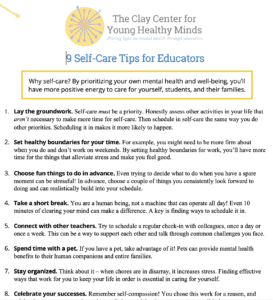
Credit: www.mghclaycenter.org
Emotional Changes
Emotional changes often signal the need for self-care. These shifts affect how you feel and react daily. Paying attention to these feelings helps you act before stress worsens.
Irritability And Mood Swings
Feeling quick to anger or upset more than usual can be a sign. Small problems may cause big reactions. Mood swings make it hard to stay calm or focused. These changes show your mind needs rest and care.
Anxiety And Guilt
Worrying constantly or feeling guilty without clear reason can drain energy. Anxiety may cause nervousness or restlessness. Guilt might make you blame yourself unfairly. Both emotions suggest your emotional health needs attention and kindness.
Loss Of Interest In Activities
Things you once enjoyed may no longer feel fun. Hobbies, social events, or work might seem dull or tiring. This loss of interest often means you need to slow down. Taking time for self-care can help you find joy again.
Cognitive Difficulties
Cognitive difficulties often signal that your mind needs a break. These challenges affect how you think, remember, and process information. They can make daily tasks harder and cause frustration. Recognizing these signs early helps you act before burnout worsens.
Trouble Concentrating
Finding it hard to focus on simple tasks is a warning sign. You may start losing track during conversations or while working. Distractions become more frequent and your attention span shortens. This mental fog suggests your brain needs rest and care.
Forgetfulness
Forgetting appointments, important dates, or where you placed things can increase. These memory slips go beyond normal moments. They may affect your ability to manage daily responsibilities. Forgetfulness often means your mental energy is low and needs replenishing.
Negative Thinking And Worry
Constant worry and negative thoughts can take over your mind. You might feel stuck in a cycle of fear or self-doubt. These feelings drain your mental strength and cause stress. Such patterns signal a need to pause and focus on self-care.
Behavioral Shifts
Increased substance use often signals a need for self care. Stress and overwhelming emotions push many toward habits that offer quick relief. These habits may seem harmless at first but can cause long-term harm. Recognizing these changes early helps you take action before problems grow.
More Smoking
Smoking more than usual can show rising stress levels. Nicotine might feel like a quick fix for anxiety or tension. This habit often grows when self care is lacking. Noticing an increase in smoking means it’s time to pause and care for your mental health.
Higher Alcohol Consumption
Drinking more alcohol can mask feelings of sadness or worry. It may seem easier to escape stress through a few drinks. However, this can deepen emotional struggles. A rise in alcohol use is a clear sign to focus on self care and healthier coping methods.
Excessive Caffeine Intake
Turning to caffeine for energy or focus is common during stress. Drinking too much coffee or energy drinks can disrupt sleep and increase anxiety. This cycle worsens without proper rest and relaxation. Watching your caffeine intake helps protect your well-being and signals when self care is needed.
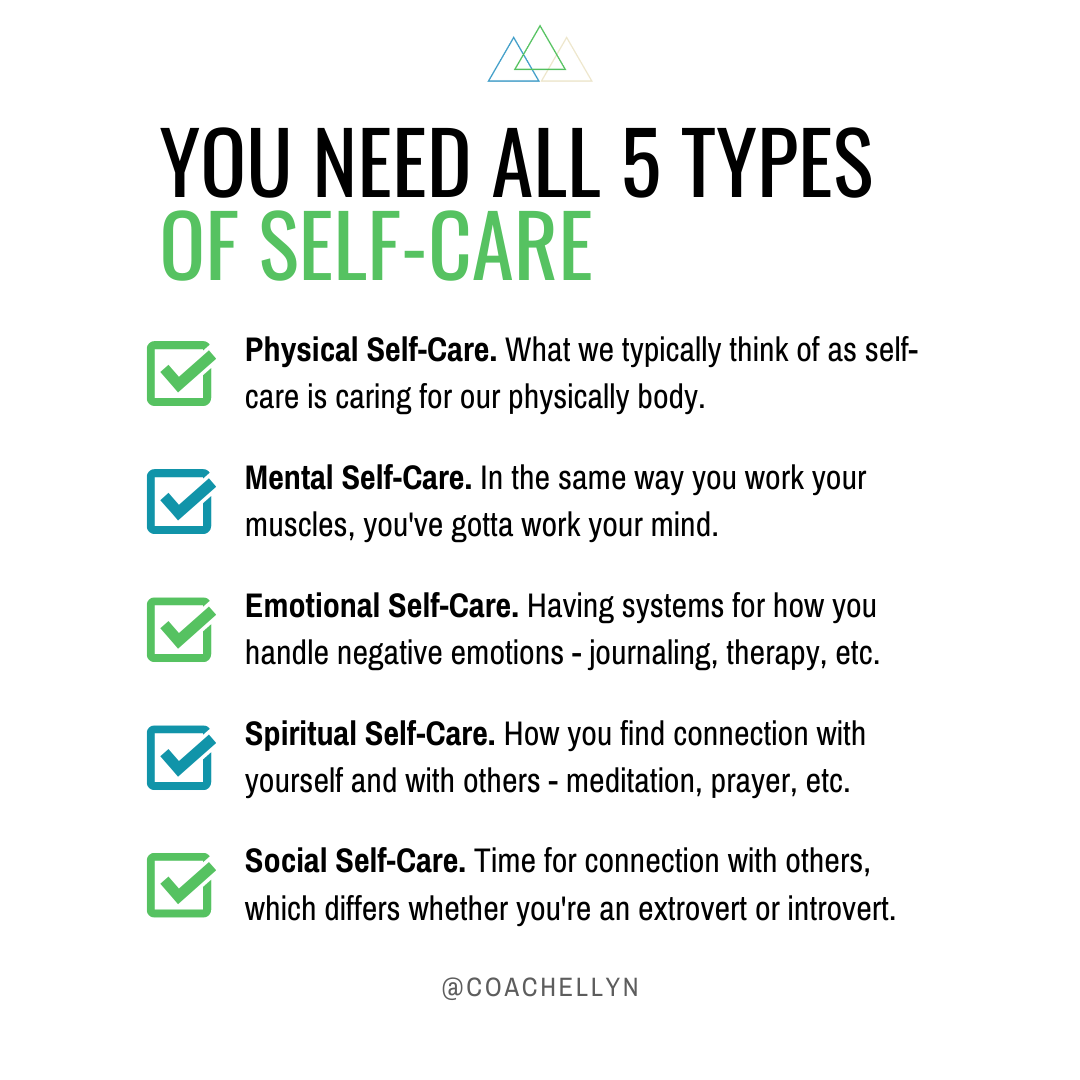
Credit: www.coachellyn.com
Frequently Asked Questions
How Do I Know When I Need Self-care?
You need self-care when stress overwhelms you, sleep or appetite change, negative thoughts increase, or joy fades from daily activities. Physical pain, irritability, forgetfulness, and social withdrawal also signal the need for self-care. Recognize these signs early to manage stress effectively.
What Are The Symptoms Of Lack Of Self-care?
Symptoms of lack of self-care include persistent fatigue, headaches, irritability, anxiety, trouble concentrating, mood swings, sleep and appetite changes, social withdrawal, and increased substance use.
What Are 5 Warning Signs Of Stress?
Five warning signs of stress include headaches, irritability, trouble focusing, sleep changes, and increased caffeine or alcohol use.
What Is The 3-3-3 Rule In Mental Health?
The 3-3-3 rule helps manage anxiety by focusing on 3 things you see, 3 you hear, and 3 physical movements. It anchors you to the present moment and reduces stress quickly.
Conclusion
Noticing signs like headaches, mood swings, or trouble focusing matters. These clues show your mind and body need care. Taking time for yourself helps reduce stress and improve well-being. Small steps, like better sleep or healthy meals, make a difference.
Don’t ignore these signals; they protect your health. Self-care is not selfish—it’s essential for balance. Listening to your needs keeps you strong and calm. Prioritize self-care to feel better every day.

“As the voice behind Radiant Glow Health, we are dedicated to being your ultimate wellness and vitality companion. Our mission is to inspire and guide you on your journey to a healthier and more vibrant life. Join us as we explore holistic health practices and empower you to radiate wellness from within.”