Have you ever found yourself dreading the very things meant to help you feel better? Self-care is supposed to refresh and recharge you, yet sometimes it feels more like a heavy task or another item on an endless to-do list.
If you’ve ever wondered, “Why does self-care feel like a chore? ”—you’re not alone. This feeling often comes from a mix of mental exhaustion, pressure to be productive, and deep-rooted beliefs that make caring for yourself seem selfish or overwhelming.
But understanding why self-care feels so hard is the first step to making it easier and more natural. Keep reading to discover what might be holding you back and how to turn self-care from a burden into a genuine boost for your well-being.
Mental Barriers
Mental barriers often block the path to self-care. These invisible walls create resistance and make simple acts feel like heavy tasks. Understanding these barriers can help in breaking them down.
Many mental health challenges and inner conflicts cause self-care to feel more like a duty than a relief. This section explores the main mental barriers that turn self-care into a struggle.
Depression And Anxiety Effects
Depression and anxiety drain your energy and cloud your mind. Tasks that seem easy to others can feel impossible. Planning, deciding, or starting self-care feels overwhelming. Negative thoughts tell you that you are not worth the effort. This cycle reduces motivation and makes self-care feel like a heavy chore.
Burnout’s Impact
Burnout comes from long-term stress without rest. It leaves you exhausted, both physically and mentally. When burnt out, even small self-care acts seem too big. Lack of energy and constant fatigue stop you from trying. Burnout traps you in a loop of exhaustion and neglect.
Shame And Guilt
Many feel shame or guilt when taking time for themselves. They worry about being selfish or lazy. Caregivers often put others first and feel guilty about self-care. These feelings create a mental block, making self-care seem wrong. Shame and guilt rob you of deserved rest and kindness.
Perfectionism Pitfalls
Perfectionism sets impossible standards for self-care. You might believe that if it is not perfect, it is useless. This mindset causes frustration and giving up. Small, imperfect efforts are seen as failures. Perfectionism stops progress by making self-care feel like a test with no passing grade.
Societal Pressures
Self-care often feels like a burden because of many social expectations. Society shapes how we see self-care and influences our daily choices. These pressures make caring for ourselves seem less important or even wrong. Understanding these forces helps explain why self-care feels like a chore.
Culture Of Productivity
Our culture values constant work and achievement. People feel pressure to always do something useful. Rest or relaxation looks like wasting time. This mindset makes self-care seem unproductive or selfish. It creates guilt for taking breaks or focusing on personal needs.
Putting Others First
Many learn to put others before themselves. Parents, workers, and friends often feel responsible for everyone else. This habit leaves little room for self-care. People believe their needs are less important than others’. It becomes hard to prioritize self-care without feeling selfish or guilty.
Overwhelm And Time Scarcity
Busy schedules add to the struggle. Many feel overwhelmed by endless tasks and responsibilities. Finding time for self-care feels impossible. Time scarcity makes self-care appear like a low priority. When life is hectic, self-care can feel like just another chore on the list.
Internal Beliefs And Habits
Internal beliefs and habits shape how we view self-care. They influence whether self-care feels natural or like a burden. These thoughts often form early and grow stronger over time. Understanding these roots helps explain why self-care can feel like a chore.
Misconceptions About Self-care
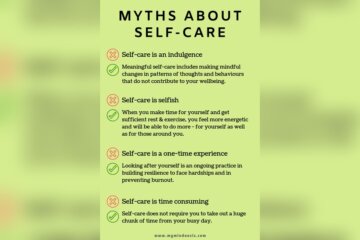
Many think self-care means luxury or selfishness. This wrong idea makes it hard to prioritize. Some believe self-care must be perfect or grand. This causes stress and stops people from trying. Real self-care is simple and personal. It can be small actions that refresh your mind and body.
Influence Of Childhood
Childhood experiences shape habits and beliefs deeply. If care was seen as weakness, adults avoid it. Some grow up thinking they must always work hard. This blocks time for self-care and rest. Early messages about worth affect adult self-care habits. Changing these beliefs takes awareness and patience.
Lack Of Self-awareness
Not knowing your needs makes self-care hard. People often rush without checking how they feel. This leads to ignoring signs of stress or fatigue. Developing self-awareness helps recognize when care is needed. It creates a clearer, kinder way to approach self-care. Simple mindfulness practices support this awareness.
Credit: malaica.com
Simple Steps To Ease
Self-care often feels like a task on an endless to-do list. This feeling can make it hard to enjoy or even start. Simple steps can make self-care feel lighter and more natural. These small changes can help build a habit without stress. The goal is to find ease and comfort in caring for yourself.
Starting Small
Begin with tiny actions that fit easily into your day. A five-minute walk or a few deep breaths count. Small steps reduce pressure and make self-care less overwhelming. These little wins add up and build confidence. Over time, you can increase the time or effort gently.
Reframing Self-care
Think of self-care as a way to recharge, not a duty. It is not selfish or extra work. Self-care helps you feel better and do better. Change your mindset to see it as a necessity, like eating or sleeping. This shift makes it easier to accept and enjoy self-care.
Practicing Self-compassion
Be kind to yourself during self-care efforts. Skip harsh self-judgment or guilt if you miss a day. Treat yourself as you would a good friend in need. Understanding your limits helps reduce stress and frustration. Self-compassion encourages you to keep trying without pressure.
Finding Joy In Care
Finding joy in self-care changes how it feels. Instead of a task, it becomes a time to relax and recharge. Joy makes self-care easier and less like a chore. Discover ways to enjoy caring for yourself every day.
Personalizing Your Routine
Self-care is personal. Choose activities that fit your likes and needs. It could be reading, walking, or listening to music. Small changes make self-care feel good. Avoid copying others’ routines exactly. Tailor your care to your mood and energy levels. Personalizing helps keep self-care fresh and enjoyable.
Celebrating Small Wins
Every small step matters. Did you drink enough water today? Took a short break? Celebrate it. These wins build positive feelings. They show progress and keep motivation alive. Recognize your efforts, no matter how small. This habit turns self-care into a rewarding experience. Celebrate often to keep joy alive.
Building Sustainable Habits
Start with easy habits you can keep. Consistency beats intensity. A simple morning stretch or a few deep breaths daily can help. Over time, these habits grow stronger and easier. Sustainable self-care fits into your life naturally. This reduces stress and guilt. Keep habits simple and realistic for long-term joy.

Credit: www.taanvi.us

Credit: positivereseteatontown.com
Frequently Asked Questions
Why Do I Struggle So Much With Self-care?
Struggling with self-care often stems from mental health issues, burnout, perfectionism, societal pressure, and feeling overwhelmed. Negative beliefs about deserving care also block motivation. Start small, challenge these thoughts, and practice kindness toward yourself to improve self-care habits effectively.
Why Do I Feel Unmotivated To Take Care Of Myself?
Feeling unmotivated to care for yourself often stems from mental health struggles, burnout, perfectionism, or societal pressures. Beliefs that self-care is selfish or unimportant also block motivation. Overwhelm, lack of energy, and not knowing where to start can make self-care feel impossible.
What Are The 4 C’s Of Self-care?
The 4 C’s of self-care are: Care, Connection, Creativity, and Calm. They support overall well-being and balance.
Why Is Self-care So Hard For Adhd?
Self-care feels hard for ADHD due to impaired focus, low motivation, overwhelm, and difficulty planning. Perfectionism and guilt also block action.
Conclusion
Self-care often feels like a chore because of many hidden reasons. Mental health struggles, such as anxiety and depression, drain energy and hope. Pressure from society pushes us to keep working without rest. Sometimes, we think self-care must be perfect or fancy, which stops us from trying.
Remember, self-care is simple and basic—like eating well or resting. Small steps matter more than big efforts. Give yourself permission to slow down and care for your needs. Over time, self-care can become a natural, gentle part of your life.

“As the voice behind Radiant Glow Health, we are dedicated to being your ultimate wellness and vitality companion. Our mission is to inspire and guide you on your journey to a healthier and more vibrant life. Join us as we explore holistic health practices and empower you to radiate wellness from within.”