You’ve been sticking to your diet and hitting the gym regularly, but the scale just won’t budge. You wonder, “Why is diet and exercise not working for me?” It’s frustrating when all your hard work seems to lead nowhere.
The truth is, your body is smarter than you think—it adapts, hides calories, and responds to stress in ways that can block your progress. But don’t lose hope. You’ll discover the hidden reasons behind your weight loss stall and simple, powerful changes you can make to finally see real results.
Keep reading—your breakthrough is closer than you think.
Common Weight Loss Plateaus
Hitting a weight loss plateau is common during diet and exercise routines. Your body adapts to new habits, slowing progress. Plateaus can feel frustrating and confusing. Understanding common causes helps overcome this hurdle. Two main reasons often stop progress: repetitive workouts and calorie intake mistakes.
Repetitive Workouts
Doing the same exercises repeatedly lowers their effectiveness. Your body becomes efficient, burning fewer calories. Muscles stop growing or getting stronger. This slows metabolism and weight loss. Changing workouts every few weeks keeps your body challenged. Adding variety improves fat burning and muscle tone. Include strength training to build muscle, which raises metabolism. Mix cardio and resistance exercises for best results.
Calorie Intake Mistakes
Many underestimate how many calories they eat daily. Hidden calories in sauces, snacks, and drinks add up quickly. Not eating enough protein reduces fullness and muscle preservation. Large cheat meals can cancel a week’s calorie deficit. Overestimating calories burned during exercise causes eating more than planned. Track all food and drink carefully. Use a food diary or app for accuracy. Proper calorie control is key to breaking plateaus.

Credit: www.thewellnesscorner.com
Hidden Calories Impact
Many people struggle with weight loss despite following diet and exercise plans. One key reason is hidden calories. These extra calories sneak into your daily intake without notice. They can stop progress and cause frustration. Understanding hidden calories helps you make better choices and reach your goals.
Sauces And Drinks
Sauces and dressings often contain sugar, fat, and calories. Many add more calories than expected. Drinks like soda, juice, and flavored coffee also add sugar and calories. Even small amounts can add up fast. Choose water or unsweetened drinks to avoid hidden calories.
Portion Sizes
Portion sizes at home and restaurants have grown over time. Eating large portions can increase calorie intake unknowingly. Using smaller plates and measuring food helps control portions. Be mindful of serving sizes on packaged foods too.
Processed Vs Whole Foods
Processed foods often contain added sugars, fats, and salt. These increase calorie content without filling you up. Whole foods like fruits, vegetables, and lean proteins keep you full longer. They have fewer hidden calories and more nutrients.
Exercise Challenges
Exercise is a key part of any fitness plan. Yet, many people find their workouts are not giving expected results. Challenges with exercise routines can slow or stop progress. Understanding these challenges helps to adjust and improve your fitness journey.
Small changes in how you exercise can lead to better results and avoid frustration.
Body Adaptation To Routine
The body quickly adapts to the same exercises. This means workouts become easier over time. When this happens, fewer calories burn during exercise. Muscle growth may slow down. The body needs new challenges to keep improving. Changing exercises every few weeks keeps the body guessing. This helps prevent plateaus and supports continued progress.
Cardio Vs Strength Training
Cardio burns calories and improves heart health. But too much cardio can reduce muscle mass. Strength training builds muscle, which increases metabolism. More muscle means more calories burned at rest. A good balance of cardio and strength training is important. Many people focus only on cardio and miss muscle-building benefits. Adding strength workouts can boost fat loss and shape your body.
Effects Of Over-exercising
Exercise is good but too much can harm progress. Over-exercising causes fatigue and muscle soreness. It can lead to inflammation and slower recovery. The body may hold onto fat as a stress response. Overdoing workouts also raises injury risk. Rest days and recovery are vital for results. Listen to your body and avoid pushing too hard. Balance exercise with rest to support weight loss and fitness.

Credit: www.vox.com
Lifestyle Factors Affecting Progress
Many people struggle with diet and exercise despite their best efforts. Lifestyle factors often play a crucial role in this lack of progress. These factors influence how your body responds to food intake and physical activity. Understanding and addressing them can help break through plateaus and improve results.
Sleep Disruption
Sleep is vital for body repair and hormone balance. Poor sleep increases hunger hormones like ghrelin. It lowers leptin, the hormone that signals fullness. This imbalance leads to overeating and cravings. Lack of sleep also slows metabolism and reduces energy for exercise. Aim for 7 to 9 hours of quality sleep each night to support your diet and fitness goals.
Stress Hormones
Stress triggers the release of cortisol, a hormone linked to fat storage. High cortisol levels cause the body to hold onto belly fat. Stress also increases appetite and cravings for unhealthy foods. Chronic stress can disrupt sleep and reduce motivation to exercise. Managing stress through relaxation techniques can help balance hormones and support weight loss.
Hydration Importance
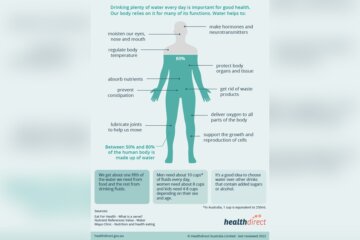
Water is essential for metabolism and overall health. Dehydration slows down your metabolic rate. It can also cause feelings of hunger when your body actually needs fluids. Drinking enough water helps control appetite and improves exercise performance. Aim to drink at least 8 cups of water daily, more if you are active or live in a hot climate.
Tracking And Measuring Success
Tracking and measuring success is key to understanding why diet and exercise may not be working. Without proper tracking, progress can be hard to see. Many people focus only on the scale, missing other important signs of improvement. Measuring different factors helps paint a clearer picture of your health journey.
Accurate Calorie Logging
Logging calories accurately is essential. Many underestimate how much they eat. Hidden calories in drinks or snacks add up quickly. Use a food diary or app to record every bite and sip. Measure portions instead of guessing. This helps maintain a true calorie deficit or balance. Consistency in logging leads to better results.
Body Measurements
Body measurements show changes the scale misses. Take measurements of your waist, hips, chest, and arms regularly. Muscles weigh more than fat, so your weight might stay the same while your body changes. Measurements track fat loss and muscle gain. They provide motivation when the scale seems stuck.
Non-scale Victories
Non-scale victories reveal progress beyond numbers. Notice how your clothes fit better or your energy increases. Improved sleep, mood, or strength counts too. Celebrate lifting heavier weights or running longer distances. These wins keep you motivated and focused on health, not just weight.

Credit: www.npr.org
Workout Variety For Progress
Workout variety plays a key role in breaking through fitness plateaus. Doing the same exercises repeatedly causes the body to adapt. This adaptation slows progress and reduces results. Changing your routine challenges muscles in new ways and boosts metabolism. Mixing different workout styles also keeps motivation high. A varied workout plan helps maintain steady improvements over time.
High-intensity Interval Training
High-Intensity Interval Training (HIIT) combines short bursts of intense effort with rest periods. This method burns more calories in less time. HIIT improves cardiovascular health and increases fat loss. It also helps prevent boredom by switching between exercises quickly. Adding HIIT to your routine stimulates muscle growth and endurance. Try different intervals and exercises to keep your body guessing.
Incorporating Strength Training
Strength training builds muscle, which raises your resting metabolism. More muscle means your body burns more calories even at rest. Lifting weights or using resistance bands strengthens bones and joints. Changing your strength workouts every few weeks prevents plateaus. Include exercises targeting all major muscle groups for balanced progress. Strength training supports long-term weight loss and body shaping.
Holistic Approaches Beyond Diet And Exercise
Diet and exercise are important. Yet, they do not always bring results. The body is complex and needs more than just food and workouts. Holistic approaches look at the whole picture. They help fix hidden problems that block progress.
These methods focus on managing stress and sleep, improving nutrient quality, and seeking medical advice. Each plays a key role in health and weight management.
Managing Stress And Sleep
Stress raises cortisol levels. High cortisol can cause weight gain and fat storage. It also makes the body hold on to fat.
Poor sleep disrupts hunger hormones. Ghrelin increases, making you feel hungrier. Leptin decreases, reducing feelings of fullness. This imbalance leads to overeating.
Good sleep and stress control improve metabolism. Practices like meditation, deep breathing, and regular sleep schedules help. These support your diet and exercise efforts.
Improving Nutrient Quality
Not all calories are equal. Quality matters more than quantity alone. Whole foods provide vitamins, minerals, and fiber. These nutrients support body functions and fat loss.
Processed foods often lack nutrients and contain hidden sugars. These can cause cravings and slow progress. Eating a balanced diet with lean proteins, healthy fats, and vegetables is key.
Better nutrient quality fuels workouts and aids recovery. It also keeps energy levels stable throughout the day.
Seeking Medical Advice
Some health conditions affect weight loss. Thyroid problems, hormonal imbalances, and medication side effects are common barriers.
A doctor can run tests and provide diagnosis. They help identify if a medical issue blocks progress. Treatment or adjustments can then be made.
Working with healthcare professionals ensures a safe and effective plan. It complements diet and exercise for lasting results.
Patience And Consistency
Patience and consistency form the backbone of any successful diet and exercise plan. Many people expect quick results and feel frustrated when changes do not appear immediately. The body needs time to adjust to new habits, and steady effort is key to long-term progress.
Building new habits takes weeks or even months. Skipping this reality can lead to giving up too soon. Consistent actions, even small ones, create lasting change. It is important to stay committed and trust the process.
Allowing Time For Adaptation
The body adapts gradually to diet and exercise changes. Muscles grow stronger, metabolism shifts, and fat loss occurs slowly. Rapid results often come with temporary methods that are hard to sustain.
Patience allows your body to respond naturally. Consistent workouts and balanced meals help the body improve step by step. Avoid rushing or expecting overnight success. This helps maintain motivation and reduces burnout.
Avoiding Unrealistic Expectations
Setting goals that are too high can cause disappointment. Weight loss and fitness improvements rarely happen in a straight line. Plateaus and small setbacks are normal parts of the journey.
Focus on progress, not perfection. Celebrate small wins like better energy or stronger muscles. Realistic expectations encourage persistence and reduce stress. Remember, real change takes time and steady effort.
Frequently Asked Questions
Why Is My Body Not Responding To Diet And Exercise?
Your body may resist diet and exercise due to hidden calories, muscle gain, plateaus, stress, poor sleep, or inconsistent tracking. Adjust workouts, track food accurately, manage stress, and ensure enough protein to see progress.
Why Am I Not Losing Weight With Diet And Exercise?
You may not lose weight due to hidden calories, muscle gain, sleep issues, stress, or exercise plateaus. Track calories, add strength training, manage sleep and stress, and measure progress beyond the scale for better results.
What To Do If Diet And Exercise Don’t Work?
Track calories carefully and adjust your intake. Add strength training to boost metabolism. Manage stress and improve sleep quality. Change your workout routine regularly to avoid plateaus. Consult a healthcare professional for personalized advice.
Why Am I Not Seeing Results From Working Out And Eating Healthy?
You may hit a plateau by repeating workouts or eating hidden calories. Track intake, vary exercises, add strength training, manage stress, and ensure enough sleep for progress.
Conclusion
Diet and exercise might not work due to many hidden reasons. Your body can adapt, causing progress to slow down. Small calorie mistakes and routine workouts often block results. Stress, poor sleep, and hydration also affect your efforts. Try tracking food carefully and changing your exercise type.
Add strength training and manage stress for better outcomes. Stay patient and watch for small changes beyond the scale. Progress takes time, but consistent habits lead to success. Keep focusing on healthy choices and listen to your body.

“As the voice behind Radiant Glow Health, we are dedicated to being your ultimate wellness and vitality companion. Our mission is to inspire and guide you on your journey to a healthier and more vibrant life. Join us as we explore holistic health practices and empower you to radiate wellness from within.”