
“Why Diet Doesn’T Work?”
Have you ever wondered why, despite all your efforts, diets just don’t seem to work for you? You’re not alone.
Many people start a diet with hope and motivation, only to feel frustrated when the pounds come back—or even more. The truth is, dieting often fights against your body’s natural signals and biology. When you follow strict rules about what and when to eat, you ignore the powerful messages your body sends to regulate hunger and energy.
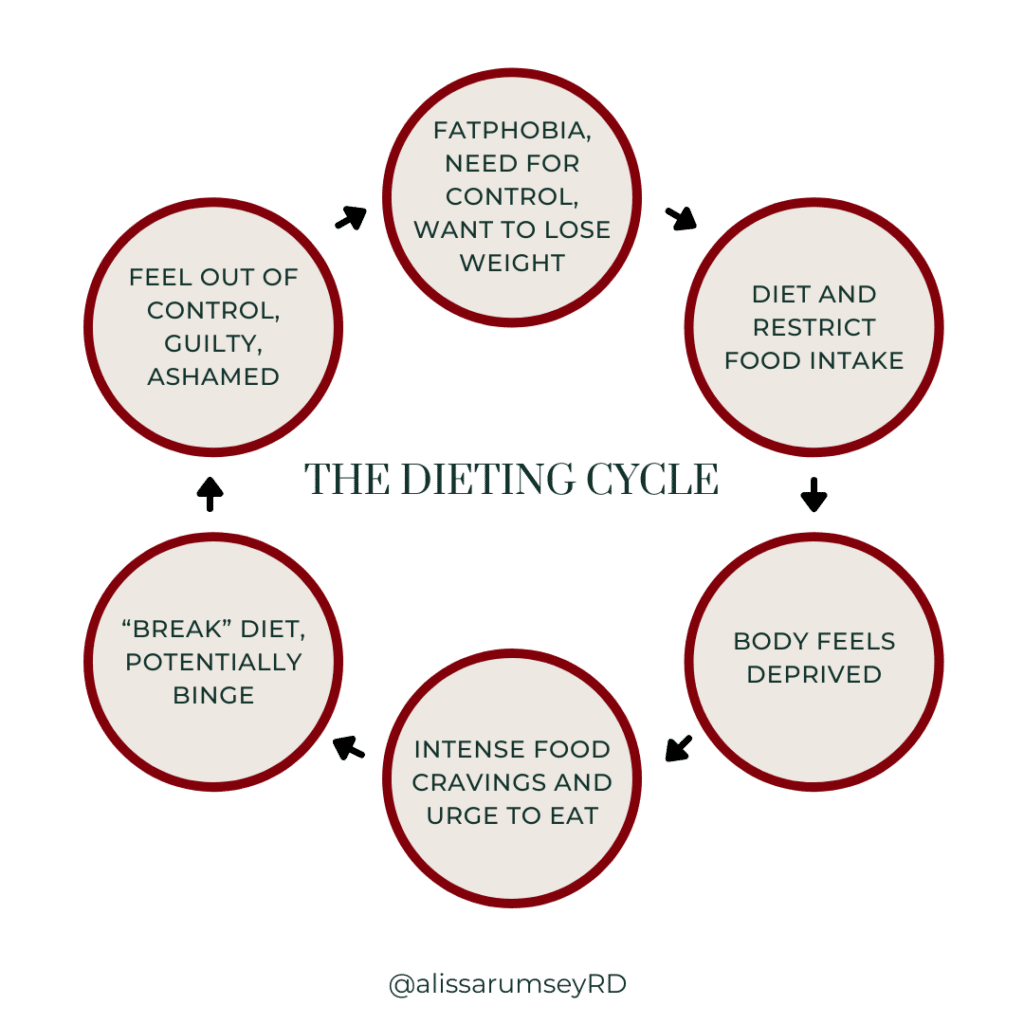
This can lead to a vicious cycle of craving, restriction, and eventual bingeing. You’ll discover the real reasons diets fail and how understanding your body can help you break free from the dieting trap once and for all. Keep reading to learn why it’s not your fault and what you can do instead to achieve lasting change.
Dieting And Body Signals
Dieting often ignores the natural signals our bodies send about hunger and fullness. These signals help maintain balance in energy and nutrients. When dieting, many people suppress or overlook these important cues. This can confuse the body’s regulation system. Understanding how dieting affects these signals explains why diets often fail.
Ignoring Hunger Cues
Hunger cues are the body’s way of asking for food. Diets usually set strict eating times or limit calories. This forces people to eat when they are not hungry or skip meals despite hunger. Ignoring these cues can lead to overeating later. The body tries to protect itself by increasing hunger signals. This cycle makes dieting hard to maintain.
Impact On Body Regulation
The body regulates weight through hormones and signals. Dieting disrupts this natural system. When the body senses food restriction, it slows down metabolism. It stores more fat to save energy. This defense mechanism can cause weight gain after dieting. Hormones like leptin and ghrelin, which control hunger and fullness, get unbalanced. This makes it difficult to trust body signals again.
Credit: alissarumsey.com
Biological Barriers To Weight Loss
Biological barriers play a major role in why diets often fail. Our bodies are designed to protect against weight loss. These natural defenses make losing weight much harder than it seems. Understanding these barriers helps explain why dieting alone rarely works.
Metabolic Slowdown
When you cut calories, your metabolism slows down. The body burns fewer calories to save energy. This slowdown makes further weight loss more difficult. The body thinks it faces starvation and conserves fuel. This response often leads to weight plateaus or regain.
Hormonal Shifts
Dieting triggers changes in key hormones. Hormones like leptin and ghrelin control hunger and fullness. Leptin decreases, making you feel hungrier. Ghrelin increases, causing stronger cravings. These shifts push you to eat more. They work against your goal to lose weight.
Brain Response To Dieting
The brain reacts strongly to food restriction. It increases reward signals tied to eating. This makes dieting feel more stressful and unpleasant. The brain also lowers motivation for physical activity. These changes make sticking to a diet very hard. The brain fights to restore lost weight.
Psychological Effects Of Dieting
Dieting often affects the mind as much as the body. The psychological effects of dieting can make weight loss feel like a constant battle. Strict rules and limits can create mental stress. This stress can lead to harmful patterns that undo dieting efforts. Understanding these effects helps explain why diets often fail.
Deprivation And Binge Cycles
Dieting usually means cutting out favorite foods. This creates a feeling of deprivation. The brain reacts by craving these forbidden foods even more. Over time, this leads to binge eating episodes. People eat large amounts of food quickly to satisfy those cravings. After bingeing, guilt and shame often follow. This cycle of deprivation and bingeing repeats and damages progress.
Emotional Stress And Eating
Dieting can cause emotional stress and anxiety. Stress affects hunger hormones, making people feel hungrier. Many turn to food for comfort during tough times. This emotional eating is not about hunger but feelings. Diet rules can make this worse by adding pressure to stay perfect. The result is a struggle between emotions and diet rules that is hard to control.
The Set Point Theory
The Set Point Theory explains why dieting often fails to provide lasting results. The theory suggests that each person’s body has a natural weight range it tries to maintain. This weight is controlled by complex biological mechanisms. When weight changes, the body acts to return to this set point. This makes losing weight and keeping it off very difficult for many people.
Body Weight Regulation
The body uses hormones and brain signals to control hunger and energy use. When weight drops below the set point, hunger increases, and metabolism slows. This response encourages the body to regain lost weight. On the other hand, if weight rises above the set point, hunger decreases, and metabolism speeds up. These processes keep body weight stable over time.
Challenges To Sustained Loss
Diets often reduce weight below the set point, triggering strong biological defenses. People feel hungrier and more tired during dieting. The body burns fewer calories, making weight loss slower. After dieting ends, many regain the weight quickly. This cycle leads to frustration and repeated diet attempts. The set point theory shows why simple dieting rarely works long-term.
Limitations Of Restrictive Diets
Restrictive diets often promise quick results but come with many problems. They limit what you can eat, creating a tough routine to follow. These limits can make dieting a negative experience. Understanding their limitations helps explain why many diets fail over time.
Unsustainable Rules
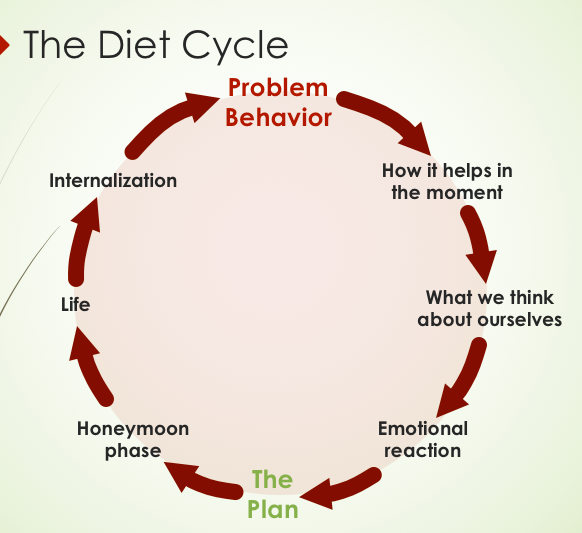
Restrictive diets have strict rules that are hard to keep. Cutting out whole food groups or calories creates hunger and cravings. People feel deprived and lose motivation. The strict nature often leads to giving up or binge eating. This cycle makes long-term success unlikely.
Ignoring Individual Differences
Every person’s body and lifestyle are unique. Restrictive diets do not consider different needs or preferences. What works for one person may not work for another. Ignoring these differences can cause frustration and failure. Personalizing nutrition is key for lasting health and weight control.
Credit: www.nataliejoffe.com
Sustainable Habits For Success
Building sustainable habits is key to long-term health and weight management. Quick diets often fail because they ignore how everyday actions shape our well-being. Small, consistent changes create lasting success. Focus on habits that nourish your body and fit your lifestyle.
Balanced Meals And Nutrition
Eating balanced meals fuels your body properly. Include protein, healthy fats, and complex carbohydrates in every meal. Vegetables add fiber and vitamins that support digestion and energy. Avoid extreme restrictions that can cause cravings and overeating. Eating regular, nutrient-rich meals keeps blood sugar stable and hunger controlled.
Hydration And Its Role
Drinking enough water helps your body function well. Water aids digestion, metabolism, and keeps you feeling full. Start your day with a glass of water to boost hydration. Replace sugary drinks with water to reduce empty calories. Staying hydrated improves energy and supports weight control efforts.
Consistent Physical Activity
Moving your body regularly improves health and mood. Aim for at least three hours of moderate activity each week. Choose activities you enjoy, like walking, cycling, or dancing. Regular exercise builds strength and burns calories gently. Consistency matters more than intensity for long-term success.
Flexible Approaches Over Rigid Diets
Rigid diets often fail because they do not fit real life. Flexible approaches offer a better way. They allow changes based on needs and preferences. This helps people stay consistent and enjoy their food. Flexibility avoids the stress of strict rules. It supports long-term healthy habits and better results.
Adapting To Lifestyle Needs
Every person has a unique daily routine and preferences. Flexible eating plans adjust to these differences easily. They fit work hours, social events, and energy levels. This makes healthy eating less of a burden. People can choose foods that suit their tastes and schedules. The ability to adapt helps maintain balance and avoid burnout.
Importance Of Variety
Eating a wide range of foods gives the body many nutrients. Flexible approaches encourage trying different fruits, vegetables, and proteins. This prevents boredom and nutrient gaps. Variety also supports a healthy gut and strong immune system. It makes meals exciting and satisfying, not repetitive or dull. This diversity keeps people motivated to eat well every day.
Credit: alissarumsey.com
Building Long-term Consistency
Building long-term consistency is the key to overcoming diet failure. Most diets fail because they are hard to maintain. A steady, simple approach helps create lasting change. Consistency means making small, daily choices that fit your life. It is better to focus on habits you can keep forever.
Simplicity And Routine
Simple habits are easier to keep. Complex diets with many rules confuse and tire you out. A routine helps your body and mind adjust. Eating similar meals at regular times creates stability. This reduces stress and temptation to cheat. A clear, easy plan supports your willpower and helps you stay on track.
Listening To Your Body
Your body sends signals about hunger and fullness. Diets often ignore these natural cues. Learning to listen helps you eat the right amount. It stops overeating and under-eating. Pay attention to how food makes you feel. Choose foods that give you energy and satisfaction. Trust your body’s needs rather than strict rules.
Frequently Asked Questions
Why Don’t Diets Actually Work?
Diets often fail because they slow metabolism and increase hunger hormones. Strict rules cause deprivation and bingeing. They ignore individual needs and focus on short-term restriction, leading to weight regain. Sustainable, balanced habits work better for lasting results.
How Did Adele Lose Weight So Quickly?
Adele lost weight quickly by following the Sirtfood Diet, which boosts metabolism and curbs appetite using sirtuin-rich foods.
What Is The 3 3 3 Rule For Weight Loss?
The 3 3 3 rule for weight loss means eating three balanced meals, drinking three liters of water, and exercising three times weekly. It promotes simple, consistent habits for effective fat loss.
Is Diet Really 90% Of Weight Loss?
Diet plays a major role, often around 70-90%, in weight loss by controlling calorie intake and nutrition quality. Exercise and lifestyle also matter for sustainable results.
Conclusion
Diets often fail because they ignore natural body signals. Strict rules make eating stressful and unsustainable. People feel hungry, tired, and frustrated quickly. Lasting health comes from balanced meals and regular movement. Simple habits build strong foundations for well-being. Listening to your body helps maintain progress over time.
Consistency and flexibility matter more than quick fixes. Focus on whole foods and drink enough water daily. Small changes lead to steady, healthy results. This approach respects your body and supports real change.

“As the voice behind Radiant Glow Health, we are dedicated to being your ultimate wellness and vitality companion. Our mission is to inspire and guide you on your journey to a healthier and more vibrant life. Join us as we explore holistic health practices and empower you to radiate wellness from within.”