Are you wondering when the best time is to start using an exercise ball during your pregnancy? You’re not alone.
Many moms-to-be want to know how and when this simple tool can help ease discomfort, improve your posture, and prepare your body for labor. Using an exercise ball at the right time can make a big difference in how you feel throughout your pregnancy and even during delivery.
You’ll discover exactly when to bring the exercise ball into your routine, why it’s so beneficial, and how to use it safely and effectively. Keep reading to learn how this one piece of equipment can become your new best friend on your pregnancy journey.
When To Begin
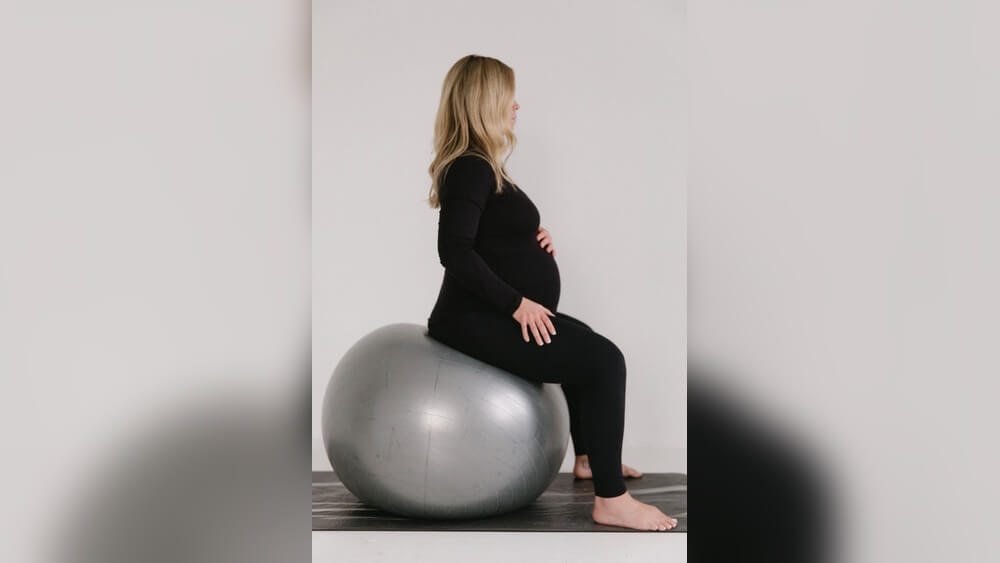
Using an exercise ball during pregnancy offers great pain relief and comfort. Pregnancy often brings discomfort in the lower back and pelvis. The ball helps ease these pains gently. Sitting or moving on it improves posture and reduces pressure. Regular use supports a more comfortable pregnancy journey.
Easing Lower Back Pain
The exercise ball supports the lower back well. Sitting on it encourages gentle movement that loosens tight muscles. Gentle bouncing and rocking reduce stiffness and discomfort. This helps relieve persistent lower back pain common in pregnancy. It also improves blood flow to the area.
Pelvic Pressure Relief
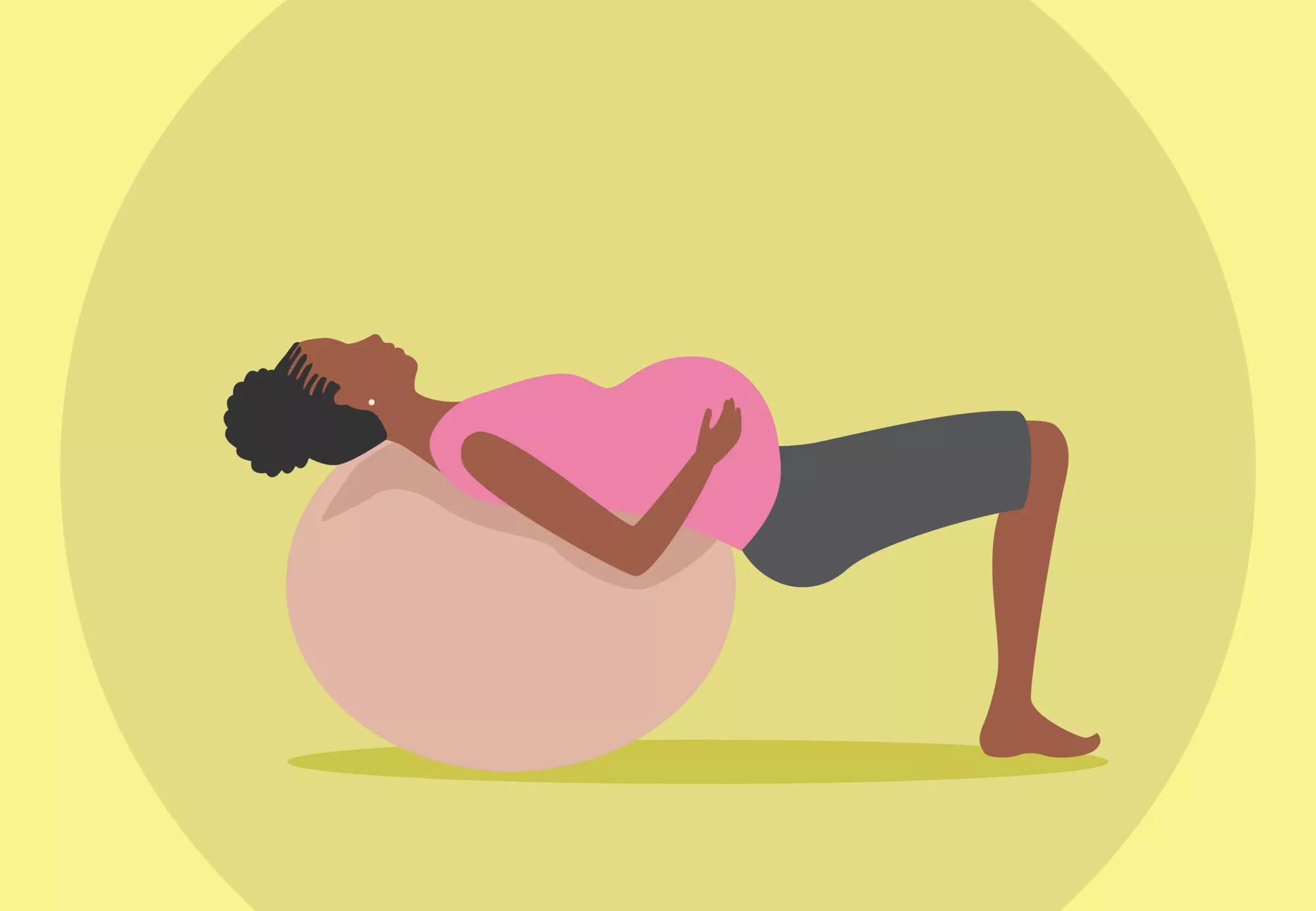
Pelvic pressure increases as the baby grows. Using the ball shifts weight evenly across the pelvis. It reduces strain and pressure on pelvic joints. Leaning forward on the ball opens the pelvis gently. This eases pressure and can make sitting or standing easier.
Improving Posture
The exercise ball encourages a straight, upright posture. Sitting on it activates core muscles naturally. This helps support the spine and prevents slouching. Good posture reduces muscle fatigue and pain. It also aids better breathing and circulation for mother and baby.
Credit: health.clevelandclinic.org
Pain Relief And Comfort
Baby positioning plays a crucial role in labor and delivery. The baby’s position affects comfort during pregnancy and can influence the length and ease of labor. Using an exercise ball helps encourage the baby to move into the best position for birth. It can gently open the pelvis and create more space for the baby to settle head down. This section explains how to use the exercise ball to support optimal baby positioning.
Encouraging Optimal Position
Sitting on the exercise ball promotes a forward-leaning posture. This posture helps the baby align properly in the pelvis. It encourages the baby’s head to move down and fit into the birth canal. Gentle bouncing or rocking on the ball can ease pressure on the back. It also strengthens pelvic muscles, making labor easier. Regular use of the ball maintains good posture and helps the baby stay in the right position.
Dealing With Posterior Babies
Sometimes, babies face the wrong way, called a posterior position. This can cause back pain and slow labor. The exercise ball can help rotate the baby to face the front. Leaning forward on the ball while on hands and knees helps. Gentle hip circles and rocking motions encourage the baby to turn. Sitting upright on the ball also reduces pressure on the tailbone. These movements can make labor smoother and less painful.
Exercises For Engagement
Certain exercises on the exercise ball help the baby engage in the pelvis. Hip circles slowly move the hips in a circle while seated on the ball. Pelvic tilts involve gentle forward and backward rocking. Figure-eights move the hips in the shape of the number eight. These exercises create space and encourage the baby to move lower. Practicing these daily improves pelvic flexibility. It prepares the body for labor and encourages the baby’s optimal position.
Baby Positioning
Preparing for labor often involves finding ways to stay comfortable and active. An exercise ball can play a key role during this time. It supports movement, helps ease pain, and promotes better positioning for birth. Using the ball can make labor less stressful and more manageable.
Staying Mobile During Labor
Keeping mobile during labor can help progress it naturally. Sitting and gently bouncing on the exercise ball encourages pelvic movement. This helps the baby move down the birth canal. Changing positions on the ball can ease muscle tension and reduce discomfort. It also allows more freedom of movement than lying in bed.
Comfort Without Medication
The exercise ball offers natural pain relief. Gentle rocking and swaying on the ball can soothe lower back pain. It helps open the pelvis, easing pressure on the body. This comfort may reduce the need for pain medication. Many women find the ball calming during contractions.
Using The Ball With Epidurals
Even with an epidural, the exercise ball can be useful. It supports proper posture and prevents stiffness. Sitting upright on the ball can improve circulation. It also helps keep the hips flexible. Using the ball encourages movement, which can help labor progress despite numbness.

Credit: www.wikihow.com
Labor Preparation
The exercise ball is a helpful tool for pregnancy workouts. It supports gentle movements that ease discomfort. Many pregnant women find it improves posture and reduces back pain. Below are common exercises you can try with an exercise ball. They are simple and safe for most stages of pregnancy.
Hip Circles
Sit on the exercise ball with feet flat on the floor. Slowly move your hips in a circular motion. This helps loosen your lower back and pelvis. Hip circles increase blood flow and reduce stiffness. They also encourage the baby to move into a better position for birth.
Pelvic Tilts
While sitting on the ball, tighten your abdominal muscles and tilt your pelvis forward. Then tilt it backward slowly. Pelvic tilts strengthen your core and ease lower back pain. They also improve pelvic flexibility. This exercise prepares your body for labor by gently stretching muscles.
Gentle Bouncing
Sit on the ball with feet flat and bounce gently up and down. This movement helps relieve tension in your pelvic area. Gentle bouncing encourages the baby to settle into the pelvis. It also improves balance and stability. Keep the bouncing slow and controlled to stay comfortable.

Credit: www.nutco.es
Frequently Asked Questions
When Should You Start Using A Birthing Ball In Pregnancy?
Start using a birthing ball anytime during pregnancy for comfort, posture, and baby positioning after your provider’s approval.
Does Bouncing On A Birthing Ball Help A Baby Engage?
Bouncing on a birthing ball encourages pelvic movement, helping the baby engage in the pelvis for optimal positioning. It supports labor preparation and eases discomfort.
What Does Bouncing On A Ball Do At 37 Weeks Pregnant?
Bouncing on a ball at 37 weeks eases pelvic pressure, improves baby positioning, and relieves lower back pain. It also promotes relaxation and prepares the body for labor.
What Is The Best Trimester To Use The Ball?
Use the ball anytime during pregnancy with your provider’s approval. It aids posture, eases pain, and helps baby’s positioning, especially in the second and third trimesters.
Conclusion
Using an exercise ball during pregnancy can ease discomfort and improve posture. Start early if comfortable, but always check with your healthcare provider first. Gentle movements like hip circles and pelvic tilts help baby’s position and prepare your body for labor.
Sitting on the ball supports your back and hips throughout pregnancy. Keep your knees level with hips for best results. This simple tool offers comfort and gentle exercise from early pregnancy to labor. Listen to your body and enjoy the benefits safely and steadily.

“As the voice behind Radiant Glow Health, we are dedicated to being your ultimate wellness and vitality companion. Our mission is to inspire and guide you on your journey to a healthier and more vibrant life. Join us as we explore holistic health practices and empower you to radiate wellness from within.”