Are you wondering whether yoga or traditional exercise is the better choice for your health and fitness? You’re not alone.
Many people struggle to decide which path will give them the best results—whether it’s losing weight, building strength, reducing stress, or improving overall well-being. The answer isn’t always simple, because both yoga and exercise offer unique benefits that can transform your body and mind in different ways.
By the end of this article, you’ll have a clearer understanding of which approach suits your goals and lifestyle best. So, let’s dive in and explore what makes yoga and exercise powerful—and discover which one could be more effective for you.
Yoga Benefits
Yoga offers many benefits that improve both the body and mind. It helps build strength and flexibility while promoting balance and proper alignment. Yoga is gentle on joints and supports mental and emotional health. These qualities make yoga a unique practice that complements or even enhances traditional exercise routines.
Strength And Flexibility
Yoga poses engage multiple muscle groups, building strength steadily. Stretching in yoga increases muscle and joint flexibility. Improved flexibility reduces injury risk and eases daily movements. Consistent practice tones muscles without heavy strain. This balance of strength and flexibility supports overall fitness.
Balance And Alignment
Yoga trains the body to maintain better balance. It enhances body awareness and control in various poses. Proper alignment reduces stress on muscles and joints. This focus helps correct posture and prevents injuries. Improved balance also supports coordination in other physical activities.
Low Impact On Joints
Yoga movements are smooth and low-impact. It avoids harsh jolts or sudden twists that harm joints. This makes yoga suitable for people with joint pain or arthritis. Yoga strengthens muscles around joints, providing better support. It allows exercise without worsening joint conditions.
Mental And Emotional Wellness
Yoga includes breathing and meditation techniques that calm the mind. It reduces stress, anxiety, and symptoms of depression. Regular practice improves mood and emotional resilience. Mindfulness in yoga enhances focus and mental clarity. This mental wellness support benefits overall health and daily life.
Exercise Benefits
Exercise plays a vital role in keeping the body healthy and strong. It improves many parts of the body and mind. Regular physical activity helps the heart, muscles, weight, and bones. These benefits support overall well-being and reduce the risk of diseases.
Cardiovascular Health
Exercise strengthens the heart and improves blood flow. It lowers bad cholesterol and raises good cholesterol levels. This reduces the chance of heart disease and stroke. Regular activity helps keep blood pressure in a healthy range. The heart beats more efficiently and pumps more oxygen to the body.
Muscle Building And Endurance
Exercise builds muscle strength and size. It also improves endurance, allowing longer activity without tiredness. Strong muscles support joints and improve balance. This lowers the risk of falls and injuries. Weight lifting and resistance training are great for muscle growth.
Weight Management
Exercise burns calories and helps control weight. It increases metabolism, making the body use energy faster. This helps reduce body fat and maintain a healthy weight. Regular physical activity prevents weight gain and obesity. It also supports better mood and energy levels.
Bone Density Improvement
Exercise, especially weight-bearing activities, strengthens bones. It increases bone density and reduces the risk of fractures. Strong bones prevent osteoporosis and keep the body stable. Activities like walking, running, and lifting weights help bones stay healthy. This is important as people age.
Yoga For Knee Pain
Knee pain limits daily movement and lowers life quality. Yoga offers gentle, low-impact ways to ease knee discomfort. It targets muscles and joints around the knee to build strength and increase flexibility. Yoga also improves alignment and promotes better blood flow. These benefits help reduce pain and support healing.
Muscle Strengthening Poses
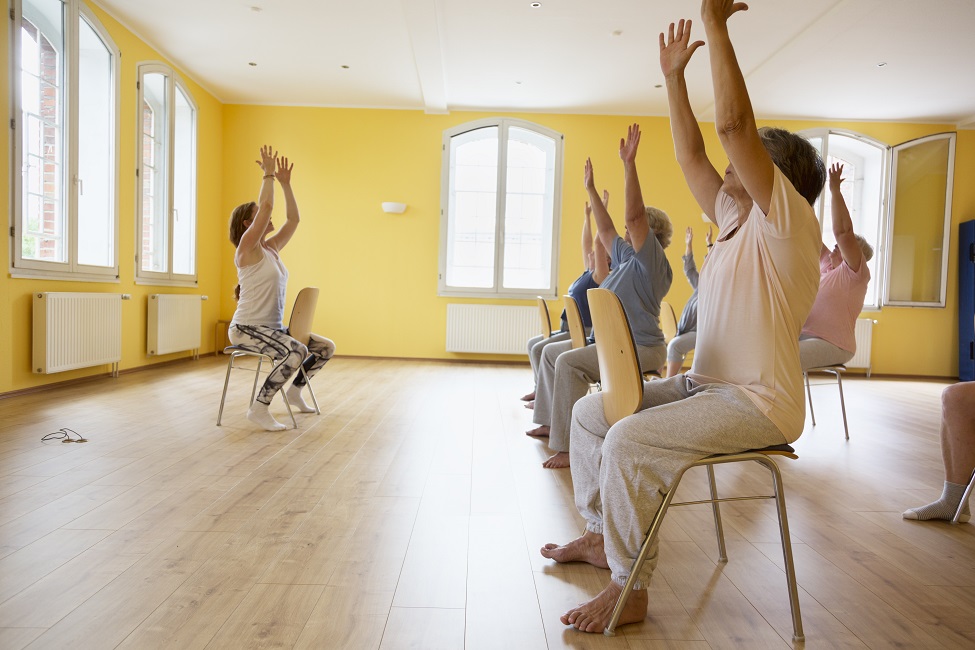
Yoga poses strengthen key muscles supporting the knee. The quadriceps, hamstrings, and glutes gain power to stabilize the joint. Chair Pose and Bridge Pose activate these muscles without strain. Strong muscles absorb pressure and protect the knee from injury.
Flexibility And Mobility
Stretching through yoga eases tight muscles around the knee. Hip flexors, calves, and hamstrings lengthen to improve joint movement. Greater flexibility reduces stiffness and improves knee mobility. Poses like High Lunge gently stretch these areas to increase comfort.
Alignment And Joint Support
Yoga teaches proper body alignment to protect the knees. It encourages correct posture and balanced weight distribution. Avoiding knee overextension reduces joint stress and prevents pain. Mindful alignment during poses supports healthy joint function and long-term relief.
Circulation Boosting Movements
Yoga movements increase blood flow around the knees. Better circulation delivers oxygen and nutrients to tissues. This supports healing and reduces inflammation. Flowing sequences and gentle holds stimulate circulation without impact, aiding recovery and easing discomfort.
Credit: www.fau.edu
Effective Yoga Poses
Effective yoga poses build strength, increase flexibility, and improve balance. These benefits support overall fitness and joint health. Simple poses target key muscle groups and help prevent injuries. Practicing them regularly boosts body awareness and posture.
Below are some powerful yoga poses that work well for strengthening muscles and enhancing mobility. They are suitable for most fitness levels and can be adapted as needed.
Chair Pose
Chair Pose strengthens the thighs, hips, and lower back. It also engages the core and challenges balance. Stand with feet hip-width apart, bend knees, and lower hips as if sitting. Keep arms raised and chest lifted. Hold for several breaths to build endurance.
High Lunge
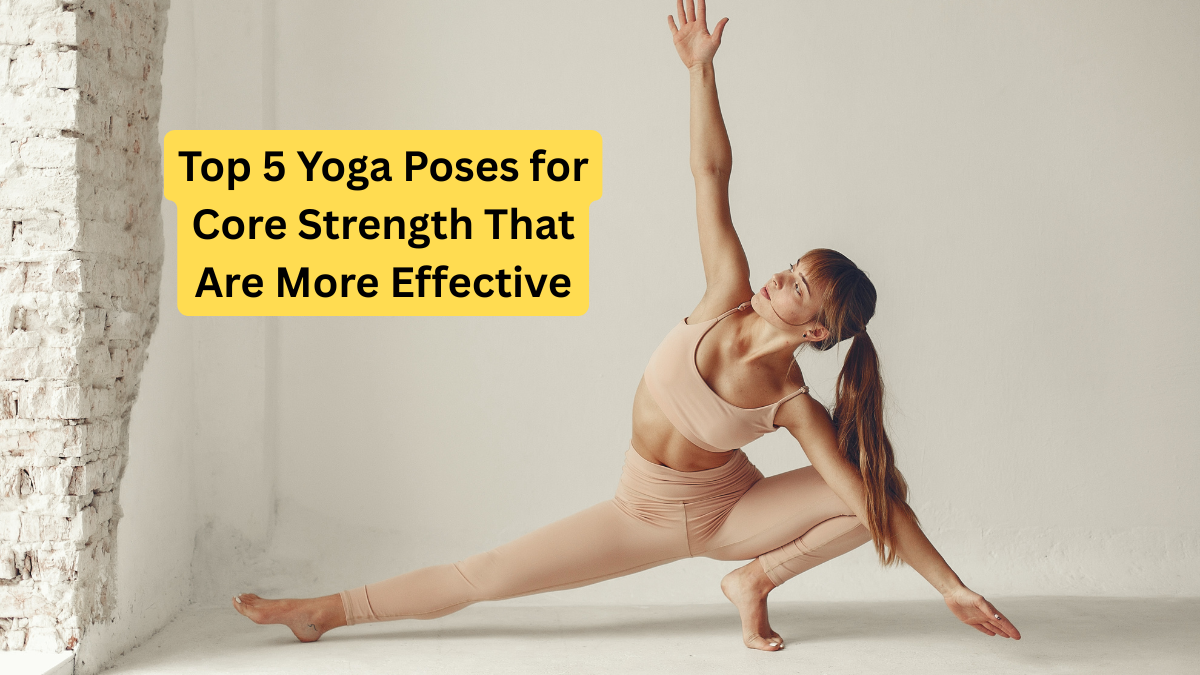
High Lunge opens the hips and stretches the legs. It strengthens the quads, glutes, and calves. Step one foot forward and bend the knee while the back leg stays straight. Keep the torso upright and hands on hips or raised. This pose improves stability and hip flexibility.
Bridge Pose
Bridge Pose strengthens the glutes, hamstrings, and lower back. Lie on your back with knees bent and feet flat. Press into your feet to lift the hips toward the ceiling. Clasp hands under your body or keep arms at your sides. This pose helps support the spine and opens the chest.
Low Lunge
Low Lunge deeply stretches the hip flexors and thighs. From a standing position, step one foot forward and lower the back knee to the ground. Keep the front knee over the ankle and chest lifted. This pose increases hip mobility and releases tension in the legs.
Exercise Types Compared
Exercise comes in many forms, each with unique benefits. Comparing these types helps understand what suits your body and goals best. Some exercises focus on building endurance, others on strength or flexibility. The choice depends on what you want to achieve and how your body responds.
Yoga and traditional exercise overlap in some ways but differ in approach and outcomes. Let’s explore key exercise types to see how they compare.
Aerobic Vs. Anaerobic
Aerobic exercises use oxygen to fuel the body. Examples include walking, running, and cycling. These improve heart and lung health and increase stamina. Anaerobic exercises do not rely on oxygen as the main energy source. They include sprinting and heavy weight lifting. These build muscle strength and power quickly.
Both types help fitness but serve different purposes. Aerobic is great for endurance and fat loss. Anaerobic boosts muscle mass and strength.
Strength Training Vs. Flexibility Training
Strength training uses resistance to build muscle. Examples are lifting weights or bodyweight exercises. It increases muscle mass and bone density. Flexibility training focuses on stretching muscles and joints. Yoga is a prime example. It improves range of motion and reduces injury risk.
Strength training shapes your body and boosts metabolism. Flexibility training helps movement and eases tension.
High Impact Vs. Low Impact
High impact exercises include running and jumping. These put more stress on joints but burn calories fast. Low impact exercises like swimming or yoga are gentler on joints. They suit people with joint pain or those recovering from injury.
High impact helps improve bone strength. Low impact supports joint health and reduces injury risk.
Indoor Vs. Outdoor Options
Indoor exercise offers convenience and controlled conditions. Gyms and home workouts fit this category. Outdoor exercise exposes you to fresh air and sunlight. Running, hiking, and outdoor yoga are common examples.
Indoor workouts protect from weather and distractions. Outdoor workouts boost mood and provide natural scenery.
Fitness Goals And Choices
Choosing between yoga and exercise depends on personal fitness goals. Both offer unique benefits. Some goals favor one over the other. Understanding these can guide your choice. Fitness is not one-size-fits-all. It adapts to what your body and mind need.
Weight Loss
Exercise typically burns more calories than yoga. Activities like running and cycling increase heart rate quickly. This helps shed pounds faster. Yoga, especially vigorous styles, can also aid weight loss. It improves metabolism and builds muscle. Combining both often gives the best results.
Stress Reduction
Yoga excels at calming the mind and body. Its focus on breathing and mindfulness lowers stress. Exercise releases endorphins, which improve mood. Both reduce anxiety but in different ways. Yoga promotes relaxation; exercise boosts energy and confidence.
Rehabilitation And Injury Prevention
Yoga improves flexibility and balance, reducing injury risk. It helps gently rebuild strength after injury. Exercise strengthens muscles and bones but may strain healing tissues. Controlled yoga movements support safe recovery. Exercise must be chosen carefully during rehab.
Improving Athletic Performance
Exercise targets strength, speed, and endurance. It prepares athletes for competition demands. Yoga enhances flexibility, balance, and focus. These improve coordination and reduce muscle tightness. Athletes often use yoga alongside exercise to boost performance.
Limitations Of Yoga
Yoga offers many benefits, but it also has its limits. Understanding these helps to choose the right fitness path. Yoga alone may not meet all fitness goals for everyone. Some challenges can affect how effective yoga is.
Not A Complete Fitness Solution
Yoga focuses on flexibility, balance, and breathing. It does not always build strong muscles or boost heart health. For intense strength or cardio, other exercises work better. People seeking weight loss or muscle gain may need more than yoga.
Need For Proper Technique
Correct posture and movement are key in yoga. Without proper guidance, injuries can happen. Beginners often struggle with poses and alignment. A skilled teacher or clear instructions improve safety and benefits. Poor technique reduces yoga’s effectiveness and can cause pain.
Physical Limitations And Modifications
Not all yoga poses suit every body type or condition. Injuries, age, or health issues may limit practice. Modifications are necessary but not always easy to find. Some may find yoga too gentle or too hard. Awareness of personal limits keeps practice safe and helpful.
Credit: mahavigyan.in
Limitations Of Exercise
Exercise offers many benefits but also has clear limits. It can strengthen muscles, improve heart health, and boost energy. Yet, exercise sometimes causes problems that affect progress and well-being. Understanding these limits helps you choose the best approach for fitness and health.
Risk Of Injury
Exercise can cause injuries like sprains, strains, or fractures. Poor form and heavy weights increase this risk. Sudden moves or overloading joints may lead to pain or long-term damage. Injuries can stop workouts and slow fitness progress.
Overtraining Concerns
Too much exercise can harm the body. Overtraining causes fatigue, muscle soreness, and weak immunity. It may lower motivation and cause sleep problems. Without rest, the body cannot repair itself properly. Balance between work and rest is important.
Mental And Emotional Factors
Exercise can sometimes create stress or frustration. Pressure to meet goals may cause anxiety. Some people feel discouraged if results take time. Mental fatigue reduces enjoyment and consistency. Emotional health matters as much as physical health.
Combining Yoga And Exercise
Combining yoga and exercise creates a powerful path to overall health. Both practices offer unique benefits that work well together. Yoga improves flexibility, balance, and mindfulness. Exercise builds strength, endurance, and cardiovascular health. Together, they form a complete fitness plan that meets many needs.
Balanced Fitness Approach
Yoga and exercise balance body and mind. Exercise challenges muscles and heart. Yoga stretches tight muscles and calms the mind. This balance reduces injury risk and improves recovery. It promotes steady progress in fitness and well-being. A balanced approach keeps workouts interesting and sustainable.
Complementary Benefits
Exercise boosts strength and burns calories. Yoga enhances flexibility and lowers stress. Exercise can increase muscle tension. Yoga helps release that tension with gentle stretches. Exercise improves heart health. Yoga supports breathing and relaxation techniques. Combining both improves posture, joint health, and mental focus.
Sample Weekly Routines
Try alternating yoga and exercise days for variety. For example, do strength training on Monday, yoga on Tuesday, cardio on Wednesday, and yoga on Thursday. Use yoga sessions for active recovery after intense workouts. On weekends, include a longer yoga practice or a light walk. This routine keeps energy up and supports fitness goals.
Choosing What Fits You
Choosing the right fitness path depends on your unique needs and lifestyle. Both yoga and exercise offer health benefits, but the best choice fits your personal situation. Understanding your goals, body condition, and daily habits helps you decide which approach suits you best.
Assessing Personal Goals
Start by defining what you want to achieve. Is your goal to build strength, lose weight, or reduce stress? Yoga improves flexibility and mental calmness. Exercise, such as cardio or weightlifting, often targets muscle growth and endurance. Knowing your main focus guides your choice.
Considering Physical Condition
Your current health affects which option works better. Yoga suits those with joint issues or low stamina because it is low impact. If you have good fitness levels and want intense workouts, traditional exercise might be more effective. Always consider any injuries or medical advice before choosing.
Lifestyle And Preferences
Think about your daily routine and what you enjoy. Yoga requires calm spaces and time for practice and breathing. Exercise may need gym access or outdoor space. Choose the activity you feel motivated to do regularly. Enjoyment increases the chance you will keep it up over time.

Credit: www.youtube.com
Frequently Asked Questions
Which Is Better, Yoga Or Exercise?
Yoga improves flexibility, balance, and mental calm, while exercise boosts strength and cardiovascular health. Choose based on personal goals and needs.
Does Yoga Help Knee Pain?
Yoga helps reduce knee pain by strengthening muscles, improving flexibility, and enhancing joint stability. It boosts circulation and supports proper alignment. Gentle poses like Chair Pose, High Lunge, and Bridge Pose relieve stiffness and pain. Always modify poses and consult a professional for underlying issues.
Can You Just Do Yoga And Be Fit?
Yoga improves flexibility, strength, and balance, contributing to overall fitness. Combining it with cardio and strength training enhances results.
Is 30 Minutes Of Yoga A Day Enough Exercise?
Yes, 30 minutes of yoga daily can provide effective exercise by improving flexibility, strength, and mental focus.
Conclusion
Both yoga and exercise offer unique health benefits. Yoga improves flexibility, balance, and mental calmness. Exercise builds strength, endurance, and cardiovascular health. Choosing depends on your goals and preferences. Combining both can create a balanced fitness routine. Stay consistent and listen to your body’s needs.
This approach supports long-term health and well-being.

“As the voice behind Radiant Glow Health, we are dedicated to being your ultimate wellness and vitality companion. Our mission is to inspire and guide you on your journey to a healthier and more vibrant life. Join us as we explore holistic health practices and empower you to radiate wellness from within.”