Are you wondering if it’s safe to exercise when the temperature rises? Hot weather workouts can feel challenging, even risky.
Your body works harder to keep cool, and it’s easy to push yourself too far without realizing it. But can sweating it out under the sun actually benefit your health? Or does the heat make exercise dangerous? You’ll discover the surprising benefits of working out in the heat, the serious risks you need to watch for, and simple tips to keep your body safe and strong.
Keep reading to learn how you can enjoy your exercise routine—even on the hottest days—without putting your health on the line.
Hot Weather And Exercise
Exercising in hot weather changes how your body works. Your heart beats faster to cool you down. Sweat helps lower your body temperature. Hot weather can make exercise harder and riskier. Knowing when and how to exercise safely is key. Understanding the benefits and risks helps you stay healthy and active.
When Is It Too Hot To Exercise?
Exercise becomes unsafe when the temperature is very high. Above 90°F (32°C), your body struggles to cool down. High humidity makes sweating less effective. Intense heat and humidity together increase heat illness risk. Pay attention to heat index, not just temperature. Feeling dizzy or weak means stop immediately. Avoid outdoor workouts during peak afternoon heat hours.
Benefits Of Exercising In Heat
Heat warms muscles faster, improving flexibility. Warm muscles move easier and lower injury chance. Your heart works harder, which can boost fitness faster. Your body burns more calories to keep cool. Sweating helps remove salt, water, and toxins from the body. Exercise in heat can also improve mood through endorphin release. These benefits support better health if done carefully.
Risks Of Hot Weather Workouts
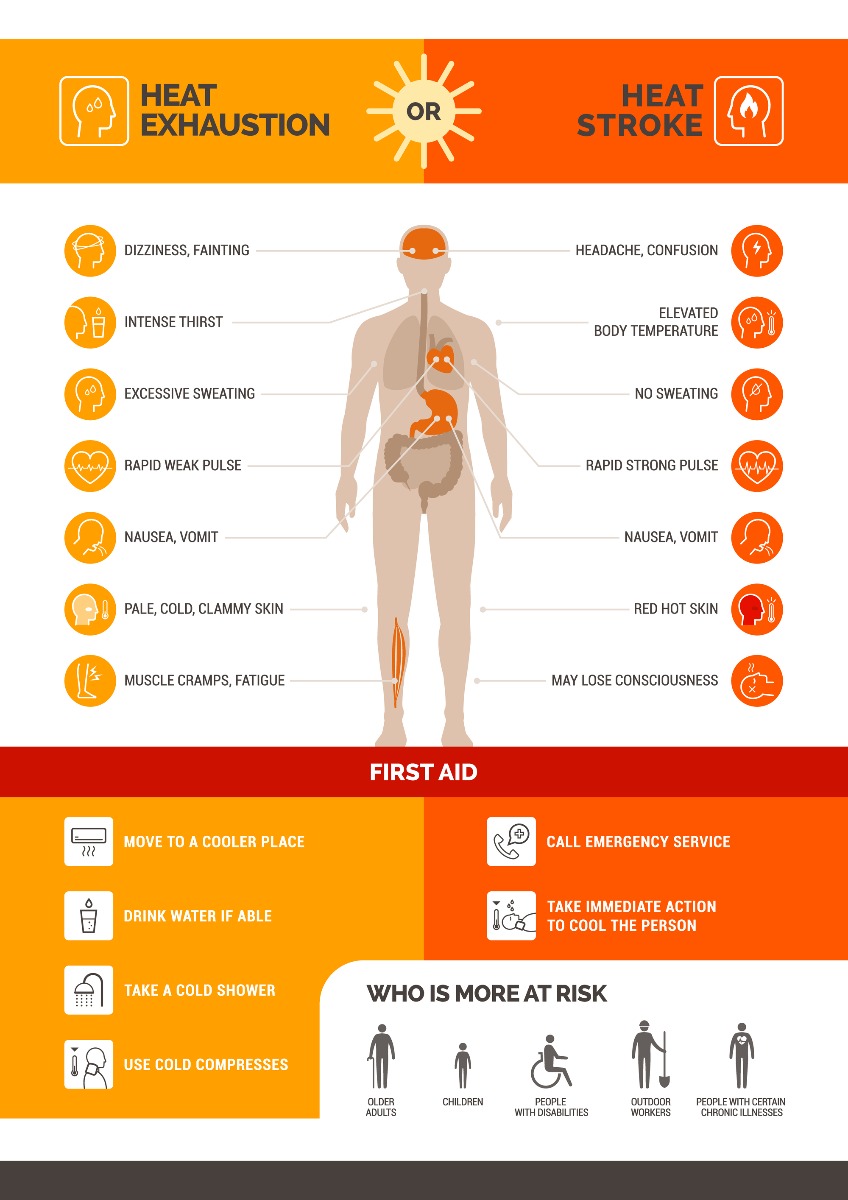
Heat can hide tiredness, causing overexertion or injury. Sweating causes loss of fluids, salts, and sugars. Dehydration raises the risk of heat exhaustion or heat stroke. People with heart problems or pregnant women should be cautious. Heat illness symptoms include headache, nausea, and confusion. Without proper care, hot workouts can be dangerous. Drinking water and resting are essential to stay safe.
Credit: www.performancehealth.com
Health Benefits Of Heat Exercise
Exercising in hot weather offers unique health benefits. The heat helps the body adapt and perform differently than in cooler conditions. These changes can improve flexibility, heart health, calorie burning, sweating efficiency, and mental well-being.
Understanding these benefits helps you appreciate the positives of heat exercise while staying safe.
Increased Flexibility
Heat warms the muscles quickly. Warm muscles stretch easier and reduce injury risks. Your joints move more freely. This improved range of motion helps in many types of workouts.
Enhanced Cardiovascular Fitness
The heart pumps harder to cool the body. This increases blood flow and strengthens the cardiovascular system. Over time, your heart becomes more efficient and fit. Exercising in heat challenges your heart safely.
Higher Calorie Burn
Heat makes the body work harder to regulate temperature. This extra effort burns more calories than cooler workouts. Your metabolism speeds up, helping with weight management and energy use.
Improved Sweating And Detox
Sweating increases in hot weather. This helps flush out water, salt, and some toxins from the body. Better sweating can improve skin health and support natural detoxification processes.
Mental Health Boost
Heat exercise often releases endorphins. These natural chemicals reduce stress and improve mood. Many people feel relaxed and happier after working out in warm conditions.
Risks And Precautions
Exercising in hot weather involves certain risks that demand attention. Ignoring these can lead to serious health problems. Proper precautions can protect the body and improve safety during workouts under the sun.
Heat stresses the body differently than cooler temperatures. It increases strain on the heart and muscles. The risk of injury or illness rises without careful management of activity and hydration.
Overexertion And Fatigue
High temperatures can hide tiredness. People often push harder than their body allows. This leads to muscle strains, cramps, or worse injuries. Fatigue reduces concentration and slows reaction time. This makes accidents more likely during exercise.
Dehydration And Heat Illness
Sweat causes loss of water and essential salts. Without enough fluids, the body overheats quickly. Dehydration can cause dizziness, headaches, and weakness. Severe cases lead to heat exhaustion or heat stroke. Both conditions require urgent medical attention.
Who Needs Extra Caution
Certain groups face greater danger from heat. Elderly people often have weaker heat responses. Young children cannot regulate temperature well. Pregnant women and those with heart or lung problems must be extra careful. These individuals should seek medical advice before exercising in heat.
Safety Tips For Hot Weather Exercise
Exercising in hot weather requires careful attention to safety. Heat can increase risks like dehydration and heat exhaustion. Following simple safety tips helps you enjoy workouts while staying safe. These practices protect your health and improve performance.
Hydrate Before And After
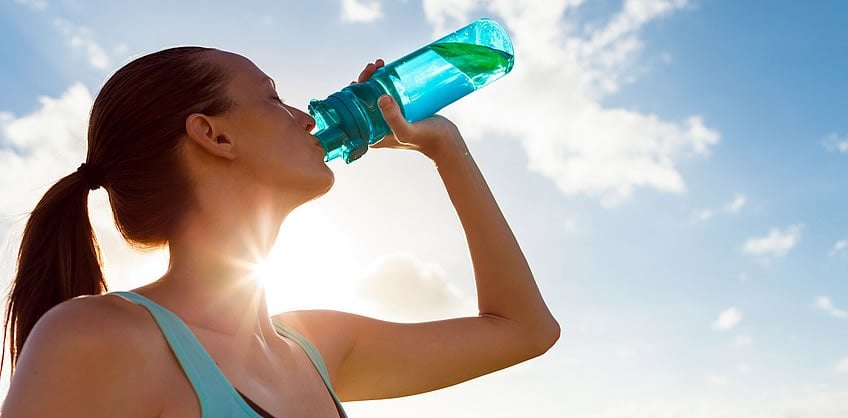
Drink water before starting your exercise. Hydration prepares your body for heat stress. After exercising, replenish lost fluids to recover well. Avoid sugary or caffeinated drinks as they cause dehydration. Carry a water bottle for easy access.
Listen To Your Body Signals
Pay attention to how you feel during exercise. Stop immediately if you feel dizzy, weak, or nauseous. Heavy sweating and headache are warning signs too. Rest in a cool place and drink water if you notice these symptoms. Your body knows when to slow down.
Acclimate Gradually
Start with short workouts in hot weather to build tolerance. Increase time and intensity slowly over several days. This helps your body adjust to heat and reduces injury risk. Avoid sudden long or intense sessions in the heat. Consistency is key for safe adaptation.
Choose Cooler Times To Exercise
Exercise early in the morning or late in the evening when temperatures drop. Avoid midday workouts when the sun is strongest. Cooler times lower the chance of overheating and dehydration. Shade and breeze also help keep your body temperature down.
Special Considerations
Exercising in hot weather requires extra care. The heat affects the body differently depending on health and condition. Some people need to take special steps to stay safe and healthy. Understanding these special considerations helps prevent serious problems.
Knowing who needs extra caution and how to prepare can make workouts safer and more effective. This section highlights key groups and the importance of professional advice.
Pregnant Women And Heart Conditions
Pregnant women should be very careful when exercising in the heat. The body already works harder during pregnancy. High temperatures can increase risks of dehydration and overheating. These conditions may harm both mother and baby.
People with heart conditions also face higher risks. Heat makes the heart pump faster to cool the body. This extra strain can cause complications or worsen symptoms. Monitoring the body’s response is critical for these individuals.
Consulting Your Physician
Before starting any exercise in hot weather, talk to a doctor. A physician can assess personal health risks and provide safety tips. This step is vital for pregnant women and those with heart or other health issues.
Doctors may suggest specific limits on exercise intensity or duration. They might also recommend hydration strategies and cooling methods. Following medical advice reduces the chance of heat-related problems.

Credit: www.muhealth.org
Adapting To Heat For Better Performance
Adapting to heat is key for better exercise performance in hot weather. Your body needs time to adjust to higher temperatures. Gradual exposure helps your body handle heat stress more efficiently. This adaptation improves comfort and safety during workouts.
Starting slow and increasing workout intensity over days or weeks is important. Proper adaptation reduces the risk of heat-related problems. It also supports endurance and strength gains even in hot conditions.
Physical Adaptation Benefits
Heat adaptation leads to several physical benefits. Your body starts to sweat earlier and more efficiently. This helps cool your body faster. Blood flow to the skin improves, which also aids cooling.
Heart rate lowers during exercise as your body becomes more efficient. Muscle endurance increases, making it easier to keep moving in heat. These changes help maintain performance and reduce fatigue.
Avoiding Heat-related Injuries
Proper heat adaptation lowers the chance of heat cramps, exhaustion, and stroke. Your body learns to regulate temperature better. This reduces dangerous spikes in core temperature during exercise.
Stay hydrated to support this process and replace lost fluids. Wear light clothing to allow sweat to evaporate. Avoid intense workouts during the hottest hours of the day. These habits protect your body while adapting to heat.
Credit: www.pritikin.com
Frequently Asked Questions
What Temperature Is Too Hot To Work Out?
Exercising above 90°F (32°C) can be too hot and risky. High heat increases dehydration and heat illness chances. Stay hydrated and listen to your body to avoid heat exhaustion or heat stroke.
Is It Safe To Exercise In 30 Degree Heat?
Exercising in 30-degree heat is safe with proper hydration, rest, and listening to your body. Avoid overexertion to prevent heat-related illnesses.
Is Exercising In Hot Weather Good For You?
Exercising in hot weather boosts flexibility, circulation, and calorie burn but increases dehydration and heat illness risks. Stay hydrated and listen to your body. Consult a doctor if you have heart issues or other health concerns before working out in the heat.
What Temperature Should You Not Exercise In?
Avoid exercising outdoors when temperatures exceed 90°F (32°C) to prevent heat exhaustion and dehydration. Extreme cold below 20°F (-6°C) also risks hypothermia. Always prioritize safety by checking weather conditions and adjusting your workout intensity accordingly.
Conclusion
Exercising in hot weather can be safe with smart choices. Stay well hydrated to replace lost fluids. Pay attention to how your body feels during activity. Take breaks and avoid intense workouts in peak heat. Gradually get your body used to warmer temperatures.
People with health issues should seek doctor advice first. Hot weather workouts offer benefits but carry risks too. Balance safety with exercise to enjoy positive results. Keep these tips in mind for a healthy, safe workout.

“As the voice behind Radiant Glow Health, we are dedicated to being your ultimate wellness and vitality companion. Our mission is to inspire and guide you on your journey to a healthier and more vibrant life. Join us as we explore holistic health practices and empower you to radiate wellness from within.”