“Why is Physical Activity And Exercise Important?”
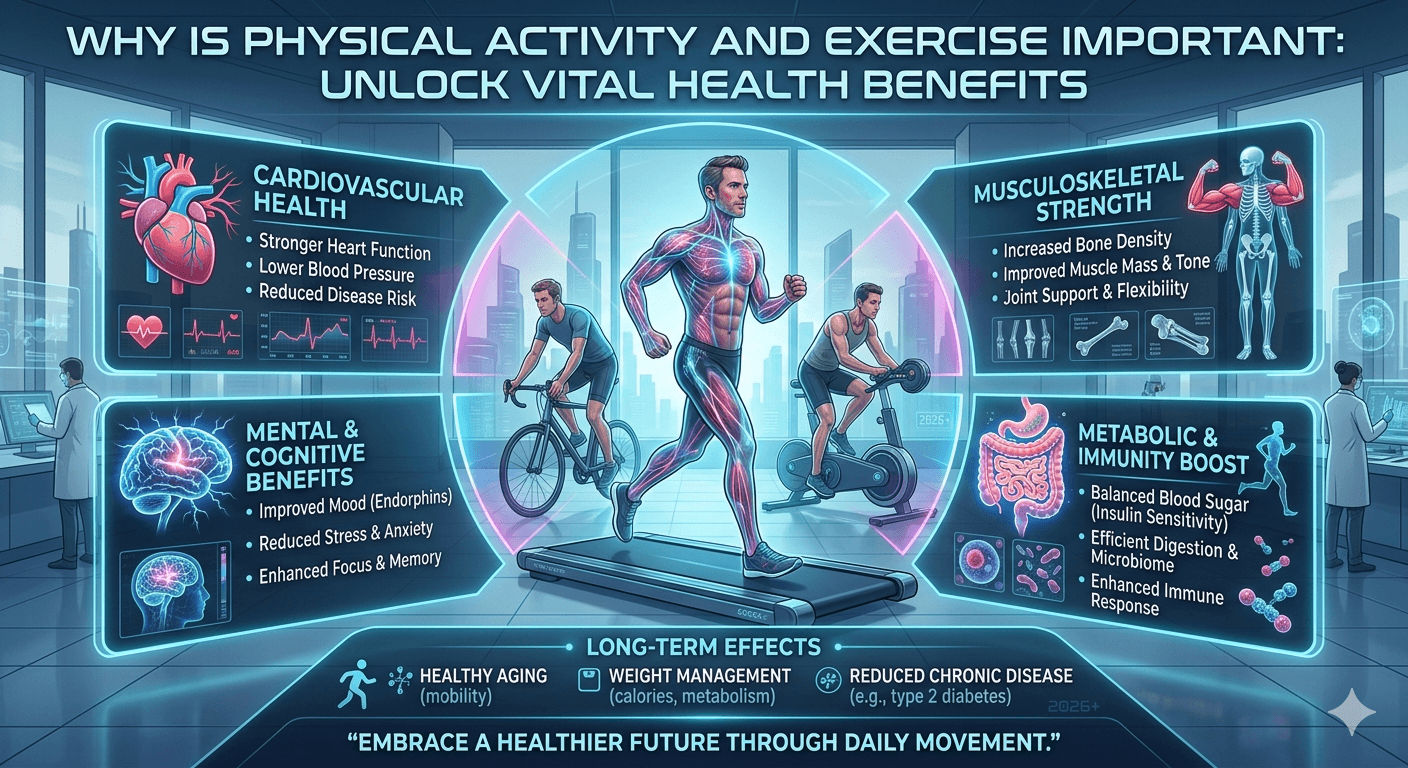
Have you ever wondered why staying active feels so good yet is so hard to keep up? The truth is, physical activity and exercise aren’t just about looking fit—they are powerful tools that can transform your entire life.
When you move your body regularly, you boost your mood, increase your energy, and even sleep better at night. But that’s just the beginning. Exercise helps control your weight, strengthens your muscles and bones, and shields you from serious illnesses like heart disease and diabetes.
Imagine feeling sharper, happier, and stronger every single day. Ready to discover why making physical activity a part of your routine is one of the best decisions you can make? Keep reading to unlock the full benefits that your body and mind will thank you for.
Mental Health Benefits
Physical activity does more than improve the body. It has strong effects on the mind. Exercise helps keep the brain healthy. It supports emotional balance and mental clarity. Many people feel happier and calmer after moving their bodies. The mental health benefits of exercise are powerful and well supported by research.
Endorphin Release
Exercise triggers the release of endorphins. These natural chemicals act as painkillers. They produce feelings of pleasure and well-being. Endorphins help reduce feelings of pain and stress. This leads to a natural high that lifts the mood. Regular physical activity keeps endorphin levels steady. It helps maintain a positive mental state.
Stress And Anxiety Reduction
Physical activity lowers stress hormones like cortisol. It helps the body relax and recover from stress. Exercise also distracts the mind from worries. This break allows anxiety levels to drop. Moving the body increases blood flow to the brain. This improves calmness and focus. People who exercise regularly often feel less anxious.
Mood Enhancement
Exercise improves mood by balancing brain chemicals. It raises serotonin and dopamine levels. These neurotransmitters regulate happiness and motivation. Physical activity also boosts self-esteem and confidence. Achieving fitness goals creates a sense of accomplishment. The social interaction in group exercises adds to mood improvement. Overall, exercise helps reduce depression and supports emotional health.
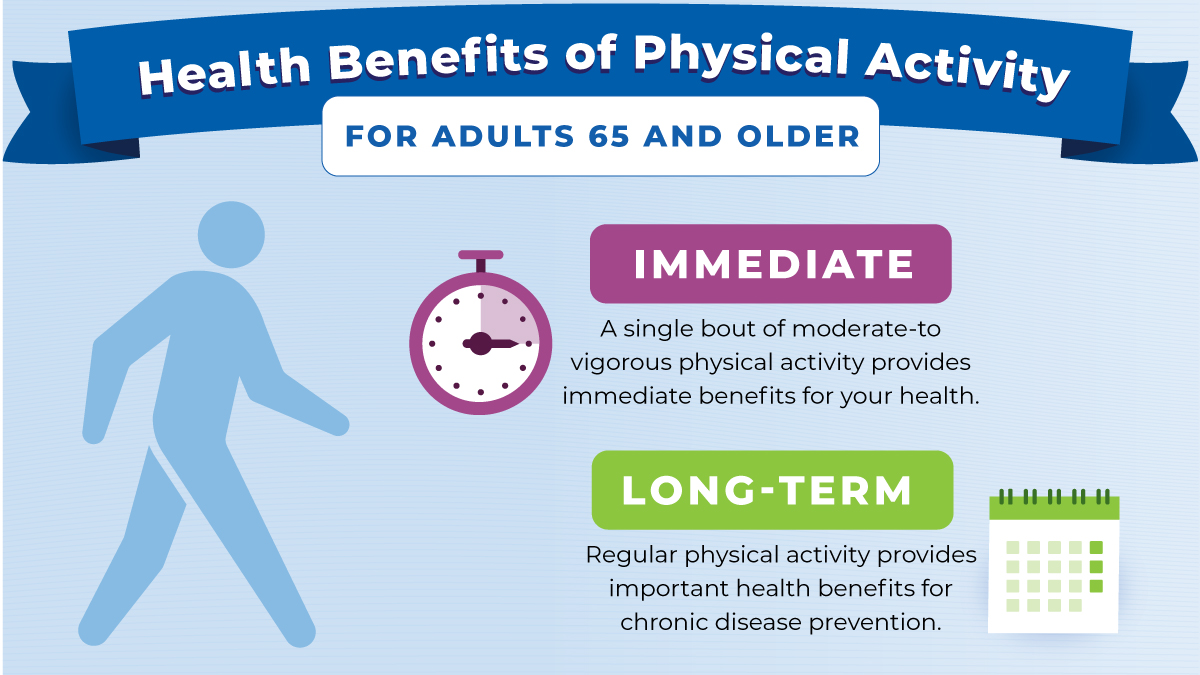
Credit: www.cdc.gov
Energy Boost
Physical activity and exercise are key to increasing your energy levels. Moving your body regularly helps it work better and feel stronger. This section explains how exercise improves energy through better heart and lung function, increased stamina, and support for everyday activities.
Heart And Lung Efficiency
Exercise makes your heart stronger and more efficient. A stronger heart pumps blood faster, delivering oxygen to your muscles. Your lungs also get better at taking in oxygen. This means your body gets the fuel it needs to keep going. Better heart and lung health means you feel less tired throughout the day.
Improved Stamina
Regular exercise builds stamina. Stamina is your ability to keep doing activities without feeling tired. As you exercise, your muscles learn to use energy better. You will notice you can walk, run, or work longer without needing a break. Improved stamina lets you enjoy daily activities more.
Daily Activity Support
Exercise helps you handle daily tasks with ease. Activities like climbing stairs or carrying groceries become simpler. Your body becomes more efficient at using energy for these tasks. This reduces fatigue and keeps you active longer. Daily exercise supports a more energetic and productive life.
Better Sleep
Physical activity plays a crucial role in enhancing sleep quality. Regular exercise helps regulate your body’s internal clock and promotes restful nights. Better sleep improves mood, memory, and overall health.
Faster Sleep Onset
Exercise helps you fall asleep faster by reducing stress and anxiety. Physical activity uses up energy, making your body ready for rest. This reduces the time it takes to drift off after going to bed.
Deeper Sleep Stages
Engaging in regular exercise increases the amount of deep sleep you get. Deep sleep is essential for physical recovery and memory consolidation. It also helps your body repair muscles and strengthen the immune system.
Sleep Duration Improvement
Physical activity can extend the total hours of sleep each night. Longer sleep duration allows for better restoration and energy for the next day. Consistent exercise leads to more stable and uninterrupted sleep cycles.
Weight Control
Weight control is a key reason many people start exercising. Physical activity helps balance calories taken in with calories burned. It supports healthy body weight and reduces fat. Exercise also improves overall health and body shape.
Calorie Burning
Exercise burns calories, which helps reduce fat. The more intense the activity, the more calories you burn. Even simple activities like walking increase calorie use. Burning more calories than you eat leads to weight loss. Regular exercise keeps calorie burning steady and effective.
Muscle Building
Exercise builds muscle, which shapes the body. Muscle tissue burns more calories than fat, even at rest. Strong muscles improve body tone and boost strength. Muscle gain helps maintain weight loss over time. Weight training and resistance exercises are best for muscle building.
Metabolism Boost
Physical activity increases metabolism, the rate your body burns energy. A faster metabolism helps burn calories more efficiently. Exercise raises metabolism during and after workouts. This boost helps control weight and fat levels. Staying active keeps metabolism working well every day.
Stronger Bones And Muscles
Physical activity and exercise play a crucial role in building stronger bones and muscles. These benefits support overall body strength and mobility. Strong bones and muscles help maintain independence and improve quality of life. Engaging in regular exercise can reduce the risk of injuries and chronic conditions linked to weak bones and muscles.
Bone Density Maintenance
Exercise helps keep bones dense and strong. Activities like walking, jogging, and weightlifting stimulate bone growth. This process slows down bone loss as people age. Maintaining good bone density lowers the chance of fractures and osteoporosis. Strong bones provide a solid framework for the body.
Muscle Strength Development
Physical activity builds muscle strength and endurance. Resistance training and bodyweight exercises increase muscle size and power. Strong muscles support joints and improve balance. They also help with daily tasks and physical activities. Regular muscle strengthening reduces muscle loss that happens with aging.
Fall Prevention
Stronger bones and muscles reduce the risk of falls. Exercise improves coordination, balance, and reaction time. These skills are essential to prevent slips and trips. Fall prevention is especially important for older adults. Staying active helps maintain independence and avoid serious injuries.

Credit: www.airuniversity.af.edu
Chronic Disease Prevention
Regular physical activity plays a key role in preventing chronic diseases. It helps keep the body strong and the organs working well. Exercise improves how the heart, blood vessels, and metabolism function. This lowers the chance of developing serious health problems. Small daily habits of movement add up to big health benefits over time.
Exercise also helps control weight and reduces inflammation. This lowers risks for conditions like diabetes and cancer. Moving more keeps the body balanced and resilient. It supports healthy aging and better quality of life.
Heart Disease Risk Reduction
Exercise strengthens the heart muscle and improves blood flow. This lowers bad cholesterol and raises good cholesterol. It helps keep arteries clear and flexible. Physical activity reduces the risk of heart attacks and strokes. Even moderate exercise, like walking, makes the heart healthier.
Blood Pressure Regulation
Regular movement helps blood vessels stay elastic and less stiff. This lowers high blood pressure, a major risk for heart disease. Exercise promotes better circulation and reduces stress on artery walls. People who exercise often tend to have normal blood pressure levels. This helps prevent damage to the heart and kidneys.
Cholesterol Improvement
Exercise raises HDL, the “good” cholesterol that cleans arteries. It lowers LDL, the “bad” cholesterol that can cause blockages. Physical activity improves the balance of fats in the blood. This reduces the buildup of plaque in blood vessels. Better cholesterol levels mean a lower chance of heart disease.
Brain Health And Memory
Physical activity plays a key role in keeping the brain healthy and supporting memory. Exercise helps the brain work better and stay sharp as we age. It also lowers the risk of memory loss and cognitive decline.
Enhanced Blood Flow
Exercise increases blood flow to the brain. This brings more oxygen and nutrients to brain cells. Better blood flow helps brain cells stay healthy and function well. It also supports the growth of new brain cells.
Cognitive Function Boost
Physical activity improves thinking skills and attention. It helps the brain process information faster. Exercise encourages the release of chemicals that protect brain cells. These chemicals also help new connections form between brain cells.
Memory Support
Regular exercise helps improve both short-term and long-term memory. It supports the part of the brain that controls memory and learning. People who exercise often tend to remember things better and face less memory loss.
Longevity Advantages
Physical activity and exercise play a vital role in extending life expectancy. Staying active helps the body resist damage and maintain strength. It supports vital organs and keeps systems running smoothly. These longevity advantages improve quality of life through every stage.
Lower Early Death Risk
Regular exercise reduces the chance of dying prematurely. It strengthens the heart and lungs, improving blood flow. Active people tend to have lower blood pressure and cholesterol. These effects lower risks of fatal heart attacks and strokes. Studies show physically active individuals live longer than inactive ones.
Disease Resistance
Exercise boosts the immune system’s ability to fight illness. It lowers the risk of many chronic diseases like diabetes and cancer. Physical activity helps control blood sugar and body weight. Strong muscles and healthy joints reduce the chance of injury. This resistance helps people stay healthier and live longer.
Healthier Aging
Staying active slows down the aging process. It preserves muscle mass and bone density, preventing frailty. Exercise improves balance and coordination, lowering fall risks. Mental health also benefits, with better memory and mood. Healthy aging means more independence and a better life in later years.
Chronic Pain Management
Chronic pain affects millions of people worldwide, limiting daily activities and reducing quality of life. Physical activity and exercise play a vital role in managing this persistent pain. Regular movement helps improve mobility, reduce stiffness, and strengthen muscles. It also releases natural painkillers in the body, easing discomfort. Incorporating exercise into daily routines can make living with chronic pain more manageable.
Arthritis Symptom Relief
Exercise reduces joint pain and swelling caused by arthritis. Gentle activities like walking, swimming, and stretching improve joint flexibility. Strengthening muscles around joints helps support and protect them. Regular movement lowers stiffness and increases range of motion. This leads to less pain and better function in daily tasks.
Cancer-related Fatigue Reduction
Physical activity helps reduce fatigue common in cancer patients. Light to moderate exercise boosts energy levels and fights tiredness. It improves mood and mental focus, which cancer treatment often affects. Regular movement supports recovery and enhances overall well-being. Staying active can make cancer-related fatigue easier to handle.
Pain Alleviation Strategies
Exercise triggers the release of endorphins, natural chemicals that reduce pain. It also helps lower inflammation and improves blood flow to painful areas. Consistent physical activity retrains the nervous system to handle pain better. Combining different types of exercise, like aerobic, strength, and flexibility training, provides balanced pain relief. These strategies create a sustainable way to manage chronic pain.
Social And Enjoyable Aspects
Physical activity is not only good for the body but also for the mind and social life. Enjoying exercise with others makes it easier to stay active. Social and enjoyable aspects of exercise create positive experiences. These experiences encourage people to keep moving and living healthier lives.
Group Activities
Group activities like team sports and fitness classes build friendships. They offer a chance to meet new people with similar interests. Exercising in groups provides support and friendly competition. This makes workouts more fun and less like a chore. People often feel motivated to attend regularly when others expect them.
Fun And Motivation
Exercise becomes enjoyable when it includes fun elements. Dancing, hiking, or playing games make physical activity feel like play. Having fun reduces stress and increases the desire to keep going. Motivation grows when people enjoy what they do. This helps turn exercise into a regular habit.
Community Engagement
Being part of community exercise events connects people to their neighborhoods. Walking clubs, charity runs, and local sports leagues bring people together. These activities create a sense of belonging and pride. Community engagement through exercise helps improve mental health and social bonds. It also encourages healthier lifestyles for everyone involved.

Credit: angletoner.com
Frequently Asked Questions
Why Is Exercise And Physical Activity Important?
Exercise improves mood, boosts energy, aids weight control, strengthens bones, lowers chronic disease risks, enhances sleep, and supports brain health.
What Are 5 Reasons Why Exercise Is Important?
Exercise boosts mood and reduces stress. It increases energy and stamina. Exercise improves sleep quality. It helps control weight effectively. Exercise strengthens bones and muscles, reducing disease risks.
What Are The 10 Important Benefits Of Exercise?
Exercise boosts mood, energy, and sleep quality. It aids weight control, strengthens bones, lowers disease risk, improves heart and brain health, extends lifespan, and eases chronic pain.
What Are The Four Importance Of Physical Exercise?
Physical exercise controls weight, improves mood, boosts energy, and strengthens bones and muscles for overall health.
Conclusion
Physical activity and exercise keep your body and mind strong. They help control weight and fight many diseases. Exercise lifts your mood and gives you more energy. It also helps you sleep better each night. Moving your body builds strong muscles and bones.
Regular activity protects your heart and sharpens your mind. Small steps every day make a big difference. Start today for a healthier, happier life.

“As the voice behind Radiant Glow Health, we are dedicated to being your ultimate wellness and vitality companion. Our mission is to inspire and guide you on your journey to a healthier and more vibrant life. Join us as we explore holistic health practices and empower you to radiate wellness from within.”