“What are the Limitations of Free Exercise?”
You believe in the freedom to practice your religion without interference. But have you ever wondered where that freedom ends?
The right to freely exercise your faith is protected, yet it comes with important limitations you need to understand. These boundaries can affect your daily life, from what you wear to how you gather with others. If you want to know exactly what the Free Exercise Clause allows—and more importantly, what it doesn’t—keep reading.
This article will reveal the key restrictions that shape your religious freedoms and explain why they matter to you. Don’t miss out on understanding your rights fully.
Credit: enews.wvu.edu
Free Exercise Clause Basics
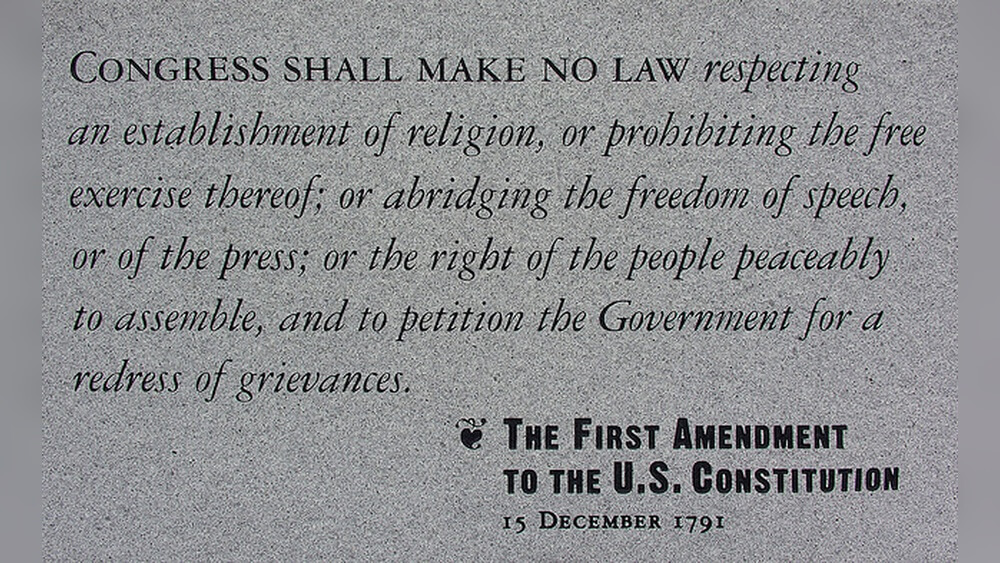
The Free Exercise Clause is part of the First Amendment in the U.S. Constitution. It protects citizens’ rights to follow their religious beliefs freely. This protection ensures that the government cannot stop people from holding religious views or practicing their faith. Yet, this right is not unlimited. Understanding its basics helps clarify its limits.
Religious Beliefs Vs. Conduct
The Free Exercise Clause protects beliefs fully. People can believe anything without government interference. But actions based on those beliefs can face limits. The government may regulate conduct if it serves a valid public interest. Laws cannot target religion but can regulate behavior that affects others.
Scope Of Protection
The clause covers religious beliefs and some practices. It does not excuse all actions done in the name of religion. The government can restrict practices that harm public safety or break general laws. Courts balance religious freedom against public welfare. Protection ends where conduct violates important laws or rights of others.
Key Legal Boundaries
The Free Exercise Clause protects religious beliefs and practices. Yet, this protection has legal limits. Courts balance religious freedom with other important interests. These key legal boundaries ensure public order and safety. Understanding these limits helps clarify when free exercise rights apply and when they may be restricted.
Compelling Government Interest
The government can restrict religious practices if it has a strong reason. This reason must be very important, like protecting health or safety. Courts call this a “compelling government interest.” For example, laws against harmful practices can limit religious actions. The government must prove why the restriction is necessary.
Neutral And Generally Applicable Laws
Laws that apply to everyone, without targeting religion, are usually allowed. These are neutral and generally applicable laws. They do not single out any religion or belief. For example, a law against drug use applies to all citizens. Even if it affects religious practices, it can still be enforced.
Least Restrictive Means Test
When restricting religion, the government must use the least harmful method. This means the law should limit religious freedom as little as possible. Courts check if there is a less restrictive way to achieve the goal. If a less restrictive method exists, the law may be invalid. This test protects religious rights while allowing necessary rules.
Court Rulings Shaping Limits
The Free Exercise Clause protects religious beliefs and practices. Courts have set limits to balance religious freedom with public safety and order. These court rulings guide what the government can regulate without violating religious rights.
Below are key cases that shaped the boundaries of free exercise rights in the United States.
Reynolds V. United States
This 1879 case addressed polygamy practiced by members of the Mormon faith. The Supreme Court ruled that religious belief cannot justify breaking laws. It held that laws govern actions, not beliefs. The Court said the government can ban practices that violate social norms or public morals.
Church Of Lukumi Babalu Aye Case
In 1993, the Court examined laws targeting Santeria animal sacrifices. The Court struck down these laws as they specifically targeted a religion. It ruled laws must be neutral and apply to all. This case affirmed that laws cannot single out religious practices without good cause.
Recent Supreme Court Decisions
Recent rulings have refined free exercise protections. The Court often weighs religious freedom against government interests. It allows limits if the law is neutral and generally applicable. But strict scrutiny applies if laws target religion. These decisions continue to shape the balance between faith and law.

Credit: www.amazon.sa
Examples Of Violations
Violations of the Free Exercise Clause occur when the government restricts religious practices unfairly. These acts prevent people from freely practicing their faith. Understanding common examples helps clarify the limits of religious freedom.
Denying Religious Property Use
Sometimes, religious groups face denial in using property for worship. Authorities may refuse to sell or lease land to certain faiths. This blocks the community from having a place for prayer and gatherings. Such denial targets religion directly and violates free exercise rights.
Banning Public Religious Gatherings
Governments may ban religious meetings in public spaces. This stops people from praying, holding ceremonies, or celebrating their faith openly. When no good reason exists for the ban, it restricts religious freedom. Public worship must be allowed unless there is a strong public safety concern.
Targeted Laws Against Specific Practices
Some laws focus on particular religious customs or rituals. These rules can ban wearing religious clothing or using sacred objects. Laws that single out one religion’s practices unfairly limit free exercise. Equal treatment under the law is essential to protect all beliefs.
Permissible Restrictions
The Free Exercise Clause protects religious beliefs and practices. But this right is not absolute. Certain restrictions are allowed to keep peace and order. These limits are called permissible restrictions. They help balance religious freedom with other important public interests.
These restrictions must not target religion directly. They apply equally to all people, regardless of faith. Courts review these laws carefully to ensure fairness. Here are key examples of permissible restrictions under the Free Exercise Clause.
Neutral Laws Affecting Religion
Neutral laws apply to everyone, not just religious groups. These laws do not single out any faith or belief. For example, a law banning drug use applies to all citizens. Even if a religion uses a banned substance, the law still stands.
The courts allow neutral laws that protect public welfare. These laws may limit religious practices if needed. The key is the law must be fair and not target religion.
Allowing Religious Symbols In Public
Religious symbols often appear in public spaces. The government can allow these symbols if they do not break rules. For example, a cross on public land is allowed if it respects others’ rights.
Restrictions may apply to maintain public order. The goal is to respect all beliefs fairly. This balance avoids favoring one religion over another.
Balancing Public Safety And Religious Freedom
Public safety is a top priority for the government. Sometimes, religious practices may pose risks. In such cases, limited restrictions may protect people.
For example, rules on fire safety can limit candle use in rituals. These rules apply to everyone equally. Protecting lives can outweigh religious freedom in these cases.
Credit: www.tctmd.com
Public Morals And Safety
Public morals and safety play a crucial role in shaping the limits on free exercise of religion. The government may restrict religious practices that conflict with widely accepted moral standards or pose risks to public safety. These restrictions ensure that religious freedom does not harm others or disrupt social order.
Balancing individual religious rights with community welfare remains a key challenge. Certain practices might be deeply religious but still need regulation to protect the public. Understanding these boundaries helps clarify where free exercise ends and lawful limits begin.
When Morality Justifies Limits
Morality often guides laws that limit religious practices. The government may act to uphold social values seen as essential for the common good. For example, practices that promote violence or discrimination can be restricted even if they are religious.
Courts have upheld limits when religious acts conflict with public morals. This includes banning rituals that involve harm or illegal behavior. Such rules prevent actions that society broadly rejects, despite their religious significance.
Health And Safety Regulations
Health and safety laws can restrict religious exercise to protect the public. Rules on food handling, building codes, and medical care apply regardless of religious beliefs. These regulations ensure community well-being and reduce health risks.
Religious practices that endanger participants or others may face legal limits. For instance, refusing medical treatment for children or unsafe building conditions in places of worship can lead to government intervention. These laws balance religious freedom with essential protections.
Ongoing Debates And Challenges
The Free Exercise Clause protects religious beliefs and practices. Still, it faces ongoing debates and challenges. Courts and society often struggle to balance religious freedom with other rights. These tensions shape the limits of free exercise in real life.
Religious Freedom Vs. Anti-discrimination
Religious freedom can clash with anti-discrimination laws. Some religious practices may conflict with laws protecting gender, race, or sexual orientation. Businesses and individuals sometimes refuse services based on faith. This creates legal and social conflicts.
Courts must decide if religious rights outweigh anti-discrimination protections. They weigh harm to others versus religious beliefs. These cases highlight the difficult balance between freedom and equality.
Evolving Legal Standards
Legal standards on free exercise change over time. Courts update rules to reflect new social values and cases. Earlier rulings may no longer apply or get modified.
Judges consider public safety, health, and social order. They often require strong government interest to limit religious conduct. This evolving approach shapes how free exercise limits are set and enforced.
Frequently Asked Questions
What Are Some Limitations On The Free Exercise Clause?
The Free Exercise Clause protects religious beliefs but not all practices. Laws can restrict practices for public safety or compelling government interest. Neutral, generally applicable laws may limit religious conduct without violating the clause. Targeted laws that burden religion without justification face constitutional challenges.
What Limits Have The Courts Put On Free Exercise?
Courts limit free exercise when religious practices conflict with public morals or compelling government interests. They protect beliefs but regulate actions. Laws targeting specific religious practices or imposing undue burdens fail unless justified by a significant, least restrictive governmental need.
Which Example Violates The Free Exercise Clause?
Preventing a religious group from buying property for worship solely due to their faith violates the Free Exercise Clause. Stopping prayer gatherings in public parks without a compelling reason also breaches this constitutional protection. These actions directly burden religious practices unlawfully.
What Does The Free Exercise Clause Prohibit Or Not Protect?
The Free Exercise Clause prohibits laws that target or unduly restrict religious practices. It does not protect actions violating public safety or compelling government interests. It safeguards religious beliefs but allows regulation of conduct conflicting with neutral, generally applicable laws.
Conclusion
Free exercise rights protect religious beliefs deeply. Still, the law limits actions that harm public safety or order. Courts balance religious freedom with community needs carefully. Not all religious practices get full protection. Laws must serve important government interests to restrict religion.
Understanding these limits helps respect both faith and law. Free exercise is vital, but it is not absolute. This balance keeps society fair and safe for everyone.

“As the voice behind Radiant Glow Health, we are dedicated to being your ultimate wellness and vitality companion. Our mission is to inspire and guide you on your journey to a healthier and more vibrant life. Join us as we explore holistic health practices and empower you to radiate wellness from within.”