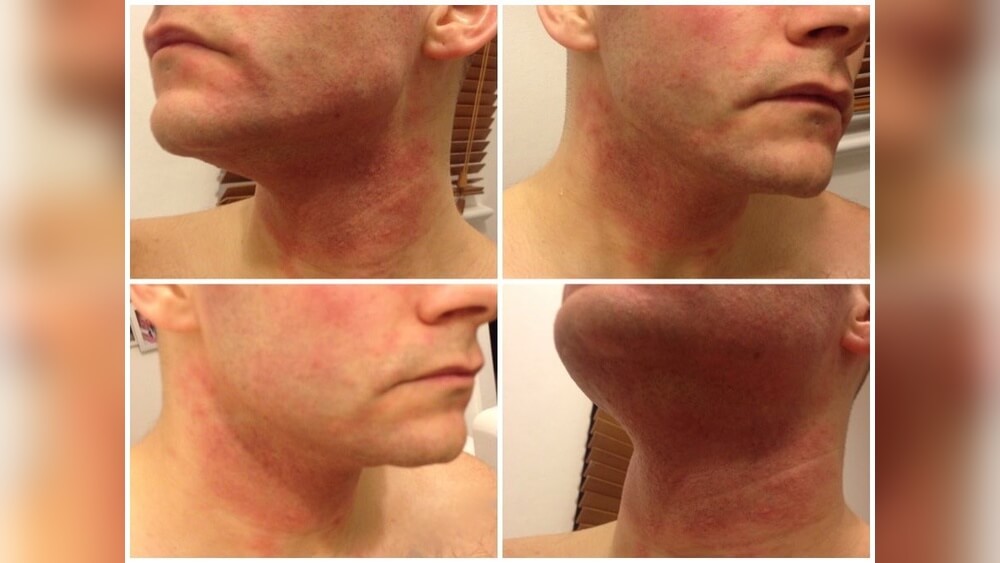
Have you ever tried a new skin care product, only to find your skin suddenly itchy, red, or covered in bumps? You’re not alone—and it’s important to understand that your favorite creams and lotions might sometimes trigger an allergic reaction.
Knowing how to spot these reactions early can save you from discomfort and more serious health risks. You’ll discover what causes these allergic responses, how to recognize the signs on your skin, and what steps you should take to protect yourself.
Keep reading to learn how to keep your skin safe while enjoying the benefits of your skincare routine.
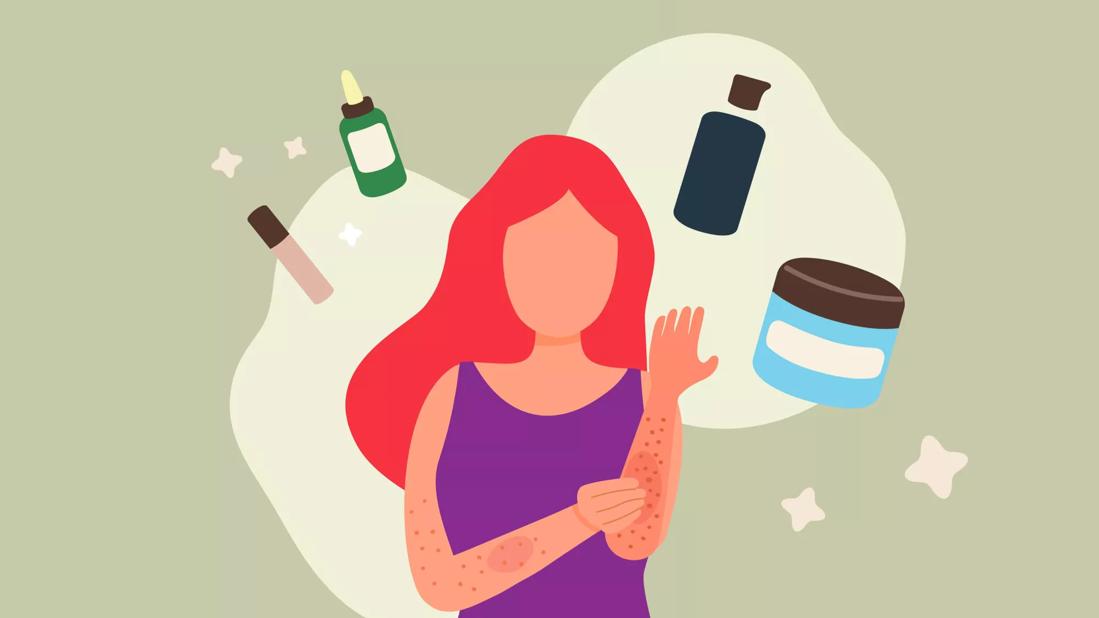
Credit: health.clevelandclinic.org
Allergic Reactions From Skin Care
Allergic reactions from skin care products happen when the immune system reacts to certain ingredients. These reactions can cause discomfort and visible changes on the skin. Understanding the symptoms helps to identify and manage these reactions early. Awareness of how allergic reactions appear on different skin types is also important.
Common Symptoms
Common symptoms include redness, itching, and swelling. You might notice a rash or small bumps on the skin. Some reactions cause dry, flaky patches or blisters. The skin may feel hot or painful. These symptoms often start soon after using a new product. Intense itching is a key sign of an allergic reaction.
Visual Signs On Different Skin Types
On lighter skin, allergic reactions usually show as red, raised bumps or welts. These may form patches or spread across the skin. Darker skin may show purple or skin-toned patches instead of red. Swelling and dryness can appear on all skin types. In some cases, the skin might ooze or become shiny from inflammation. The appearance varies but discomfort is common.
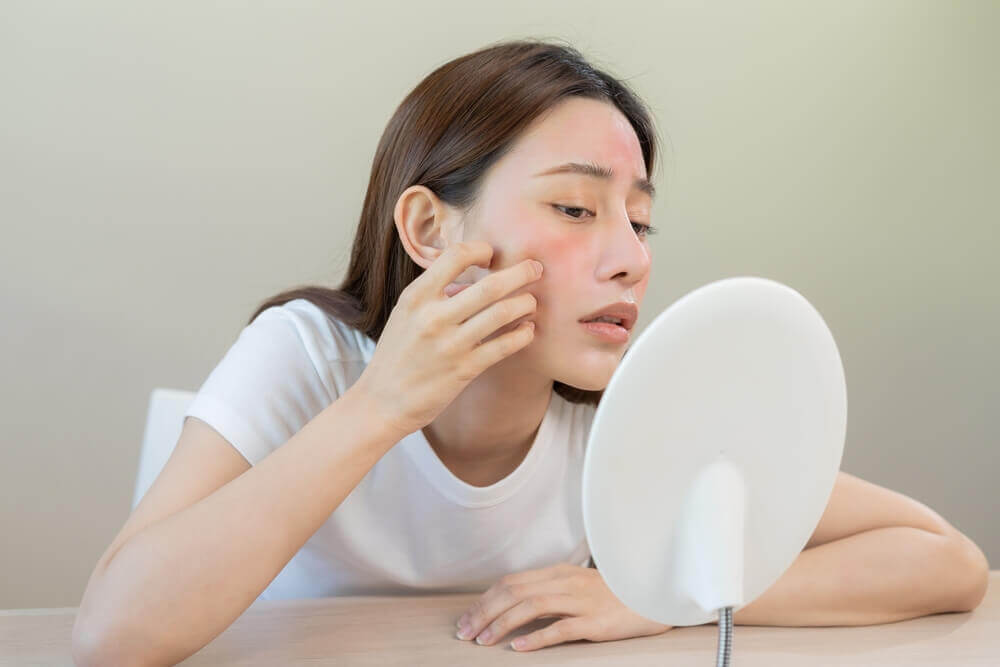
Credit: seoulmamas.com
Types Of Allergic Skin Responses
Allergic reactions to skin care products can show up in different ways. The skin often signals an allergy through visible changes and discomfort. Recognizing these types helps in managing and avoiding further irritation.
Hives And Welts
Hives are raised, itchy bumps on the skin. They may be small or large and often change shape. These welts can appear suddenly and cause intense itching. The color may be red on light skin or darker on deeper skin tones. Hives often move around the body, not staying in one place.
Red, Bumpy Rashes
Red, bumpy rashes cover larger skin areas. The skin looks irritated and uneven. These rashes can spread quickly and cause discomfort or pain. They often feel warm and may be tender to touch. This type of rash signals the skin is inflamed and reacting to an allergen.
Dry, Scaly Patches
Dry, scaly patches develop after ongoing exposure to allergens. The skin becomes flaky and rough. These patches may crack and feel tight or painful. This reaction is common in sensitive skin or eczema caused by certain products. Moisturizing alone may not fix this without stopping the allergen.
Localized Bumps And Blisters
Localized bumps appear where the allergen touched the skin. These are small, clustered, and sometimes filled with fluid. Blisters may burst and cause soreness or oozing. This reaction is typical in contact dermatitis from ingredients in creams or lotions. It shows the immune system’s focused response to a specific trigger.
Key Features Of Allergic Reactions
Allergic reactions to skin care products show clear signs. Recognizing these signs early helps to stop further irritation. These reactions happen because the body thinks an ingredient is harmful. The immune system then attacks the skin, causing discomfort and visible changes. Understanding key features makes it easier to identify and respond to allergies quickly.
Intense Itchiness
Itchiness is one of the strongest signs of an allergic reaction. The skin may feel like it is burning or crawling. This sensation often appears suddenly and can be hard to ignore. Scratching can worsen the condition and lead to more damage. Itchiness is a clear signal that the skin does not agree with the product used.
Sudden Appearance
Allergic reactions often show up quickly after using a new product. The skin may develop bumps, rashes, or hives within minutes or hours. This fast response happens because the immune system reacts immediately. A sudden change in skin appearance is a warning to stop using the product right away. Quick action can prevent the reaction from spreading or worsening.
Redness And Swelling
Redness and swelling are common signs of skin inflammation caused by allergies. The affected area may look red, puffy, or warm to touch. Swelling can make the skin feel tight and uncomfortable. These signs show that the body is fighting off what it sees as a threat. Redness and swelling usually go hand in hand with itchiness and pain.
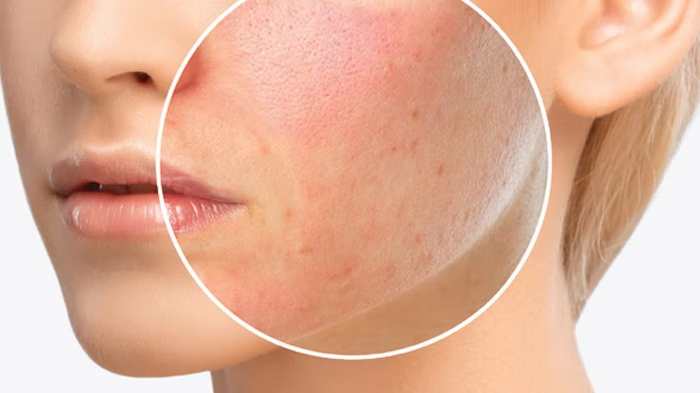
Credit: organicskincare.com
Triggers In Skin Care Products
Skin care products contain many substances that can trigger allergic reactions. These triggers affect sensitive skin and cause discomfort. Knowing these triggers helps avoid skin problems and maintain healthy skin.
Common Allergens
Some ingredients in skin care products cause allergies more often than others. Fragrances top the list; they irritate many people’s skin. Preservatives like parabens and formaldehyde releasers also cause allergic reactions. Certain dyes can trigger redness and itching. Metals such as nickel, found in some tools, can cause contact allergies. Natural ingredients like essential oils sometimes lead to sensitivity too.
Ingredients To Watch
Look closely at product labels for potential allergens. Sodium lauryl sulfate, a foaming agent, often irritates skin. Alcohols in products may dry and inflame sensitive skin. Lanolin, found in moisturizers, can cause allergic reactions in some users. Retinol and alpha hydroxy acids are strong ingredients that may cause redness or peeling. Always test new products on a small skin area first to prevent bad reactions.
Differentiating Allergic Reactions From Other Skin Issues
Skin reactions can appear similar, making it hard to tell their cause. Allergic reactions to skin care products may look like other common skin problems. Knowing the difference helps in choosing the right treatment and avoiding the wrong products. This section explains how to distinguish allergic reactions from acne and eczema.
Acne Vs. Allergic Reaction
Acne usually shows as blackheads, whiteheads, or pimples with pus. It forms mainly on the face, chest, and back. Acne is caused by clogged pores and bacteria, not by an allergy.
An allergic reaction often causes red, itchy bumps or hives. These can appear quickly after using a new skin product. Allergic skin looks swollen or inflamed and may spread beyond one area.
Acne bumps are often painful but not itchy. Allergic reactions itch strongly and may burn. Acne usually develops slowly, while allergic reactions come on fast.
Eczema Vs. Allergic Reaction
Eczema causes dry, scaly, and red patches on the skin. It can be itchy and sometimes crack or bleed. Eczema is a chronic condition and may flare up due to triggers like cold or stress.
Allergic reactions can resemble eczema but appear suddenly after contact with an allergen. The skin may be swollen, red, and blistered. Allergic rash often clears up quickly once the allergen is removed.
Eczema tends to have a long history and reoccurs in the same spots. Allergic reactions are linked to a specific product or substance and usually improve after stopping use.
When To Seek Medical Help
Knowing when to seek medical help for an allergic reaction caused by skin care products is vital. Mild reactions might improve on their own, but some symptoms need prompt medical attention. Acting quickly can prevent complications and protect your health.
Signs Of Severe Allergic Reactions
Severe allergic reactions can worsen rapidly. Watch for swelling of the face, lips, or throat. Difficulty breathing or swallowing is a serious warning sign. Rapid heartbeat, dizziness, or fainting also signal danger. Intense itching or widespread rash that spreads quickly requires medical help. Severe reactions need immediate care to avoid life-threatening issues.
Emergency Response For Anaphylaxis
Anaphylaxis is a life-threatening allergic reaction. It may cause difficulty breathing, swelling, and loss of consciousness. Call emergency services right away if anaphylaxis is suspected. Use an epinephrine auto-injector if available. Stay calm and lie down with legs raised. Do not give food or drink. Prompt medical treatment is critical to save a life.
Preventing Allergic Reactions
Preventing allergic reactions from skin care products starts with careful steps. Choosing the right method before full use lowers risk. Simple actions can protect your skin and health. Understanding how to test and select products helps avoid irritation and allergies.
Patch Testing
Patch testing checks if your skin reacts to a product. Apply a small amount on a tiny skin area. Wait 24 to 48 hours to see any changes. No redness, itching, or swelling means the product is likely safe. If you notice irritation, avoid using it on your face or body. This test helps spot allergies before serious problems occur.
Choosing Hypoallergenic Products
Hypoallergenic products reduce the chance of allergic reactions. They contain fewer irritants and common allergens. Look for labels that say “hypoallergenic” or “for sensitive skin.” These products often avoid strong fragrances, dyes, and harsh chemicals. Select formulas with simple, natural ingredients. This choice lowers the risk of skin irritation or allergy.
Managing Allergic Reactions
Managing allergic reactions to skin care products requires quick and careful action. These reactions can cause discomfort and damage to the skin. Taking the right steps helps reduce symptoms and prevents further irritation. Understanding treatment options and home remedies is important for effective relief.
Treatment Options
Start by stopping the use of the product causing the reaction. Over-the-counter antihistamines can reduce itching and swelling. Topical corticosteroid creams help calm inflammation and redness. Severe reactions may need prescription medication from a healthcare provider. Avoid scratching to prevent infection and skin damage. Keep the affected area clean and dry to promote healing.
Home Remedies
Applying a cold compress can soothe itching and reduce swelling. Oatmeal baths provide gentle relief for irritated skin. Aloe vera gel cools and moisturizes inflamed areas. Use mild, fragrance-free moisturizers to protect the skin barrier. Drink plenty of water to stay hydrated and support skin recovery. Rest and avoid exposure to heat or harsh chemicals during healing.
Frequently Asked Questions
How Do You Know If You Are Allergic To A Skincare Product?
You may be allergic to a skincare product if you develop itchy, red rashes, hives, swelling, or irritation soon after use. Seek urgent care if breathing difficulty or facial swelling occurs.
What Does A Skin Allergic Reaction Look Like?
A skin allergic reaction appears as red, itchy bumps or hives, sometimes forming patches. It may cause swelling, dryness, or oozing. The rash often appears suddenly where contact with the allergen occurred. Intense itching and inflammation are common symptoms. Seek urgent care if swelling or breathing issues arise.
Can An Allergic Reaction Cause Tingling?
Yes, allergic reactions can cause tingling due to nerve irritation or mild swelling near the skin.
What Does A Bad Reaction To Skincare Look Like?
A bad skincare reaction appears as red, itchy rashes, raised bumps, swelling, dryness, or peeling skin. Severe cases cause facial swelling or breathing issues.
Conclusion
Skin care products can cause allergic reactions in many people. Watch for redness, itching, or swelling after use. Reactions may appear as hives, rashes, or dry patches. Always test new products on a small skin area first. Stop using any product that causes discomfort or irritation.
Seek medical help if symptoms worsen or breathing becomes hard. Staying informed helps protect your skin’s health and comfort. Choose products carefully to avoid unwanted skin allergies. Your skin deserves gentle and safe care every day.

“As the voice behind Radiant Glow Health, we are dedicated to being your ultimate wellness and vitality companion. Our mission is to inspire and guide you on your journey to a healthier and more vibrant life. Join us as we explore holistic health practices and empower you to radiate wellness from within.”