“How Often Does the Human Body Prefer to Eat?”
Have you ever wondered how often your body actually wants you to eat? It’s a question that can feel confusing with so many different opinions out there.
But understanding your body’s natural rhythm can make a huge difference in your energy, mood, and even weight. Eating too little or too much, or at the wrong times, might leave you feeling tired or hungry all day. You’ll discover the simple truths behind how often the human body prefers to eat, backed by expert advice and science.
By tuning into your body’s signals and choosing the right eating pattern for you, you can fuel your day better and avoid common pitfalls like overeating or blood sugar crashes. Ready to find out what your body really wants? Let’s dive in.
Metabolism And Meal Frequency
Understanding metabolism and meal frequency helps us know how often to eat. Metabolism is the process your body uses to turn food into energy. Eating at the right times supports this process and keeps energy steady throughout the day. The way you space your meals affects hunger, blood sugar, and overall health.
Keeping Metabolism Steady
Eating regularly helps your metabolism work smoothly. When you eat every few hours, your body keeps burning energy without pauses. Skipping meals or eating very late can slow down your metabolism. Regular meals signal your body to maintain energy use and avoid storing extra fat.
Avoiding Extreme Hunger
Waiting too long to eat causes strong hunger. Extreme hunger may lead to overeating or choosing unhealthy foods. Smaller, frequent meals help control hunger and keep your appetite steady. Eating at moderate hunger stops you from feeling overly hungry later.
Blood Sugar Stabilization
Meal timing plays a big role in blood sugar levels. Eating often prevents sharp spikes and drops in blood sugar. Stable blood sugar keeps your energy balanced and mood steady. This reduces cravings and supports better focus throughout the day.
Listening To Hunger Signals
Listening to hunger signals helps the body eat at the right times. It lets you eat when your body truly needs fuel. This habit supports better digestion and energy levels throughout the day. Learning to recognize these signals can prevent overeating and improve overall health.
Eating When Moderately Hungry
Eat when you feel a gentle hunger, not extreme hunger. Moderate hunger shows your body needs nourishment soon. Eating at this stage helps control portion sizes. It also prevents eating too quickly or too much. Pay attention to your stomach’s mild rumble or slight emptiness. These signs mean it is time to eat.
Avoiding Eating Without Hunger
Avoid eating just because food is available or out of boredom. Eating without hunger can cause weight gain. It may also lead to feelings of guilt or discomfort. Focus on true hunger cues, not habits or emotions. Drinking water can help distinguish thirst from hunger. Wait a few minutes before deciding to eat if unsure.
Preventing Starvation Eating
Do not wait until you are very hungry or starving. Extreme hunger can cause overeating and poor food choices. Eating regularly prevents this cycle of starvation and binging. Plan meals to avoid long gaps without food. This keeps blood sugar steady and energy balanced. Your body performs best with consistent, moderate fuel.
Prioritizing Meal Quality
Choosing what to eat matters more than how often to eat. Quality meals keep your body fueled and satisfied. Good food helps control hunger and keeps energy steady throughout the day. Focus on meals that fill you up and support your health.
Importance Of Protein And Fiber
Protein builds muscles and keeps you full longer. It slows digestion, so hunger stays away. Fiber adds bulk to your meals, helping digestion and making you feel satisfied. Foods like beans, nuts, and whole grains offer both protein and fiber.
Role Of Fruits And Vegetables
Fruits and vegetables provide vitamins and minerals your body needs. They add fiber and water, which help you feel full. Eating a variety of colors ensures you get many nutrients. Fresh, frozen, or canned options all work well.
Healthy Fats For Fullness
Healthy fats slow down digestion and increase fullness. Sources include avocados, nuts, and olive oil. These fats help your body absorb vitamins and support brain health. Including them in meals keeps hunger at bay longer.
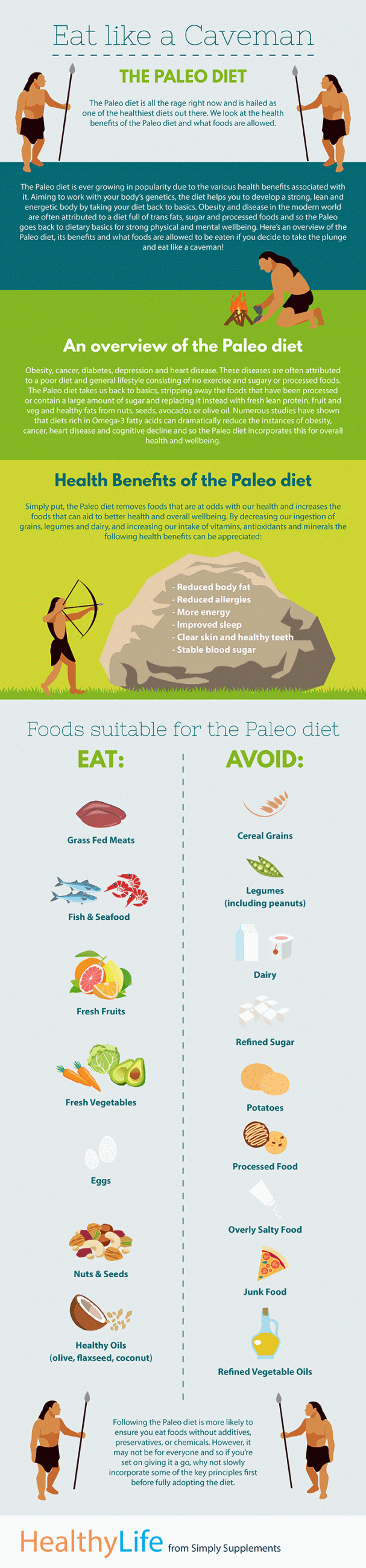
Credit: www.simplysupplements.co.uk
Common Eating Patterns
People follow different eating habits depending on their lifestyle and preferences. Common eating patterns vary in meal frequency and size. Understanding these patterns helps choose what fits best for one’s body and daily routine.
Three Meals Plus Snacks
This pattern involves eating breakfast, lunch, and dinner. Small snacks like fruit or yogurt come between meals. It helps keep energy steady and controls hunger. Many find this method easy to follow and balanced.
Fewer, Larger Meals
Some prefer two or three big meals a day. This approach works if meals contain enough nutrients. It may suit people with busy schedules. Eating less often but more at once can feel satisfying and reduce time spent eating.
Intermittent Fasting
Intermittent fasting limits eating to specific time windows. Common methods include 16 hours fasting and 8 hours eating. This pattern may improve metabolism and weight control. It requires attention to hunger signals and meal quality during eating periods.
Personalizing Meal Timing
Personalizing meal timing means adjusting your eating schedule to fit your unique body needs. Each person has different energy demands and hunger patterns. Tailoring when you eat helps keep your body fueled and balanced throughout the day.
Finding the right meal timing can improve digestion, energy, and mood. It supports better nutrient absorption and prevents overeating. Listening to your body guides you to eat at the best times for you.
Adapting To Activity Levels
Your activity level changes your energy needs. On active days, your body may need food more often. Eating before and after workouts helps refuel muscles and boost recovery. On rest days, fewer meals might work better to avoid excess calories. Adjust meal timing to match how much you move each day.
Responding To Individual Hunger
Hunger signals vary from person to person. Some feel hungry every few hours. Others might go longer without feeling hungry. Eat when you feel moderate hunger, not when starving. Ignoring hunger can lead to overeating later. Trust your body’s cues to decide when to eat.
Balancing Nutrient Needs
Meal timing also depends on nutrient requirements. Spreading protein intake throughout the day helps muscle repair. Including fiber and healthy fats in each meal keeps you full longer. Balanced meals prevent energy crashes and cravings. Plan meal times to evenly distribute key nutrients.
Designing Sustainable Eating Habits
Designing sustainable eating habits helps the body get steady energy. It supports good health and keeps hunger in control. Choosing the right foods and planning meals can make eating easier and better for the body. These habits reduce stress and improve digestion over time.
Small changes in food choices create lasting benefits. Consistency is key to keeping these habits strong. Let’s explore simple ways to build a sustainable eating routine that fits daily life.
Focusing On Whole Foods
Whole foods provide natural nutrients that the body needs. They include fruits, vegetables, whole grains, nuts, and seeds. Eating whole foods helps balance blood sugar and keeps hunger steady. These foods contain fiber, vitamins, and minerals that support digestion and health.
Choosing whole foods over processed options reduces added sugars and unhealthy fats. This choice improves energy levels and mood throughout the day. Simple meals with whole foods make eating more satisfying and less stressful.
Reducing Processed Foods
Processed foods often contain extra salt, sugar, and unhealthy fats. They can cause energy spikes and crashes. Cutting back on processed foods helps the body maintain steady energy and reduces cravings. It also lowers the risk of many chronic diseases.
Try to limit fast food, sugary snacks, and packaged meals. Replace them with fresh, simple ingredients. This change supports better digestion and overall well-being. It also helps control hunger between meals.
Planning And Meal Prep
Planning meals ahead saves time and reduces unhealthy choices. Preparing food in advance helps keep portion sizes balanced and nutrients high. It allows you to eat at regular times, which supports metabolism and energy levels.
Simple meal prep can include chopping vegetables or cooking grains in batches. Packing healthy snacks prevents overeating later. Consistent meal timing and preparation make eating less stressful and more enjoyable.
Balancing Nutrition And Exercise
Balancing nutrition and exercise plays a vital role in how often the human body prefers to eat. Proper food intake supports physical activity and helps the body recover. Eating at the right times fuels muscles and keeps energy levels steady. Understanding this balance improves overall health and fitness.
Nutrition’s Role In Muscle Building
Muscles need protein to grow and repair after exercise. Eating protein-rich foods regularly supports muscle strength. Carbohydrates provide energy for workouts and help muscles recover faster. Small, balanced meals help maintain muscle mass and prevent breakdown.
Boosting Metabolism Through Activity
Exercise increases the body’s calorie burn even after activity ends. Moving more boosts metabolism and helps regulate hunger signals. Regular physical activity encourages the body to use food efficiently. This process supports healthy weight and energy levels throughout the day.
Supporting Health With Proper Fuel
Choosing nutrient-dense foods improves overall well-being. Balanced meals with fiber, healthy fats, and vitamins keep the body functioning well. Eating at moderate intervals prevents extreme hunger and overeating. Proper fueling helps maintain stable blood sugar and good digestion.

Credit: health.clevelandclinic.org
Sample Meal Structures
Understanding sample meal structures helps manage how often you eat. It guides your body to get steady energy. Meals with balanced nutrients keep hunger in check and support metabolism. Here are easy, healthy ideas for breakfast, lunch, and dinner.
Balanced Breakfast Ideas
Start your day with protein and fiber. Try oatmeal topped with nuts and berries. A boiled egg with whole-grain toast works well. Greek yogurt with fruit also makes a good choice. These meals keep you full for hours.
Nutritious Lunch Options
Lunch should include lean protein and vegetables. Grilled chicken with a side of mixed greens is simple and healthy. A quinoa salad with beans and veggies adds fiber. Avoid heavy, greasy foods that cause sluggishness. Drink water or herbal tea instead of sugary drinks.
Healthy Dinner Combinations
Dinner is a chance to refuel without overeating. Baked fish with steamed broccoli and brown rice is light and satisfying. Stir-fried tofu with colorful vegetables offers good protein and vitamins. Keep portions moderate and avoid late-night snacking for better digestion.
Smart Swaps And Beverage Choices
Choosing what to drink can change how often and how much you want to eat. Smart swaps in beverages help control hunger and keep energy steady. Drinks high in sugar can cause quick spikes and crashes in blood sugar. This leads to more hunger soon after. Picking the right drinks supports healthy eating habits and balances hunger signals.
Choosing Water Over Sugary Drinks
Water is the best choice to stay hydrated. It has no calories and does not affect blood sugar levels. Sugary drinks add empty calories and increase cravings. Drinking water before meals can help reduce hunger and prevent overeating. Replace soda and juice with water to keep your body’s hunger signals clear and natural. Water also aids digestion and keeps your metabolism steady.
Incorporating Smoothies Wisely
Smoothies can be healthy or unhealthy depending on ingredients. Use whole fruits and vegetables instead of fruit juices. Add protein like yogurt or nuts to make smoothies more filling. Avoid adding extra sugars or sweetened syrups. Smoothies with fiber and protein help keep hunger away longer. Drink smoothies as a snack or meal replacement to manage your eating frequency better.

Credit: www.terminix.com
Frequently Asked Questions
How Often Is The Human Body Supposed To Eat?
The human body should eat every 3 to 4 hours to maintain steady metabolism and stable blood sugar. Aim for balanced, nutritious meals and snacks based on hunger signals. Personal needs and activity levels guide the ideal eating frequency.
What Is The 1 Worst Eating Habit For Memory Loss?
The 1 worst eating habit for memory loss is consuming excessive sugar and processed foods. These harm brain function and memory.
What Is The Japanese Rule Of Eating?
The Japanese rule of eating emphasizes whole foods, portion control, mindful eating, and reducing processed items for balanced nutrition.
What Is The 70 30 Rule For Eating?
The 70 30 rule for eating means choosing healthy foods 70% of the time and indulgent foods 30% of the time. This balance supports sustainable, enjoyable eating habits without strict restrictions. It promotes overall health while allowing occasional treats.
Conclusion
Finding the right eating frequency depends on your body’s signals. Eating every few hours helps keep energy steady and avoids extreme hunger. Focus on balanced meals with protein, fiber, and healthy fats. Some prefer three meals with snacks; others do well with fewer, larger meals.
Intermittent fasting suits some people, but not all. Listen to your hunger and activity levels to guide your eating times. Consistent, nutritious eating supports good health and well-being. Remember, no one plan fits everyone perfectly. Adjust to what feels best for you.

“As the voice behind Radiant Glow Health, we are dedicated to being your ultimate wellness and vitality companion. Our mission is to inspire and guide you on your journey to a healthier and more vibrant life. Join us as we explore holistic health practices and empower you to radiate wellness from within.”