
“How Often Should You Use Skin Care Face Mask?”
Are you wondering how often you should use a face mask in your skincare routine? You’re not alone.
Face masks promise glowing, refreshed skin, but using them too often—or not enough—can change the results you get. The truth is, the right frequency depends on your skin type, the mask’s ingredients, and what your skin needs most. You’ll discover exactly how often to use different types of face masks to achieve the best results without risking irritation or dryness.
Keep reading to learn how to make face masks work for your unique skin and unlock that radiant glow you’ve been aiming for.
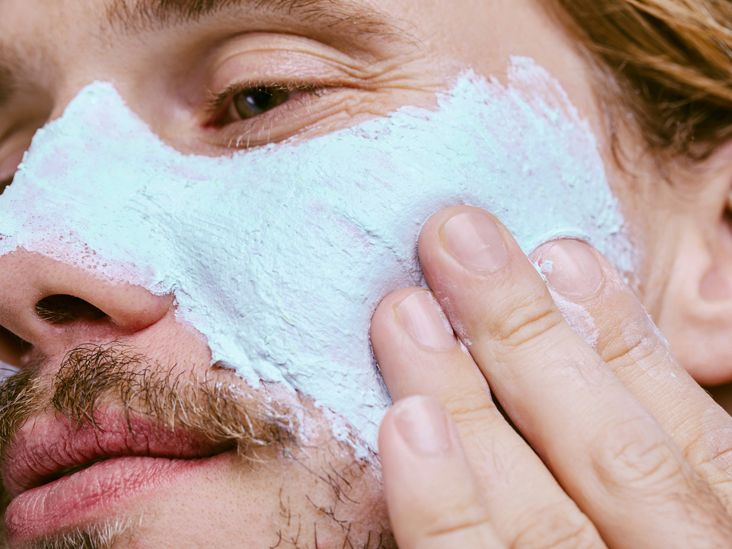
Credit: www.healthline.com
Daily Masking Options
Some face masks are gentle enough for daily use. Choosing the right type is key to avoid skin problems. Daily masks mainly focus on hydration and soothing effects. They help keep skin soft and fresh without harsh ingredients. Let’s explore which masks suit daily use and who can benefit most.
Hydrating Sheet Masks
Hydrating sheet masks contain mild, moisturizing ingredients. They add water and nutrients to your skin quickly. These masks often have soothing elements like aloe or cucumber. Using them daily can improve skin softness and glow. Avoid sheet masks with strong fragrances or alcohol. They can dry or irritate skin if used too often.
Suitability For Healthy Skin
People with healthy, resilient skin may use gentle masks every day. Daily hydrating masks can keep their skin balanced and refreshed. Those with sensitive or dry skin should be cautious. Too much masking might cause redness or irritation. Always test a new mask on a small area first. Listen to your skin’s response and adjust usage accordingly.
Masks To Avoid Daily
Not all face masks suit daily use. Some can harm your skin if used too often. Avoid masks that strip natural oils or irritate skin. Choose masks wisely for healthy skin.
Certain masks clean too deeply or exfoliate too much for everyday use. Using these daily can cause redness, dryness, or sensitivity. Knowing which masks to skip daily helps keep skin balanced.
Exfoliating Masks With Ahas/bhas
Masks with AHAs (alpha hydroxy acids) or BHAs (beta hydroxy acids) remove dead skin cells. They improve texture but are strong. Using them daily can damage skin barriers.
Exfoliating too often causes redness and peeling. Limit these masks to 1-2 times a week. This keeps skin smooth without irritation.
Clay And Deep Cleansing Masks
Clay masks draw out dirt and oil from pores. They work well for oily or acne-prone skin. Daily use can over-dry and upset your skin’s balance.
Deep cleansing masks may cause dryness and sensitivity if overused. Use them once a week to avoid irritation. This helps maintain healthy, clear skin.
Skin Type Considerations
Choosing the right frequency for using face masks depends on your skin type. Each skin type reacts differently to ingredients and mask routines. Knowing your skin type helps avoid irritation and enhances benefits. Follow guidelines designed for your skin to keep it healthy and glowing.
Some masks can be too strong for certain skin types. Others may need more frequent use to see results. Adjust mask use based on how your skin feels and looks after application.
Acne-prone Skin Frequency
Acne-prone skin needs gentle care. Using face masks once a week is usually enough. Masks with clay or salicylic acid help reduce oil and clear pores. Avoid daily masks as they may cause more breakouts. Always watch for redness or irritation and reduce use if needed.
Dry And Sensitive Skin Tips
Dry and sensitive skin requires extra caution. Use hydrating masks no more than once a week. Look for masks with soothing ingredients like aloe or chamomile. Avoid masks with strong exfoliants or fragrances. Applying masks too often can cause dryness or redness. Always moisturize well after masking.

Credit: www.garnierusa.com
Guidelines For Safe Use
Using a face mask can improve your skin, but knowing how often to use it is key. Masks contain different ingredients that work in unique ways. Overusing them may harm your skin instead of helping. Follow these simple guidelines for safe use. They keep your skin healthy and happy.
Reading Product Instructions
Always check the product label before use. Each mask has specific instructions for frequency and duration. Some masks are gentle enough for daily use. Others need to be used only once or twice a week. Ignoring instructions can cause irritation or dryness. Stick to the recommended time and frequency for best results.
Listening To Skin Signals
Your skin tells you how it feels after masking. Watch for redness, tightness, or itchiness. These signs mean your skin needs a break. If you notice peeling or dryness, reduce mask use. Healthy skin feels comfortable and smooth after a mask. Adjust how often you use masks based on your skin’s reaction.
Balancing Masking With Routine
Masks work best as part of a full skincare routine. Do not replace cleansing or moisturizing with masks. Use masks to boost your routine, not to overdo it. For most skin types, one to two masks per week is enough. Hydrating masks may be used more often, but still with care. Balance keeps your skin clear and nourished.
Benefits Of Regular Masking
Using a face mask regularly can improve your skin’s health and appearance. Masks deliver powerful ingredients directly to the skin. They help solve specific skin problems quickly. Regular use also turns skincare into a relaxing ritual. This section explains the benefits of masking often.
Targeted Ingredient Delivery
Masks contain concentrated ingredients that work deeply on the skin. They allow active compounds to penetrate better than daily cleansers or moisturizers. This direct delivery helps nourish, hydrate, or detoxify the skin effectively. Using masks regularly ensures your skin gets a steady supply of these benefits.
Addressing Specific Skin Concerns
Different masks target different skin needs like dryness, oiliness, or dullness. Regular masking helps keep these issues under control. It can reduce acne, brighten skin tone, or calm irritation. Consistent use helps maintain clearer, healthier skin over time.
Enhancing Self-care Experience
Applying a mask is a chance to pause and care for yourself. The routine creates a calming moment in a busy day. This boost to mental wellbeing can improve your skin indirectly. Feeling relaxed reduces stress-related skin problems and promotes a glowing complexion.

Credit: www.healthline.com
Specialized Masks
Specialized masks offer targeted benefits beyond regular skincare masks. These masks use advanced technology or unique ingredients to address specific skin concerns. Their usage frequency depends on the type and your skin’s needs. Using them correctly ensures better results and avoids skin irritation.
Led Light Therapy Masks
LED light therapy masks use different colored lights to improve skin health. Red light helps reduce wrinkles and boosts collagen. Blue light fights acne-causing bacteria and calms inflammation. Use LED masks 2-3 times a week for about 10-20 minutes per session. Avoid daily use to prevent skin sensitivity or dryness. Always follow the manufacturer’s guidelines for best results.
Microcurrent Mask Usage
Microcurrent masks use low-level electrical currents to tone facial muscles. They help lift and firm the skin while improving blood flow. Use these masks 2 times per week initially. After a few weeks, reduce usage to once a week for maintenance. Overusing microcurrent masks may cause muscle fatigue or irritation. Keep sessions short, usually 20 minutes or less, to protect skin health.
Frequently Asked Questions
Should I Use A Face Mask Every Day?
Use a face mask based on your skin type and mask ingredients. Hydrating masks may be used daily, but exfoliating or clay masks should be limited to once a week to avoid irritation. Always follow product instructions and listen to your skin’s response.
Can You Overdo Face Masks?
Yes, overusing face masks can irritate skin, cause dryness, or worsen breakouts. Use masks as directed and listen to your skin’s needs.
Do Dermatologists Recommend Face Masks?
Dermatologists recommend face masks to target specific skin concerns like hydration and brightening. Use masks suitable for your skin type and follow product instructions. Masks complement, not replace, daily skincare routines. Avoid overuse to prevent irritation and maintain healthy skin balance.
How Often Should I Take A Vitamin C Mask?
Use a Vitamin C mask 1-2 times weekly to brighten and protect skin. Avoid daily use to prevent irritation. Always follow product instructions.
Conclusion
Using a face mask depends on your skin type and mask ingredients. Hydrating masks may suit daily use, but exfoliating or clay masks need less frequent application. Always read product instructions and watch how your skin reacts. Stop if you notice irritation or dryness.
Remember, masks support your routine—they do not replace cleansing or moisturizing. Find a balance that keeps your skin healthy and refreshed. Your skin will thank you for the gentle care and attention.

“As the voice behind Radiant Glow Health, we are dedicated to being your ultimate wellness and vitality companion. Our mission is to inspire and guide you on your journey to a healthier and more vibrant life. Join us as we explore holistic health practices and empower you to radiate wellness from within.”