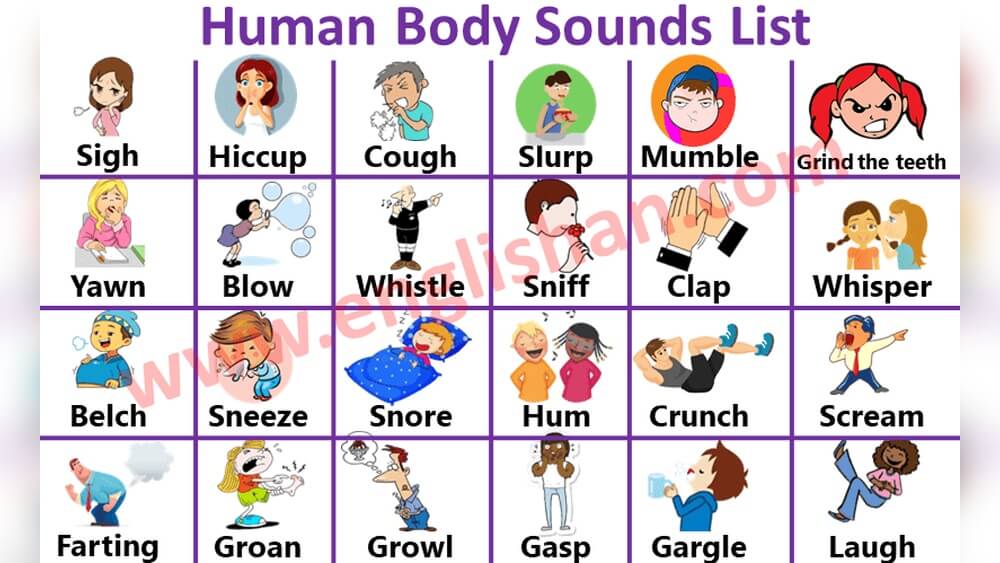
“Body Sounds List”
Have you ever stopped to listen closely to the sounds your body makes every day? From the soft sighs when you relax to the sudden coughs or sneezes that catch you off guard, your body is constantly communicating in ways you might not even notice.
These sounds are more than just background noise—they tell a story about what’s happening inside you. Whether it’s a subtle stomach growl or the rhythmic beat of your heart, understanding these body sounds can give you fascinating insights into your health and emotions.
Ready to uncover the full list of body sounds and what they mean for you? Let’s dive in and explore the surprising world of your body’s natural soundtrack.
Vocal And Mouth Sounds
The human body creates many sounds using the mouth and vocal cords. These sounds help us express feelings, share ideas, and react to the world. Vocal and mouth sounds range from speaking to breathing noises. Each sound plays an important role in communication and daily life.
Talking And Singing
Talking is the most common vocal sound. We use words to share thoughts and stories. Singing adds melody and emotion to our voice. Both involve moving the lips, tongue, and vocal cords to create different sounds.
Coughing And Sneezing
Coughing clears the throat or lungs from irritants. Sneezing is a sudden, strong breath that removes dust or germs from the nose. These sounds happen without control and protect the body from harm.
Laughing And Crying
Laughing shows joy or fun. It often involves breathy, repeated sounds. Crying expresses sadness or pain and includes sobbing or wailing noises. Both sounds connect us emotionally with others.
Chewing And Swallowing
Chewing breaks down food using teeth and jaws. It creates crunching or smacking sounds. Swallowing moves food from the mouth to the throat. This sound is softer but important for digestion.
Breathing Noises
Breathing produces many sounds like sighs, gasps, or wheezes. Quiet breathing is barely heard, but heavy breathing is loud. These sounds show how the body responds to rest or effort.

Credit: englishan.com
Body Movement Sounds
Body movement sounds are noises created by our actions and gestures. These sounds often reflect our mood or intentions. They include simple actions like clapping or tapping. They also come from natural body reactions such as breathing or joint movements. Understanding these sounds can help us connect better with ourselves and others.
Clapping And Snapping
Clapping is the sound of hands hitting each other quickly. People clap to show approval or get attention. Snapping is the sharp click made by fingers. It often signals rhythm or emphasis in conversations. Both sounds are easy to produce and widely used.
Knuckle And Joint Cracking
Cracking joints happens when gas bubbles in the joint fluid pop. Knuckles often make this sound during stretching or movement. Some find it satisfying, while others avoid it. It is a common and harmless sound from body movement.
Foot Tapping And Stomping
Foot tapping is a light, rhythmic sound made by hitting the floor with toes or heels. It can show impatience or keep a beat. Stomping is louder and uses the whole foot. People stomp to express anger or excitement.
Scratching And Slapping
Scratching creates a rubbing noise on the skin. It happens when someone feels itchy. Slapping is a sharp hit usually done with the palm. It can express frustration or be part of playful gestures. Both sounds come from direct contact with the body.
Breathing Variations
Breathing produces many sounds depending on how we breathe. Normal breathing is soft and steady. Heavy breathing sounds louder and faster. Sighing is a long, deep breath often showing relief or tiredness. These sounds reveal emotions and physical states.
Internal Body Noises
Our bodies create many sounds from inside. These internal noises happen naturally. They tell us how our body works. Some sounds show digestion, heartbeats, or breathing. Others come from muscles or air moving through our lungs. Listening to these sounds can help us understand our health better.
Stomach Growling And Gurgling
Stomach growling happens when the stomach is empty. It makes a rumbling or gurgling noise. This sound comes from muscles moving food and gas. It can also occur during digestion. These noises are normal and show the stomach is active.
Heartbeat Sounds
The heartbeat makes a rhythmic thumping sound. It is caused by the heart pumping blood. You can hear it with a stethoscope or sometimes by placing your hand on your chest. Changes in heartbeat sounds may signal health issues.
Snoring And Wheezing
Snoring happens when air moves through relaxed throat tissues during sleep. It creates a rough, noisy sound. Wheezing is a high-pitched sound from narrowed airways. It often occurs during breathing problems like asthma or allergies. Both sounds relate to breathing but have different causes.
Digestive Noises
Digestive noises include bubbling, gurgling, and rumbling. These come from gas and fluids moving in the intestines. They increase after eating or during digestion. Loud or frequent noises can sometimes signal digestive problems.
Other Internal Sounds
Other internal sounds include joint cracking and muscle twitches. Sometimes blood flow creates a whooshing noise in vessels. These sounds are usually harmless. Paying attention to unusual internal sounds can help detect health changes early.

Credit: mrmrsenglish.com
Common Involuntary Sounds
Common involuntary sounds are noises our bodies make without us controlling them. These sounds happen naturally. They often show how the body works or reacts to something. Many people hear these sounds daily but do not always notice them.
These sounds come from different parts of the body. They can be a sign of digestion, breathing, or emotions. Understanding these sounds helps us learn more about our health and feelings.
Hiccups And Burps
Hiccups are sudden, sharp sounds caused by the diaphragm’s quick contractions. They happen when the airway closes briefly. Burps occur when air is pushed out from the stomach through the mouth. Both are normal and show how the body manages air and digestion.
Sighs And Groans
Sighs are deep breaths released slowly, often showing tiredness or relief. Groans are low sounds made when feeling pain, frustration, or effort. These sounds express feelings without words. They help others understand our emotions.
Snorts And Sniffs
Snorts are sharp, noisy breaths through the nose, often from surprise or laughter. Sniffs are quick nasal inhales used to smell or clear the nose. Both sounds help the body react to the environment and keep the nose clear.
Whimpers And Grunts
Whimpers are soft, high-pitched sounds that express sadness or discomfort. Grunts are short, low sounds showing effort or strain. These sounds communicate physical or emotional states without speaking.
Sounds From Interactions
Sounds from interactions reveal how our bodies communicate beyond words. These sounds arise from actions involving the voice, mouth, and physical contact. They often express emotions, reactions, or physical states. Understanding these sounds helps us recognize feelings and intentions in everyday life.
Whispering And Yelling
Whispering is a soft voice sound made with low breath. It shows secrecy or calmness. Yelling is loud and forceful. It signals anger, excitement, or urgency. Both sounds use vocal cords but differ in volume and emotion.
Gargling And Gasping
Gargling happens when liquid vibrates in the throat. People often gargle to clean their mouth or soothe a sore throat. Gasping is a quick intake of breath, showing surprise or shock. These sounds are short but clear signals of body reactions.
Teeth Grinding And Chattering
Teeth grinding is the rubbing of teeth, usually during stress or sleep. It can cause jaw pain over time. Teeth chattering is shaking teeth from cold or fear. Both sounds come from jaw movements and reveal physical or emotional states.
Punching And Slapping Sounds
Punching and slapping create sharp, loud noises on impact. These sounds often express anger or playfulness. The skin and muscles produce these noises when hitting objects or people. Such sounds reflect physical interactions and emotional intensity.
Health Indicators In Body Sounds
Body sounds provide clues about your health. These noises come from inside and outside your body. They can signal normal function or a health problem. Paying attention helps you understand your body’s condition better.
Normal Vs. Concerning Noises
Some body sounds are normal and harmless. For example, stomach gurgling often means digestion is working. Joint cracking can happen when tendons move. These noises usually do not cause pain.
Concerning noises may signal health issues. Wheezing or persistent coughing can mean lung problems. Loud heart murmurs might indicate heart trouble. Sudden, sharp joint sounds with pain need attention.
When To Seek Medical Advice
Seek help if sounds come with other symptoms. Difficulty breathing with wheezing is a warning. Constant stomach pain with gurgling needs a doctor. Sudden changes in voice or swallowing problems require care.
Also, get advice if sounds last long or worsen. Early checkups can prevent serious illness. Trust your body and do not ignore unusual noises.
Body Sounds And Emotional States
Emotions affect the sounds your body makes. Stress can cause teeth grinding or sighing. Anxiety may lead to shallow breathing or frequent yawns. Laughter and crying are natural emotional sounds.
Listening to these noises helps recognize feelings. Managing emotions can reduce some body sounds. Awareness of this link improves both mental and physical health.
Recording And Identifying Sounds
Recording and identifying body sounds is key to understanding human physiology and behavior. Capturing clear audio helps analyze these unique noises accurately. Identifying each sound requires good tools and practice.
Many body sounds are subtle and need sensitive equipment. Learning how to recognize them improves observation skills. This section covers digital recorders, sound libraries, and exercises for better identification.
Using Digital Recorders
Digital recorders capture sounds with high clarity. Small and portable devices work well for body sounds. Place the recorder close to the sound source for best results. Use headphones to monitor recordings live. Adjust settings to reduce background noise. Save files in common formats like WAV or MP3. Label each file with date and sound type for easy access.
Common Sound Libraries
Sound libraries contain many body sounds for study. These collections include coughing, sneezing, and other noises. Libraries help compare your recordings to known sounds. Some are free, while others require payment. Choose libraries with clear, well-labeled samples. Use them to train your ear and improve recognition. Many libraries offer sounds in different qualities and lengths.
Practice Exercises
Practice helps sharpen your sound identification skills. Start by recording simple sounds like clapping or tapping. Listen carefully and try to name each sound. Compare your results with sound libraries. Increase difficulty by recording quieter or mixed sounds. Try to recognize sounds in different environments. Regular practice builds confidence and accuracy. Keep a journal to track progress and notes.

Credit: myenglishteacher.co.uk
Frequently Asked Questions
What Are The 7 Types Of Sound?
The 7 types of sound include vocal, mouth, body movement, internal, environmental, musical, and noise sounds. Each type has distinct sources and characteristics.
What Noises Do Our Bodies Make?
Our bodies make noises like coughing, sneezing, burping, hiccuping, yawning, sighing, and laughing. Joints may crack, and the stomach can growl or gurgle. Breathing sounds include wheezing and snoring. Vocal sounds involve talking, whispering, and shouting. Hands and feet create clapping, snapping, and tapping noises.
What Are The 10 Pleasant Sounds?
The 10 pleasant sounds include birdsong, gentle rain, ocean waves, wind rustling leaves, soft piano music, laughter, crackling fire, flowing river, whispering breeze, and humming bees. These sounds promote relaxation and calmness.
What Are The 10 Types Of Sound?
The 10 types of sound include vocal, mouth, body movement, internal, animal, environmental, musical, noise, soft, and loud sounds.
Conclusion
Body sounds play a big part in how we communicate and express ourselves. These noises come from many parts of the body and have different meanings. Knowing common body sounds helps you understand everyday life better. Next time you hear a cough, sigh, or laugh, think about what it might mean.
Our bodies speak in sounds, telling stories without words. Simple sounds connect us all in a natural way.

“As the voice behind Radiant Glow Health, we are dedicated to being your ultimate wellness and vitality companion. Our mission is to inspire and guide you on your journey to a healthier and more vibrant life. Join us as we explore holistic health practices and empower you to radiate wellness from within.”