Did you know that your body isn’t entirely dependent on the food you eat to get all the vitamins it needs? While many vitamins must come from your diet, there are a few that your body can actually make on its own.
Understanding which vitamins your body can synthesize—and how it does so—can empower you to make smarter choices about your health and nutrition. Keep reading to discover the surprising ways your body produces essential vitamins like D and K, and why this matters for your overall well-being.
This knowledge could change the way you think about vitamins forever.
Credit: www.chegg.com
Vitamins Produced By The Body
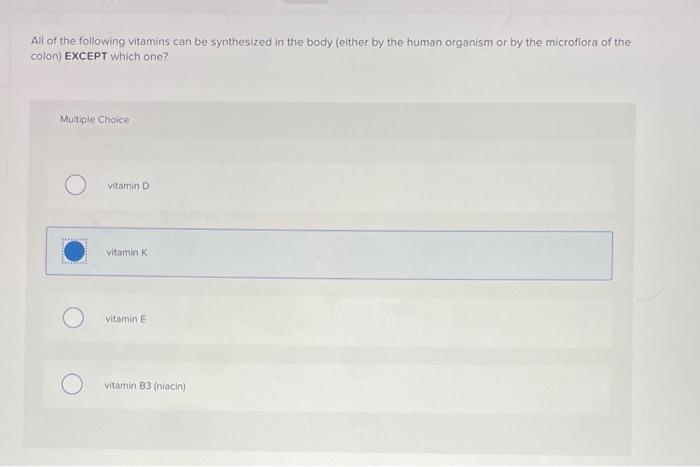
The human body can produce some vitamins on its own. These vitamins play important roles in maintaining health. Understanding which vitamins the body makes helps us see why some vitamins need to come from food. The body’s ability to synthesize certain vitamins reduces the need to get all vitamins from diet alone.
Here are the key vitamins produced by the body and how they are made.
Vitamin D From Sunlight
Vitamin D forms in the skin after exposure to sunlight. Ultraviolet B (UVB) rays trigger its production. This vitamin helps keep bones strong by aiding calcium absorption. Spending time outside in the sun supports vitamin D levels naturally. Limited sun exposure or sunscreen use can reduce vitamin D synthesis.
Vitamin K From Gut Bacteria
Certain gut bacteria produce vitamin K inside the intestines. This vitamin is essential for blood clotting and bone health. The bacteria in the large intestine synthesize vitamin K2, a form beneficial for the body. A healthy gut supports better vitamin K production. Antibiotics or poor diet may disrupt this process.
Biotin Synthesis And Sources
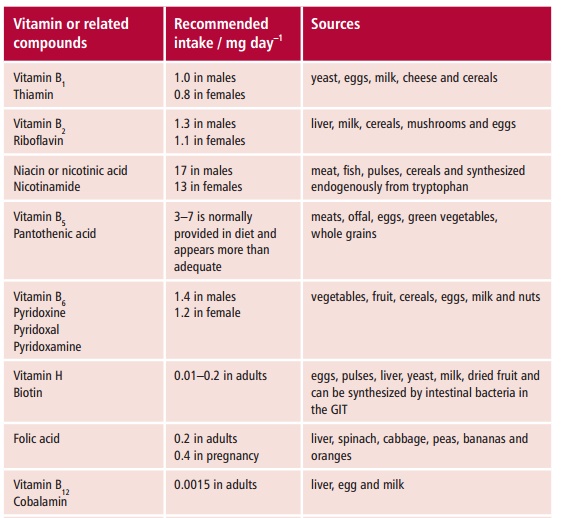
Biotin, also known as vitamin B7, can be made by gut bacteria. It plays a key role in energy metabolism and cell growth. The amount produced in the gut varies among individuals. Biotin is also found in foods like eggs, nuts, and seeds. Combining body synthesis and diet helps meet daily biotin needs.
Vitamins Not Synthesized By Humans
Humans cannot produce all vitamins needed for health. Some vitamins must come from food. These vitamins are vital for many body functions. Without them, health problems may occur. Understanding which vitamins are not synthesized helps improve diet choices.
Essential Dietary Vitamins
Essential dietary vitamins cannot be made by the body. People must eat foods rich in these vitamins daily. These include vitamins A, C, and E. They support vision, immunity, skin health, and more. Missing these vitamins affects growth and healing.
Vitamin A From Beta Carotene
The human body cannot make vitamin A directly. Instead, it converts beta carotene from plants into vitamin A. Beta carotene is found in carrots, sweet potatoes, and spinach. Vitamin A helps keep eyes healthy and supports the immune system. Eating colorful vegetables helps meet vitamin A needs.
Importance Of Vitamin C And E
Vitamin C is vital for healing wounds and fighting infections. The body cannot produce this vitamin. It must come from fruits like oranges and strawberries. Vitamin E acts as an antioxidant, protecting cells from damage. Nuts, seeds, and green leafy vegetables provide vitamin E. Both vitamins help maintain healthy skin and overall health.
Factors Affecting Vitamin Synthesis
The human body can produce certain vitamins on its own. This natural synthesis depends on many factors. Understanding these factors helps explain why vitamin levels vary among individuals. Some vitamins, like D and K, rely heavily on external and internal conditions for their creation.
Sunlight Exposure And Vitamin D Levels
Vitamin D synthesis starts in the skin with sunlight. Ultraviolet B (UVB) rays from the sun trigger its production. Limited sunlight reduces vitamin D creation, leading to deficiencies. People living in areas with less sun may need supplements. Skin color also affects how much vitamin D the body makes. Darker skin needs more sunlight to produce the same amount.
Gut Microbiome’s Role In Vitamin K
Vitamin K is partly made by bacteria in the gut. A healthy gut microbiome supports this vitamin production. Antibiotics or poor diet can harm these bacteria. When gut bacteria decrease, vitamin K levels drop. This vitamin is crucial for blood clotting and bone health. Probiotics and fiber-rich foods help maintain good gut bacteria.
Age And Health Influences
Aging reduces the body’s ability to synthesize some vitamins. Older adults often produce less vitamin D in their skin. Certain health conditions also impact vitamin synthesis. Kidney and liver diseases can lower vitamin D activation. Malabsorption issues affect vitamin K production. Regular health check-ups help monitor vitamin levels in aging individuals.
Dietary Importance For Vitamins
Vitamins play a vital role in keeping the body healthy and functioning well. Although the body can make some vitamins like D and K, most must come from food. Eating the right foods helps provide these essential nutrients. Understanding how to get vitamins from your diet is key to maintaining good health and avoiding problems linked to vitamin imbalance.
Balanced Diet For Optimal Intake
A balanced diet includes a variety of fruits, vegetables, grains, and proteins. Each food group offers different vitamins needed for body functions. Eating diverse foods ensures the body receives enough vitamins daily. Whole foods are often the best source because they contain vitamins and other nutrients together.
Fortified Foods And Supplements
Fortified foods have vitamins added during processing. These help people get extra vitamins that might be missing in their diet. Supplements provide vitamins in pill or liquid form. They can support health but should not replace healthy eating. Using supplements wisely can fill nutritional gaps.
Risks Of Deficiency And Excess
Vitamin deficiency can cause weakness, illness, and slow healing. Common deficiencies include vitamins D, B12, and C. On the other hand, too much vitamin intake can lead to harmful effects. Excess fat-soluble vitamins like A and D may build up in the body. Keeping vitamin levels balanced is important for good health.
Fat-soluble Vs Water-soluble Vitamins
Vitamins play vital roles in the human body. They support growth, repair, and overall health. Vitamins fall into two main groups: fat-soluble and water-soluble. Each group behaves differently inside the body. Understanding these differences helps us know how the body uses and stores vitamins.
Characteristics Of Fat-soluble Vitamins
Fat-soluble vitamins dissolve in fats and oils. They include vitamins A, D, E, and K. The body absorbs them with dietary fat. These vitamins travel through the lymph system before entering the bloodstream. They tend to stay longer in the body since they store in fat tissues and the liver. The body can use these stores when dietary intake is low.
Water-soluble Vitamin Limitations
Water-soluble vitamins dissolve in water. This group includes vitamin C and all B vitamins. The body absorbs them directly into the bloodstream. They do not store well. Excess amounts usually leave the body through urine. Daily intake is necessary to maintain adequate levels. The body cannot hold large reserves of these vitamins.
Storage And Toxicity Concerns
Fat-soluble vitamins can build up in the body. High amounts may cause toxicity or health issues. Water-soluble vitamins rarely reach toxic levels due to limited storage. However, very high doses of some water-soluble vitamins can still cause problems. Balanced intake from food sources helps avoid these risks. Understanding storage helps guide safe vitamin use.

Credit: en.wikipedia.org
Common Myths About Vitamin Synthesis
Many people misunderstand how vitamins are made or obtained by the body. Some believe the body can produce all vitamins it needs. Others think supplements replace natural vitamin synthesis completely. These myths create confusion about nutrition and health. Clearing up these ideas helps us make better choices for our diet and lifestyle.
Misconceptions About Vitamin D Production
Vitamin D is unique because the body can make it using sunlight. Skin cells change sunlight into vitamin D, but this depends on many factors. Weather, skin color, and time outside affect production. Some believe just a few minutes outdoors make enough vitamin D. This is not always true. Limited sun exposure often means low vitamin D. Diet and supplements may be needed to reach healthy levels.
Vitamin A And Its Precursors
Vitamin A cannot be directly made by the body. Instead, it must come from foods or be formed from certain plant compounds. These compounds, called carotenoids, turn into vitamin A after digestion. Many think eating any fruit or vegetable supplies enough vitamin A. In reality, only certain types, like carrots and spinach, provide these precursors. A balanced diet is essential for sufficient vitamin A.
Clarifying The Role Of Supplements
Supplements often get mixed messages about their necessity. Some believe supplements replace natural vitamin production fully. Others assume they are always unnecessary if the body synthesizes vitamins. The truth lies in balance. Supplements help fill gaps when diet or sun exposure is low. They do not replace the body’s natural processes but support overall vitamin needs.
Credit: www.brainkart.com
Frequently Asked Questions
Which Vitamins Can Be Synthesized By Humans?
Humans synthesize vitamin D in the skin through sunlight exposure. Gut bacteria produce some vitamin K. Biotin synthesis occurs in small amounts. These vitamins reduce dietary needs but do not eliminate the need for a balanced diet.
What Vitamins Can Your Body Synthesize?
The human body synthesizes vitamin D through sunlight exposure and vitamin K via gut bacteria. These reduce dietary needs.
Which Vitamins Cannot Be Synthesized By The Body?
The body cannot synthesize vitamins A, C, and E. These must come from diet or supplements for health.
Can The Human Body Synthesize Needed Vitamins?
The human body synthesizes vitamin D through sunlight exposure and vitamin K via gut bacteria. Other vitamins require dietary intake.
Conclusion
The human body can produce some vitamins naturally. Vitamin D forms in the skin with sunlight exposure. Vitamin K is made by good bacteria in the gut. These vitamins reduce the need for large dietary amounts. Still, most vitamins must come from food daily.
Eating fruits, vegetables, and whole grains helps meet vitamin needs. Supplements can help but should not replace food. Understanding vitamin synthesis helps us appreciate our body’s power. Stay mindful of both natural production and diet for good health.

“As the voice behind Radiant Glow Health, we are dedicated to being your ultimate wellness and vitality companion. Our mission is to inspire and guide you on your journey to a healthier and more vibrant life. Join us as we explore holistic health practices and empower you to radiate wellness from within.”