How do you truly take care of yourself? It’s a question that might seem simple but often feels overwhelming when life gets busy.
You deserve more than just quick fixes or occasional treats—you need a way to recharge that fits your unique life and needs. Imagine feeling more balanced, energized, and calm every single day, simply by making small, intentional choices. You’ll discover practical, easy-to-follow self-care ideas that go beyond clichés and actually work.
Ready to find out how you can start taking better care of yourself right now? Keep reading to unlock simple steps that will make a big difference in your well-being.
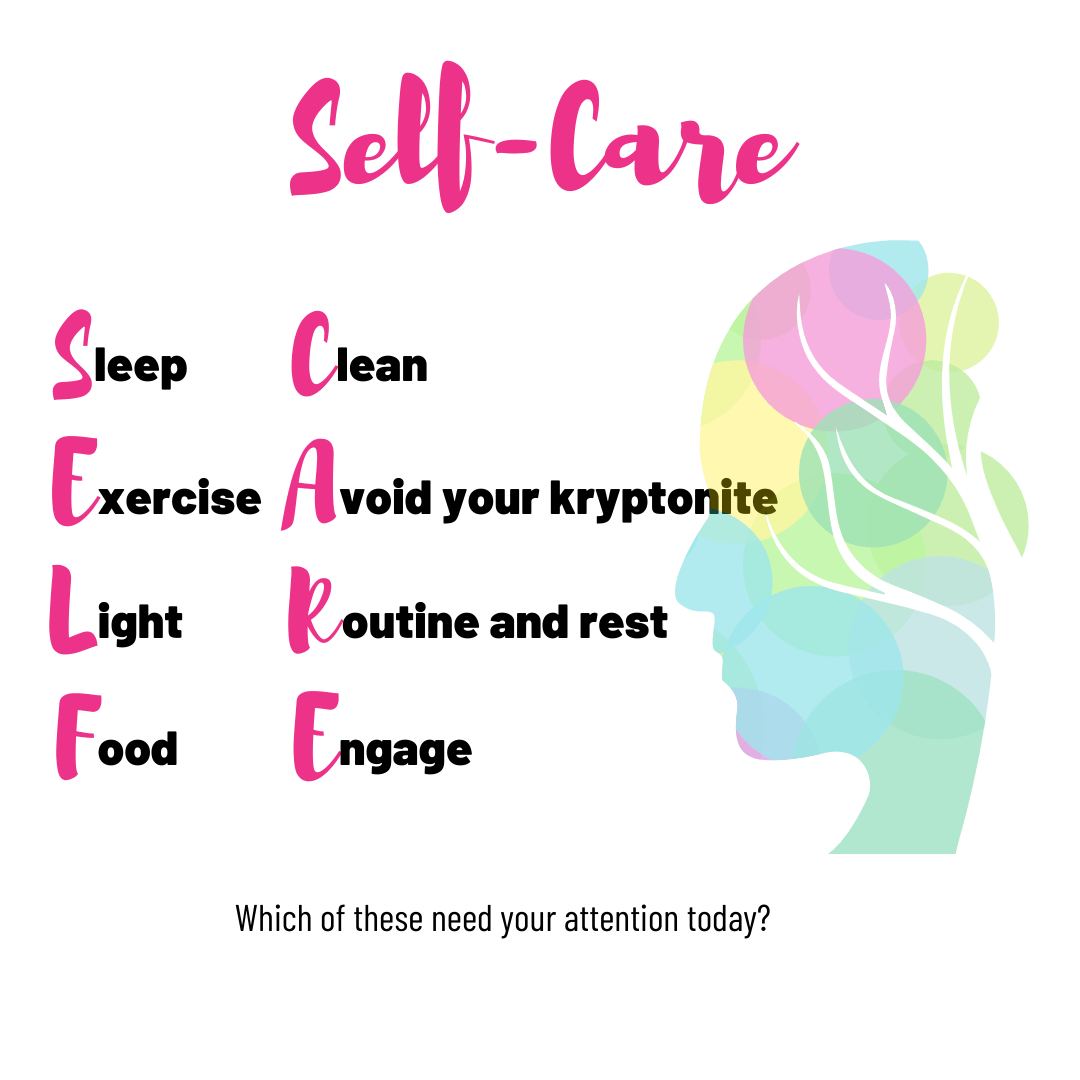
Credit: www.thepsychcollective.com
Physical Care
Physical care forms the foundation of self-care. It supports your body’s strength, energy, and overall health. Taking care of your body helps you feel better every day. Simple habits can improve your physical well-being and boost your mood.
Movement Activities
Moving your body keeps it strong and flexible. Walking, dancing, or stretching helps reduce stress. Try yoga to increase balance and calm your mind. Regular exercise improves sleep and energy levels. Even short bursts of activity can make a difference.
Balanced Nutrition
Eating a variety of foods fuels your body properly. Include fruits, vegetables, whole grains, and proteins in meals. Drink plenty of water to stay hydrated and alert. Avoid too much sugar and processed foods. Balanced nutrition supports your immune system and mood.
Health Maintenance
Regular check-ups help catch health issues early. Take prescribed medications and follow doctor’s advice. Rest and sleep are vital for healing and energy. Treat yourself to massages or relaxation therapies. Staying on top of your health keeps you strong and resilient.
Mental And Emotional Care
Mental and emotional care is essential for overall well-being. It helps maintain balance and peace in daily life. Taking time to nurture your mind and emotions can reduce stress and improve happiness.
Simple actions can create a big impact on mental health. These include focusing on the present, expressing feelings, and protecting your energy. Making mental and emotional care a habit supports resilience and clarity.
Mindfulness Practices
Mindfulness means paying attention to the present moment. It reduces anxiety by slowing down racing thoughts. Try deep breathing or guided meditation for a few minutes daily. Notice your senses and surroundings without judgment. This practice helps calm your mind and improve focus.
Creative Hobbies
Engaging in creative activities boosts mental health. Drawing, writing, or playing music are great options. These hobbies allow self-expression and relieve tension. Spending time on something you enjoy lifts your mood. Creativity connects you with your inner self and sparks joy.
Setting Boundaries
Boundaries protect your emotional energy. Saying no to extra tasks prevents burnout. Limit time on social media to avoid negativity. Clear limits help you focus on what matters most. Healthy boundaries create space for rest and growth.
Emotional Expression
Expressing emotions supports mental healing. Journaling your thoughts can reveal hidden feelings. Talking to a trusted friend or therapist offers relief. Allow yourself to feel without shame or judgment. Emotional honesty builds self-awareness and inner strength.
Social Connections
Social connections play a vital role in self-care. They help reduce stress and boost happiness. Spending time with others creates a sense of belonging and support. Building and maintaining relationships nurtures emotional well-being. Here are key ways to care for yourself through social connections.
Spending Quality Time
Spend time with family and friends regularly. Choose activities that everyone enjoys. Simple moments, like sharing a meal or talking, strengthen bonds. Put away phones to focus fully on each other. These moments recharge your spirit and deepen trust.
Acts Of Kindness
Small acts of kindness improve your mood and others’ lives. Compliment someone or help with a task. Writing a thank-you note spreads positive feelings. Giving kindness creates a cycle of goodwill that benefits all.
Community Involvement
Join local groups or volunteer for causes you care about. Being part of a community expands your network and sense of purpose. Attend events or support neighbors to feel connected. Community work fosters empathy and personal growth.
Spiritual Renewal
Spiritual renewal is a vital part of self-care. It helps you find peace and balance. It reconnects you with your inner self. This renewal can bring comfort during stressful times. It supports mental and emotional well-being. Simple acts can nurture your spirit daily. These acts encourage calmness and clarity. They help you feel grounded and hopeful.
Nature Engagement
Spending time outdoors boosts spiritual health. Fresh air and natural light refresh your mind. Walks in the park or forest calm your thoughts. Listening to birds or rustling leaves soothes your soul. Watching a sunrise or sunset brings wonder and peace. Caring for plants or gardening connects you to life. Nature’s rhythms remind you of life’s flow and cycles. These moments create space for quiet reflection and healing.
Finding Meaning
Finding meaning gives purpose to daily life. Reflection helps you understand your values and goals. Meditation or prayer can deepen your spiritual insight. Creating a vision board clarifies what matters most. Gratitude practice shifts focus to positive aspects. Journaling your thoughts uncovers inner truths and hopes. These activities build a strong foundation of hope. They inspire you to keep moving forward with intention.
Financial Wellness
Financial wellness plays a key role in self-care. Managing money wisely reduces stress and builds security. It allows focus on health and happiness without financial worries.
Simple steps help improve financial wellness. Tracking income and expenses brings clarity. Organizing finances creates order and control. These habits support a balanced, peaceful life.
Budgeting Tips
Create a budget to plan your spending. List all income sources and monthly expenses. Include savings as a fixed expense to build funds.
Track daily purchases to see where money goes. Adjust spending to avoid overspending and debt. Use apps or notebooks to keep budgets clear and accessible.
Set realistic financial goals like saving for emergencies. Small, steady progress helps avoid feeling overwhelmed. Review your budget regularly to stay on track.
Organizing Finances
Keep financial documents in one place for easy access. Use folders or digital files to sort bills, receipts, and statements. This prevents missed payments and late fees.
Automate bill payments to save time and avoid penalties. Set reminders for important financial dates. Regularly check bank accounts to spot errors or fraud.
Declutter old accounts or unused credit cards to simplify finances. Clear records help you understand your financial health better. A tidy system reduces stress and saves time.
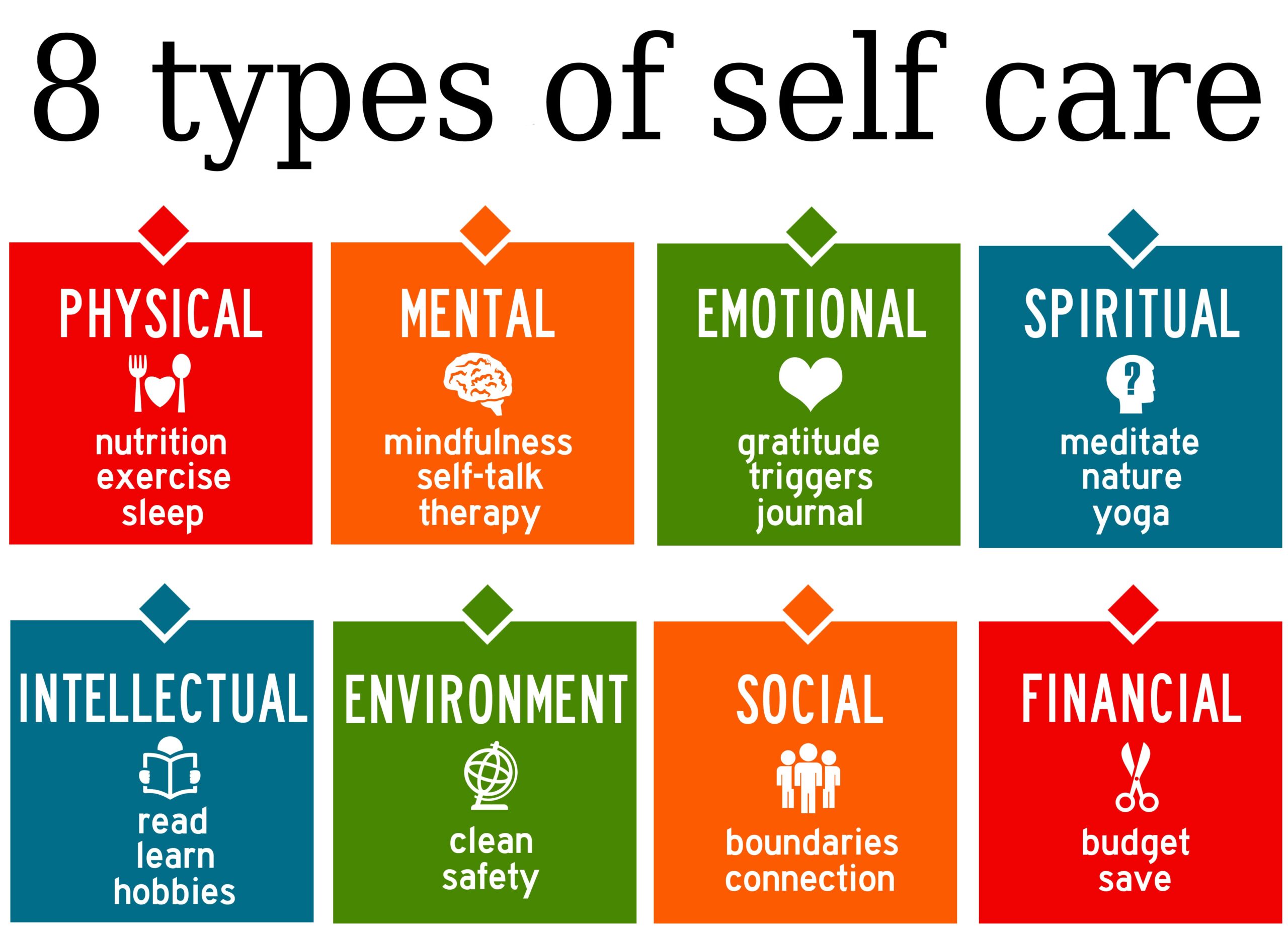
Credit: scottsdalerecovery.com
Daily Self-care Habits
Daily self-care habits play a key role in maintaining overall well-being. These habits build a foundation for physical, mental, and emotional health. They are simple actions repeated regularly that help recharge your body and mind. Small steps every day create lasting positive effects.
Incorporating daily self-care does not require large changes. It begins with easy, manageable activities anyone can do. These actions reduce stress and boost energy. Even brief moments of care can improve your mood and focus.
Small Consistent Actions
Small consistent actions shape effective self-care routines. Drinking enough water each day supports physical health. Taking short breaks during work refreshes the mind. Stretching for a few minutes helps reduce tension and improve circulation.
Setting a regular sleep schedule strengthens your body’s natural rhythm. Eating balanced meals fuels energy and supports brain function. Practicing gratitude daily can lift your spirits and create a positive mindset.
Simple Relaxation Techniques
Simple relaxation techniques calm the mind and ease stress. Deep breathing exercises slow the heart rate and promote relaxation. Listening to soft music helps create a peaceful environment.
Mindfulness meditation focuses attention on the present moment. This reduces anxiety and clears mental clutter. Gentle yoga stretches release muscle tightness and improve flexibility. Even a few minutes of quiet time each day refreshes your mental state.
Reducing Stress
Stress affects our body and mind. It can make daily life harder. Reducing stress is key to good self-care. Simple steps help calm your mind and boost energy. Focus on easy actions you can do every day. Small changes make a big difference over time.
Limiting Screen Time
Too much screen time can increase stress. It strains your eyes and mind. Try to take breaks from phones and computers. Set a timer for screen-free moments during the day. Use this time to breathe deeply or stretch your body. Avoid screens before bedtime for better sleep. Reading a book or listening to music can relax you instead.
Managing Financial Pressure
Money worries cause a lot of stress. Organize your budget to see where money goes. Write down your income and expenses clearly. Cut small costs that are not needed. Set simple financial goals for saving or paying bills. Ask for help if money feels overwhelming. Tracking spending gives a sense of control and peace.

Credit: monarchnc.org
Frequently Asked Questions
What Are Examples Of Self-care?
Examples of self-care include exercising, eating healthy, meditating, journaling, setting boundaries, connecting with loved ones, praying, budgeting, reading, and enjoying hobbies. These activities help recharge your body, mind, and spirit through simple, intentional daily practices.
What Are 5 Tips For Self-care?
1. Prioritize regular exercise and balanced nutrition daily. 2. Practice mindfulness through meditation or deep breathing. 3. Set healthy boundaries to protect your time and energy. 4. Connect meaningfully with friends or family often. 5. Manage finances by budgeting and organizing expenses.
What Are The 7 Self-care Behaviors?
The 7 self-care behaviors include healthy eating, physical activity, monitoring symptoms, medication adherence, problem-solving, reducing risks, and healthy coping skills.
What Are The 5 C’s Of Self-care?
The 5 C’s of self-care are: Care, Connection, Commitment, Compassion, and Consistency. These guide intentional actions to maintain well-being.
Conclusion
Self-care means taking small steps to feel better each day. It includes caring for your body, mind, and relationships. Simple actions like walking, talking to friends, or deep breathing help a lot. You do not need big changes to start caring for yourself.
Try to make self-care a daily habit. It helps you stay healthy and calm. Remember, caring for yourself allows you to help others too. Keep it simple, be kind to yourself, and enjoy the process. Self-care is your time to recharge and grow.

“As the voice behind Radiant Glow Health, we are dedicated to being your ultimate wellness and vitality companion. Our mission is to inspire and guide you on your journey to a healthier and more vibrant life. Join us as we explore holistic health practices and empower you to radiate wellness from within.”