You want to be there for the people you care about, but have you noticed how hard it is to give your best when you’re feeling drained or overwhelmed? The truth is, your ability to care for others depends a lot on how well you care for yourself first.
When you make time for your own health and well-being, you actually boost your energy, patience, and focus—qualities that make your care more effective and meaningful. This article will show you why self-care isn’t selfish and how it directly impacts your ability to support those you love.
Keep reading to discover simple steps that can recharge you and transform the way you care for others.

Credit: www.mymindoasis.com
The Link Between Self-care And Caregiving
Caring for others needs energy, patience, and kindness. These qualities come from how well you care for yourself. Self-care is not just a personal act; it shapes how you show up for others. Without self-care, your ability to provide support can weaken quickly. Understanding this link helps caregivers stay strong and effective.
Good self-care creates a foundation that supports caregiving. It helps maintain the physical and emotional strength needed for the role. When caregivers prioritize their own needs, they can give more focused and gentle care. This balance keeps both the caregiver and the person receiving care healthier and happier.
How Self-care Fuels Your Energy
Energy is the core of caregiving. Simple self-care habits like eating well, resting, and moving your body boost energy. These actions help you face daily caregiving tasks with more strength and clarity. Without enough energy, small tasks can feel overwhelming and stressful.
Regular self-care routines refresh your body and mind. They reduce fatigue and help you stay alert. As energy grows, so does your ability to support others with patience and care.
Avoiding Burnout To Maintain Compassion
Caregiver burnout happens when stress becomes too much to handle. It drains your kindness and patience fast. Taking time for yourself stops burnout from setting in. It gives your mind space to relax and recharge.
When you avoid burnout, your care stays gentle and kind. Compassion flows easier. This helps build stronger connections with those you care for. Caring with a full heart makes a big difference in their healing and comfort.
Emotional Resilience Through Self-care
Emotional resilience means bouncing back from tough moments. Self-care builds this strength by calming your mind and healing your emotions. Simple acts like deep breathing or quiet time help manage stress.
With resilience, you handle caregiving challenges without feeling overwhelmed. You stay calm and clear-headed. This steadiness helps you make better choices and offer steady support to others.

Credit: www.villaofhope.org
Key Self-care Practices For Caregivers
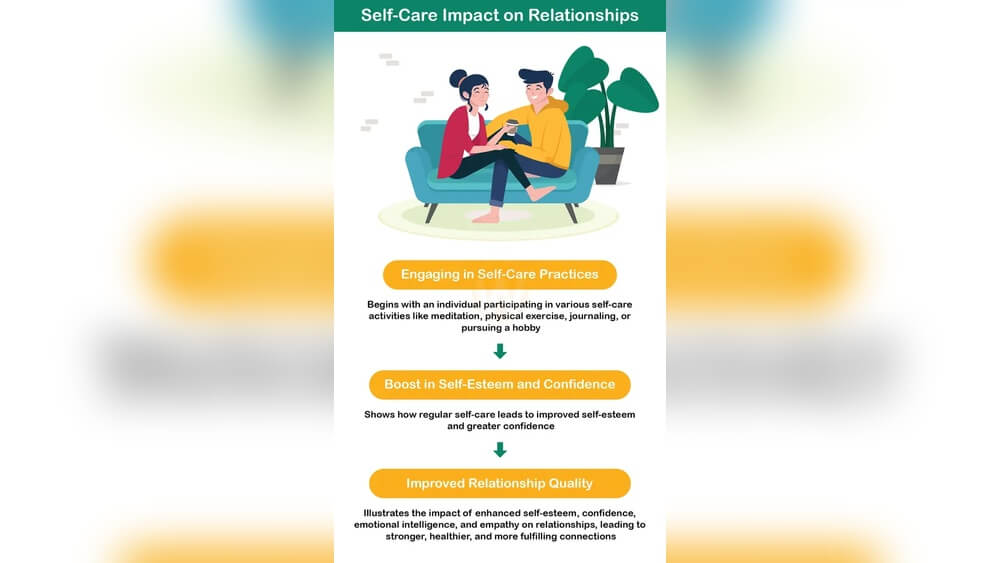
Self-care plays a vital role in shaping our relationships. When you take care of yourself, you bring your best self to others. This creates a positive cycle where everyone benefits. Neglecting self-care often leads to stress and misunderstanding. Prioritizing your well-being can improve how you connect with loved ones and handle challenges together.
Improving Communication With Loved Ones
Good self-care helps you stay calm and clear-headed. This allows you to listen better and express yourself calmly. When you are rested and relaxed, conversations flow more smoothly. Misunderstandings happen less often. You can address problems without raising your voice or feeling overwhelmed.
Managing Day-to-day Stress Together
Stress affects everyone in a relationship. Taking care of yourself sets a strong example for others. It helps you stay patient during tough times. Sharing healthy coping strategies can ease daily pressures. Couples and families can work as a team to face challenges. This teamwork builds trust and reduces tension.
Building Stronger Emotional Connections
Self-care boosts your emotional health. This makes it easier to be present and supportive for others. When you feel good inside, you can share love and kindness more freely. Emotional bonds grow stronger through shared moments of care and understanding. Taking time for yourself allows you to give more to those you care about.
Impact Of Self-care On Relationships
Overcoming barriers to self-care is essential for anyone caring for others. Caregiving can be demanding and stressful. Without proper self-care, the ability to provide support weakens. Understanding common challenges and learning to set boundaries helps maintain balance. Finding time for yourself is possible, even with many responsibilities. These steps improve both your well-being and your caregiving quality.
Common Caregiver Challenges
Many caregivers face physical and emotional exhaustion. Stress builds up from constant demands and little rest. Feeling guilty for taking breaks is common. Caregivers often put others’ needs first, ignoring their health. Lack of support and resources adds to the struggle. Recognizing these challenges is the first step to change.
Setting Boundaries Without Guilt
Clear boundaries protect your energy and mental health. Saying no does not mean you care less. Boundaries help create space for rest and recovery. Communicate your limits kindly but firmly. This prevents burnout and improves your focus. Boundaries allow you to be present and patient when caring.
Finding Time For Yourself Amid Demands
Small moments of self-care add up over time. Prioritize activities that recharge your body and mind. Use simple routines like short walks or deep breaths. Ask for help from friends or family when needed. Scheduling “me time” is not selfish. It keeps you strong and able to support others better.

Credit: lbucommunityclinic.org
Overcoming Barriers To Self-care
Vital energy fuels your ability to care deeply for others. Without it, even simple acts of kindness feel heavy. You can build and maintain this energy by choosing clear, simple strategies. These methods fit into daily life and help keep your spirit and body strong.
Creating A Personalized Self-care Plan
Start by listing activities that relax and recharge you. Include things like walking, reading, or listening to music. Set small, achievable goals for these activities each day. Tailor your plan to fit your schedule and needs. Adjust it as you learn what works best for you. This personalized plan keeps your energy steady and your mind clear.
Using Mindfulness To Boost Energy
Mindfulness means paying full attention to the present moment. Simple breathing exercises calm your mind and reduce stress. Try spending five minutes each day in quiet reflection. Notice your thoughts without judgment and gently return to your breath. This practice refreshes your mental energy and sharpens focus. Mindfulness builds resilience and helps you stay balanced.
Leveraging Support Networks
Connecting with friends, family, or support groups eases emotional strain. Sharing your feelings and challenges lightens your load. Others can offer advice, help with tasks, or just listen. Don’t hesitate to ask for support when you need it. Strong relationships provide a steady source of energy and encouragement. Together, you can face caregiving challenges with more strength.
Strategies To Unlock Vital Energy
Self-care is often seen as a personal benefit, but its impact goes beyond the individual. Taking care of yourself improves your ability to care for others. It also supports your overall quality of life and the health of your community. The benefits of self-care extend into work, health, and social connections. Understanding these benefits helps you see self-care as an essential part of daily life, not just a luxury.
Enhanced Job Performance And Focus
Self-care boosts concentration and energy levels. It reduces stress and mental fatigue. This leads to better decision-making at work. Caregivers who practice self-care stay alert and patient. They handle challenges with a clearer mind. This improves the quality of care they provide. It also helps maintain a positive attitude during long work hours.
Long-term Health And Wellbeing
Regular self-care habits protect your body and mind. Healthy eating, exercise, and sleep strengthen the immune system. They lower the risk of chronic illnesses like diabetes and heart disease. Mental health also benefits from relaxation and mindfulness practices. This prevents burnout and emotional exhaustion. Staying healthy allows caregivers to support others longer and more effectively.
Positive Ripple Effects In Community
Self-care creates a stronger, more resilient community. When individuals care for themselves, they bring positive energy to others. This spreads kindness, support, and understanding. Communities with healthy members experience less stress and conflict. People are more willing to help each other. Self-care fosters a culture of care that goes beyond the individual.
Frequently Asked Questions
How Might Care For Yourself Impact Care For Others?
Caring for yourself boosts energy, patience, and focus, enabling you to provide better support to others. Neglecting self-care risks burnout and reduces care quality.
How Does Self-care Relate To Caring For Others?
Self-care replenishes your energy, reduces burnout, and improves focus. It enables you to provide better, more compassionate care to others.
Why Is Self-care Important When Helping Others?
Self-care restores your energy and focus, preventing burnout. It helps you provide better, more compassionate support to others consistently.
How Does Self-care Impact The Caregiving Role?
Self-care prevents caregiver burnout and boosts energy, focus, and patience. It improves care quality and strengthens relationships.
Conclusion
Taking care of yourself boosts your energy and patience. It helps you stay calm and focused when helping others. Rest, good food, and exercise build your strength. Without self-care, stress can make caregiving harder. Small daily habits protect your health and kindness.
Caring for yourself is not selfish but essential. Your well-being shapes how well you support loved ones. Prioritize self-care to give your best every day.

“As the voice behind Radiant Glow Health, we are dedicated to being your ultimate wellness and vitality companion. Our mission is to inspire and guide you on your journey to a healthier and more vibrant life. Join us as we explore holistic health practices and empower you to radiate wellness from within.”