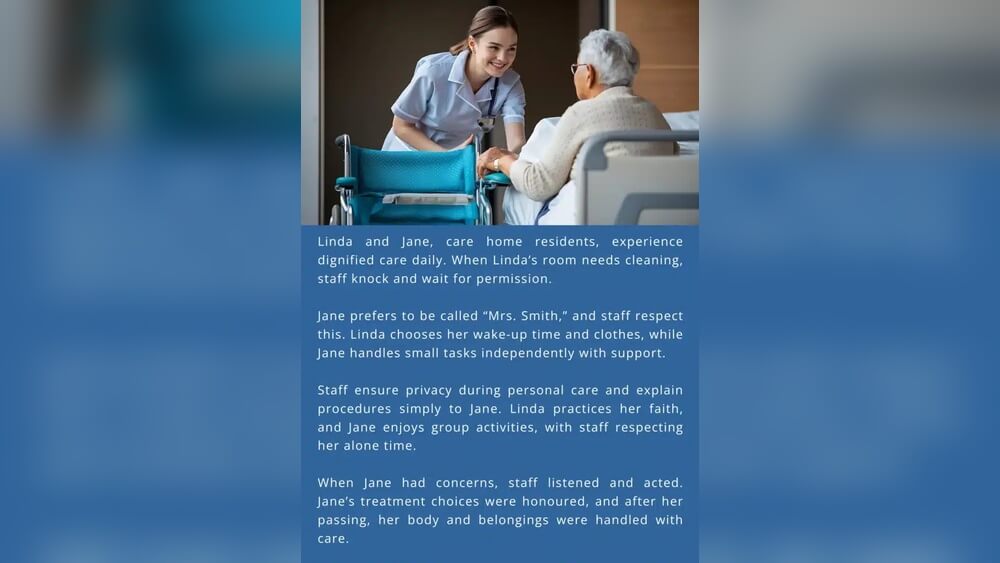
When you help someone with personal care, it’s easy to focus just on the tasks. But have you ever stopped to think about how important it is to protect their dignity throughout the process?
Maintaining a person’s dignity isn’t just about respect—it’s about preserving their sense of self and comfort when they might feel most vulnerable. You hold the power to make a real difference by simple actions that honor their choices, privacy, and feelings.
Want to learn practical ways to keep dignity at the heart of personal care? Keep reading, because the tips and insights ahead will change how you approach every moment of care.

Credit: caringforcare.co.uk
Recognize The Person
Recognizing the person is key to maintaining dignity during personal care. It means seeing beyond their needs and valuing who they are. Care should respect their feelings, history, and personality. Each person has a unique story that shapes their identity. Respecting this helps build trust and comfort.
Focus Beyond The Condition
Look past the illness or disability. The person is more than their condition. They have talents, likes, and experiences. Acknowledge their strengths and interests. Avoid defining them by their care needs alone. This approach shows respect and supports their self-worth.
Honor Their Identity
Use the name they prefer and address them kindly. Remember their habits and preferences. Include them in decisions about their care. Respect their culture, beliefs, and traditions. Honoring identity helps the person feel valued and understood. It keeps their dignity intact during personal care.
Credit: nurseslabs.com
Support Autonomy
Supporting autonomy is key to maintaining a person’s dignity during personal care. It means letting the person make their own choices and control their care as much as possible. This respect helps them feel valued and confident. Caregivers play a vital role by encouraging independence and honoring preferences.
Encourage Decision Making
Encourage the person to make decisions about their care. Ask simple questions like, “Would you like to wash your face now?” or “Do you want help with this task?” This approach gives them control. It reduces feelings of helplessness and boosts their self-worth. Even small decisions matter greatly.
Offer Clothing And Care Choices
Offer different clothing options and let the person choose what to wear. Present a few easy choices, such as two shirts or dresses. Also, ask about care preferences, like bath time or how to style hair. These choices show respect and honor their individuality. It makes personal care a more positive experience.
Respect Privacy
Respecting privacy is key to maintaining a person’s dignity during personal care. Privacy makes people feel safe and valued. Caregivers must protect this right at every step. Treating personal moments with sensitivity builds trust and comfort. Simple actions can keep privacy intact and preserve dignity.
Maintain Physical Privacy
Cover the body parts not being cleaned. Use towels or blankets to shield them. Close doors and windows to prevent unwanted views. Avoid exposing the person unnecessarily. Ask permission before touching or moving their clothing. Respect personal space and avoid rushing the care process.
Use Appropriate Care Settings
Choose private rooms or areas for personal care tasks. Avoid busy or noisy places that cause discomfort. Make sure the environment is quiet and calm. Provide screens or curtains if total privacy is not possible. Keep personal items within reach to reduce movement. Create a safe space that feels respectful and secure.
Communicate Respectfully
Communicating respectfully is key when providing personal care. It helps keep the person’s dignity intact. Respectful communication builds trust and comfort. It shows you value the person beyond their care needs. Simple words and actions can make a big difference in how someone feels.
Use Dignified Language
Choose words that honor the person’s feelings and identity. Avoid language that sounds childish or harsh. Speak clearly and kindly. Use the person’s name and preferred terms. This shows respect and helps them feel valued. Positive language boosts confidence and reduces embarrassment during care.
Avoid Correcting Or Arguing
Do not challenge or debate the person’s thoughts or actions. Arguing can cause frustration and harm trust. Instead, listen patiently and respond with kindness. Respect their opinions and emotions, even if they seem confused. This approach supports their dignity and emotional well-being. Gentle understanding creates a safer care environment.
Be Attentive And Sensitive
Being attentive and sensitive plays a key role in maintaining a person’s dignity during personal care. It means more than just completing tasks. It involves understanding feelings and needs without making the person feel uncomfortable. Paying close attention to subtle cues helps build trust and respect. Sensitivity ensures that care feels safe and respectful, not rushed or intrusive.
Observe Body Language
Body language often reveals what words do not say. Watch for signs of discomfort or anxiety. Notice if the person tenses, looks away, or pulls back. These signs suggest that they may feel vulnerable or uneasy. Respect their space and pause if needed. Gentle eye contact and a calm tone can ease tension. Observing body language helps tailor care to each person’s comfort level.
Respond To Emotional Needs
Personal care can stir many emotions like embarrassment or frustration. Listen to the person’s feelings without judgment. Offer reassurance and kind words. Validate their emotions by saying things like, “I understand this is hard.” Encourage them to express their concerns or preferences. Meeting emotional needs creates a supportive environment. It shows that you care about them as a whole person.
Adapt The Environment
Adapting the environment plays a key role in maintaining a person’s dignity during personal care. A well-prepared space helps the individual feel safe and respected. It reduces stress and promotes independence. Small changes can make a big difference in comfort and confidence.
Use Bathroom Aids
Bathroom aids support independence and reduce physical strain. Items like grab bars, shower chairs, and raised toilet seats help the person move safely. They allow the person to perform tasks with less help. Using aids shows respect for their abilities. It helps maintain privacy and control over personal care.
Ensure Safety And Comfort
Safety is crucial in personal care settings. Remove hazards like loose rugs or clutter. Check water temperature to avoid burns. Soft lighting creates a calm atmosphere. Provide towels and robes within easy reach. Adjust the room temperature to keep the person warm. These steps protect physical safety and enhance comfort. A comfortable environment supports dignity during care routines.
Encourage Personal Hygiene
Encouraging personal hygiene is key to maintaining dignity in personal care. Cleanliness helps people feel fresh, confident, and respected. It also supports their health and well-being.
Respecting personal hygiene habits shows you value the person’s preferences and comfort. It creates a positive experience during care routines.
Support Their Preferred Standards
Ask about their usual hygiene routine and follow it as closely as possible. Some prefer a bath, others a shower. Some like specific soaps or lotions. Use products they recognize and enjoy. This respects their identity and makes care familiar and comforting. Never force changes unless necessary for health reasons.
Promote Independence
Encourage them to do as much as they can alone. Offer help only when needed. Let them hold the washcloth or brush their teeth if able. Small tasks build confidence and preserve dignity. Independence in hygiene makes people feel in control of their lives.
Build Trust
Building trust is essential when providing personal care. Trust helps a person feel safe and respected. It creates a calm and positive environment. Trust encourages openness and cooperation during care routines. Caregivers must work to earn and keep this trust every day. Small actions can make a big difference.
Maintain Consistency
Consistency helps build trust quickly. Follow regular routines for personal care. Use the same approach each time to avoid confusion. Consistent care shows reliability and respect for the person’s needs. It reduces anxiety and helps the person feel secure. Always explain what you are going to do before you start. This makes the process clear and less stressful.
Show Compassion
Compassion is key to gaining trust. Listen carefully to the person’s concerns and feelings. Use kind words and gentle actions. Show patience during difficult moments. A caring attitude helps the person feel valued and understood. Avoid rushing the care process. Compassion creates a warm, respectful connection between caregiver and person. This connection supports dignity during personal care.

Credit: www.nature.com
Frequently Asked Questions
How Do You Support Dignity For Caregivers?
We support caregiver dignity by respecting their autonomy, recognizing their efforts, offering emotional support, and promoting clear communication. We honor their identity and provide resources to reduce stress and enhance confidence in caregiving roles.
What Process Do You Follow To Maintain Dignity When Performing Personal Care Routines Such As Bathroom Support?
We respect privacy by closing doors and curtains. We communicate clearly, ask for consent, and support their choices. We stay gentle, patient, and attentive to their comfort and emotions.
How Can You Help To Maintain The Dignity Of An Individual?
Maintain dignity by respecting individual choices, ensuring privacy, using respectful language, listening attentively, and honoring their identity at all times.
Which Is The Best Way To Protect An Individual’s Dignity?
The best way to protect an individual’s dignity is by respecting their autonomy, choices, privacy, and identity. Communicate kindly and involve them in decisions.
Conclusion
Maintaining a person’s dignity during personal care builds trust and comfort. Always respect their choices and privacy. Speak kindly and listen carefully to their needs. Small actions show great respect and kindness. This approach helps people feel valued and safe.
Caring with dignity improves both their mood and health. It creates a positive experience for everyone involved. Remember, respect and empathy matter most in personal care.

“As the voice behind Radiant Glow Health, we are dedicated to being your ultimate wellness and vitality companion. Our mission is to inspire and guide you on your journey to a healthier and more vibrant life. Join us as we explore holistic health practices and empower you to radiate wellness from within.”