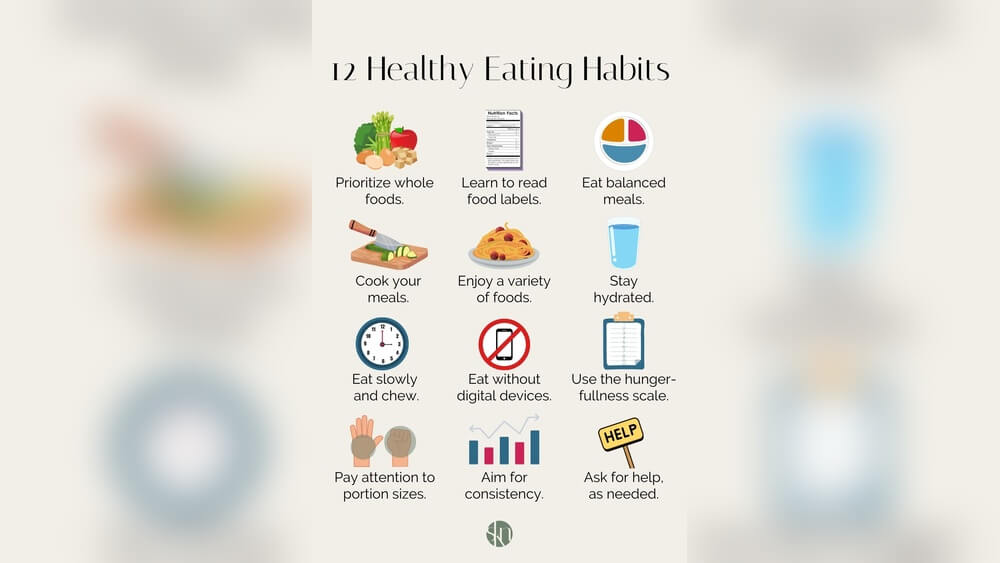
Are you ready to transform the way you eat and feel every day? Good eating habits aren’t just about what’s on your plate—they shape your energy, mood, and long-term health.
But with so much advice out there, it can be hard to know where to start. This guide breaks down simple, practical habits you can easily add to your routine. From choosing the right foods to managing portions and staying hydrated, you’ll discover how small changes make a big difference.
Keep reading to unlock the secrets to eating well and living better—you deserve it!
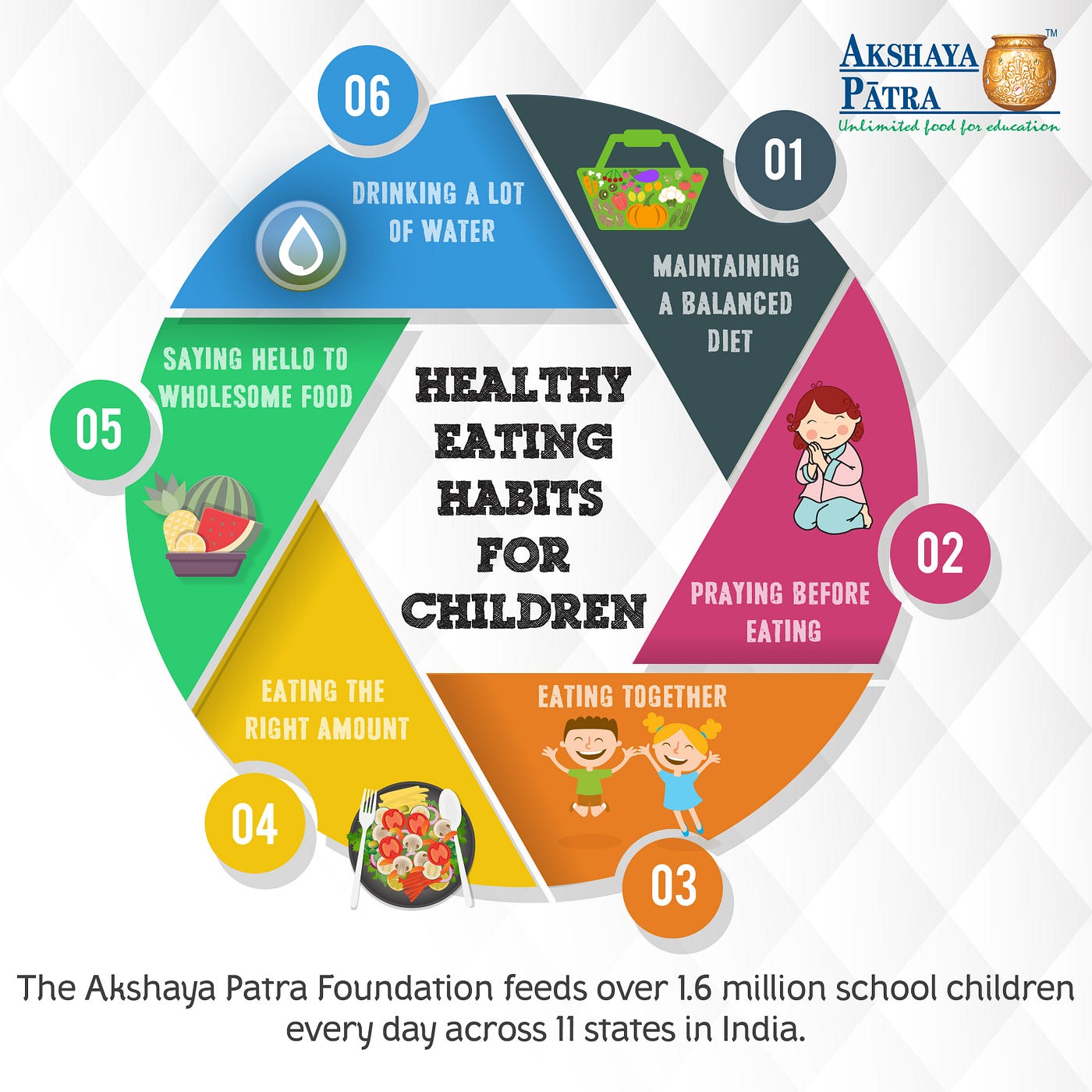
Credit: akshayapatra.medium.com
Eat More Fruits And Vegetables
Eating more fruits and vegetables is a simple way to improve your health. These foods provide vitamins, minerals, and fiber. They help your body work better and protect against many diseases. Adding more fruits and vegetables to every meal can change how you feel and look.
Fill Half Your Plate
Try to fill half of your plate with fruits and vegetables at each meal. This habit ensures you get enough nutrients and fiber daily. It also helps control portion sizes of other foods. Eating this way supports a healthy weight and keeps your digestion smooth.
Benefits Of Colorful Produce
Choose fruits and vegetables of different colors. Each color has unique nutrients and antioxidants. Red foods like tomatoes support heart health. Orange and yellow ones like carrots boost your immune system. Green veggies like spinach improve bone strength. Purple and blue fruits protect your brain. Eating a variety of colors gives your body broad nutrition.
Stay Hydrated
Staying hydrated is a key part of good eating habits. Water supports every function in the body. It helps digestion, keeps skin healthy, and boosts energy. Drinking enough fluids prevents dehydration and keeps you alert. Many people do not drink enough water daily. This section explains simple ways to stay hydrated and healthy.
Drink Plenty Of Water
Water is the best drink for your body. Aim to drink at least eight glasses a day. Carry a water bottle to remind yourself to drink often. Drinking water before meals can also help control appetite. Choose water over other drinks to stay refreshed and healthy.
Limit Sugary Drinks
Sugary drinks like soda and juice add extra calories. They can increase the risk of weight gain and diabetes. Try to cut down on these drinks as much as possible. Replace them with water or other low-calorie drinks. Your body will thank you for fewer sugars and chemicals.
Flavor Water Naturally
Plain water can taste boring sometimes. Add slices of lemon, cucumber, or fresh mint for flavor. These natural flavors make water enjoyable and inviting. You can also try berries or a splash of fruit juice. Flavored water helps you drink more without added sugar.
Don’t Skip Breakfast
Skipping breakfast can lead to low energy and poor focus throughout the day. Breakfast fuels your body after hours without food. Eating a good breakfast supports healthy metabolism and weight management. It helps maintain steady blood sugar levels and reduces overeating later.
Boost Energy Levels
Breakfast provides the energy needed to start your day. Foods rich in carbohydrates give quick energy. Protein in breakfast helps keep energy steady for hours. Without breakfast, fatigue and tiredness may occur. Eating breakfast improves concentration and alertness at school or work.
Include Nutrient-rich Foods
Choose foods that offer vitamins and minerals. Whole grains like oats and whole wheat are excellent choices. Add fruits for natural sweetness and important antioxidants. Include protein such as eggs, yogurt, or nuts. Healthy fats from avocado or seeds support brain health. A balanced breakfast keeps you full and nourished.
Cook At Home More Often
Cooking at home more often helps build good eating habits. It lets you decide what goes into your meals. You can prepare fresh, healthy dishes that suit your taste and needs. Home-cooked meals are often cheaper and more nutritious than eating out. This habit supports better health and helps avoid unhealthy ingredients found in many restaurant foods.
Control Ingredients
When you cook at home, you control every ingredient. You can choose fresh vegetables, lean meats, and whole grains. This control helps reduce salt, sugar, and unhealthy fats in your meals. You avoid artificial additives and preservatives common in processed foods. Cooking at home also allows you to adjust recipes for allergies or special diets.
Reduce Processed Foods
Home cooking cuts down on processed food intake. Processed foods often contain high levels of sugar, salt, and unhealthy fats. These ingredients can harm your health over time. By cooking at home, you use whole foods and natural ingredients. This choice supports weight management and lowers the risk of chronic diseases.
Practice Mindful Eating
Practicing mindful eating helps you connect with your food and body. It encourages awareness during meals. This habit can improve digestion and reduce overeating. Mindful eating means paying full attention to the experience of eating. It also means noticing the taste, texture, and smell of your food.
Eat Slowly And Savor Food
Eating slowly allows your brain to catch up with your stomach. This helps you feel full and satisfied with less food. Take small bites and chew thoroughly. Focus on each flavor and texture. Enjoy the colors and aroma of your meal. Avoid distractions like TV or phones during meals. This helps you appreciate your food and improves digestion.
Listen To Hunger Cues
Pay attention to your body’s signals of hunger and fullness. Eat when you feel hungry, not out of boredom or stress. Stop eating when you feel comfortably full, not stuffed. This helps prevent overeating and supports a healthy weight. Mindful eating teaches you to trust your body’s natural signals. Over time, this can improve your relationship with food.
Choose Whole Grains
Choosing whole grains is a simple step toward better eating habits. Whole grains keep more nutrients than refined grains. They contain fiber, vitamins, and minerals that help your body.
Eating whole grains supports digestion and heart health. It also helps control weight by making you feel full longer. These grains are easy to add to meals and snacks.
Opt For Brown Rice, Oats, And Quinoa
Brown rice, oats, and quinoa are great whole grain choices. Brown rice has a nutty flavor and is easy to cook. Oats work well for breakfast and baking. Quinoa is rich in protein and cooks quickly. Each option adds texture and nutrients to your meals.
Sustained Energy Benefits
Whole grains release energy slowly into your body. This steady energy helps you stay active and focused. They prevent quick hunger and energy crashes. Choose whole grains to keep your energy balanced through the day.
Limit Sugar And Salt
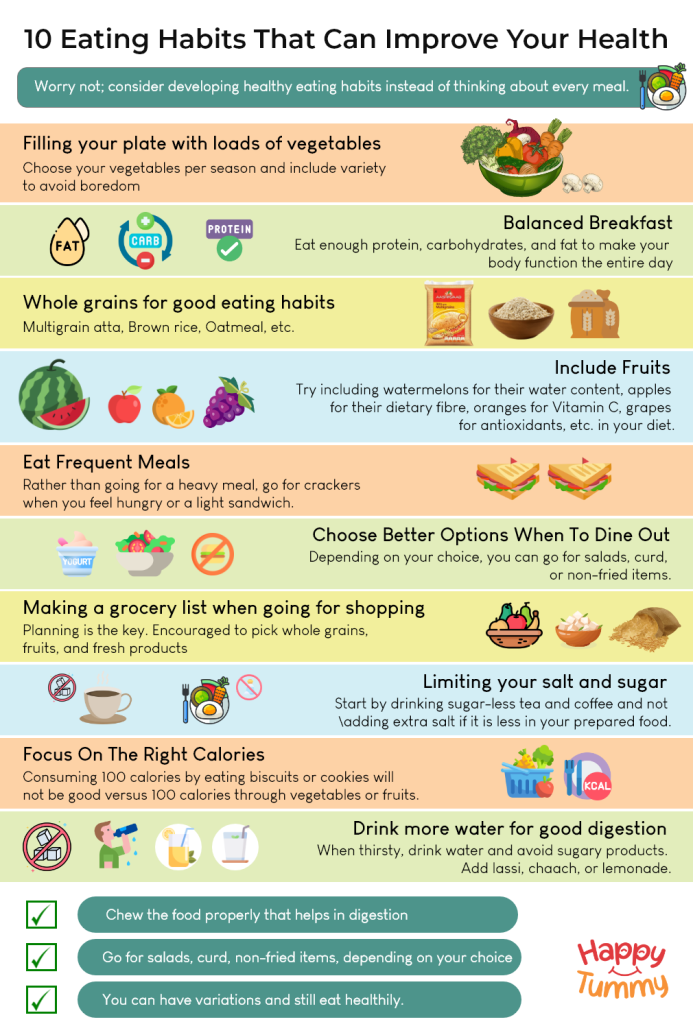
Limiting sugar and salt intake is key to healthy eating habits. Too much sugar and salt can harm the body. They increase the risk of heart disease, high blood pressure, and diabetes. Reducing these helps maintain better health and energy levels. Small changes can make a big difference in your overall diet.
Cut Back On Sugary Drinks And Sweets
Sugary drinks like soda, fruit juices, and energy drinks add many empty calories. They can cause weight gain and increase the risk of diabetes. Instead, drink water, herbal teas, or milk. Limit sweets such as candy, cakes, and cookies. Choose fresh fruit or a small piece of dark chocolate as a treat. Cutting back helps control blood sugar and improves dental health.
Reduce Excessive Salt Intake
Too much salt raises blood pressure and strains the heart. Many processed foods contain high salt levels. Read labels and choose low-sodium options. Use herbs, spices, and lemon juice to add flavor instead of salt. Cooking at home allows better control of salt amounts. Reducing salt helps protect your heart and kidneys over time.
Credit: happytummy.aashirvaad.com
Include Lean Protein And Healthy Fats
Including lean protein and healthy fats in your diet improves overall health. These nutrients support energy, growth, and organ function. They also help keep you full and satisfied after meals. Choosing the right sources of protein and fats matters for good eating habits.
Add Fish, Beans, Nuts, And Seeds
Fish like salmon and trout provide high-quality lean protein and omega-3 fats. Beans offer plant-based protein and fiber. Nuts and seeds supply healthy fats, vitamins, and minerals. Incorporate these foods into meals and snacks for balanced nutrition. They fit well in salads, stir-fries, or as simple snacks.
Benefits For Muscle And Heart Health
Lean protein helps build and repair muscles. It supports strength and physical activity. Healthy fats improve heart health by lowering bad cholesterol. They also reduce inflammation in the body. Eating these nutrients regularly promotes better muscle function and a stronger heart.
Plan Your Meals
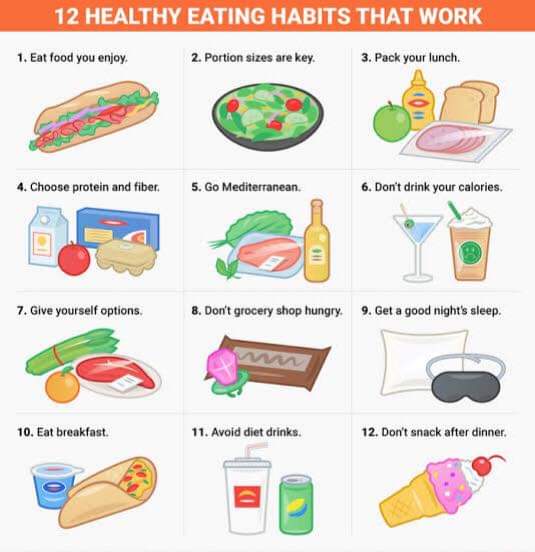
Planning your meals helps you eat healthier and save time. It reduces stress about what to eat each day. Having a plan means you can choose balanced meals with good nutrition. This habit supports better portion control and cuts down on food waste.
Weekly Meal Preparation
Set aside time each week to prepare your meals in advance. Cook large batches of healthy foods and store them in containers. This makes it easy to grab a nutritious meal quickly. Preparing meals early helps avoid last-minute unhealthy options. Include a variety of vegetables, proteins, and whole grains. Keep snacks ready like chopped fruits or nuts to stay full between meals.
Avoid Impulse Unhealthy Choices
Planning meals stops you from picking quick, unhealthy foods. When you know what to eat, you won’t feel hungry and rushed. This lowers the chance of eating junk food or sugary snacks. Keep your kitchen stocked with healthy ingredients. Avoid buying processed snacks that tempt you. Having a plan keeps your eating habits on track and supports your health goals.
Credit: www.calmsage.com
Vary Your Diet
Varying your diet helps your body get all the nutrients it needs. Eating different foods keeps meals interesting and balanced. It also supports gut health and boosts your immune system. Try to include a mix of foods from various groups every day.
Incorporate Fermented Foods
Fermented foods contain good bacteria that aid digestion. Examples include yogurt, kimchi, sauerkraut, and kefir. These foods improve gut health and may strengthen your immune system. Add a small portion of fermented foods to your meals regularly. They can enhance flavor and add beneficial probiotics to your diet.
Expand Plant-based Protein Options
Plant proteins offer essential nutrients and fiber. Include beans, lentils, chickpeas, tofu, and tempeh in your meals. These options support muscle health and provide energy. Plant-based proteins also help reduce saturated fat intake. Try different recipes to enjoy a variety of tastes and textures.
Balance And Portion Control
Balance and portion control are key to good eating habits. They help maintain health and keep energy levels steady. Eating the right amount of food prevents feeling tired or sluggish. Portion control stops overeating, which can lead to weight gain and other health issues.
Balance means including different food types in the right amounts. This ensures the body gets all nutrients it needs. Portion control means eating moderate amounts, not too much or too little. Together, they support a healthy lifestyle and better digestion.
Eat Appropriate Calorie Amounts
Calories provide energy for daily activities. Eating the right calorie amount matches your body’s needs. Too many calories cause weight gain. Too few calories make you feel weak and tired. Find a balance that fits your age, size, and activity level. Use smaller plates to help control portions. Focus on nutrient-rich foods like vegetables, lean protein, and whole grains. Avoid empty calories from sugary drinks and snacks.
Maintain Energy Without Overeating
Eating balanced meals keeps energy steady throughout the day. Avoid large meals that make you feel sleepy or heavy. Choose smaller, frequent meals to keep hunger at bay. Listen to your body’s hunger signals and stop when full. Drink water before meals to avoid mistaking thirst for hunger. Include protein and fiber to feel satisfied longer. This prevents overeating and supports a healthy weight.
Frequently Asked Questions
What Are The 10 Good Eating Habits?
Ten good eating habits include eating fruits and vegetables, drinking water, not skipping breakfast, cooking at home, practicing mindful eating, managing portions, limiting sugar and salt, choosing lean proteins and healthy fats, planning meals, and varying your diet.
What Are The 7 Healthy Eating Habits?
The 7 healthy eating habits are: stay hydrated, eat whole foods, limit processed items, reduce sugar and salt, choose healthy fats, practice mindful eating, and control portion sizes.
What Are Proper Eating Habits?
Proper eating habits include eating whole foods, staying hydrated, managing portions, limiting sugar and salt, and practicing mindful eating. Prioritize fruits, vegetables, lean proteins, and healthy fats. Avoid processed foods and plan meals to maintain balanced energy and support overall health.
What Is The Most Healthy Eating Habit?
The most healthy eating habit is prioritizing whole foods like fruits, vegetables, and whole grains. Stay hydrated, eat mindfully, control portions, and limit added sugars, salt, and unhealthy fats. Include lean proteins and healthy fats. Plan meals and vary your diet for balanced nutrition.
Conclusion
Good eating habits build a strong foundation for health. Choose whole foods like fruits and vegetables daily. Drink water often to stay hydrated and energized. Start your day with a healthy breakfast to fuel your body. Cooking at home helps control ingredients and avoid processed foods.
Eat slowly and listen to your hunger signals. Watch portion sizes and reduce sugar and salt intake. Include lean proteins and healthy fats for balanced nutrition. Plan meals ahead to make better food choices. Vary your diet to enjoy different nutrients and flavors.
Small steps lead to lasting, positive changes in eating habits.

“As the voice behind Radiant Glow Health, we are dedicated to being your ultimate wellness and vitality companion. Our mission is to inspire and guide you on your journey to a healthier and more vibrant life. Join us as we explore holistic health practices and empower you to radiate wellness from within.”