“What are the Health Benefits of Eating Nutritional Yeast?”
Are you looking for a simple way to boost your health while adding delicious flavor to your meals? Nutritional yeast might be exactly what you need.
This tiny, flaky ingredient not only enhances your dishes with a cheesy, nutty taste but also offers a surprising range of health benefits. From supporting your immune system to providing essential vitamins and minerals, nutritional yeast can be a powerful addition to your daily diet.
But before you start sprinkling it on everything, it’s important to know how to enjoy it safely and effectively. Keep reading to discover how nutritional yeast can improve your well-being and how to make the most of its benefits without any drawbacks.
Nutritional Profile
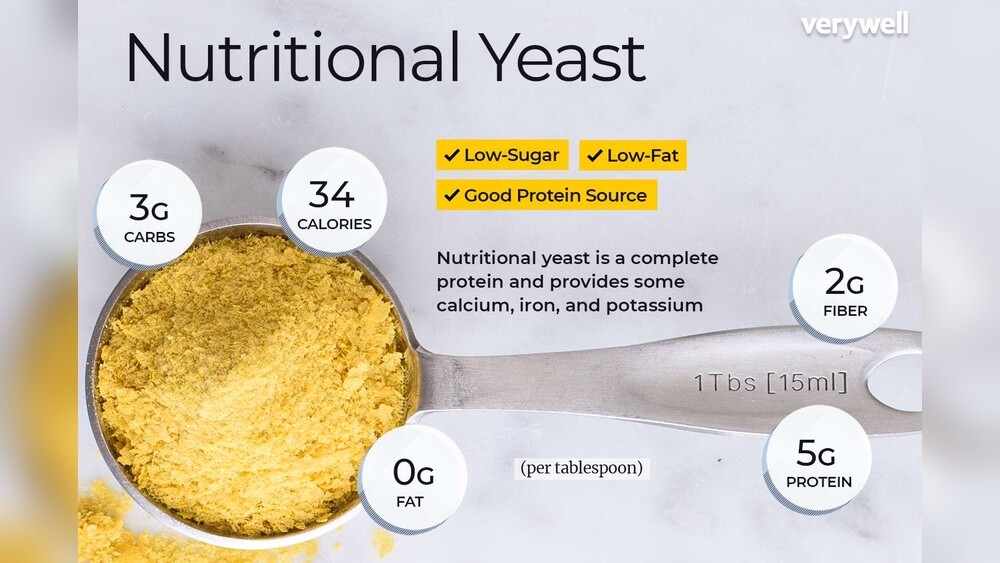
Nutritional yeast is a popular ingredient for health-conscious people. It is a deactivated yeast that offers many nutrients without many calories. Its unique nutritional profile makes it a powerful addition to many diets. This section breaks down what makes nutritional yeast so valuable.
Vitamins And Minerals
Nutritional yeast is rich in B vitamins like B1, B2, B3, and B6. Many brands add vitamin B12, which is important for vegans. It also contains minerals like zinc, selenium, and magnesium. These nutrients support energy, skin health, and immune function. The presence of folate helps with cell growth and repair.
Protein And Fiber Content
This yeast provides a good amount of protein. It has all nine essential amino acids. This makes it a complete protein source for plant-based diets. Fiber in nutritional yeast aids digestion and helps control blood sugar. The fiber also promotes feelings of fullness, which can help with weight management.
Antioxidants And Trace Elements
Antioxidants in nutritional yeast protect cells from damage. It contains glutathione and selenium, which support the immune system. Trace elements like chromium help regulate blood sugar. These compounds contribute to overall health and may reduce inflammation.
Credit: www.healthline.com
Immune System Support
Nutritional yeast offers notable support for the immune system. It contains key nutrients that help the body defend against infections. Regular consumption can strengthen natural defenses and improve overall health.
Role Of Zinc
Zinc is a vital mineral found in nutritional yeast. It helps activate immune cells and supports their function. Adequate zinc intake reduces the risk of infections. Nutritional yeast provides a plant-based source of zinc, ideal for vegetarians and vegans.
Zinc also aids in wound healing and inflammation control. It plays a role in maintaining skin integrity, a first barrier against pathogens. Including nutritional yeast in meals can boost daily zinc levels effectively.
Benefits Of Antioxidants
Antioxidants in nutritional yeast protect immune cells from damage. They neutralize harmful free radicals in the body. This protection helps maintain strong immune responses.
Key antioxidants like glutathione and selenium support cell repair and reduce oxidative stress. These effects lower inflammation and enhance immune resilience. Eating nutritional yeast regularly adds these antioxidants to your diet.
Energy Boosting Effects
Nutritional yeast offers natural energy support for daily activities. It contains essential nutrients that help your body produce energy efficiently. Including nutritional yeast in your diet can enhance your vitality and reduce fatigue. This makes it a smart choice for people needing an energy boost.
B Vitamins And Metabolism
Nutritional yeast is rich in B vitamins, which play a key role in energy metabolism. These vitamins help convert food into fuel your body can use. Vitamin B1 (thiamine), B2 (riboflavin), and B6 support healthy enzyme function. This process helps break down carbohydrates, fats, and proteins for energy.
Regular intake of B vitamins supports the nervous system and brain function. It helps maintain mental clarity and physical stamina. Nutritional yeast is an easy way to add these vital nutrients to meals.
Niacin’s Contribution
Niacin, or vitamin B3, is abundant in nutritional yeast. It aids in converting food into energy at the cellular level. Niacin supports enzymes that help release energy from carbohydrates and fats. This action boosts your overall energy levels.
Niacin also helps improve blood circulation. Better circulation means oxygen and nutrients reach your muscles faster. This effect can reduce tiredness and improve exercise performance. Including nutritional yeast in your diet supports sustained energy throughout the day.
Credit: draxe.com
Flavor Enhancer In Cooking
Nutritional yeast is a popular ingredient among health-conscious cooks. It acts as a natural flavor enhancer. This ingredient adds depth to many dishes without extra salt or fat. It gives food a richer taste and a satisfying aroma. Chefs and home cooks alike use it to boost flavors easily.
Cheesy And Nutty Notes
Nutritional yeast has a unique taste. It offers cheesy and nutty notes that brighten any dish. This flavor works well in vegan and vegetarian recipes. It replaces cheese without dairy or lactose. Sprinkle it on popcorn or pasta for an instant flavor lift. The nutty undertones also complement soups and sauces well. These notes make meals more enjoyable and tasty.
Versatile Culinary Uses
This ingredient fits many cooking styles. It blends smoothly into sauces, dressings, and dips. You can use it as a seasoning or a thickener. Add it to scrambled eggs or roasted vegetables for extra flavor. It also works in baked goods for a savory twist. Nutritional yeast suits a wide range of cuisines. Its versatility helps keep meals interesting and flavorful.
Potential Side Effects
Nutritional yeast offers many health benefits, but some people may experience side effects. Understanding these potential effects helps you enjoy it safely. Most side effects occur when consumed in large amounts or by sensitive individuals.
Digestive Discomfort
Nutritional yeast contains fiber that can cause gas and bloating. Eating too much too fast may lead to stomach cramps. Start with small amounts to allow your body to adjust. Drinking plenty of water can also ease digestion.
Excess Vitamin Intake
Some nutritional yeast products are fortified with vitamins like niacin and B12. Consuming large amounts may cause flushing, dizziness, or headaches. Check labels to avoid exceeding recommended daily limits. Balanced intake prevents these unwanted effects.
Allergic And Sensitivity Reactions
Rarely, people may have allergic reactions to nutritional yeast. Symptoms include itching, rash, or swelling. Those with yeast allergies or sensitivities should avoid it. People on MAOI medications should also be cautious due to tyramine content.
Interactions With Medications And Conditions
Nutritional yeast offers many health benefits but can interact with certain medications and health conditions. Understanding these interactions helps you use it safely and enjoy its advantages. Some compounds in nutritional yeast affect how your body reacts to medicines or existing illnesses.
Maoi Antidepressants
Nutritional yeast contains tyramine, a natural compound. Tyramine can interfere with MAOI antidepressants. This may cause dangerous increases in blood pressure. People on MAOI drugs should avoid nutritional yeast to prevent risks.
Gout And Purine Content
Nutritional yeast has purines, which break down into uric acid. High uric acid levels can trigger gout attacks. Those with gout should limit or avoid nutritional yeast. This helps reduce flare-ups and joint pain.
Inflammatory Bowel Disease Considerations
People with inflammatory bowel diseases (IBD) like Crohn’s may react to nutritional yeast. It can irritate the digestive tract and worsen symptoms. Start with small amounts and watch for discomfort. Consult a doctor before adding it to your diet.
Migraine Triggers
Tyramine in nutritional yeast may trigger migraines in sensitive individuals. If you experience headaches after eating it, avoid nutritional yeast. Keeping a food diary can help identify triggers and prevent migraines.
Safe Usage Tips
Using nutritional yeast safely helps you enjoy its benefits without discomfort. Some people may experience digestive issues or reactions if they start with large amounts. Following safe usage tips makes the transition easier and more pleasant. Here are some simple ways to use nutritional yeast properly.
Starting With Small Amounts
Begin with just a teaspoon or tablespoon per day. This helps your body adjust to the fiber and nutrients. Eating too much at once can cause gas or bloating. Slowly increase the amount over several days. This gradual approach reduces the risk of digestive discomfort.
Incorporating Into Meals
Sprinkle nutritional yeast on cooked food rather than eating it plain. It blends well with soups, salads, and pasta dishes. Mixing it into meals improves digestion and avoids a sticky texture. Using it as a seasoning adds flavor without overwhelming your taste buds.
Reading Labels Carefully
Check the nutrition facts on the package before buying. Some brands add extra vitamins, like niacin, which can cause flushing or dizziness if consumed in excess. Avoid products with added ingredients you do not recognize. Also, avoid nutritional yeast if you take MAOI antidepressants or have gout.
Who Should Avoid Nutritional Yeast
Nutritional yeast offers many health benefits but is not suitable for everyone. Some people should avoid it to prevent unwanted reactions or health issues. Knowing who should steer clear helps protect your well-being.
Yeast Sensitivities
People with yeast allergies or sensitivities should avoid nutritional yeast. It may cause itching, swelling, or digestive upset. Sensitivities can lead to headaches or skin rashes after consumption.
Specific Health Conditions
Those with gout should skip nutritional yeast because it contains purines. Purines can raise uric acid levels, worsening gout symptoms. Individuals with inflammatory bowel diseases like Crohn’s or ulcerative colitis may also react poorly. Nutritional yeast may trigger inflammation or digestive discomfort in these cases.
Medication Restrictions
People taking MAOI antidepressants should avoid nutritional yeast. It contains tyramine, which can dangerously interact with these drugs. This interaction may cause high blood pressure or headaches. Always check with a healthcare provider before adding nutritional yeast if on medication.
Choosing The Right Product
Choosing the right nutritional yeast product ensures you get the best health benefits. Different types of nutritional yeast offer various nutrient profiles and qualities. Understanding these differences helps you pick an option that fits your diet and health needs.
Fortified Vs. Unfortified
Fortified nutritional yeast has added vitamins, like B12, which is good for vegans. Unfortified yeast contains only natural nutrients from the yeast itself. Check the label to know if the product is fortified. Fortified yeast can help prevent vitamin deficiencies but may have higher niacin levels. Unfortified yeast suits those who prefer a more natural product.
Checking Niacin Levels
Niacin is an important vitamin in nutritional yeast but can cause flushing if too high. Look for products with moderate niacin amounts to avoid side effects like dizziness or redness. Reading the nutrition facts label helps ensure you do not exceed daily niacin limits. Choosing yeast with balanced niacin supports health without discomfort.
Organic And Quality Options
Organic nutritional yeast is grown without synthetic pesticides or chemicals. It is a cleaner choice for those who want fewer additives. High-quality brands test for purity and safety, offering a better taste and nutrient profile. Select organic or well-reviewed products to enjoy nutritional yeast safely and effectively.

Credit: www.healthline.com
Frequently Asked Questions
Is Nutritional Yeast Ok To Eat Every Day?
Nutritional yeast is safe to eat daily in moderate amounts. Start with small portions to avoid digestive issues. Avoid if you have gout, IBD, or take MAOI medications. Check labels for high niacin levels to prevent side effects like flushing or dizziness.
Is There Any Downside To Nutritional Yeast?
Nutritional yeast can cause gas or bloating if added too quickly. It may trigger migraines, interact with MAOI medications, or worsen IBD symptoms. Some fortified versions have high niacin, causing flushing. People sensitive to yeast or with gout should avoid it.
Why Is Nutritional Yeast So Good For You?
Nutritional yeast boosts immunity with zinc and antioxidants. It provides B vitamins, protein, and fiber. It adds a cheesy flavor while supporting digestion and energy.
Is Nutritional Yeast Good For Pregnancy?
Nutritional yeast provides B vitamins and protein, supporting pregnancy nutrition. Avoid high amounts and fortified versions with excess niacin. Consult your healthcare provider before adding it to your pregnancy diet.
Conclusion
Nutritional yeast offers many health benefits worth considering. It supports the immune system with key nutrients. The cheesy flavor enhances meals naturally. Eating it in small amounts helps avoid discomfort. People with certain conditions should consult a doctor first. Enjoy it as part of a balanced diet.
This simple addition may boost your nutrition daily. Try it today and see how you feel.

“As the voice behind Radiant Glow Health, we are dedicated to being your ultimate wellness and vitality companion. Our mission is to inspire and guide you on your journey to a healthier and more vibrant life. Join us as we explore holistic health practices and empower you to radiate wellness from within.”