
“What are the Health Benefits of Nutritional Yeast?”
Are you looking to boost your health with something simple, tasty, and packed with nutrients? Nutritional yeast might just be the secret ingredient you’ve been missing.
This savory, cheesy-flavored powder isn’t just a favorite among vegans—it offers a range of health benefits that can support your immune system, improve digestion, and even enhance your meals with rich, nutty flavor. But before you start sprinkling it on everything, it’s important to know how to use it safely and what to watch out for.
Keep reading to discover how nutritional yeast can work for your body, how to enjoy it without side effects, and why it might become your new kitchen staple. Your journey to better health starts here!

Credit: www.urbangreensmarket.com
Nutritional Profile
Nutritional yeast is a popular ingredient in many diets. It offers a strong nutritional profile that supports overall health. This natural product is rich in essential nutrients. It provides important vitamins, minerals, protein, fiber, and antioxidants. Understanding its nutritional content helps explain its health benefits.
Vitamins And Minerals
Nutritional yeast is an excellent source of B vitamins. It contains B1, B2, B3, and B6, which help convert food into energy. Many brands are fortified with vitamin B12, important for nerve function and blood health. It also provides minerals like zinc, selenium, and iron. These nutrients support immune function and protect cells from damage.
Protein And Fiber Content
This yeast is a complete protein, offering all nine essential amino acids. One serving can provide about 8 grams of protein. Protein helps build muscles and repair tissues. Nutritional yeast also contains fiber, which aids digestion and promotes gut health. Fiber slows sugar absorption, helping to maintain steady energy levels.
Antioxidants And Trace Elements
Rich in antioxidants, nutritional yeast helps fight free radicals. It contains glutathione and selenium, which protect cells from oxidative stress. These antioxidants may reduce inflammation and support healthy aging. Trace elements like chromium help regulate blood sugar. Together, these compounds contribute to better overall health.
Immune System Support
Nutritional yeast offers strong support to the immune system. It contains key nutrients that help the body defend against infections. Regular intake may improve the body’s ability to fight illnesses naturally. Below are the main ways nutritional yeast aids immune health.
Role Of Zinc
Zinc is a vital mineral found in nutritional yeast. It helps activate immune cells that fight germs and viruses. Zinc supports wound healing and reduces inflammation. A good zinc level improves resistance to infections like colds and flu. Nutritional yeast is a plant-based source of this important mineral, making it ideal for vegetarians and vegans.
Antioxidant Benefits
Nutritional yeast contains antioxidants that protect cells from damage. These antioxidants neutralize harmful molecules called free radicals. Protecting cells helps maintain a strong immune system. Antioxidants also reduce chronic inflammation, which can weaken immunity over time. Regular consumption of nutritional yeast may help keep the immune system balanced and healthy.
Energy Boosting Effects
Nutritional yeast is more than a tasty topping. It offers natural energy support that helps you feel active. Many people add it to meals to get a steady energy lift without caffeine. The secret lies in its rich nutrients that play key roles in energy production inside the body.
B Vitamins And Metabolism
Nutritional yeast is packed with B vitamins, essential for turning food into energy. These vitamins help break down carbohydrates, fats, and proteins. This process fuels your cells and keeps your metabolism running smoothly. A faster metabolism means your body uses energy more efficiently. B vitamins also support brain function, which helps reduce fatigue and improve focus.
Niacin’s Impact On Energy
Niacin, also called vitamin B3, is abundant in nutritional yeast. It helps convert nutrients into usable energy at the cellular level. Niacin supports healthy skin, nerves, and digestion, all vital for maintaining energy. Low niacin levels can cause tiredness and weakness. Including nutritional yeast in your diet can prevent niacin deficiency and boost your daily energy naturally.
Credit: draxe.com
Culinary Uses And Flavor
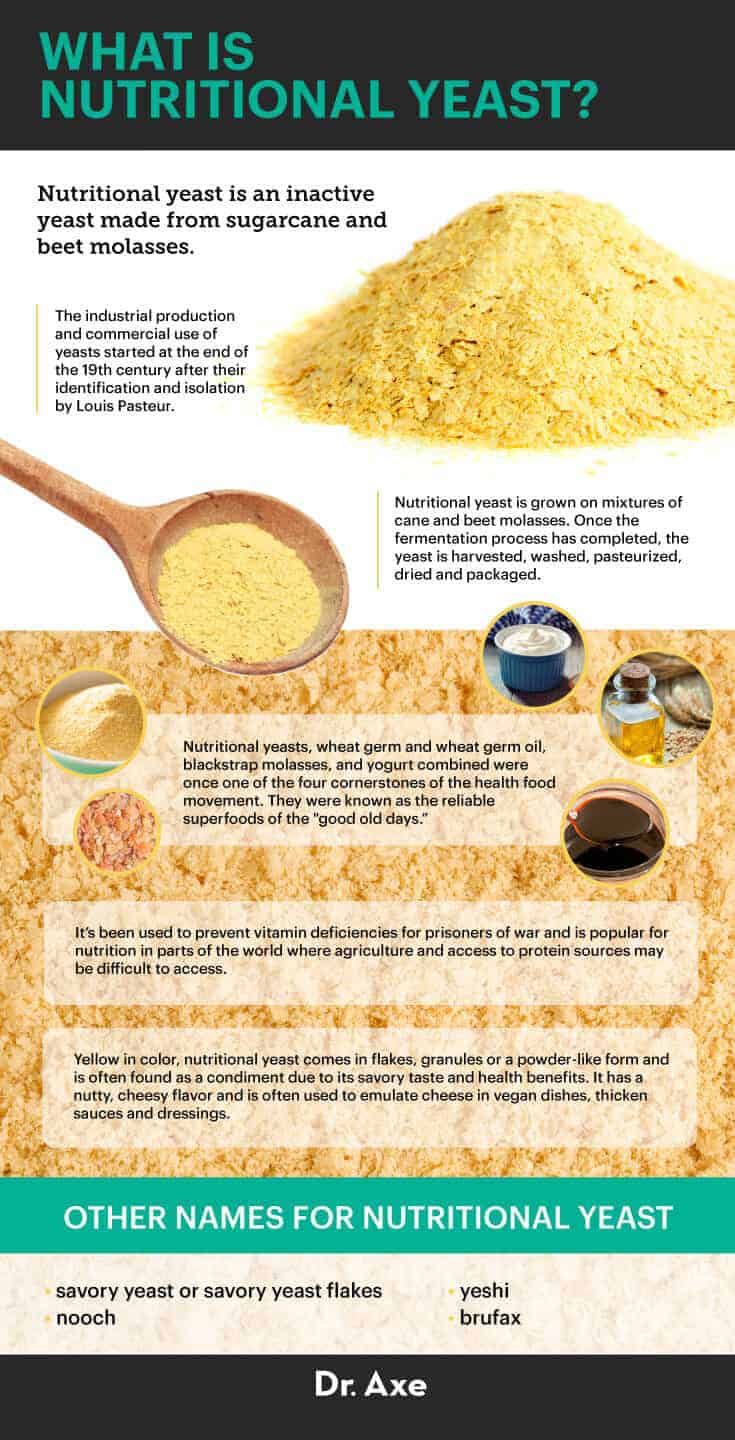
Nutritional yeast shines in the kitchen with its unique flavor and versatility. It offers a pleasant taste that enhances many dishes. Its culinary uses extend beyond just seasoning. This ingredient works well as a vegan alternative to cheese and adds depth to various recipes.
Cheesy And Nutty Notes
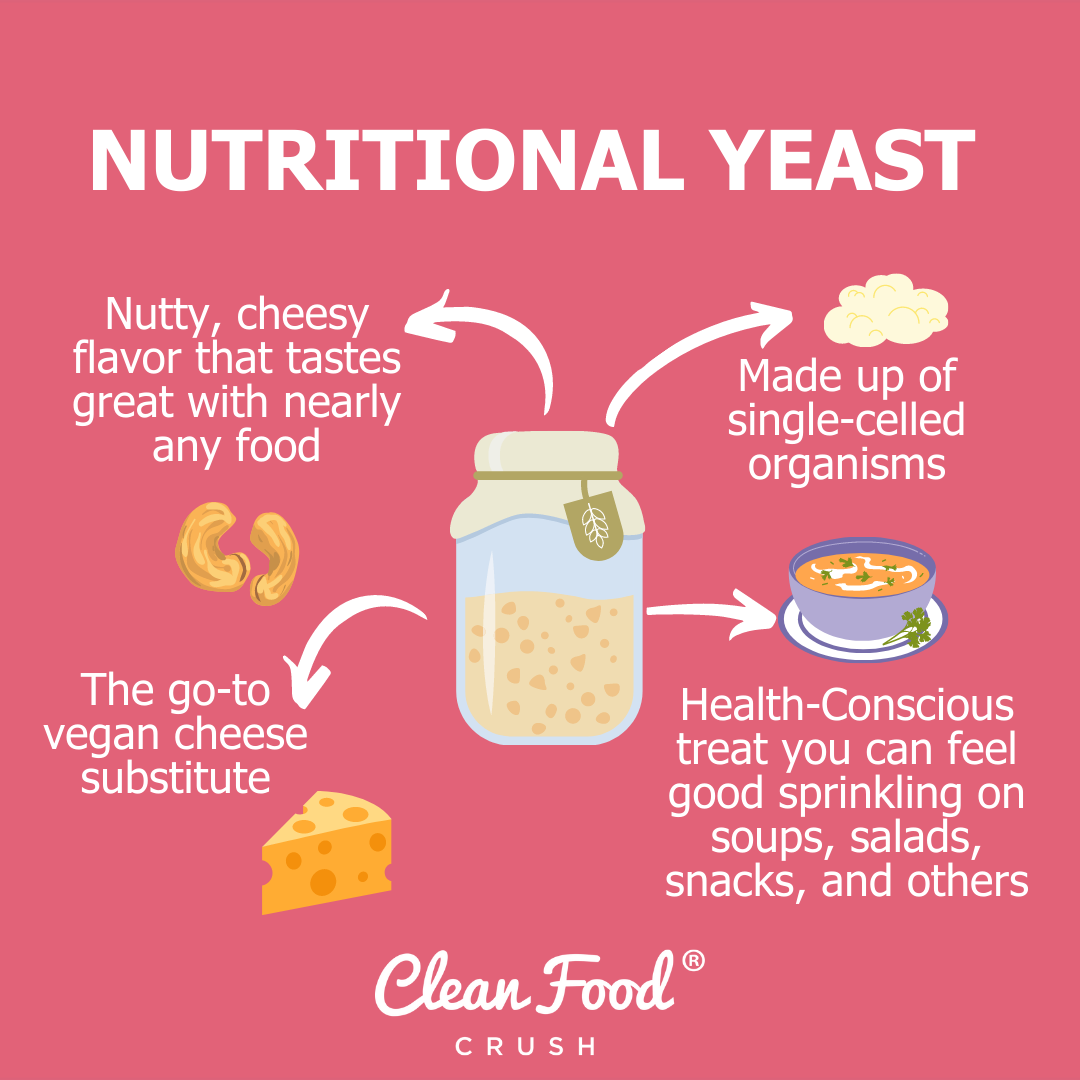
Nutritional yeast has a rich, cheesy flavor that is mild and nutty. This taste makes it a popular choice for vegan cooking. It can mimic the flavor of parmesan or cheddar without dairy. The nutty undertones add warmth and complexity to meals. It also has a slightly savory, umami quality that boosts flavor. This makes dishes more satisfying and flavorful without extra salt or fat.
Incorporating Into Meals
Sprinkle nutritional yeast on popcorn or roasted vegetables for a quick flavor boost. Mix it into sauces, soups, and dressings to add creaminess and depth. It works well in pasta dishes, mashed potatoes, and casseroles. You can blend it into smoothies or use it as a seasoning for tofu and beans. Nutritional yeast is easy to add to meals for extra taste and nutrition. Its fine texture allows it to dissolve or blend smoothly into many recipes.
Potential Side Effects
Nutritional yeast offers many health benefits but may cause side effects in some people. Knowing these helps you use it safely and avoid discomfort. Most side effects occur with large amounts or specific health conditions.
Digestive Discomfort
Eating too much nutritional yeast can cause gas, bloating, or cramps. It contains fiber that some people find hard to digest. Start with small amounts to help your body adjust. Drinking water and spreading out intake may reduce discomfort.
Niacin Overconsumption
Fortified nutritional yeast has added niacin (vitamin B3). Too much niacin can cause flushing, dizziness, or headaches. Check the product label to avoid going over the recommended daily limit. People sensitive to niacin should be extra careful with servings.
Tyramine Sensitivity
Nutritional yeast contains tyramine, a natural compound. Tyramine can trigger headaches or migraines in some people. It may also interact with certain antidepressant medicines called MAOIs. Consult your doctor if you take these medicines or have a history of migraines.
Health Considerations
Nutritional yeast offers many health benefits. Yet, some health considerations matter. Understanding these helps you use it safely. Awareness of possible risks supports better choices.
Conditions To Avoid
People with gout should avoid nutritional yeast. It contains purines that may worsen symptoms. Those with inflammatory bowel disease, like Crohn’s, may also face issues. Large amounts can cause gas, bloating, or cramps due to fiber. Start with small amounts to see how your body reacts.
Medication Interactions
Nutritional yeast contains tyramine, which can interact with MAOI antidepressants. This may cause dangerous side effects. If you take these medicines, avoid nutritional yeast. Always check with your doctor before adding it to your diet. This step prevents unwanted health risks.
Safe Usage Tips
Using nutritional yeast safely ensures you enjoy its benefits without discomfort. Some people may experience side effects if they consume too much or have certain health conditions. Following safe usage tips helps your body adjust and prevents unwanted reactions.
Starting With Small Amounts
Begin with a small amount, such as one teaspoon. This allows your body to get used to the fiber and nutrients. Gradually increase the amount if you feel no discomfort. Eating too much at once may cause gas or bloating.
Moderation And Label Checking
Use nutritional yeast in moderation to avoid excess vitamins like niacin. Some brands add extra nutrients that can cause flushing or dizziness. Always read the label for added ingredients and nutrient levels. Do not exceed the recommended daily intake.
Consulting Healthcare Providers
Talk to your doctor before using nutritional yeast if you have health issues. People with gout or inflammatory bowel disease should be cautious. Also, avoid it if you take MAOI antidepressants due to tyramine content. Your healthcare provider can guide safe use based on your health.
Credit: cleanfoodcrush.com
Frequently Asked Questions
Is Nutritional Yeast Ok To Eat Every Day?
Nutritional yeast is safe to eat daily in moderate amounts. Start with small portions to avoid digestive issues. Avoid if you have gout, IBD, yeast sensitivity, or take MAOI medications. Check labels for added niacin to prevent excess intake.
What Is The Downside Of Nutritional Yeast?
Nutritional yeast can cause gas, bloating, or cramps if added too quickly. It may trigger migraines or interact with MAOI medications. High niacin levels can cause flushing. People with inflammatory bowel disease or yeast sensitivities should avoid it.
Why Is Nutritional Yeast So Good For You?
Nutritional yeast boosts immunity with zinc and antioxidants. It provides protein, fiber, B vitamins, and a cheesy flavor. It supports energy and digestion while being low in fat and calories.
Should You Keep Nutritional Yeast In The Fridge?
Store nutritional yeast in a cool, dry place. Refrigeration is optional but extends freshness and prevents clumping.
Conclusion
Nutritional yeast offers many health benefits worth trying. It supports the immune system with zinc and antioxidants. The cheesy flavor enhances meals without extra calories. Start with small amounts to avoid digestive discomfort. Watch for added vitamins that may cause side effects.
Avoid if you have gout, IBD, or take certain medications. Overall, it is a safe, nutritious option for most people. Adding nutritional yeast can boost your diet simply and naturally. Give it a chance and see how your body responds.

“As the voice behind Radiant Glow Health, we are dedicated to being your ultimate wellness and vitality companion. Our mission is to inspire and guide you on your journey to a healthier and more vibrant life. Join us as we explore holistic health practices and empower you to radiate wellness from within.”