Are you a student struggling to keep your energy up and your mind sharp throughout the day? What you eat plays a huge role in how well you focus, remember information, and feel overall.
Developing good eating habits isn’t just about staying healthy—it’s about giving your brain and body the fuel they need to succeed in your studies and daily life. Imagine having more energy, better concentration, and feeling great all day long. You’ll discover simple, practical eating habits that fit your busy student lifestyle and help you perform your best.
Ready to unlock your full potential with smart food choices? Let’s dive in!
Credit: akshayapatra.medium.com
Balanced Meals
Balanced meals help students stay energized and focused throughout the day. They supply essential nutrients for the brain and body. Eating a variety of foods creates a strong foundation for good health. Simple, balanced meals can improve memory and concentration. Students perform better in school with the right nutrition.
Fruits And Vegetables
Fruits and vegetables provide vitamins, minerals, and fiber. They protect the body from illness and keep energy steady. Fill half your plate with colorful fruits and veggies. Fresh, frozen, or canned options all work well. Snack on carrots, apples, or berries to boost nutrition.
Lean Proteins
Lean proteins support muscle growth and repair. Examples include chicken, fish, beans, and tofu. Choose grilled, baked, or steamed methods for cooking. Protein helps students feel full longer and improves brain function. Include a portion of lean protein in every meal.
Whole Grains
Whole grains contain fiber and important nutrients. Brown rice, oats, and whole wheat bread are good choices. They provide slow-release energy for studying and activities. Swap white bread and pasta for whole grain versions. Whole grains aid digestion and keep blood sugar stable.
Healthy Fats
Healthy fats are vital for brain health and energy. Sources include nuts, seeds, avocados, and olive oil. Avoid fried foods and trans fats. Include small amounts of healthy fats in meals and snacks. They help absorb vitamins and keep skin and hair healthy.
Breakfast Importance
Breakfast plays a vital role in a student’s daily routine. It provides the essential nutrients and energy needed to start the day. Skipping breakfast can lead to low concentration and tiredness during classes. Eating a healthy breakfast improves memory and supports better learning. Students who eat breakfast tend to have better overall nutrition and maintain a healthy weight. It sets a positive tone for making smart food choices throughout the day.
Fuel For Focus
Breakfast fuels the brain and body for schoolwork and activities. It raises blood sugar levels, which is the brain’s main energy source. Without breakfast, students may feel sluggish or distracted. A balanced breakfast with protein, fiber, and healthy fats helps keep energy steady. This steady energy helps with problem-solving and staying alert. Breakfast also supports mood and motivation, making learning easier.
Easy Breakfast Ideas
Quick and simple meals can make breakfast easy for busy students. Options like oatmeal with fruit, yogurt and granola, or whole-grain toast with peanut butter provide good nutrition. Boiled eggs or a smoothie with vegetables and fruit add protein and vitamins. Preparing breakfast the night before saves time in the morning. Drinking water or milk with breakfast helps hydration and digestion. These easy meals keep students full and ready for the day.
Smart Snacking
Smart snacking helps students keep their energy up throughout the day. It prevents hunger that can distract from studying. Choosing the right snacks supports better focus and learning. Snacks should be both tasty and nourishing. Healthy snacks can improve mood and stamina between meals.
Healthy Snack Options
Pick snacks rich in nutrients and low in sugar. Fresh fruits like apples, bananas, and berries provide vitamins and fiber. Nuts and seeds offer healthy fats and protein. Yogurt is a good source of calcium and probiotics. Vegetables with hummus make a crunchy, satisfying snack. Whole-grain crackers with cheese add fiber and protein. These options keep hunger away and fuel the brain.
Avoiding Empty Calories
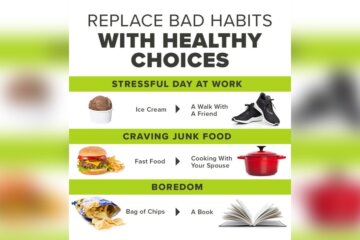
Avoid snacks with little nutritional value. Candy, chips, and soda contain empty calories that cause energy crashes. These snacks add sugar and unhealthy fats without vitamins. They can lead to weight gain and poor concentration. Instead, choose snacks that nourish the body. Drinking water helps avoid sugary drinks. Smart snacking means fueling the body, not filling it with junk.
Hydration Habits
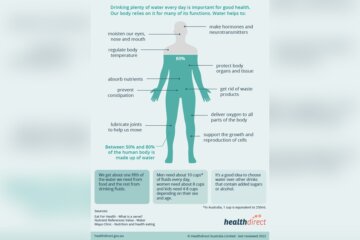
Hydration plays a key role in student health and learning. Drinking enough fluids helps keep the body energized and the mind sharp. Good hydration habits support concentration, memory, and mood. Students should develop simple habits to stay well hydrated throughout the day.
Choosing Water
Water is the best drink choice for students. It contains no calories or sugar. Drinking water helps keep the body cool and flushes out toxins. Students should carry a reusable water bottle to class. Drinking water regularly prevents tiredness and headaches. Plain water or water infused with fruit slices can make hydration enjoyable.
Limiting Sugary Drinks
Sugary drinks like soda and energy drinks add empty calories. These drinks can cause energy crashes and reduce focus. Consuming too much sugar affects dental health and weight. Students should avoid sugary drinks during study time. Choosing water or unsweetened tea helps maintain steady energy levels.
Meal Planning Tips
Meal planning is key for students to eat well every day. It helps avoid unhealthy choices and saves time. Planning meals ahead ensures a balanced diet with all needed nutrients. Students can stay focused and energized through the day.
Good meal plans include variety, balance, and portion control. Cooking methods also matter for healthy eating. Students benefit from being involved in planning and cooking. This builds good habits and food knowledge.
Portion Control
Portion control means eating the right amount of food. Large portions can lead to overeating and weight gain. Using smaller plates helps keep portions in check. Fill half the plate with fruits and vegetables. One quarter should have lean protein. The last quarter can be whole grains or starchy vegetables. Avoid second servings unless truly hungry. Drink water before meals to reduce overeating.
Cooking Methods
Choose healthy cooking methods to keep meals nutritious. Baking, grilling, steaming, and boiling are best. Frying adds extra fat and calories. Use less oil and butter when cooking. Add herbs and spices for flavor instead of salt. Preparing fresh meals is better than processed foods. This keeps vitamins and minerals intact for better health.
Involving Students
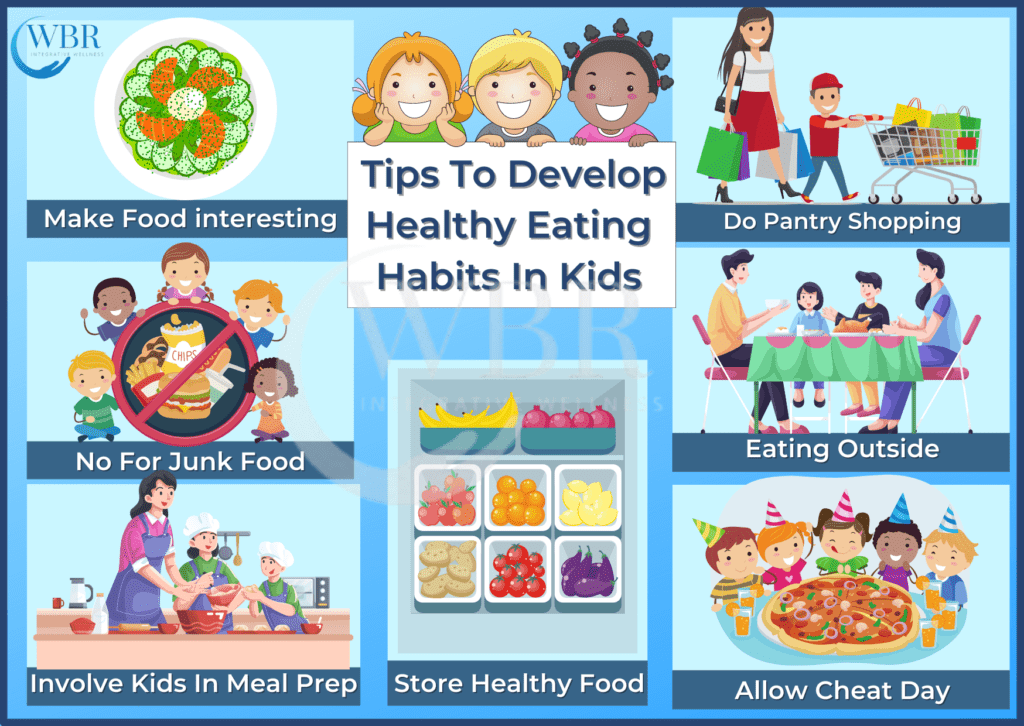
Involving students in meal planning builds good habits early. Let them help choose recipes and grocery lists. Cooking together teaches skills and confidence. Students learn about nutrition and portion sizes. They are more likely to try new foods when involved. It creates positive attitudes toward healthy eating. Encourage simple, fun tasks like washing vegetables or mixing ingredients.
Credit: wellnessbyrosh.com
Mindful Eating
Mindful eating helps students build a healthy relationship with food. It means paying full attention to the eating experience. Students learn to enjoy each bite and notice how food makes them feel. This practice can improve digestion and reduce stress about meals. Mindful eating also supports better food choices and prevents unhealthy habits.
Listening To Hunger
Students should eat when their body signals hunger. Ignoring hunger can cause overeating later. Recognizing true hunger helps avoid eating out of boredom or stress. Eating only when hungry keeps energy levels steady throughout the day. It also helps students maintain a healthy weight and focus better in class.
Avoiding Overeating
Stopping before feeling too full is important. Overeating can cause discomfort and tiredness. Students should eat slowly to notice when they feel satisfied. Using smaller plates helps control portion sizes. Avoiding distractions like phones or TV makes it easier to eat the right amount. These habits support better concentration and overall health.
Reducing Sugar And Salt
Reducing sugar and salt intake is crucial for students to maintain energy and focus throughout the day. Too much sugar causes energy spikes followed by crashes. Excess salt can raise blood pressure and harm long-term health. Cutting back on these ingredients helps students feel better and stay healthier.
Using Herbs And Spices
Herbs and spices add flavor without extra salt or sugar. Try garlic, ginger, basil, or cinnamon to make meals tasty. These natural seasonings improve food without unhealthy additives. Experimenting with different herbs keeps meals interesting and nutritious.
Reading Food Labels
Food labels reveal hidden sugar and salt in packaged items. Check the nutrition facts for sodium and added sugars. Choose products with lower amounts to protect your health. Understanding labels helps students make smarter food choices every day.

Credit: www.youtube.com
Benefits For Students
Good eating habits bring many benefits to students. These habits help students feel better, stay healthy, and do well in school. Eating the right foods supports the body and mind. It gives students the strength and energy they need to learn and grow.
Healthy eating can improve focus and energy. It also supports physical and mental health. These benefits make daily life easier and more enjoyable for students.
Improved Focus And Energy
Eating balanced meals helps students stay alert. Foods rich in protein and whole grains release energy slowly. This steady energy keeps students focused during classes and study time.
Skipping meals or eating sugary snacks causes energy drops. This leads to tiredness and poor concentration. Healthy snacks like nuts or fruit keep energy stable.
Water is important too. Staying hydrated improves brain function and focus. Drinking enough water helps students stay sharp all day.
Physical And Mental Health
Good eating habits strengthen the body. Fruits and vegetables provide vitamins that boost the immune system. This helps students avoid illness and stay active.
Healthy fats from fish and nuts support brain health. These fats improve memory and mood. Students feel happier and less stressed.
A balanced diet reduces the risk of health problems like obesity and diabetes. Healthy students have more energy for sports and social activities.
Frequently Asked Questions
What Are The Good Eating Habits For Students?
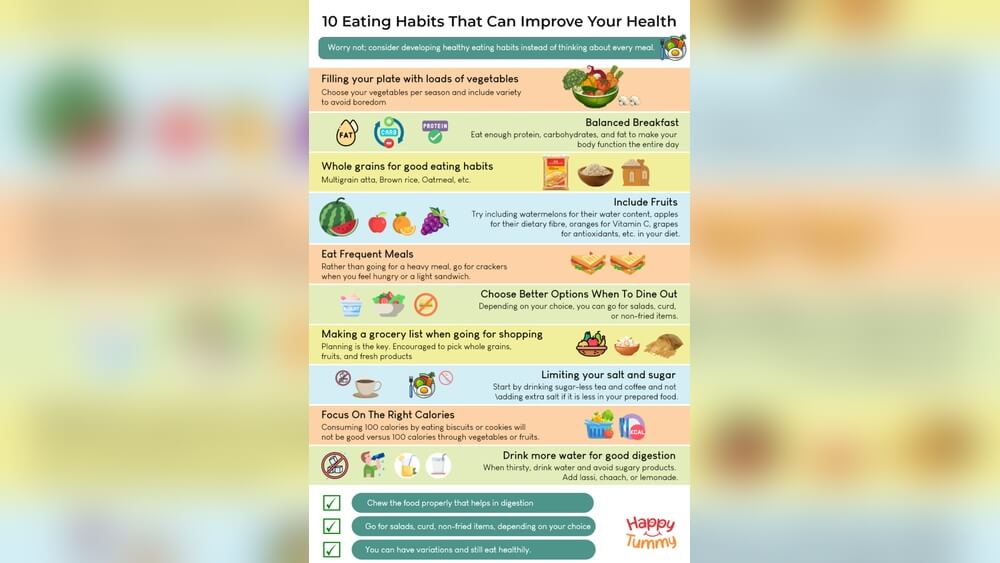
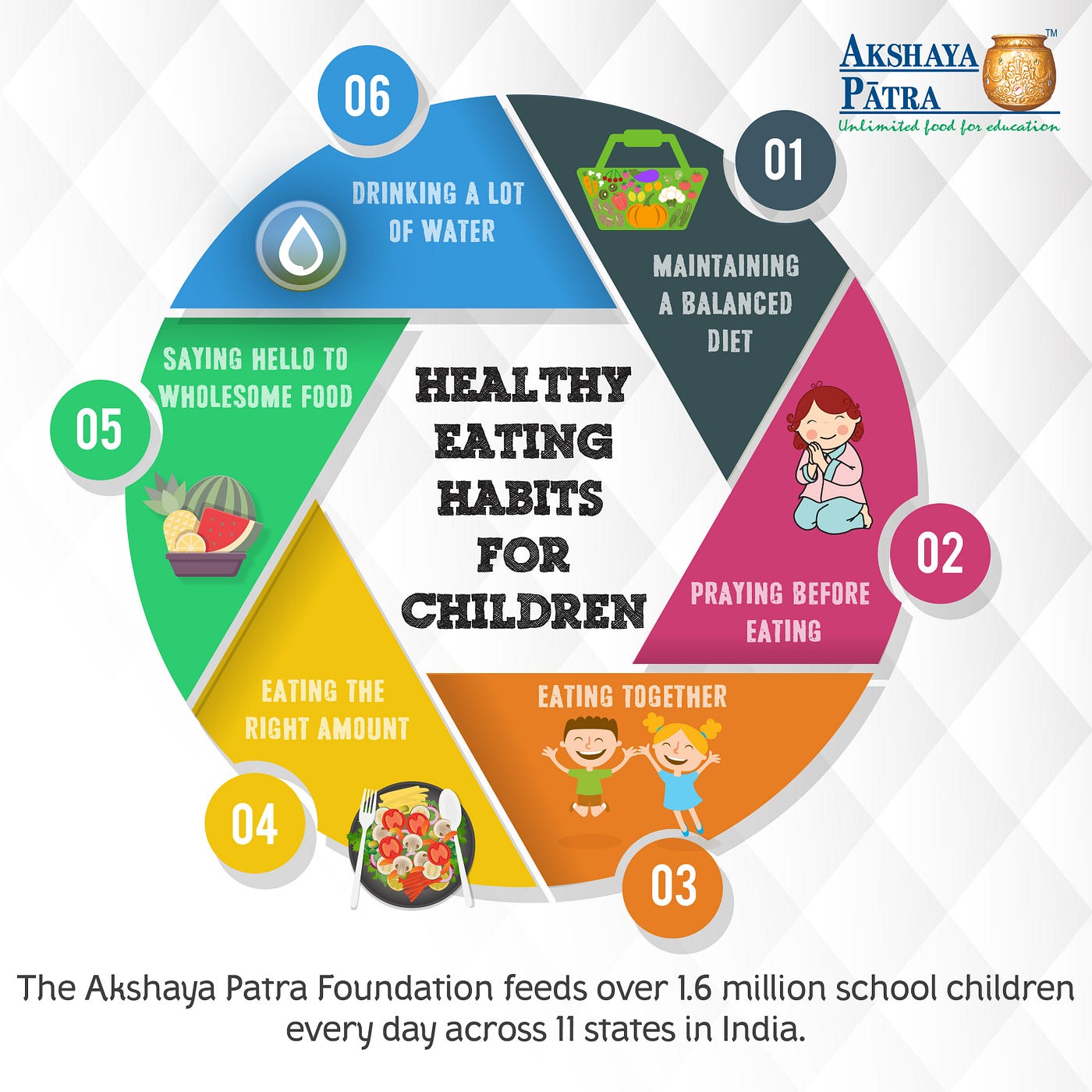
Students should eat balanced meals with fruits, vegetables, lean proteins, and whole grains. Drink plenty of water and avoid sugary drinks. Never skip breakfast. Choose healthy snacks like nuts and yogurt. Limit processed foods, saturated fats, and sugar to boost focus and maintain energy throughout the day.
What Is The 5 2 1 0 Rule For Kids?
The 5-2-1-0 rule for kids promotes healthy habits: 5 servings of fruits/vegetables daily, 2 hours max screen time, 1 hour of physical activity, and 0 sugary drinks.
What Are The 10 Good Habits For Students?
Good habits for students include punctuality, time management, regular reading, staying curious, respecting others, maintaining cleanliness, healthy eating, helping peers, staying organized, and consistent exercise.
What Are 5 Good Food Habits?
Five good food habits include eating fruits and vegetables daily, choosing whole grains, consuming lean proteins, drinking plenty of water, and avoiding sugary drinks and processed foods.
Conclusion
Good eating habits help students stay healthy and focused. Eating fruits, vegetables, and whole grains fuels the body well. Avoiding too much sugar and junk food keeps energy steady. Drinking water often prevents dehydration and tiredness. Never skip breakfast; it kickstarts the day and brain.
Planning meals with balanced portions supports learning and growth. Healthy snacks like nuts or yogurt keep hunger away. Small changes in eating can make a big difference. Students who eat well feel better and do better. Simple habits lead to a healthier, happier student life.

“As the voice behind Radiant Glow Health, we are dedicated to being your ultimate wellness and vitality companion. Our mission is to inspire and guide you on your journey to a healthier and more vibrant life. Join us as we explore holistic health practices and empower you to radiate wellness from within.”