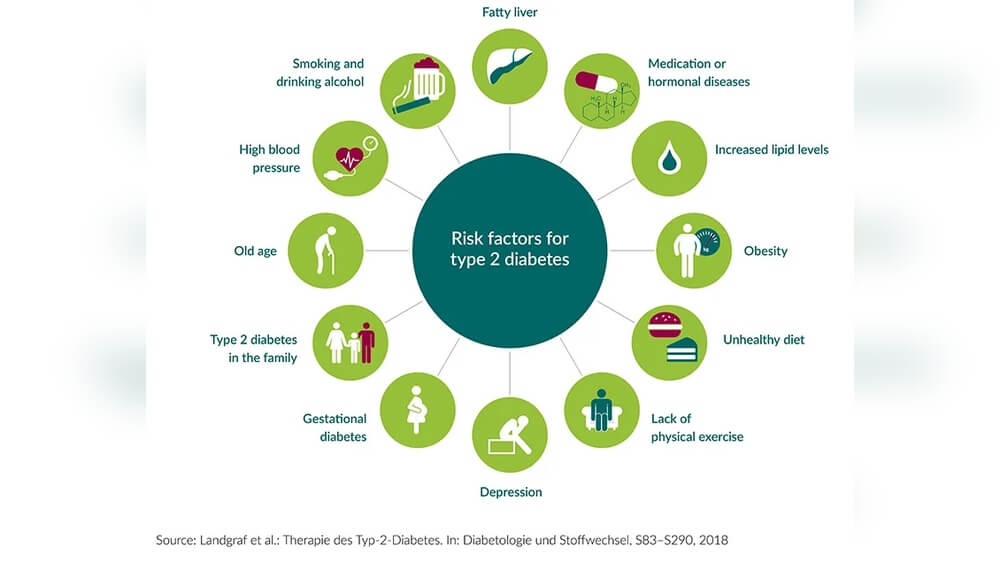
How Does Poor Diet Cause Diabetes?
Have you ever wondered how what you eat could be silently putting you at risk for diabetes? The truth is, your diet plays a huge role in controlling your blood sugar levels and overall health.
When your meals are packed with unhealthy fats, sugars, and processed foods, it can set off a chain reaction inside your body that leads to diabetes. Understanding this connection is crucial because it empowers you to make better choices and protect your future well-being.
Keep reading to discover exactly how a poor diet can cause diabetes and what you can do to take control of your health starting today.

Credit: www.thecardiologyadvisor.com
Link Between Diet And Diabetes
The link between diet and diabetes is strong and clear. What you eat affects your blood sugar levels directly. Poor diet choices can increase the risk of developing type 2 diabetes. Understanding how different foods impact your body helps prevent this disease.
How Poor Nutrition Impacts Blood Sugar
Poor nutrition causes spikes in blood sugar. Eating too many simple carbs makes glucose rise quickly. This forces the pancreas to work harder to produce insulin. Over time, this stress can reduce insulin effectiveness. Poor diet also leads to weight gain, which worsens insulin resistance.
Role Of Processed Foods And Sugars
Processed foods often contain high amounts of added sugars. These sugars cause rapid blood sugar increases. Consuming them regularly overloads the body’s ability to manage glucose. This can cause chronic high blood sugar levels. Such diets also lack fiber, which helps slow sugar absorption.
Effect Of Unhealthy Fats
Unhealthy fats, like trans fats and some saturated fats, affect insulin function. They promote inflammation and fat buildup around organs. This fat accumulation disrupts normal hormone signals. It makes cells less responsive to insulin. Choosing healthy fats supports better blood sugar control and reduces diabetes risk.
Types Of Diabetes Influenced By Diet
Diet plays a crucial role in certain types of diabetes. Not all diabetes forms are linked to diet. Some types develop mainly due to genetics or autoimmune factors. Yet, diet influences prediabetes and type 2 diabetes significantly. Poor food choices can lead to blood sugar imbalances and insulin resistance. Understanding which diabetes types diet affects can help guide healthier habits.
Below, we explore how diet impacts prediabetes and type 2 diabetes. Both conditions show clear connections to lifestyle and eating patterns. Recognizing these links aids in prevention and management.
Prediabetes And Diet
Prediabetes means blood sugar levels are higher than normal but not high enough for diabetes. Poor diet contributes to this condition. Foods high in sugar and refined carbs cause blood sugar spikes. Over time, these spikes strain the body’s ability to manage glucose. Excess weight from unhealthy eating also increases risk. Eating balanced meals with fiber and protein helps control blood sugar. Small diet changes can stop prediabetes from worsening.
Type 2 Diabetes And Lifestyle Choices
Type 2 diabetes results from the body’s resistance to insulin or lack of insulin production. Diet is a major factor here. Consuming too many processed foods, sugary drinks, and unhealthy fats worsens insulin resistance. Sedentary lifestyle combined with poor diet raises risk further. Weight gain from overeating makes it harder for insulin to work properly. Adopting a diet rich in whole grains, vegetables, and lean proteins supports better blood sugar control. Healthy eating paired with physical activity helps manage type 2 diabetes effectively.
Biological Mechanisms Behind Diet-induced Diabetes
Poor diet plays a key role in the development of diabetes through several biological processes. These mechanisms affect how the body handles sugar and fat. Understanding them can help explain how unhealthy eating leads to diabetes. The following sections explore the main biological changes caused by a bad diet.
Insulin Resistance Development
Insulin helps cells absorb sugar for energy. A poor diet, high in sugar and unhealthy fats, makes cells less responsive to insulin. This condition is called insulin resistance. Over time, the body produces more insulin to fight this resistance. The pancreas works harder but cannot keep up. High blood sugar levels remain, increasing diabetes risk.
Inflammation And Metabolic Stress
Unhealthy food triggers inflammation in the body. This chronic inflammation damages cells and tissues. It also disrupts normal metabolism. Fat tissue releases harmful substances that worsen insulin resistance. Metabolic stress increases the risk of developing type 2 diabetes. Inflammation and stress together damage how the body controls blood sugar.
Impact On Pancreatic Function
The pancreas produces insulin to regulate blood sugar. A poor diet strains pancreatic cells. Over time, these cells become damaged and lose function. This reduces insulin production. Without enough insulin, blood sugar stays high. The pancreas cannot recover easily, leading to long-term diabetes problems.
Common Skin Issues Linked To Diabetes
Diabetes often affects the skin in many ways. High blood sugar harms blood vessels and nerves. This damage causes various skin problems. Some appear as dark patches or rashes. Others show as blisters or bumps. These skin issues can signal diabetes or poor blood sugar control.
People with diabetes must watch their skin closely. Early care helps prevent infections and complications. Understanding common skin problems linked to diabetes is important.
Acanthosis Nigricans And Dark Patches
Acanthosis nigricans causes dark, thickened skin patches. These patches often appear on the neck, armpits, or groin. The skin feels velvety and rough. This condition happens due to insulin resistance. It is a sign of high insulin levels in the body.
Diabetic Dermopathy And Skin Spots
Diabetic dermopathy shows as light brown or red spots. These spots usually appear on the shins. They are dry and scaly. This condition happens from damaged small blood vessels. It is common in people with long-term diabetes.
Fungal Infections In Moist Areas
Fungal infections thrive in warm, moist skin areas. Common spots are between toes, under breasts, and around groin. These infections cause itching, redness, and sometimes blisters. High blood sugar weakens the immune system. This makes fungal infections more likely.
Eruptive Xanthomatosis Signs
Eruptive xanthomatosis causes yellow, firm bumps on skin. These bumps look like pimples with red halos. They appear on hands, feet, or buttocks. This condition signals very high blood sugar and fat levels. It needs medical attention to control diabetes.
Necrobiosis Lipoidica Symptoms
Necrobiosis lipoidica shows as shiny, yellow or red patches. These patches are often on the shins. The skin becomes thin and may bruise easily. It can be painful or itchy. This condition results from blood vessel changes in diabetes.
Diabetic Blisters Characteristics
Diabetic blisters, also called bullosis diabeticorum, look like burn blisters. They appear on hands, feet, or legs. These blisters are painless and filled with clear fluid. They heal slowly and can lead to infections. Proper diabetes management helps reduce their occurrence.
Why Skin Problems Occur In Diabetes
Skin problems are common in people with diabetes. High blood sugar levels affect the skin in many ways. These changes make the skin dry, itchy, and prone to infections. Understanding why skin problems occur helps manage them better.
High Blood Sugar Damage
High blood sugar harms blood vessels and nerves. This damage reduces blood flow to the skin. Poor blood flow means less oxygen and nutrients reach skin cells. Skin becomes weak and slow to heal. This leads to wounds and infections that last longer.
Dry Skin And Poor Circulation
Diabetes often causes dry skin. High sugar levels cause the body to lose fluids. This makes the skin dry and cracked. Poor circulation worsens dryness by limiting moisture delivery. Dry skin cracks easily, creating openings for germs.
Increased Infection Risk
Diabetes weakens the immune system. The body cannot fight infections well. Bacteria and fungi grow easily on damaged, dry skin. People with diabetes get more skin infections. These infections can be hard to treat and may spread quickly.

Credit: flowfeet.com
Preventing And Managing Diabetes Through Diet
Preventing and managing diabetes through diet plays a key role in controlling this condition. A balanced diet helps regulate blood sugar and supports overall health. Choosing the right foods can reduce the risk of complications and improve daily energy. Small changes in eating habits make a big difference over time.
Controlling Blood Sugar With Nutrition
Eating foods that release sugar slowly keeps blood sugar stable. Whole grains, vegetables, and lean proteins help control glucose levels. Avoiding large meals prevents spikes in blood sugar. Regular meals with balanced portions support insulin function. Fiber-rich foods slow sugar absorption and improve digestion.
Foods To Avoid And Foods To Embrace
Sugary drinks, sweets, and processed snacks raise blood sugar quickly. White bread and white rice can cause rapid glucose spikes. Instead, choose fruits, nuts, and seeds for healthy snacks. Vegetables like spinach, broccoli, and carrots provide vitamins without extra sugar. Lean meats and fish offer protein without unhealthy fats.
Lifestyle Changes Beyond Diet
Exercise helps the body use insulin better and lowers blood sugar. Regular physical activity, even walking, improves insulin sensitivity. Managing stress reduces hormones that raise blood sugar. Getting enough sleep supports healthy metabolism. Avoid smoking and limit alcohol to protect blood vessels and nerves.
When To Seek Medical Help
Knowing when to seek medical help is crucial for managing diabetes caused by a poor diet. Early detection improves treatment success and prevents complications. Ignoring warning signs can lead to serious health problems. Watch for symptoms and consult healthcare professionals promptly. Understanding the right time to visit a doctor helps keep diabetes under control.
Recognizing Early Symptoms
Early diabetes symptoms include frequent urination and constant thirst. You may feel tired even after rest. Blurred vision and slow wound healing are common signs. Notice if you have unexplained weight loss. These symptoms suggest high blood sugar levels. Seeking medical advice early avoids severe health issues.
Importance Of Regular Checkups
Regular medical checkups help monitor blood sugar levels. Doctors can detect problems before symptoms appear. Routine tests include blood glucose and HbA1c. Early treatment reduces risks of heart and kidney damage. Checkups also provide guidance on healthy eating. Stay consistent with appointments to manage diabetes effectively.
Treating Skin Complications
Diabetes often causes skin problems like rashes and infections. High blood sugar damages blood vessels and nerves. This leads to dryness, itching, and slow healing wounds. Treat skin issues quickly to prevent infections. A doctor may recommend creams or antibiotics. Proper skin care supports overall diabetes management.
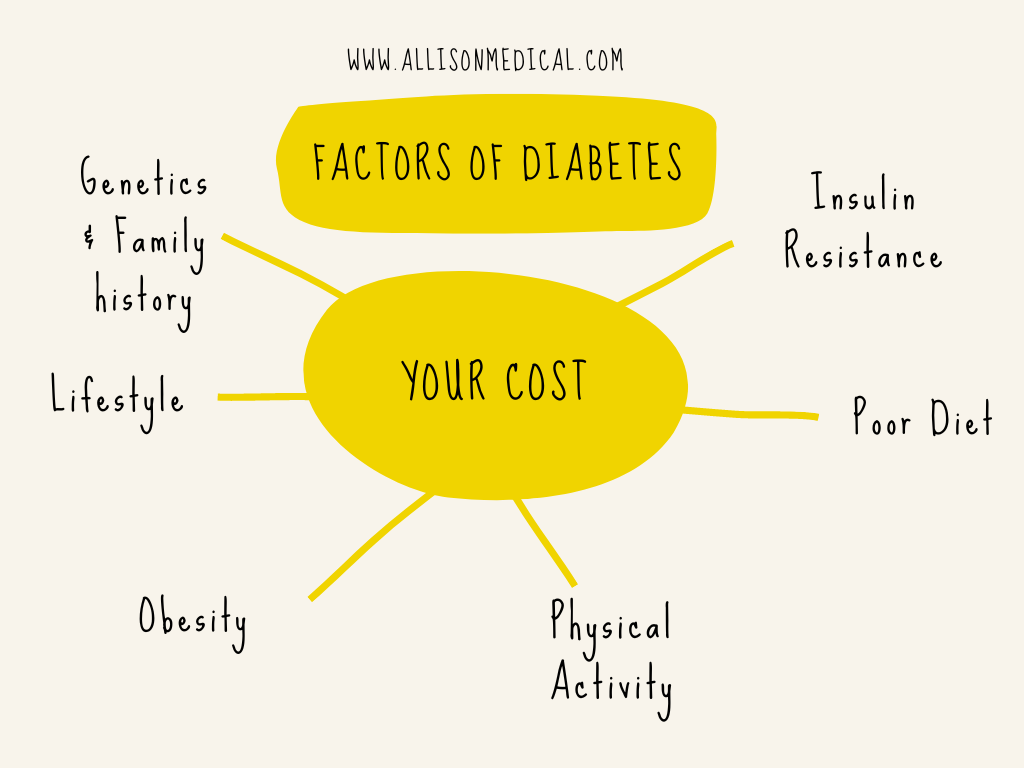
Credit: www.allisonmedical.com
Frequently Asked Questions
How Does Junk Food Lead To Diabetes?
Junk food raises blood sugar quickly, causing insulin resistance. Over time, this leads to type 2 diabetes. High fat and sugar harm pancreas function.
Can Diabetes Cause A Rash?
Yes, diabetes can cause rashes due to high blood sugar damaging skin, nerves, and blood vessels. Common rashes include acanthosis nigricans, diabetic dermopathy, fungal infections, and diabetic blisters. Managing blood sugar and consulting a doctor helps prevent and treat these skin issues effectively.
What Causes Diabetes In Pregnancy?
Hormonal changes during pregnancy reduce insulin effectiveness, causing blood sugar to rise. This leads to gestational diabetes. Excess weight, inactivity, and genetics also increase risk.
What Is The Main Reason You Get Diabetes?
The main reason for diabetes is the body’s inability to produce or use insulin effectively, causing high blood sugar levels.
Conclusion
A poor diet can raise blood sugar and insulin resistance. This leads to type 2 diabetes over time. Eating too much sugar and unhealthy fats harms the body. It stresses the pancreas and disrupts normal metabolism. Simple changes in diet can reduce diabetes risk.
Choosing whole foods and avoiding processed snacks helps a lot. Small steps make a big difference in health. Understanding how food affects diabetes is key. Take control today to prevent future problems. Your body will thank you for better choices.

“As the voice behind Radiant Glow Health, we are dedicated to being your ultimate wellness and vitality companion. Our mission is to inspire and guide you on your journey to a healthier and more vibrant life. Join us as we explore holistic health practices and empower you to radiate wellness from within.”