Are you ready to feel better, have more energy, and take control of your health? Changing how you eat might sound hard, but it doesn’t have to be.
Small, simple steps can make a big difference in how you feel every day. Imagine enjoying meals that fuel your body, help you stay focused, and keep you feeling great—without strict diets or complicated rules. You’ll discover easy ways to start better eating habits that fit your life.
Keep reading, and you’ll find practical tips you can use right now to make lasting changes that really work for you.

Credit: hangarhpc.com
Set Clear Goals
Setting clear goals is the first step to better eating habits. Clear goals give you focus and direction. They help you measure progress and stay motivated. Without goals, it is easy to lose track and give up. Goals should be simple, realistic, and specific. For example, aim to eat two servings of vegetables daily. Small goals build confidence and lead to lasting changes.
Family Challenges
Getting the whole family involved makes goal-setting fun and effective. Create challenges like eating more fruits or reducing sugary drinks. Track progress together on a chart or app. Celebrate small wins to keep spirits high. Family challenges build support and make healthy eating a team effort. Kids learn by joining in and feel proud of their efforts.
Lead By Example
Parents and caregivers set the tone for healthy habits. Show your children how to eat balanced meals and try new foods. Avoid junk food in front of them. Your actions speak louder than words. When children see adults making healthy choices, they are more likely to follow. Leading by example creates a positive food environment at home.
Make It Enjoyable
Healthy eating should not feel like a chore. Find ways to make meals and snacks fun and tasty. Involve the family in cooking or picking colorful fruits and vegetables. Try new recipes or create themed meals. Use creative plating to make food look appealing. Enjoyable experiences make healthy habits easier to keep long term.

Credit: kaynutrition.com
Practice Mindful Eating
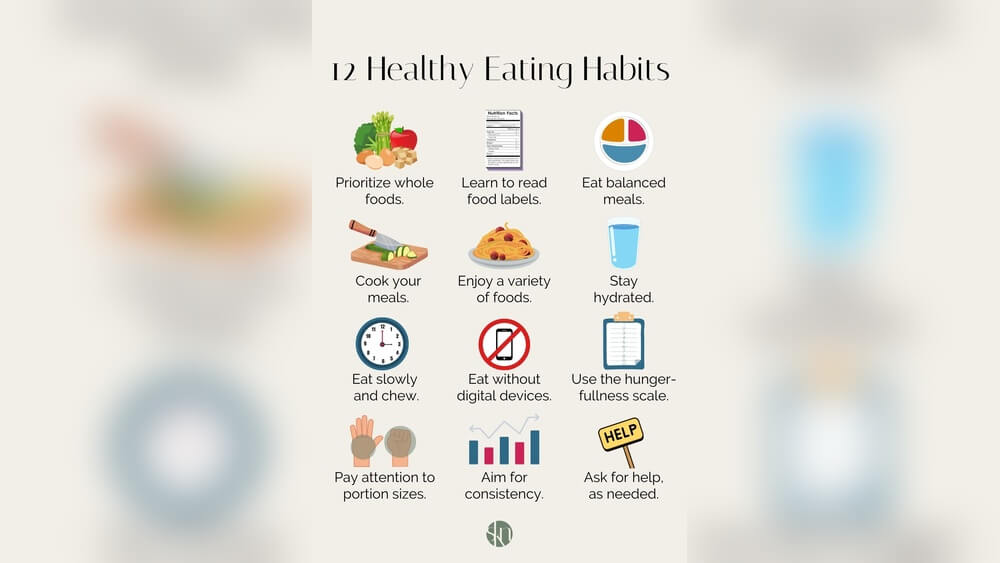
Practicing mindful eating helps build better eating habits. It means paying full attention to your food. Notice tastes, smells, and textures. This approach improves digestion and satisfaction. Mindful eating also helps avoid overeating by tuning into your body’s signals.
Limit Distractions
Turn off the TV and put away your phone. Focus only on your meal. Distractions make it hard to notice fullness. Eating without distractions helps you enjoy food more. It also prevents mindless snacking and overeating.
Eat Slowly
Chew each bite carefully and take small mouthfuls. Put your fork down between bites. Eating slowly gives your brain time to feel full. It helps you enjoy flavors and textures better. Slow eating can reduce calorie intake and improve digestion.
Recognize Hunger Signals
Learn to notice real hunger before eating. Ask yourself if you are truly hungry. Stop eating when you feel satisfied, not stuffed. This practice prevents eating out of boredom or stress. Listening to your body helps control portions and cravings.
Track Eating Patterns
Keep a simple food diary to record what and when you eat. This reveals habits and triggers for unhealthy eating. Reviewing your diary helps make better food choices. Tracking supports mindful eating by increasing awareness. It encourages consistent, healthy changes over time.
Choose Nutritious Foods
Choosing nutritious foods is the foundation of better eating habits. It helps your body get the vitamins and minerals it needs. Healthy choices support energy, mood, and overall well-being. Start by focusing on what you put on your plate daily. Small, smart swaps make a big difference over time.
Fill Half Your Plate With Fruits And Veggies
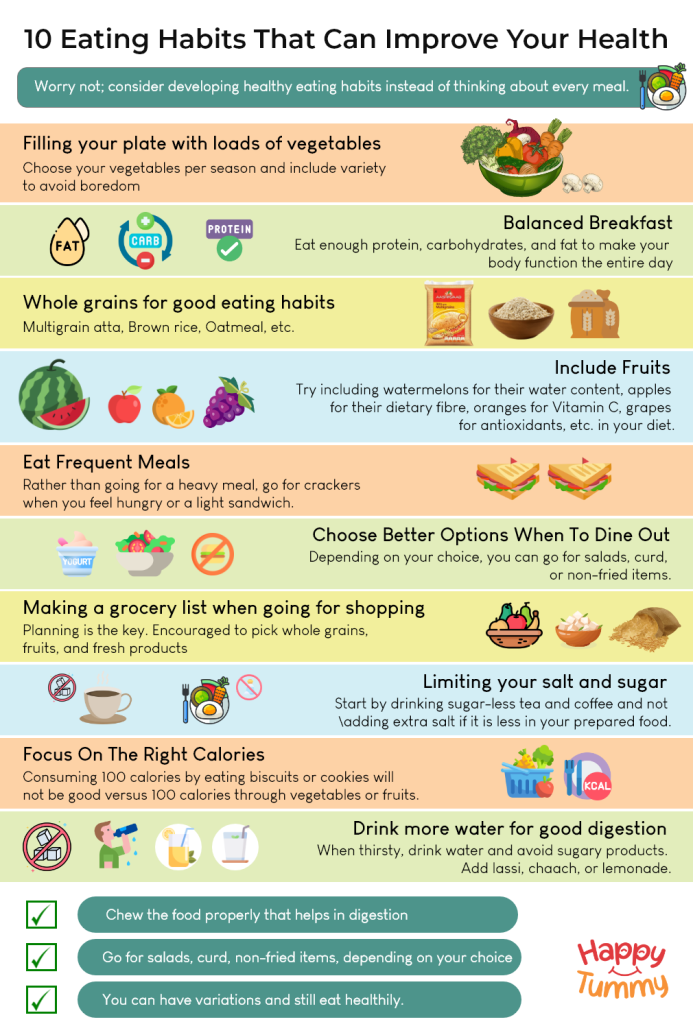
Fruits and vegetables provide fiber, vitamins, and antioxidants. They help protect against many diseases. Aim to fill half your plate with colorful produce. Fresh, frozen, or canned without added sugar or salt all work. Try different types to keep meals interesting and tasty.
Opt For Whole Grains
Whole grains include the entire grain kernel. They have more fiber and nutrients than refined grains. Examples are brown rice, whole wheat bread, and oatmeal. Whole grains help you feel full longer and support digestion. Swap white bread and pasta for whole grain versions.
Select Lean Proteins
Lean proteins build and repair body tissues. Choose options like chicken, turkey, fish, beans, and lentils. These have less unhealthy fat than red or processed meats. Plant-based proteins also add fiber and nutrients. Include a variety of protein sources in your meals.
Hydrate With Water
Water is essential for every body function. It keeps you energized and aids digestion. Replace sugary drinks with water to cut extra calories. Carry a water bottle to sip throughout the day. Herbal teas or water with a splash of fruit add flavor without sugar.
Plan And Prepare Meals
Planning and preparing meals plays a key role in developing better eating habits. It helps control what you eat and reduces the chances of grabbing unhealthy foods. Simple steps like planning weekly meals and cooking at home can save time and money. Preparing healthy snacks also keeps you full and satisfied throughout the day.
Weekly Meal Planning
Set aside time each week to plan your meals. Write down breakfast, lunch, dinner, and snacks for each day. This helps avoid last-minute unhealthy choices. Choose balanced meals with vegetables, proteins, and whole grains. Planning also helps with grocery shopping and reduces food waste.
Cook At Home
Cooking at home lets you control ingredients and portion sizes. It is often healthier and cheaper than eating out. Try simple recipes with fresh ingredients. Cooking in batches saves time on busy days. Experiment with herbs and spices to add flavor without extra calories.
Healthy Snack Options
Keep healthy snacks ready to avoid junk food cravings. Fresh fruits, nuts, and yogurt are good choices. Cut vegetables like carrots or cucumber make great crunchy snacks. Portion snacks into small containers to prevent overeating. Healthy snacks help maintain energy and reduce overeating at meals.
Make Small Changes
Starting better eating habits does not require big changes all at once. Small steps make new habits easier to keep. These small changes build a strong foundation for long-term health.
Changing little things in your daily meals can lead to big improvements. It helps your body adjust and your mind to accept new tastes. Patience and steady progress are the keys to success.
Swap Ingredients Gradually
Replace unhealthy ingredients with healthier ones slowly. For example, use whole wheat bread instead of white bread. Try low-fat yogurt instead of full-fat versions. These swaps change your diet without shock.
Making small ingredient changes keeps meals familiar. It helps avoid feeling deprived or overwhelmed. Over time, your taste buds will adapt to better choices.
Keep Healthy Foods Visible
Place fruits, nuts, and vegetables where you can see them. Keep healthy snacks at eye level in the fridge or pantry. This simple act encourages you to pick good foods more often.
Hiding unhealthy snacks reduces temptation. Seeing healthy foods first makes it easier to eat them. It supports your goal without extra effort.
Be Patient With Progress
Better eating habits take time to develop. Your body and mind need weeks or months to adjust. Celebrate small wins and do not rush the process.
Expect setbacks but keep going. Each healthy choice adds up. Focus on steady growth, not perfection.
Create Healthy Traditions
Make healthy eating part of your daily routine. Cook meals with family or friends. Try new recipes with more vegetables and less sugar.
Turn healthy habits into enjoyable rituals. This builds positive feelings around good food. Traditions help keep better eating habits for life.
Credit: happytummy.aashirvaad.com
Frequently Asked Questions
How To Actually Start Eating Better?
Start eating better by adding more fruits, vegetables, and whole grains to your meals. Drink water regularly. Choose lean proteins like fish and chicken. Plan and prep meals to avoid unhealthy choices. Eat slowly and mindfully, focusing on hunger cues.
Make small, consistent changes for lasting habits.
What Is The 5 2 1 0 Rule?
The 5-2-1-0 rule promotes healthy habits: 5 servings of fruits/vegetables, 2 hours max screen time, 1 hour physical activity, and 0 sugary drinks daily. It supports balanced nutrition and active living for better health.
How Can I Improve My Eating Habit?
Improve eating habits by drinking more water and adding fruits and vegetables. Eat slowly without distractions. Plan meals with whole foods and lean proteins. Limit sugar and processed items. Track your intake and make gradual, consistent changes for lasting results.
What Is The 20 Minute Rule For Eating?
The 20-minute rule for eating means waiting 20 minutes before having seconds. It helps recognize fullness and prevents overeating.
Conclusion
Starting better eating habits takes time and small steps. Choose simple changes you can keep daily. Drink more water and add fruits and vegetables first. Eat slowly and notice when you feel full. Plan your meals to avoid unhealthy choices.
Focus on whole foods like grains, lean proteins, and healthy fats. Avoid too much sugar and processed snacks. Remember, progress matters more than perfection. Stay patient and kind to yourself. Healthy eating is a journey, not a quick fix. Keep practicing these habits for lasting health and energy.

“As the voice behind Radiant Glow Health, we are dedicated to being your ultimate wellness and vitality companion. Our mission is to inspire and guide you on your journey to a healthier and more vibrant life. Join us as we explore holistic health practices and empower you to radiate wellness from within.”