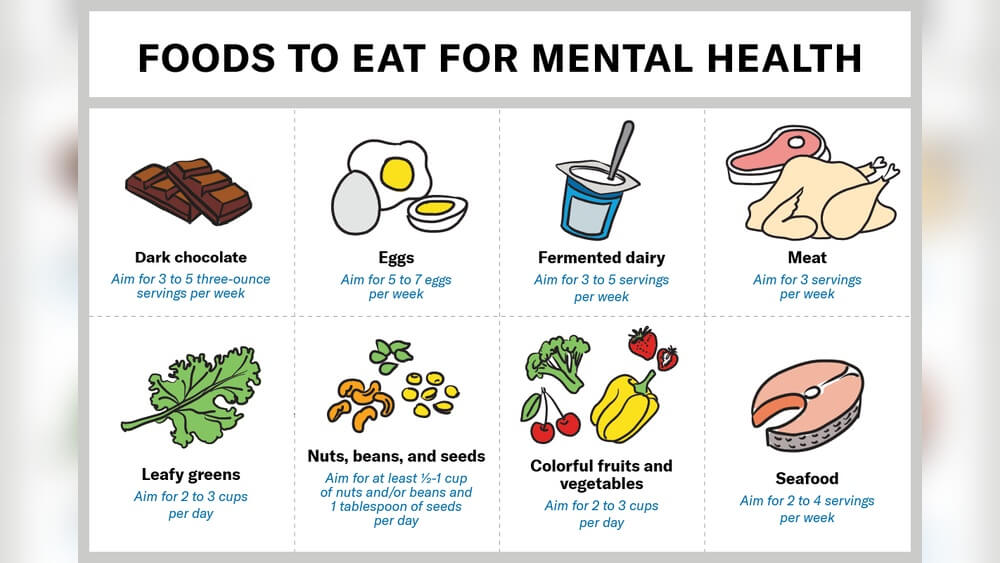
Have you ever noticed how your mood can change after a meal? What you eat doesn’t just affect your body—it has a powerful impact on your mind too.
If you want to feel more focused, calm, and emotionally balanced, understanding why eating healthy matters for your mental health is key. This isn’t about strict diets or giving up all your favorite foods; it’s about discovering how simple changes on your plate can boost your brain’s performance and improve your overall well-being.
Keep reading to learn how the right foods can help you feel mentally stronger every day.
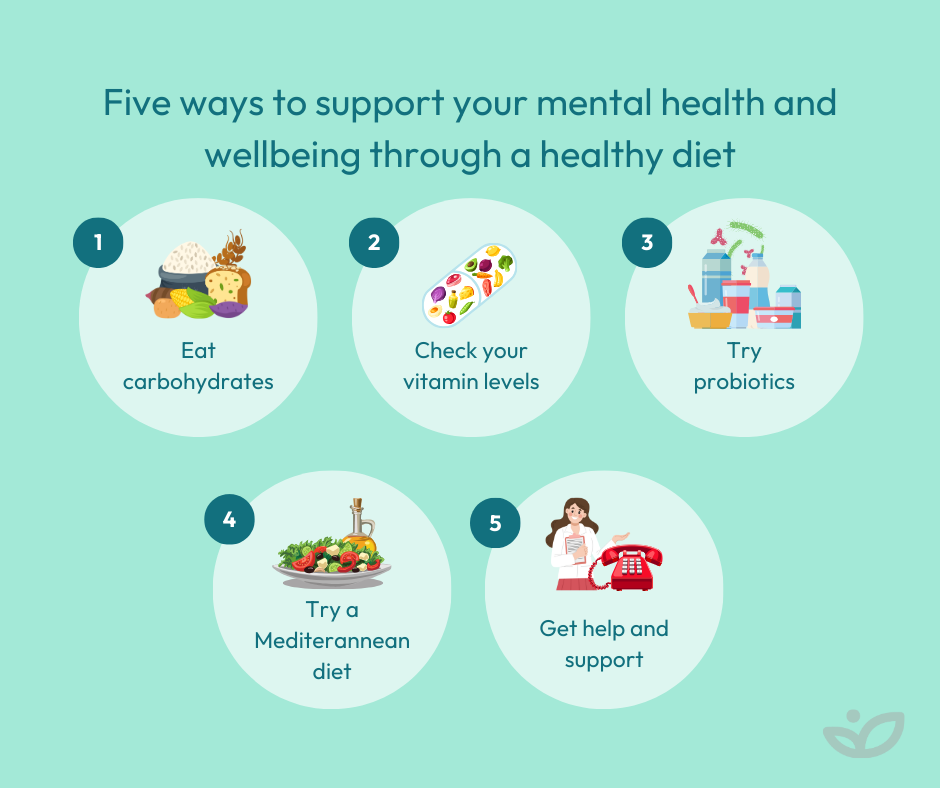
Credit: canopi.nhs.wales
Brain And Nutrition Link
The connection between brain health and nutrition is strong. What we eat affects how our brain works every day. The brain needs certain nutrients to stay sharp and keep our mood balanced. Eating healthy foods provides these key nutrients. Poor diet can lead to problems like stress, anxiety, or trouble focusing. Understanding this link helps us make better food choices for our mental health.
Role Of Nutrients In Brain Function
The brain relies on nutrients to build cells and send signals. Proteins help create brain chemicals called neurotransmitters. Healthy fats support the structure of brain cells. Vitamins and minerals, like vitamin B, iron, and zinc, keep the brain active. Lack of these nutrients can slow down thinking and cause mood issues. Eating a balanced diet helps the brain work at its best.
Gut-brain Axis Explained
The gut and brain communicate through a network called the gut-brain axis. Good bacteria in the gut help produce brain chemicals. Eating fiber-rich foods supports these healthy bacteria. An unhealthy diet can cause gut problems, which may affect mood and stress levels. This link shows why gut health is important for mental wellbeing.
Neurotransmitters And Diet
Neurotransmitters control mood, sleep, and focus. Foods rich in amino acids help make these brain chemicals. For example, serotonin affects happiness and calmness. Tryptophan, found in turkey and eggs, boosts serotonin levels. Dopamine controls motivation and pleasure, supported by foods with tyrosine. A poor diet can reduce neurotransmitter production, leading to mental health problems.
Impact Of Diet On Mood
The food we eat affects more than just our physical health. It has a strong impact on our mood and mental well-being. Different foods can influence brain function and emotional balance. Understanding this connection helps us make choices that support a positive mood every day.
Inflammation And Mental Health
Some foods cause inflammation in the body. Processed and sugary foods often trigger this response. Inflammation affects brain chemicals that regulate mood. It can lower levels of serotonin and dopamine, which are important for feeling happy and calm. Reducing inflammation through healthy foods can improve mental clarity and mood stability.
Blood Sugar Fluctuations
Eating sugary or high-carb foods causes quick changes in blood sugar. These spikes and drops lead to mood swings and irritability. Low blood sugar can cause tiredness and trouble concentrating. Balanced meals with protein, fiber, and healthy fats keep blood sugar steady. This helps maintain a calm and focused mind throughout the day.
Nutrient Deficiencies Effects
The brain needs many nutrients to work well. Lack of vitamins like B12, D, and minerals such as magnesium can affect mood. Deficiencies may cause feelings of sadness, anxiety, or fatigue. Eating a variety of fruits, vegetables, whole grains, and lean proteins provides essential nutrients. These nutrients support brain health and emotional balance.
Foods That Boost Mental Health
Eating certain foods can improve your mental health and mood. These foods provide essential nutrients that support brain function. A balanced diet rich in natural ingredients helps reduce stress and anxiety. Understanding which foods benefit the mind can guide healthier choices daily.
Mediterranean Diet Benefits
The Mediterranean diet includes fruits, vegetables, whole grains, nuts, and olive oil. This diet lowers the risk of depression and cognitive decline. It supports brain health by reducing inflammation and oxidative stress. Regularly eating Mediterranean foods improves memory and focus.
Omega-3 Fatty Acids
Omega-3 fatty acids are found in fish like salmon and mackerel. These fats are vital for brain cell communication. They help reduce symptoms of anxiety and depression. Omega-3s also protect brain cells from damage and support mood stability.
Leafy Greens And Legumes
Leafy greens such as spinach and kale contain vitamins and antioxidants. Legumes like beans and lentils provide fiber and protein. These foods boost brain function and reduce inflammation. Eating them regularly promotes mental clarity and energy.
Whole Foods Importance
Whole foods are unprocessed or minimally processed. They provide vitamins, minerals, and fiber essential for brain health. Whole foods help balance blood sugar, which affects mood and energy. Choosing whole foods supports long-term mental wellbeing.

Credit: www.youtube.com
Foods That Harm Mental Health
Not all foods support mental health equally. Some foods can harm your mood and thinking. These foods often cause inflammation, disrupt brain chemicals, and lead to mood swings. Knowing which foods to avoid helps protect your mental well-being.
Processed Foods Risks
Processed foods often contain artificial additives and preservatives. These chemicals can increase inflammation in the brain. High inflammation harms mood and memory. Processed foods also lack important nutrients needed for brain health. Eating too many processed foods may raise anxiety and depression risks.
Refined Carbs And Sugars
Refined carbohydrates and sugars cause blood sugar spikes and crashes. These swings lead to irritability and fatigue. High sugar intake can lower serotonin, the mood-regulating brain chemical. Sugary foods also increase inflammation and reduce energy levels. This combination can worsen feelings of anxiety and depression.
Trans Fats Impact
Trans fats are found in many fried and baked goods. They damage brain cells and increase inflammation. This damage disrupts communication between brain cells. Trans fats also lower the levels of healthy brain fats. Consuming trans fats raises the risk of mood disorders and memory problems.
Diet Strategies For Mental Wellness
Diet plays a key role in mental wellness. What you eat affects your mood, focus, and stress levels. Using smart diet strategies can improve brain function and emotional health. Simple changes in food choices help support mental balance and clarity.
Prioritize Whole Foods
Whole foods like fruits, vegetables, nuts, and lean proteins supply vital nutrients. These foods contain vitamins and minerals that help build brain cells. They also reduce inflammation, which can harm mental health. Choosing whole foods over processed items supports stable moods and better thinking.
Stabilize Blood Sugar Levels
Keeping blood sugar steady prevents mood swings and irritability. Eating balanced meals with fiber, protein, and healthy fats slows sugar release. Avoiding sugary snacks helps maintain energy and focus throughout the day. Stable blood sugar supports calmness and mental clarity.
Support Gut Health
The gut and brain communicate closely through the gut-brain axis. Healthy gut bacteria produce chemicals that affect mood and stress. Eating probiotic foods like yogurt and fiber-rich vegetables nurtures gut health. A balanced gut helps reduce anxiety and improve emotional well-being.
Hydration And Brain Function
Water is essential for brain health and function. Even mild dehydration can cause tiredness and poor concentration. Drinking enough water supports memory, alertness, and mood stability. Aim for regular water intake to keep your brain working well.
Exercise And Mental Health
Exercise plays a key role in maintaining good mental health. Physical activity impacts the brain and body in ways that reduce stress and anxiety. Regular movement helps balance mood and sharpens focus. It also supports the body’s ability to cope with mental challenges. Understanding how exercise benefits mental health can encourage healthier lifestyle choices.
Physical Activity Benefits
Exercise releases chemicals called endorphins. These natural mood lifters reduce feelings of pain and stress. Physical activity also lowers levels of the stress hormone cortisol. This helps calm the mind and relax the body. Moving your body improves sleep quality, which is vital for mental health. Regular exercise keeps the brain sharp and improves memory. It also increases energy levels, making daily tasks easier to manage.
Boosting Self-esteem And Mood
Setting and reaching exercise goals builds confidence. Each achievement, no matter how small, boosts self-esteem. Physical activity offers a sense of control and accomplishment. Group exercises provide social interaction, reducing feelings of loneliness. Exercise also helps reduce symptoms of depression and anxiety. The routine of moving your body creates structure and purpose. Over time, this can lead to a more positive outlook on life.
Practical Tips For Healthy Eating
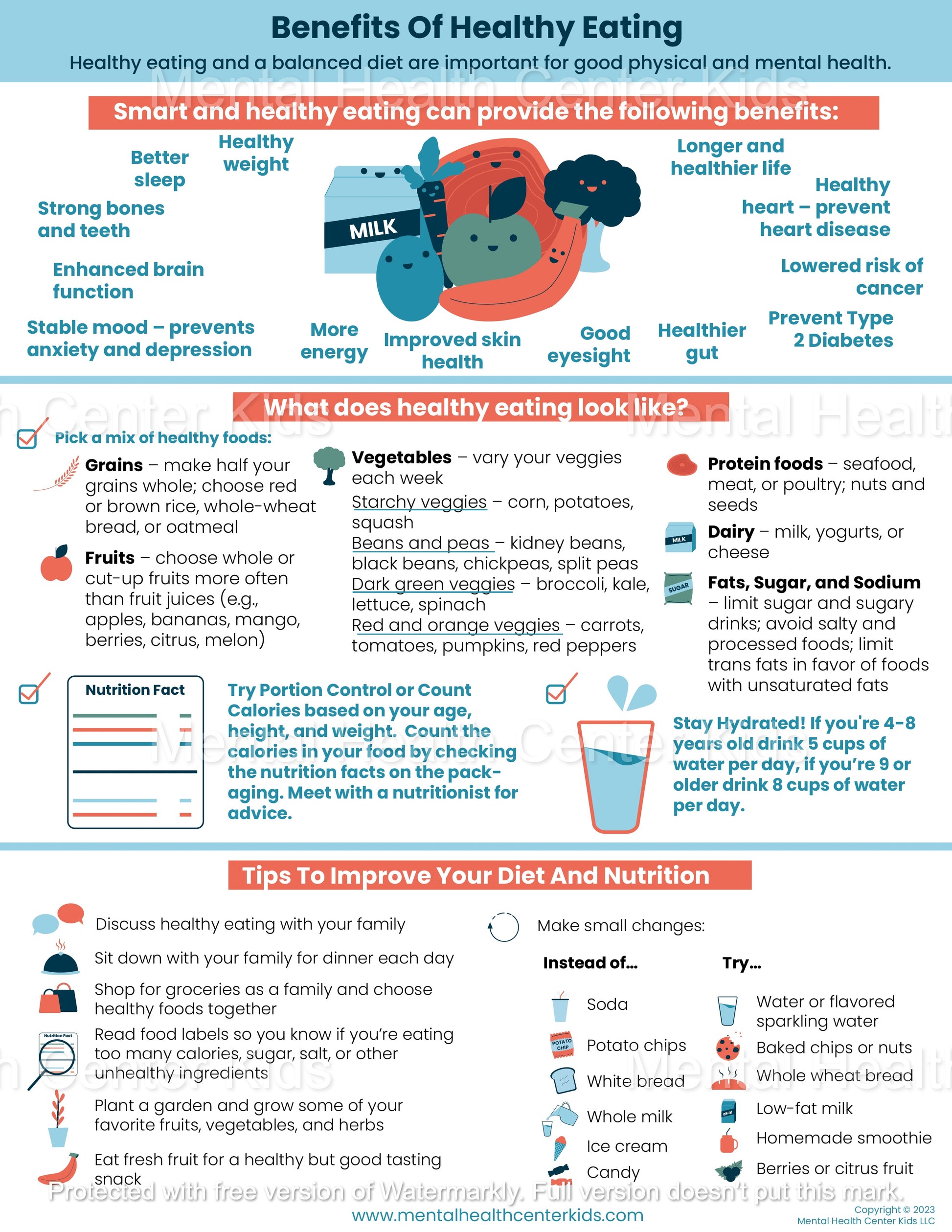
Eating healthy supports mental health by providing the brain with essential nutrients. Practical tips help make better food choices easy and consistent. Small changes in eating habits can improve mood and focus. Here are simple strategies to start eating well for mental wellness.
Meal Planning For Mental Health
Plan meals ahead to ensure balanced nutrition daily. Include fruits, vegetables, whole grains, and lean proteins. Preparing meals reduces stress and unhealthy fast-food choices. Keep healthy snacks ready to avoid impulsive eating. Consistency in meal times helps stabilize blood sugar and mood.
Mindful Eating Habits
Eat slowly and pay attention to hunger signals. Avoid distractions like phones or TV during meals. Focus on taste, texture, and smell of food. Mindful eating helps recognize fullness and prevents overeating. This habit supports better digestion and mental clarity.
Avoiding Common Pitfalls
Limit sugary and processed foods that cause mood swings. Avoid skipping meals to prevent energy crashes and irritability. Stay hydrated to support brain function and reduce fatigue. Watch caffeine intake to prevent anxiety and sleep problems. Choose whole foods to nourish the mind and body.
Credit: mentalhealthcenterkids.com
Frequently Asked Questions
Why Is It Important To Eat Healthy For Mental Health?
Eating healthy supports brain function by providing essential nutrients. It stabilizes mood, reduces inflammation, and improves focus. Balanced diets lower depression and anxiety risks. Whole foods nourish the gut-brain connection, enhancing mental well-being. Avoiding processed foods prevents mood swings and nutrient deficiencies.
How Does Being Healthy Help Your Mental Health?
Being healthy boosts mental health by improving brain function, stabilizing mood, reducing stress, and increasing self-esteem. Regular exercise and balanced nutrition enhance focus and emotional resilience.
What Impact Does Food Have On Mental Health?
Food directly affects mental health by influencing mood, focus, and brain function through nutrients, inflammation, and gut health. Whole, nutrient-rich foods support stability and well-being, while processed, sugary diets increase inflammation and mood swings, raising risks of depression and anxiety.
What Are The Benefits Of Good Mental Health?
Good mental health boosts resilience, improves relationships, enhances productivity, supports decision-making, and increases overall happiness and life satisfaction.
Conclusion
Eating healthy plays a key role in improving mental health. Nutritious foods support brain function and mood balance. They reduce inflammation and stabilize blood sugar levels. Whole foods like fruits, vegetables, and lean proteins provide essential nutrients. Avoiding processed and sugary foods helps prevent mood swings and anxiety.
Small changes in diet can lead to better focus and emotional wellbeing. A balanced diet works hand-in-hand with other healthy habits. Nourishing your body feeds your mind for a happier life.

“As the voice behind Radiant Glow Health, we are dedicated to being your ultimate wellness and vitality companion. Our mission is to inspire and guide you on your journey to a healthier and more vibrant life. Join us as we explore holistic health practices and empower you to radiate wellness from within.”