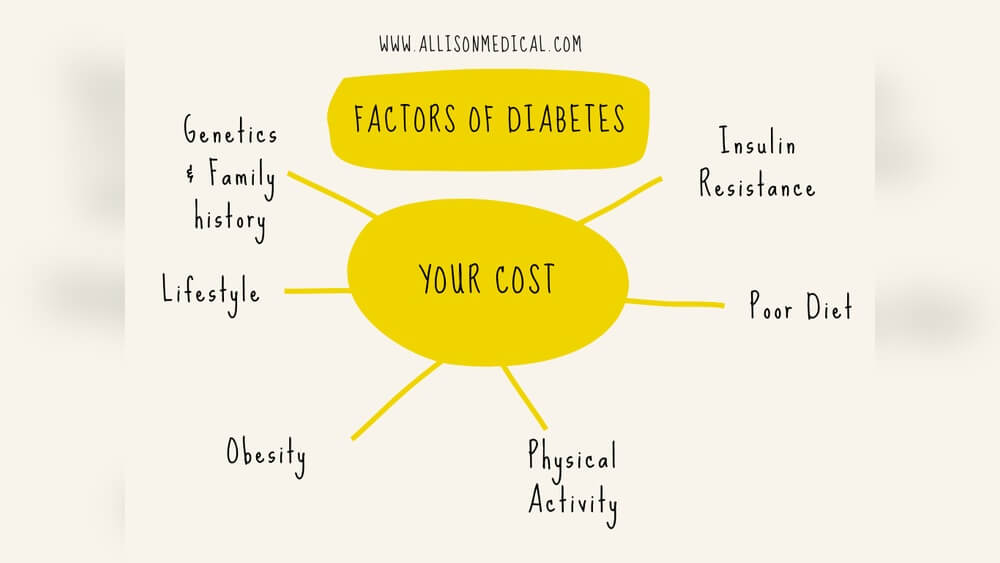
Have you ever wondered if your daily food choices could be putting you at risk for diabetes? The connection between what you eat and your health is closer than you might think.
If your diet is heavy on processed foods, sugary drinks, and unhealthy fats, you might be unknowingly setting the stage for serious health problems, including diabetes. But can poor diet actually cause diabetes? This question matters because understanding the truth can empower you to take control of your health before it’s too late.
Keep reading to discover how your eating habits impact your risk, what signs to watch for, and simple steps you can take to protect yourself from this life-changing condition.

Credit: flowfeet.com
Link Between Diet And Diabetes
Diet plays a crucial role in managing blood sugar levels. What you eat affects how your body controls glucose. A poor diet can lead to problems with blood sugar regulation. This can increase the risk of developing diabetes over time.
Understanding the connection between diet and diabetes helps you make better food choices. It also shows how unhealthy eating habits contribute to this condition.
How Poor Diet Affects Blood Sugar
Poor diet causes spikes in blood sugar. Foods high in simple carbohydrates break down quickly into sugar. This sudden increase forces the body to produce more insulin. Over time, this can wear out insulin-producing cells. The result is poor blood sugar control and higher diabetes risk.
Role Of Processed Foods And Sugars
Processed foods contain added sugars and unhealthy fats. These ingredients raise blood sugar rapidly. They also cause inflammation and insulin resistance. Eating many processed foods makes it harder for the body to manage glucose. This contributes to the development of type 2 diabetes.
Impact Of Excess Calories And Weight Gain
Consuming more calories than needed leads to weight gain. Excess body fat, especially around the belly, increases insulin resistance. This means the body needs more insulin to control blood sugar. Over time, this stress can cause type 2 diabetes. Maintaining a healthy weight lowers the risk significantly.
Types Of Diabetes
Diabetes is a group of diseases that affect how your body uses blood sugar. Blood sugar, or glucose, is vital for energy. Different types of diabetes have different causes and effects. Understanding these types helps in managing and preventing the disease.
Here are the main types of diabetes and what causes them.
Type 1 Diabetes Causes
Type 1 diabetes happens when the body’s immune system attacks insulin-producing cells. This stops the body from making insulin. Insulin is needed to move sugar into cells for energy. The cause is mostly genetic and not linked to diet. Symptoms appear quickly and need insulin treatment.
Type 2 Diabetes And Lifestyle Factors
Type 2 diabetes develops over time. The body becomes resistant to insulin. Poor diet and lack of exercise are major factors. Eating too much sugar and unhealthy fats increases risk. Being overweight also raises the chance of getting type 2 diabetes. Healthy habits can prevent or delay this type.
Gestational Diabetes Risks
Gestational diabetes occurs during pregnancy. It causes high blood sugar that affects both mother and baby. Hormonal changes and weight gain raise risks. Women with poor diet and inactive lifestyle face higher chances. This type usually goes away after birth but needs monitoring to avoid type 2 later.
Symptoms Of Diabetes
Recognizing the symptoms of diabetes is crucial for early diagnosis and management. Symptoms can vary from obvious signs to subtle changes that develop slowly. Understanding these symptoms helps in seeking timely medical advice and avoiding complications.
Early Warning Signs
Early symptoms of diabetes often appear suddenly and can be intense. Common signs include extreme thirst and frequent urination. Unexplained weight loss also signals a problem. Intense hunger and tiredness may follow. Blurred vision and mood changes are other important signs. In children, bed-wetting after being dry is a red flag.
Mild And Gradual Symptoms
Some symptoms develop slowly and are easy to miss. Increased thirst and urination may be less noticeable. Hunger and tiredness can feel normal at first. Blurred vision may come and go. Slow-healing sores or frequent infections are warning signs. Darkened skin patches, especially in neck or armpits, can appear over time.
Skin-related Symptoms And Rashes
Diabetes can cause various skin problems due to high blood sugar. Dry, itchy skin is common. Some people develop dark patches called acanthosis nigricans. Others may get yellowish, shiny patches known as necrobiosis lipoidica. Skin infections also occur more often. These rashes might be the first sign of diabetes or poor blood sugar control. Seeing a doctor helps in proper diagnosis and treatment.
Common Diabetes-related Skin Issues
Diabetes often affects the skin in many ways. High blood sugar can change how the skin looks and feels. Many people with diabetes face skin issues that may need special care. These problems can signal diabetes or show poor blood sugar control.
Understanding common diabetes-related skin issues helps in early detection. Treating these skin conditions quickly can prevent complications. Below are some skin problems linked to diabetes.
Acanthosis Nigricans
This condition causes dark, thick patches of skin. It usually appears in body folds like the neck or armpits. Acanthosis nigricans often signals insulin resistance, a key factor in type 2 diabetes.
Diabetic Dermopathy
These are light brown, scaly spots on the skin. They often appear on the front of the legs. Diabetic dermopathy is harmless but shows changes in small blood vessels.
Fungal Infections
High sugar levels help fungi grow on the skin. Common fungal infections include athlete’s foot and yeast infections. These cause itching, redness, and discomfort.
Eruptive Xanthomatosis
This rare condition causes yellow bumps on the skin. They usually appear on the back, elbows, and knees. Eruptive xanthomatosis results from high fat levels in the blood.
Necrobiosis Lipoidica
This condition causes shiny, reddish-brown patches on the skin. It often appears on the lower legs. Necrobiosis lipoidica may cause pain or itching and needs medical attention.
Diabetic Blisters
Blisters can form on the skin without injury. These blisters are painless and heal slowly. Diabetic blisters occur mostly on hands, feet, or legs due to nerve damage.
Why Diabetes Causes Skin Problems
Diabetes often causes skin problems. High blood sugar affects the skin’s health. It damages blood vessels and nerves. This damage leads to many skin issues. Understanding why diabetes causes these problems helps in managing them better.
Effects Of High Blood Sugar
High blood sugar harms the skin in many ways. It weakens the immune system. Blood vessels become narrow and less effective. This reduces oxygen and nutrient supply to the skin. The skin loses its strength and flexibility. Small wounds heal slowly, increasing infection risk.
Dry Skin And Circulation Issues
Diabetes can cause poor blood circulation. Poor circulation leads to dry and cracked skin. Nerves in the skin may also get damaged. This causes loss of feeling or numbness. Dry skin becomes itchy and more prone to injury. Cracks in the skin allow germs to enter easily.
Increased Infection Risk
High blood sugar creates a perfect environment for infections. Bacteria and fungi grow faster on the skin. Cuts and sores take longer to heal. Skin infections like boils and fungal infections happen often. People with diabetes need to check their skin daily. Early treatment prevents serious complications.
Preventing And Managing Diabetes
Preventing and managing diabetes requires consistent effort and smart choices. Small daily habits make a big difference. Understanding how to control your health can lower risks and improve life quality. Focus on lifestyle changes that support your body’s needs.
Healthy Eating Habits
Choose foods low in sugar and unhealthy fats. Eat plenty of vegetables, fruits, and whole grains. Limit processed snacks and sugary drinks. Balanced meals help keep blood sugar stable. Portion control is key to avoid spikes in glucose levels.
Maintaining A Healthy Weight
Excess weight increases the risk of type 2 diabetes. Losing even a small amount of weight helps improve insulin sensitivity. Aim for steady and sustainable weight loss through diet and activity. Regular check-ups can track progress and prevent complications.
Regular Physical Activity
Exercise helps the body use insulin more effectively. Aim for at least 30 minutes of moderate activity most days. Activities like walking, swimming, or cycling work well. Physical activity lowers blood sugar and supports weight management. Start slow and increase gradually to build stamina.
Blood Sugar Control Strategies
Monitor blood sugar levels regularly to stay informed. Follow your healthcare provider’s advice on medication and diet. Avoid skipping meals and manage stress to prevent highs and lows. Keep a record of your blood sugar readings to spot patterns. Early action helps prevent serious health issues.
When To See A Doctor
Knowing when to see a doctor is key to managing diabetes effectively. Early medical advice helps prevent serious health problems. Watch for signs that need prompt attention. Do not wait if symptoms worsen or persist.
Recognizing Urgent Symptoms
Some symptoms require immediate medical care. Extreme thirst and frequent urination can be warning signs. Sudden weight loss without trying is concerning. Feeling very tired or weak may signal trouble. Blurred vision or mood changes also need checking. Seek help quickly if these symptoms appear.
Importance Of Early Diagnosis
Early diagnosis improves treatment success. Detecting diabetes early can stop complications. It allows for better blood sugar control. Doctors can guide diet and lifestyle changes. Regular checkups help monitor your health closely. Acting fast can protect your organs and nerves.
Monitoring Skin Changes
Diabetes can cause skin problems. Look for dark patches on neck or armpits. These may indicate insulin resistance. Dry, itchy, or slow-healing sores need attention. Rashes might show poor blood sugar control. Report any skin changes to your doctor for advice.

Credit: www.thecardiologyadvisor.com

Credit: www.dzd-ev.de
Frequently Asked Questions
Can You Get Diabetes From An Unhealthy Diet?
An unhealthy diet can increase the risk of type 2 diabetes by causing obesity and insulin resistance. Poor eating habits alone do not directly cause diabetes but contribute significantly. Maintaining a balanced diet helps manage weight and blood sugar, lowering diabetes risk effectively.
Is It Possible To Suddenly Develop Diabetes?
Yes, type 1 diabetes can develop suddenly due to rapid insulin loss. Type 2 diabetes usually develops gradually over time. Watch for symptoms like extreme thirst, frequent urination, and fatigue. Seek medical advice promptly if symptoms appear suddenly to prevent complications.
Can Diabetes Cause A Rash?
Yes, diabetes can cause rashes due to high blood sugar damaging skin and nerves. Common rashes include dark patches, itchy infections, and blisters. These skin issues may signal undiagnosed or poorly controlled diabetes. Consult a doctor for accurate diagnosis and treatment.
Can Not Eating Properly Cause Diabetes?
Not eating properly can increase the risk of type 2 diabetes by causing obesity and insulin resistance. Balanced diet helps maintain healthy blood sugar.
Conclusion
Poor diet plays a big role in developing diabetes over time. Eating too much sugar and unhealthy fats can lead to insulin resistance. This condition makes it hard for your body to control blood sugar. Maintaining a balanced diet helps reduce diabetes risk significantly.
Simple changes in food choices can improve your health. Always consult a doctor if you notice symptoms. Early action can prevent serious health problems later. Taking care of your diet is a key step to stay healthy and avoid diabetes.

“As the voice behind Radiant Glow Health, we are dedicated to being your ultimate wellness and vitality companion. Our mission is to inspire and guide you on your journey to a healthier and more vibrant life. Join us as we explore holistic health practices and empower you to radiate wellness from within.”