“Which Personal Protective Equipment Would You Use While Performing Routine Personal Care?”
When you’re providing routine personal care, protecting yourself and those you care for is absolutely essential. Have you ever wondered which personal protective equipment (PPE) you really need to use to stay safe and prevent infections?
Choosing the right gear—like gloves, masks, gowns, or eye protection—can make all the difference between a clean, safe experience and an avoidable health risk. You’ll discover exactly which PPE items are crucial for different personal care tasks and how using them properly keeps you and others protected every step of the way.
Keep reading to find out how simple choices in PPE can boost your confidence and safety during routine care.

Credit: www.amazon.com
Essential Ppe For Personal Care
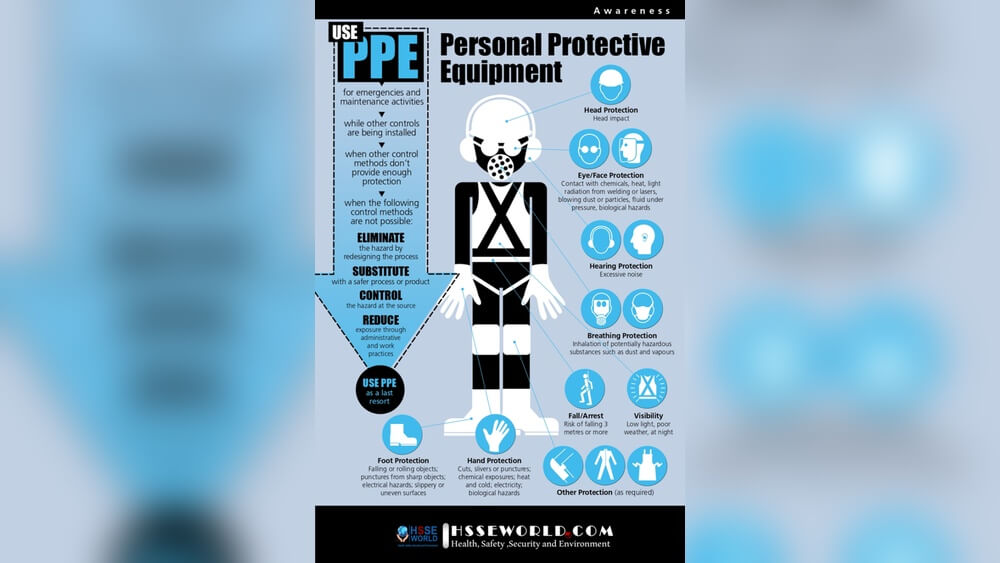
Essential personal protective equipment (PPE) plays a key role in routine personal care. It helps protect both the caregiver and the person receiving care. Wearing the right PPE lowers the chance of infection and keeps everyone safe. Different tasks may require different types of PPE. Understanding each type helps in choosing the correct protection.
Gloves For Hand Protection
Gloves are the most common PPE in personal care. They protect hands from germs and body fluids. Wearing gloves helps prevent the spread of infection. Use disposable gloves and change them between tasks. Always wash hands before putting on and after removing gloves.
Gowns And Aprons
Gowns and aprons protect clothing and skin from spills and splashes. They act as a barrier against fluids that may carry germs. Choose gowns or aprons made of fluid-resistant materials. Put them on before starting care tasks that involve contact with bodily fluids.
Masks For Respiratory Safety
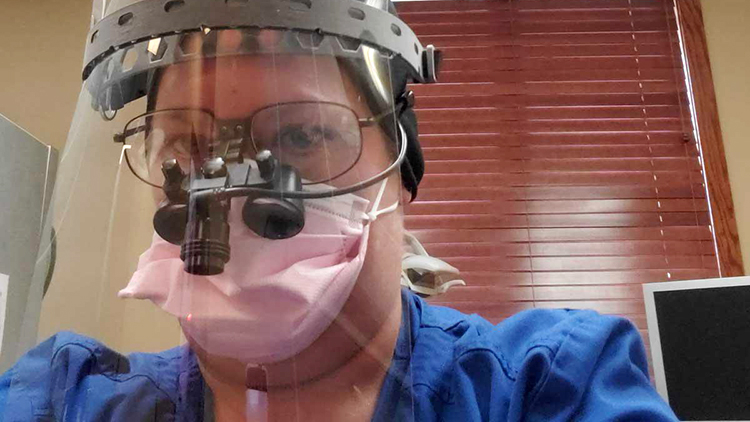
Masks protect the nose and mouth from airborne germs. They reduce the risk of breathing in harmful particles. Use masks during close contact or when there is a risk of splashes. Surgical masks are common for routine personal care. Ensure the mask fits snugly over the nose and mouth.
Eye Protection Options
Eye protection shields the eyes from splashes and sprays. Goggles or face shields are typical choices. Use eye protection during tasks where fluids may reach the eyes. This gear helps avoid infections through the mucous membranes of the eyes.
When To Use Each Ppe
Choosing the right personal protective equipment (PPE) during routine personal care is essential for safety. Each type of PPE has specific moments when it is needed. Correct use prevents infection and protects both the caregiver and the person receiving care.
Routine Contact And Gloves
Wear gloves for any direct contact with skin or mucous membranes. Gloves protect your hands from germs and reduce cross-contamination. Change gloves between tasks and after touching bodily fluids or contaminated surfaces. Always wash hands before putting on and after removing gloves.
Handling Fluids And Gowns
Use gowns when you expect contact with blood, urine, or other body fluids. Gowns shield your clothing and skin from contamination. Choose fluid-resistant gowns for tasks with a high risk of splashing. Remove gowns carefully to avoid spreading germs.
Preventing Airborne Exposure With Masks
Masks protect your nose and mouth from airborne particles and droplets. Wear a mask when close to someone coughing or sneezing. Use surgical masks for routine care and N95 respirators for airborne infections. Replace masks if they become wet or dirty.
Splash Risks And Eye Protection
Eye protection, like goggles or face shields, guards against splashes to the eyes. Use it when there is a risk of sprays from fluids or chemicals. Properly fitting eye gear prevents infectious droplets from entering the eyes. Clean and disinfect reusable eye protection after each use.
Hand Hygiene And Ppe
Hand hygiene and personal protective equipment (PPE) are crucial when performing routine personal care. Clean hands prevent the spread of germs. PPE such as gloves and masks protect both the caregiver and the person receiving care. Following proper hand hygiene and PPE use ensures safety and reduces infection risks.
Washing Before And After Ppe
Wash your hands before putting on any PPE. Use soap and water or an alcohol-based sanitizer. Clean hands help stop germs from reaching the PPE. After removing PPE, wash your hands again. This step removes any germs that may have transferred during care. Always dry your hands with a clean towel or air dryer.
Proper Glove Use And Disposal
Wear gloves to protect your hands from germs and fluids. Choose the right size for comfort and safety. Avoid touching your face or other surfaces while wearing gloves. Change gloves if they become torn or dirty. Remove gloves carefully by turning them inside out. Dispose of gloves in a proper waste bin to prevent contamination.
Selecting Ppe Based On Task
Selecting personal protective equipment (PPE) based on the task ensures safety and prevents contamination. Each routine personal care activity carries different risks. Choosing the right PPE helps protect both the caregiver and the person receiving care. Understanding task requirements and potential exposures guides proper PPE use.
Wearing gloves is common, but other items may be necessary. Masks, gowns, and eye protection come into play depending on exposure risks. Correct PPE selection reduces infection spread and keeps the environment safe.
Assessing Risk Levels
Start by evaluating the risk of exposure to bodily fluids or germs. Tasks like bathing or dressing may need gloves and gowns. If there is a risk of splashing, add masks and eye protection. Low-risk tasks might require only gloves. This step prevents overuse or underuse of PPE.
Following Standard Precautions
Standard Precautions guide PPE use for all personal care tasks. They assume all blood and body fluids are infectious. Use gloves for hand protection during contact with fluids or broken skin. Gowns protect clothes from contamination. Masks and eye protection shield against splashes. Always practice hand hygiene before and after PPE use.
Proper Ppe Removal And Disposal
Proper removal and disposal of personal protective equipment (PPE) is vital during routine personal care. Incorrect handling may spread germs and cause infections. Careful steps reduce contamination risks. This section explains how to take off PPE safely and dispose of it properly. Following these practices protects both caregivers and those receiving care.
Avoiding Cross-contamination
Cross-contamination happens when germs transfer from PPE to skin or surfaces. Remove gloves first by peeling them off inside out. Avoid touching the outside of the gloves. Then remove gowns or aprons without shaking them. Take off masks by handling only the straps. Never touch your face during removal. Wash hands immediately after removing all PPE.
Safe Disposal Practices
Dispose of used PPE in designated waste containers. Use lined bins to prevent leaks. Do not reuse disposable gloves or masks. Seal disposal bags tightly before removing them. Follow local rules for hazardous waste if applicable. Clean reusable PPE according to manufacturer instructions. Keeping disposal areas clean helps stop the spread of infections.
Credit: www.wfyi.org
Credit: www.wfyi.org
Frequently Asked Questions
Which Personal Protective Equipment Would You Use While Performing Personal Care?
Use gloves for hand protection during all personal care tasks. Add a gown, mask, and eye protection if exposure to bodily fluids or splashes is likely. Always practice proper hand hygiene before and after using PPE. Dispose of used equipment safely to prevent contamination.
What Are The Ppe Used For Personal Care?
Personal care PPE includes gloves for hand protection, gowns or aprons to shield clothing, masks for mouth and nose, and eye protection like goggles or face shields against splashes. Use PPE based on exposure risk and always practice proper hand hygiene before and after use.
What Are 5 Examples Of Personal Protective Equipment?
Five examples of personal protective equipment include gloves, gowns, masks, goggles, and face shields. These protect hands, skin, respiratory system, and eyes from hazards. Use gloves for hand safety, gowns for clothing protection, masks for breathing defense, and goggles or face shields to guard eyes and face.
What Type Of Personal Protective Equipment Is Used Most Often By Caregivers?
Caregivers most often use gloves to protect hands from germs and bodily fluids. Gowns, masks, and eye protection follow if exposure risk increases. Gloves ensure hygiene and infection control during routine personal care tasks.
Conclusion
Choosing the right personal protective equipment keeps both caregiver and patient safe. Gloves remain the top choice for routine personal care to prevent infection. Gowns or aprons protect clothing from fluids and germs. Masks help reduce the spread of airborne germs during close contact.
Eye protection matters when splashes or sprays are possible. Always assess the care task to pick proper PPE. Using these simple tools helps maintain hygiene and reduces health risks. Safety should never be overlooked in daily personal care routines. Stay protected, stay healthy.

“As the voice behind Radiant Glow Health, we are dedicated to being your ultimate wellness and vitality companion. Our mission is to inspire and guide you on your journey to a healthier and more vibrant life. Join us as we explore holistic health practices and empower you to radiate wellness from within.”