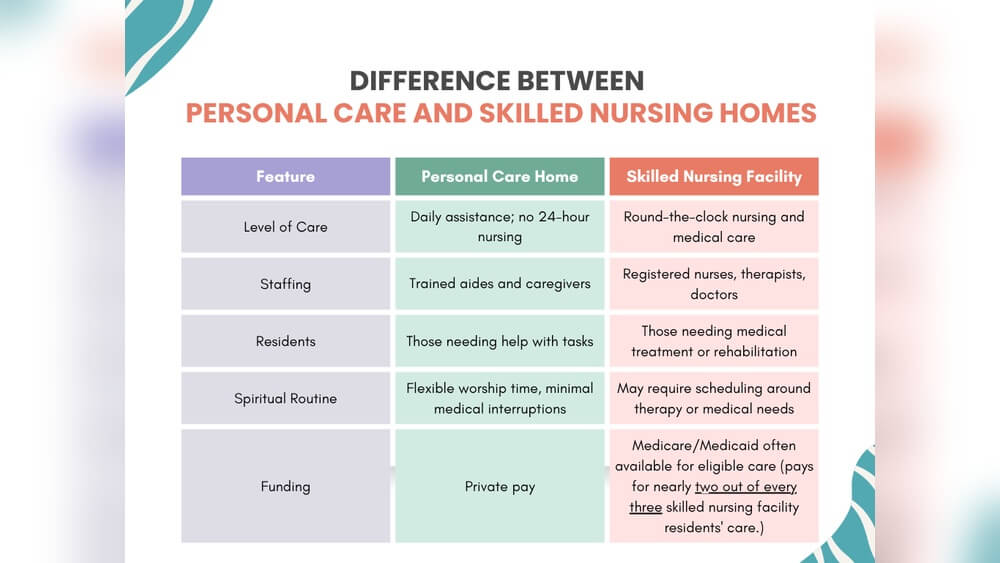
“What is the Difference between Personal Care Home And Assisted Living in Pennsylvania?”
Are you exploring care options for yourself or a loved one in Pennsylvania but feel confused about the difference between a Personal Care Home and Assisted Living? Understanding these two choices is crucial because they offer different levels of support, comfort, and independence.
You want to make the right decision that fits your needs today and can adapt as those needs change. You’ll discover clear, simple explanations about what each option provides, how they differ in care and living arrangements, and which might be the best fit for your unique situation.
Keep reading to gain the confidence you need to choose the perfect place for your or your loved one’s well-being and peace of mind.
Personal Care Homes In Pennsylvania
Personal Care Homes in Pennsylvania offer a supportive living environment for seniors. These homes focus on helping residents with daily tasks. They provide a simpler, more affordable option compared to assisted living. Personal Care Homes emphasize basic care in a community setting.
They suit seniors who need help but do not require intensive medical care. The atmosphere is usually warm and home-like. Staff assist with routine activities to improve residents’ quality of life.
Daily Living Assistance
Staff help residents with everyday tasks such as bathing, dressing, and eating. Medication reminders and basic health monitoring are also provided. This assistance helps seniors maintain independence safely.
Shared Rooms And Basic Amenities
Rooms are often shared to lower costs and encourage social interaction. Basic furnishings and simple amenities create a comfortable living space. Personal Care Homes focus on essential needs without luxury features.
Lower Medical Oversight
Medical care is limited compared to assisted living facilities. There is less nursing supervision and fewer medical services on-site. Residents with complex health conditions may need more advanced care elsewhere.
Ideal Residents For Personal Care Homes
These homes suit seniors who need help with daily activities but have stable health. They are ideal for those who prefer a simpler setting with social support. Residents who do not require 24-hour medical care thrive here.

Credit: www.thehickman.org
Assisted Living Residences In Pennsylvania
Assisted Living Residences in Pennsylvania offer a supportive and comfortable environment for seniors. These residences focus on helping older adults live independently while providing necessary assistance. Residents enjoy private living spaces and access to healthcare services. This balance supports aging with dignity and security.
Aging In Place Concept
Assisted living in Pennsylvania supports the aging in place idea. Residents can stay in the same home even as their needs change. This reduces stress and helps maintain familiar surroundings. The support adapts to new health or mobility challenges.
Private Living Units And Amenities
Each resident has a private living unit with a lockable door for security. Units often include a private bathroom and a small kitchenette with a microwave and fridge. These features offer privacy and convenience. Common areas encourage socializing and community activities.
Access To Skilled Nursing Services
Assisted living residences provide personal care services and access to skilled nursing. Nursing staff can help with medication management and health monitoring. This care is less intensive than a nursing home but more than basic help. Residents receive support tailored to their health needs.
Ideal Residents For Assisted Living
These residences suit seniors who want independence but need some help. Ideal residents may have mild health issues or need assistance with daily tasks. They benefit from social interaction and medical support. Assisted living suits those planning to age in place comfortably.
Comparing Care Levels
Understanding the difference in care levels helps families choose the right option. Both Personal Care Homes and Assisted Living in Pennsylvania support seniors but vary in medical and daily assistance. This section breaks down these care levels for clear comparison.
Medical Support Differences
Assisted Living Residences provide more advanced medical support. They offer skilled nursing services alongside personal care. Residents can get help with complex health needs. Personal Care Homes focus on basic medical assistance. They assist with medication and simple health checks. Personal Care Homes do not provide skilled nursing. This makes Assisted Living better for those with growing health concerns.
Range Of Services Offered
Assisted Living offers a wide range of services. These include housekeeping, meals, personal care, and healthcare access. Residents enjoy private rooms with kitchenettes and bathrooms. Personal Care Homes provide essential services like bathing, dressing, and meals. Rooms tend to be shared or simpler. The service range fits seniors needing daily help but less medical care.
Transitioning Between Care Types
Many seniors start in Personal Care Homes and move to Assisted Living later. Assisted Living supports aging in place as needs increase. Transitioning is smoother with more medical support available. Personal Care Homes serve as a starting point for basic care. Moving to Assisted Living helps when health needs become complex. Planning for transitions ensures continuous care and comfort.

Credit: www.healthymepa.com
Cost And Affordability
Cost and affordability play a major role in choosing between a Personal Care Home and Assisted Living in Pennsylvania. Understanding the price differences helps families decide the best fit for their budget and care needs. Both options provide valuable services but vary in cost depending on the level of care and amenities offered.
Personal Care Home Pricing
Personal Care Homes generally cost less than assisted living. They offer basic help with daily activities like bathing and medication. Many personal care homes have shared rooms and simpler living spaces. This makes them more affordable for seniors needing foundational support. Prices may vary based on location and services but usually remain lower than assisted living.
Assisted Living Costs
Assisted living residences charge more due to private rooms and extra amenities. Residents get a private bathroom, kitchenette, and more social activities. These homes provide higher levels of care, including skilled nursing when needed. The added services increase monthly fees. Costs depend on the care level, facility, and location but typically exceed personal care home prices.
Insurance And Medicare Coverage
Medicare rarely covers long-term personal care or assisted living costs. Some Medicaid programs may assist with personal care home expenses. Long-term care insurance can help cover assisted living fees. It is important to review each plan’s coverage limits. Families should explore all options to reduce out-of-pocket expenses for senior care.
Licensing And Regulation
Licensing and regulation play a crucial role in defining the standards and quality of care in Personal Care Homes and Assisted Living Residences in Pennsylvania. These rules ensure safety, proper staffing, and suitable living conditions. Understanding how licensing and regulation differ between these two types of care helps families make informed decisions.
State Licensing Requirements
Personal Care Homes in Pennsylvania require a license from the Department of Human Services. These homes must meet basic staffing and safety rules. Assisted Living Residences have stricter licensing rules. They are regulated by the Department of Aging and must follow higher standards for care and facilities. Both types must renew licenses regularly and report any changes to state agencies.
Quality Standards And Inspections
Inspections check compliance with health and safety standards. Personal Care Homes face routine checks focusing on cleanliness and staff training. Assisted Living Residences undergo more detailed inspections. These include medication management, resident rights, and emergency preparedness. Inspections happen unannounced to ensure real conditions. Homes must correct any issues found during inspections promptly.
Impact On Resident Experience
Licensing and regulation affect the daily life of residents. Personal Care Homes offer basic care with fewer amenities. Their rules focus on safety and basic assistance. Assisted Living Residences provide more privacy, better services, and skilled nursing access. Stronger regulations mean residents receive higher quality care. Families can trust that licensed homes meet minimum standards for comfort and health.
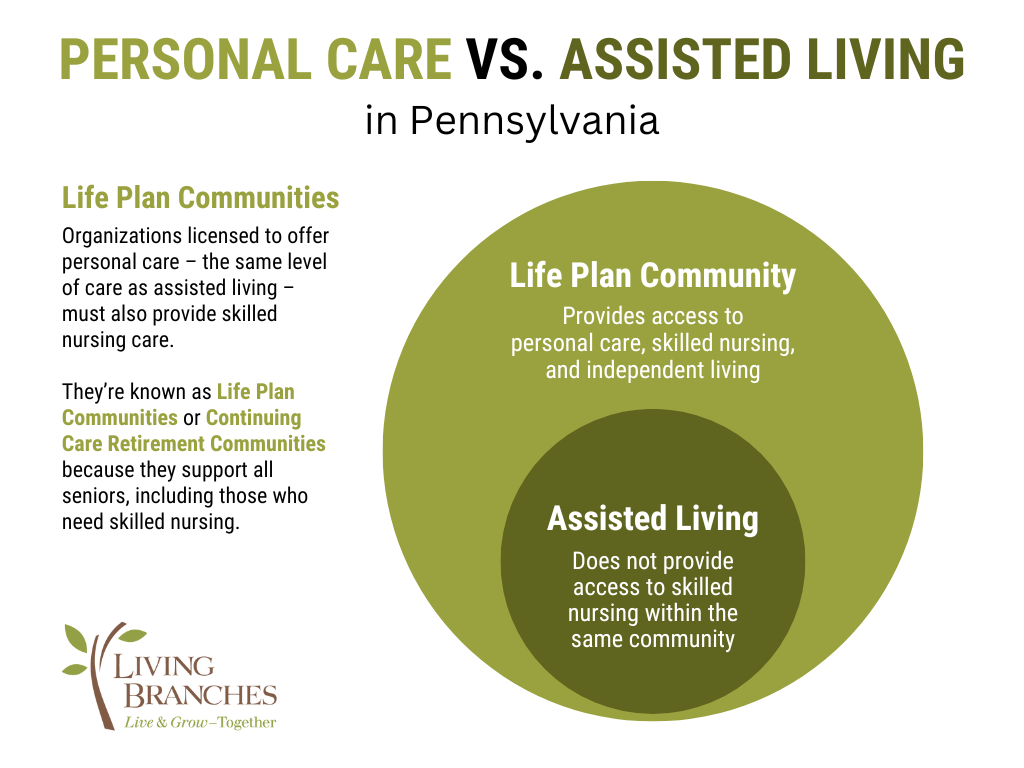
Credit: livingbranches.org
Choosing The Right Option
Choosing the right option between a Personal Care Home and Assisted Living in Pennsylvania requires careful thought. Each option offers different levels of care and living environments. Understanding these differences helps in making a decision that fits individual needs and lifestyle.
Assessing Individual Needs
Start by evaluating daily care requirements. Personal Care Homes provide help with basic tasks like bathing and medication. Assisted Living offers more support, including access to skilled nursing when needed. Consider health conditions and how much assistance is necessary. The right choice depends on the level of care required now and in the near future.
Balancing Privacy And Care
Personal Care Homes often have shared rooms and simpler settings. Assisted Living Residences provide private rooms with bathrooms and kitchenettes. Privacy is important for comfort and dignity. Think about how much independence is desired. Assisted Living usually offers more personal space and amenities, while Personal Care Homes focus on essential care.
Long-term Considerations
Consider how care needs might change over time. Assisted Living Residences allow residents to age in place with increasing support. Personal Care Homes are suited for those with stable, less complex needs. Planning for the future avoids frequent moves and disruptions. Choosing a place that adapts to changing needs ensures better quality of life.
Frequently Asked Questions
What Is The Difference Between Personal Care And Assisted Living In Pa?
Personal care homes in PA provide basic daily assistance in shared settings. Assisted living offers private amenities and skilled nursing access for complex needs.
What’s The Difference Between A Personal Care Home And Assisted Living?
A personal care home offers basic daily living help in shared settings. Assisted living provides private rooms, more comfort, and skilled nursing access. Assisted living supports aging in place with higher medical care, while personal care focuses on simpler, non-medical assistance.
How Much Does A Personal Care Home Cost In Pa?
Personal care homes in Pennsylvania typically cost between $2,000 and $4,000 per month. Prices vary by location and services.
Does Medicare Pay For Assisted Living Or A Nursing Home?
Medicare does not cover assisted living or long-term nursing home care. It only pays for short-term skilled nursing after hospital stays.
Conclusion
Choosing between a Personal Care Home and Assisted Living depends on your needs. Personal Care Homes offer basic help with daily tasks in a shared setting. Assisted Living provides more privacy, comfort, and access to skilled nursing. Residents in Assisted Living can stay longer as health needs grow.
Both options support seniors but differ in care levels and living arrangements. Knowing these differences helps in making the best decision. Consider what daily support and independence you want before deciding. This clarity ensures a better quality of life in Pennsylvania’s senior care options.

“As the voice behind Radiant Glow Health, we are dedicated to being your ultimate wellness and vitality companion. Our mission is to inspire and guide you on your journey to a healthier and more vibrant life. Join us as we explore holistic health practices and empower you to radiate wellness from within.”