Preparing for a Personal Care Assistant interview can feel overwhelming, but knowing the right questions and how to answer them can set you apart from the rest. Whether you’re new to this field or looking to sharpen your skills, this guide is made for you.
Inside, you’ll find clear, straightforward answers to the most common interview questions—covering everything from daily tasks and emergency responses to handling tough situations with empathy and professionalism. By the time you finish reading, you’ll feel confident and ready to show your future employer exactly why you’re the perfect fit.
Keep reading to unlock the key to your next career step!
Common Pca Interview Questions
Preparing for a Personal Care Assistant (PCA) interview means understanding common questions employers ask. These questions focus on your skills, experience, and approach to caregiving. Clear, honest answers show your readiness and compassion. Below are typical questions that often come up in PCA interviews.
Experience With Daily Living Activities
Employers want to know your experience with daily living tasks. These include helping clients with bathing, dressing, eating, and grooming. Describe specific duties you performed. Explain how you ensure clients feel comfortable and respected. Mention how you handle challenges during these activities.
Handling Transfers And Mobility Support
Interviewers ask about your skills in moving clients safely. This includes helping with walking, wheelchair use, and bed transfers. Share your methods to prevent falls and injuries. Talk about any tools or techniques you use. Demonstrate your awareness of client safety and dignity.
Training And Certifications
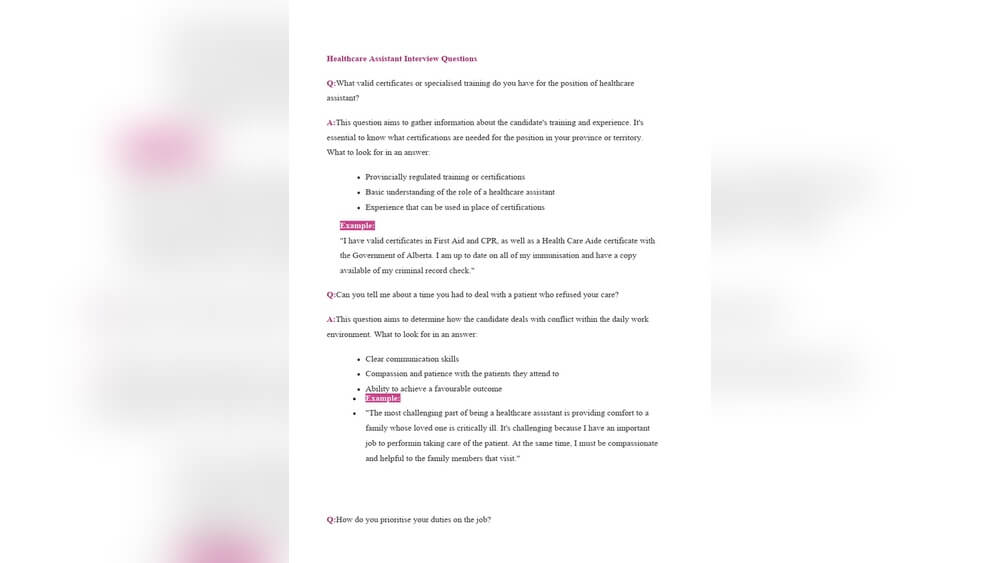
Highlight any relevant training or certifications you hold. This could include CPR, first aid, or specialized PCA courses. Mention how your training helps you provide better care. Employers look for candidates who stay updated on best practices. Show your commitment to learning and professional growth.
Managing Personal Belongings And Medications
Discuss your experience in handling clients’ belongings and medications. Explain how you organize and track medications accurately. Stress the importance of confidentiality and respect for privacy. Describe your approach to avoiding errors and ensuring clients’ comfort.
Credit: www.youtube.com
Behavioral And Situational Questions
Behavioral and situational questions help interviewers understand how candidates act in real work settings. These questions reveal your problem-solving skills, patience, and ability to handle stress. They also show your approach to client care and emergencies. Answering these questions well can set you apart in a Personal Care Assistant interview.
Dealing With Difficult Clients
Handling difficult clients requires calm and patience. Listen carefully to their concerns and show empathy. Use clear and simple language to explain situations. Stay respectful even if the client is upset. Offer solutions or ask for help from supervisors if needed. Your attitude can help build trust and ease tension.
Responding To Medical Emergencies
Medical emergencies need quick and calm action. Describe any training or experience you have in first aid or CPR. Explain how you stay calm under pressure. Emphasize the importance of calling for professional help immediately. Show that you can follow emergency protocols correctly to keep clients safe.
Stress And Burnout Management
Working as a Personal Care Assistant can be stressful. Share how you manage stress daily to avoid burnout. Mention techniques like deep breathing, taking breaks, or talking with coworkers. Highlight your ability to stay focused and positive. Maintaining good mental health helps you provide better care to clients.
Key Skills Employers Look For
Employers seek specific skills in personal care assistants to ensure clients receive high-quality support. These skills help caregivers provide comfort and safety while respecting client needs. Understanding these key skills improves your chances in an interview. Focus on qualities that show you can handle daily challenges with care and professionalism.
Empathy And Compassion
Empathy means understanding the feelings of others. Compassion adds the desire to help and support clients kindly. Employers want assistants who treat clients with warmth and patience. Showing genuine care builds trust and comfort for those receiving care. Examples of empathy in action often impress interviewers.
Communication Abilities
Clear communication is vital for personal care assistants. It helps in explaining tasks and understanding client needs. Listening carefully shows respect and attentiveness. Good communication also involves sharing important information with healthcare teams. Employers value assistants who speak clearly and listen well.
Problem-solving And Adaptability
Daily care often requires quick thinking and flexibility. Problems can arise, such as changes in client health or preferences. Employers want assistants who stay calm and find solutions fast. Being adaptable means adjusting to new routines or unexpected situations smoothly. This skill ensures consistent, safe care.
Respecting Client Autonomy
Clients must feel in control of their care decisions. Respecting autonomy means supporting their choices and independence. Employers look for assistants who encourage self-care and dignity. Helping clients maintain control improves their well-being and satisfaction. This respect is a core part of quality personal care.

Credit: www.scribd.com
Answering Strategies For Success
Answering questions in a Personal Care Assistant interview requires clear and thoughtful strategies. These strategies help you show your skills and fit for the role. Good answers focus on real experiences, care values, and professional behavior. Using simple, structured ways to answer makes a strong impression on interviewers.
Using The Star Method
The STAR method stands for Situation, Task, Action, and Result. It helps you tell stories about your experience clearly. First, describe the situation you faced. Next, explain the task you needed to complete. Then, share the action you took to solve the problem. Finally, tell the result of your actions. This method keeps your answers organized and easy to follow.
Providing Specific Examples
Interviewers want to hear about real moments from your past jobs or training. Give details about what you did and how you helped others. Specific examples show your skills and reliability. Avoid vague answers. Talk about tasks like helping with daily activities or handling emergencies. This approach makes your experience believable and strong.
Highlighting Person-centered Care
Person-centered care means focusing on the individual’s needs and preferences. Show that you respect the client’s choices and treat them with dignity. Explain how you listen and adapt to each person’s situation. Sharing stories about supporting independence and comfort highlights your care values. This makes you stand out as a compassionate assistant.
Demonstrating Professionalism
Professionalism means being respectful, reliable, and honest. Mention your commitment to confidentiality and safety. Talk about managing stress and working well with others. Use examples to show your punctuality and positive attitude. Interviewers look for someone they can trust with vulnerable people. Showing professionalism builds confidence in your abilities.
Preparation Tips For Pca Interviews
Preparing well for a Personal Care Assistant (PCA) interview improves your chances of success. Understanding the employer’s needs and showing your skills clearly can make a strong impression. Focus on key areas before the interview to feel ready and confident.
Researching The Employer
Learn about the company’s mission and values. Check their website and recent news. Know the services they offer and the clients they serve. This helps you tailor your answers to their expectations. Showing this knowledge during the interview shows you are serious.
Practicing Common Questions
Practice answers for typical PCA questions. Prepare for topics like daily tasks, handling emergencies, and working with clients. Use simple examples from your experience. Rehearse speaking clearly and calmly. This reduces nervousness and improves your delivery.
Presenting Yourself Confidently
Dress neatly and arrive on time. Greet the interviewer with a smile and firm handshake. Keep good eye contact and sit up straight. Speak clearly and listen carefully. Confidence shows you are ready to take on the role.
Reviewing Relevant Training
Go over your certifications and skills related to personal care. Be ready to explain how your training helps you assist clients safely. Mention any special courses or first aid knowledge. This proves you have the right preparation for the job.

Credit: www.youtube.com
Frequently Asked Questions
Why Should We Hire You As A Pca?
Hire me as a PCA because I deliver compassionate, reliable care, respect client independence, and handle medical tasks confidently. I prioritize safety, communication, and empathy to improve clients’ quality of life consistently.
What Is Your 3 Strength Best Answer?
My top strengths are empathy, strong communication, and adaptability. I connect well, listen carefully, and adjust quickly to client needs.
What Questions Are Asked In A Care Assistant Interview?
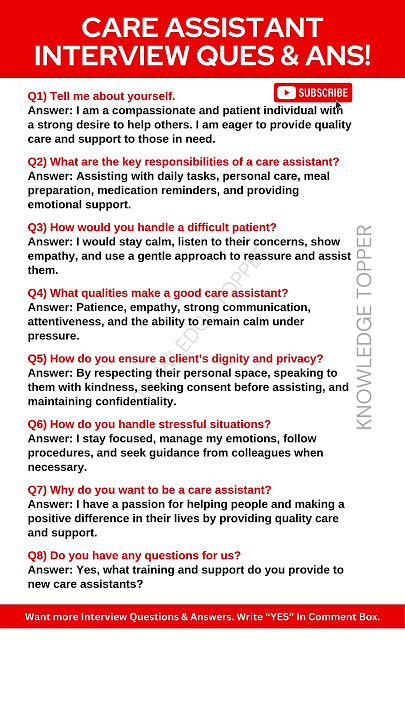
Care assistant interviews ask about experience with daily living activities, handling emergencies, communication skills, empathy, and problem-solving. Expect questions on patient transfers, medication management, confidentiality, stress handling, and motivation for caregiving. Provide examples showing professionalism, respect, and commitment to client safety and independence.
What Are The 3 P’s Of Interviewing?
The 3 P’s of interviewing are Preparation, Practice, and Presentation. Prepare by researching the role. Practice answers to common questions. Present confidently to make a positive impression.
Conclusion
Preparing well for Personal Care Assistant interviews increases your chances of success. Focus on clear, honest answers showing your skills and care. Practice common questions about experience, patience, and problem-solving. Use real examples to explain how you support clients daily.
Stay calm and confident during the interview. This approach helps you connect with employers and stand out. Remember, showing empathy and professionalism matters most. Keep improving your knowledge and skills for every opportunity. Good preparation leads to a rewarding career in personal care assistance.

“As the voice behind Radiant Glow Health, we are dedicated to being your ultimate wellness and vitality companion. Our mission is to inspire and guide you on your journey to a healthier and more vibrant life. Join us as we explore holistic health practices and empower you to radiate wellness from within.”