“Are Personal Care Services Covered by Medicare?”
Are you wondering if Medicare covers personal care services like help with bathing, dressing, or other daily activities? If you or a loved one needs assistance at home, understanding what Medicare pays for can be confusing and stressful.
You deserve clear answers so you can plan the right care without unexpected costs. You’ll discover exactly when Medicare steps in to cover personal care and when it doesn’t—empowering you to make informed decisions about your healthcare and avoid surprises.
Keep reading to find out how Medicare really handles personal care services and what options are available to you.

Credit: www.elderneedslaw.com
Medicare And Personal Care
Medicare provides health coverage for many medical needs. Personal care services, though, have specific rules. Understanding what Medicare covers helps you plan better. This section explains Medicare’s role in personal care services.
Definition Of Personal Care Services
Personal care services help with daily tasks. These include bathing, dressing, eating, and toileting. They assist people who cannot do these activities alone. Such help is vital for seniors and disabled individuals. Personal care services make daily life safer and easier.
Difference Between Skilled And Custodial Care
Skilled care requires medical knowledge and training. Nurses or therapists provide this type of care. Medicare often covers skilled care when it is medically necessary. Custodial care involves help with daily living tasks. It does not require special medical skills. Medicare usually does not cover custodial care. This care includes help with cleaning, cooking, or personal hygiene. Knowing this difference helps you understand Medicare benefits better.
.jpg "Are Personal Care Services Covered by Medicare? Essential Facts Revealed 3")
Credit: www.parxhhc.com
Home Health Aide Coverage
Home health aide coverage is an important part of Medicare’s support for those needing help at home. It focuses on providing personal care through a trained aide. This coverage helps people maintain their independence while recovering or managing a health condition.
Medicare does not cover all personal care services. It pays for home health aides only under specific conditions. The aide’s services must be linked to skilled nursing or therapy care prescribed by a doctor. This ensures the care is medically necessary and not just daily help.
When Medicare Pays In Full
Medicare pays in full for a home health aide when skilled care is required. Skilled care means nursing or therapy services that need professional training. A doctor must certify that these services are necessary. The patient must also be homebound, unable to leave home easily.
If these rules are met, Medicare covers the aide’s personal care services at no cost. The coverage applies to short-term care during recovery or illness. Long-term custodial care is not covered under Medicare.
Services Included Under Home Health Aides
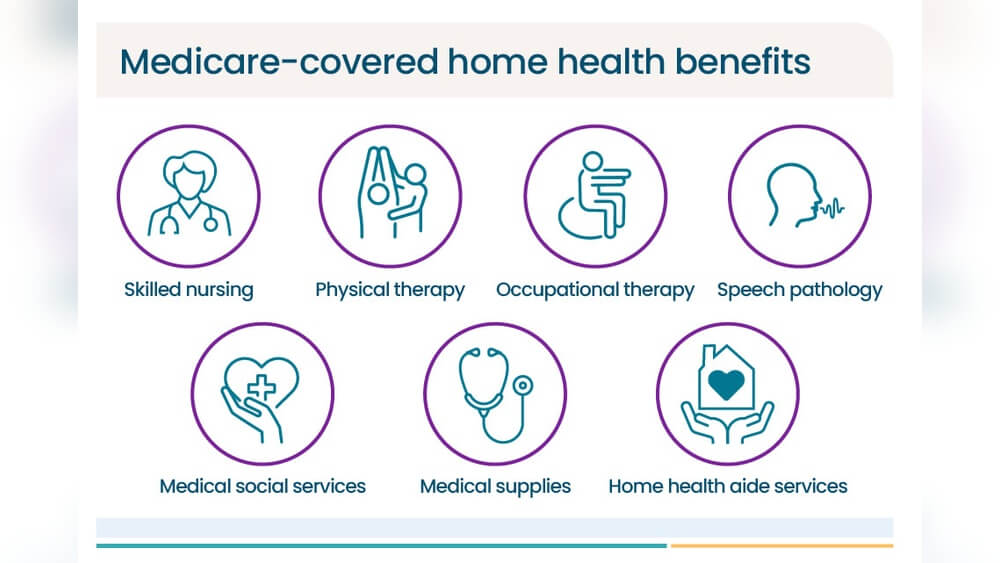
Home health aides provide personal care tasks to support daily living. They assist with bathing, dressing, and toileting. Helping with mobility and light meal preparation may also be included. The aide supports hygiene and comfort but does not provide skilled nursing.
The aide’s work is supervised by a nurse or therapist. This ensures the care fits the patient’s medical needs. Services like housekeeping, shopping, or companionship are not covered by Medicare.
Limits On In-home Care
Medicare provides some coverage for in-home care, but there are clear limits. Understanding these limits can help you plan for personal care needs effectively. Medicare mainly covers care that requires medical skills. Simple personal care services often fall outside coverage.
These restrictions affect how long and what type of in-home care Medicare will pay for. Knowing what Medicare excludes helps avoid unexpected costs. Let’s explore key limits related to custodial and short-term care.
Custodial Care Exclusions
Medicare does not cover custodial care. This care includes help with daily activities like bathing, dressing, and eating. Such services are considered non-medical and personal support. Medicare excludes payment for these services if they are the only care needed.
Care provided by a home health aide falls under custodial care if no skilled nursing or therapy is needed. Medicare covers home health aides only when combined with skilled care. Purely custodial services in the home require other payment sources.
Short-term Care Requirements
Medicare may cover short-term custodial care if medically necessary. A doctor must certify that the patient cannot leave home due to health reasons. Coverage is limited and requires skilled care involvement.
This short-term care often occurs after hospital stays or surgeries. Medicare covers services like skilled nursing and therapy during recovery. Care lasting beyond the medically necessary period usually is not covered.
Understanding these requirements helps set realistic expectations for in-home care coverage. Planning with a healthcare provider ensures appropriate care and financial preparation.
Medicare Coverage Gaps
Medicare offers important health coverage, but it does not cover all personal care services. Many people find gaps in coverage for everyday needs. These gaps can affect long-term care, dental, vision, hearing, and cosmetic procedures. Understanding these limits helps beneficiaries plan better.
Long-term Care Restrictions
Medicare does not cover long-term care or custodial care. This care includes help with daily tasks like bathing and dressing. Medicare only pays for skilled nursing care in specific situations. Usually, this care is short-term and linked to a medical condition. For ongoing personal care, other plans or private pay options are needed.
Dental And Vision Exclusions
Most dental services are not covered by Medicare. This includes cleanings, fillings, and dentures. Routine eye exams and glasses are also excluded. Medicare Advantage plans may offer some dental and vision benefits. Original Medicare rarely pays for these services.
Hearing Aids And Exams
Medicare does not cover hearing aids or exams for fitting them. Hearing loss is common in older adults. Yet, Medicare limits coverage to diagnostic hearing tests only. Beneficiaries must pay out of pocket or use supplemental plans for hearing aids.
Cosmetic Surgery Limitations
Medicare excludes cosmetic surgery unless medically necessary. Procedures done only to improve appearance are not covered. Examples include facelifts and tummy tucks. If surgery treats an injury or illness, Medicare may cover some costs. Most cosmetic procedures require private payment.
Supplemental Options
Medicare often leaves gaps in coverage for personal care services. Many beneficiaries turn to supplemental options to fill these gaps. These plans help cover costs that Original Medicare does not. They provide more flexibility and support for daily living needs.
Supplemental plans can include Medicare Advantage and Medigap policies. Each offers unique benefits for personal care services. Understanding these options helps seniors choose the right plan for their needs.
Medicare Advantage Plans
Medicare Advantage Plans, also called Part C, bundle Medicare Part A and Part B. Many plans include extra benefits not covered by Original Medicare. These can include personal care services, such as help with bathing and dressing.
Some plans offer home health aide services beyond skilled care. Others provide access to adult day care or respite care programs. Coverage varies by plan and location, so checking plan details is important. These plans often have lower out-of-pocket costs for personal care services.
Medigap And Other Supplemental Policies
Medigap policies help cover costs like copayments, coinsurance, and deductibles. They do not typically cover long-term personal care services. However, they reduce financial burdens related to medical care.
Other supplemental policies may target specific needs, such as long-term care insurance. These plans cover custodial care, including assistance with daily activities. They are separate from Medicare and require additional premiums.
Choosing the right supplemental option depends on individual health needs and budget. Comparing coverage and costs can help find the best fit for personal care support.
Common Exclusions Beyond Personal Care
Medicare coverage has clear limits beyond personal care services. Many necessary health-related services fall outside what Medicare pays for. Understanding these common exclusions helps beneficiaries plan better for their healthcare needs. These gaps often require additional insurance or out-of-pocket payments.
Chiropractic And Acupuncture Services
Original Medicare only covers limited chiropractic care. It pays for spinal manipulation to correct a subluxation. Other chiropractic treatments, including acupuncture, are not covered. Acupuncture is generally excluded as Medicare considers it experimental or alternative. Beneficiaries may need supplemental plans to cover these services.
Out-of-country Care
Medicare usually does not cover medical care outside the United States. Emergency care abroad is rarely covered unless under very specific conditions. Travelers should not rely on Medicare for overseas medical expenses. Travel insurance or international health plans are essential for such coverage gaps.
Routine Physicals And Supplies
Medicare covers some preventive services but excludes routine physical exams. Routine physicals not linked to specific screenings or diagnoses are not paid for. Basic medical supplies, like bandages or over-the-counter items, are also excluded. Certain durable medical equipment requires prior approval or falls under limited coverage.
Qualifying For Medicare Personal Care
Qualifying for Medicare personal care involves specific rules and steps. Medicare does not cover all personal care services. It focuses on those services that meet medical need requirements. Understanding these rules helps you know what care Medicare may pay for.
Medical Necessity Criteria
Medicare covers personal care only if it is medically necessary. This means you must need help due to a health condition. The care must support recovery or prevent worsening of your condition. Simple help with daily tasks without medical need is not covered. The care must be part of a treatment plan prescribed by a doctor. Medicare looks for skilled care needs, such as nursing or therapy.
Doctor Certification Process
Your doctor plays a key role in qualifying for personal care. The doctor must certify that the care is medically needed. They write and approve a care plan. This plan details the type and amount of care required. Medicare requires this certification to approve coverage. Without it, Medicare will not pay for personal care services.

Credit: www.comforcare.com
Frequently Asked Questions
Does Medicare Cover Personal Care Services?
Medicare covers personal care services only if provided by a home health aide during skilled care. It doesn’t cover long-term custodial care.
Will Medicare Pay For A Personal Assistant?
Medicare does not cover personal assistants for long-term custodial care. It pays only for skilled home health aide services when medically necessary.
What Are The 5 Things Medicare Does Not Cover?
Medicare does not cover long-term custodial care, most dental care, routine vision (glasses/exams), hearing aids and exams, or cosmetic surgery.
Does Medicare Pay For Personal Care For Seniors?
Medicare covers personal care only during skilled home health care, like nursing or therapy. It doesn’t pay for long-term custodial care.
Conclusion
Medicare covers some personal care services only when skilled care is needed. Routine help with daily activities usually does not qualify for coverage. Many people use Medicare Advantage or supplemental plans to fill these gaps. Knowing what Medicare covers helps you plan your care better.
Always check your specific plan details before making decisions. Personal care support often requires other payment options beyond Medicare. Stay informed to manage your health and finances wisely.

“As the voice behind Radiant Glow Health, we are dedicated to being your ultimate wellness and vitality companion. Our mission is to inspire and guide you on your journey to a healthier and more vibrant life. Join us as we explore holistic health practices and empower you to radiate wellness from within.”