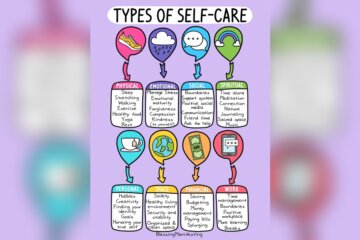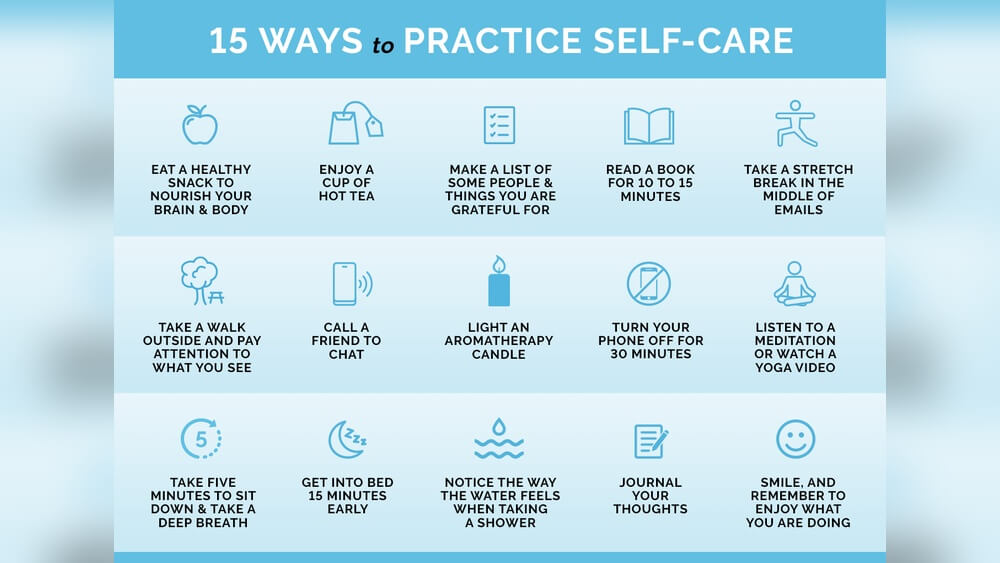
You might be wondering, how often should I do self-care to truly feel balanced and refreshed? It’s easy to think self-care is a luxury or something to fit in when you have spare time.
But the truth is, regular self-care is key to staying strong, focused, and happy. The question isn’t just about how often you should do it—it’s about making self-care a meaningful part of your life that meets your unique needs. Keep reading, and you’ll discover simple ways to create a self-care routine that fits your schedule and boosts your well-being every day, week, and month.
Your mind and body will thank you.
Daily Self-care Habits
Daily self-care habits build a strong foundation for well-being. Small, consistent actions improve health and mood. These habits help manage stress and keep energy levels steady. A daily routine makes self-care a natural part of life. Below are key areas to focus on every day.
Physical Health Routines
Move your body with simple exercises like walking or stretching. Drink enough water to stay hydrated throughout the day. Eat balanced meals with fruits, vegetables, and protein. Prioritize sleep by setting a regular bedtime and wake time. These habits keep your body strong and ready for daily tasks.
Mental Clarity Practices
Take short breaks to clear your mind during work or study. Practice deep breathing or meditation to reduce stress quickly. Write down your thoughts in a journal to organize ideas and feelings. Limit distractions like phone notifications to focus better. These small actions sharpen your mental focus every day.
Emotional Check-ins
Pause to notice how you feel at different times in the day. Name your emotions to understand them better and reduce their power. Speak kindly to yourself, offering support and encouragement. Share feelings with a trusted friend or family member when needed. These check-ins boost emotional health and self-awareness daily.
Weekly Wellness Activities
Weekly wellness activities form a key part of maintaining a balanced self-care routine. They help refresh your mind and body, preparing you for the week ahead. Setting aside time each week for these activities can improve your mood and reduce stress. These moments of care create a strong foundation for long-term well-being.
Social Connections
Spending time with friends or family boosts your happiness. Talking and sharing your thoughts lowers feelings of loneliness. Try to schedule a weekly meet-up or call. Even short interactions can strengthen your emotional health. Positive social connections increase your sense of belonging and support.
Creative Outlets
Engaging in creative activities offers a healthy escape. Drawing, writing, or crafting can calm your mind. These outlets let you express emotions without words. Set a weekly time to explore creativity. Regular practice improves focus and lifts your spirits.
Stress Management Techniques
Weekly stress relief helps keep anxiety in check. Techniques like deep breathing or meditation promote calmness. Physical activities such as yoga or walking also ease tension. Find a method that fits your lifestyle and practice it weekly. Managing stress regularly prevents burnout and enhances resilience.
Monthly Self-care Goals
Setting monthly self-care goals helps maintain balance and prevent burnout. It creates space to grow and stay healthy over time. Monthly goals focus on bigger changes, not daily habits. This allows time to notice progress and make adjustments.
Personal Growth Milestones
Monthly goals should include personal growth milestones. These are small steps toward improving skills or habits. Examples include reading a new book, learning a new hobby, or practicing mindfulness. Tracking these milestones boosts motivation and confidence.
Health Assessments
Use monthly self-care to check on physical and mental health. Measure weight, energy levels, or mood changes. Notice any new symptoms or stress signs. Regular assessments help catch problems early and guide healthy choices.
Reflection And Adjustment
Take time each month to reflect on your self-care routine. Ask what worked well and what needs change. Adjust goals to fit your current needs and lifestyle. Reflection keeps self-care relevant and effective.
-min.jpg "How Often Should I Do Self Care: Ultimate Guide for Lasting Wellness 2")
Credit: www.houseofnails.co.nz
Yearly Wellness Reviews
Yearly wellness reviews give you a clear snapshot of your overall health and habits. They help you pause and reflect on how well your self-care routines are working. This yearly check-in allows you to see patterns and make thoughtful changes for better well-being. Taking time once a year to review your progress supports long-term growth.
Long-term Habit Evaluation
Review your daily and weekly self-care habits from the past year. Notice which habits helped you feel your best. Also, identify any patterns that caused stress or fatigue. This evaluation shows what to keep and what to adjust. It helps you focus on habits that truly support your health.
Setting New Intentions
Use your yearly review to set new self-care goals for the next year. Choose small, clear intentions that are easy to follow. This might include adding more rest days or trying new relaxation techniques. Setting fresh goals keeps your routine interesting and effective. Clear intentions guide you toward better wellness.
Celebrating Progress
Take time to celebrate the progress you made in self-care. Recognize even the small wins like better sleep or less stress. Celebrating boosts your motivation to continue healthy habits. It also builds a positive mindset around self-care. Acknowledge your growth and reward yourself kindly.
Balancing The Five C’s
Balancing the Five C’s offers a clear path to effective self-care. These C’s guide how often and in what way you should care for yourself. They cover key qualities that build resilience and well-being. By focusing on these areas, self-care becomes more meaningful and sustainable.
Competence And Confidence
Competence means feeling skilled in your daily tasks. Regular self-care helps improve your abilities. Confidence grows when you see progress in your skills. Practice small tasks often to build both competence and confidence. This balance reduces stress and boosts motivation. Set realistic goals and celebrate each success.
Compassion And Caring
Self-care requires compassion towards yourself and others. Show kindness when you feel tired or overwhelmed. Caring means listening to your needs without judgment. Practice compassion daily through simple acts like rest or positive self-talk. This helps reduce negative thoughts and emotional fatigue. Caring for others also renews your energy and purpose.
Clarity And Courage
Clarity comes from understanding your thoughts and feelings. Take time each day to reflect quietly or journal. Courage means facing challenges despite fear or uncertainty. Self-care builds courage by strengthening your mind and spirit. Balance clarity and courage by setting clear intentions and taking small brave steps. This keeps you moving forward in tough times.
Credit: thedepressionproject.com
Tailoring Self-care To Your Needs
Self-care is not one-size-fits-all. Tailoring self-care to your needs helps you stay balanced and healthy. Your body, mind, and spirit all require different kinds of care. Understanding your unique needs guides how often and what type of self-care you should do.
Physical And Mental Health
Physical health needs daily attention. Simple actions like stretching, walking, or sleeping well support your body. Mental health also needs care every day. Quiet moments, deep breathing, or short breaks help reduce stress. Weekly activities like exercise classes or therapy sessions boost both physical and mental well-being.
Emotional And Social Wellness
Emotional health requires regular check-ins. Journaling or talking to a friend can help you process feelings. Social wellness means connecting with others often. Spending time with family or friends nourishes your spirit. Plan social activities weekly or monthly to maintain strong relationships.
Spiritual And Environmental Care
Spiritual care varies for each person. Meditation, prayer, or reflection can bring peace and clarity. Connect with your beliefs or nature regularly. Your environment also affects your well-being. Keep your space clean and organized. Refresh your surroundings monthly or seasonally to create calm and comfort.
Creating Sustainable Routines
Creating sustainable routines is key to effective self-care. Routines help make self-care a natural part of daily life. They prevent burnout and keep you balanced. Sustainable routines fit your lifestyle and needs without adding stress.
Building these routines takes time and small steps. The goal is to keep self-care simple and enjoyable. This way, you are more likely to stick with it over time. Let’s explore how consistency, creativity, and resilience shape these routines.
Consistency And Choice
Consistency is the heart of any routine. Regular self-care builds habits that support well-being. Choose activities that feel right for you. This personal choice makes routines more meaningful. Small, daily actions add up to big benefits. Even five minutes can make a difference. Keep your routine simple to maintain it easily.
Incorporating Creativity
Creativity keeps self-care fresh and exciting. Change your activities to avoid boredom. Try new hobbies, like drawing or journaling. Mix movement with relaxation, such as yoga or walking. Creative self-care feeds your mind and soul. It helps you stay motivated and engaged.
Building Resilience
Resilience strengthens your ability to handle stress. Self-care routines build mental and emotional strength. They help you recover from tough times faster. Include practices like mindfulness or deep breathing. Resilience grows when you care for yourself regularly. It prepares you to face life’s challenges calmly.
Overcoming Common Barriers
Many people face challenges that block regular self-care. These obstacles can stop you from taking time for yourself. Understanding common barriers helps you find simple ways to keep self-care in your routine. This section covers key struggles and how to handle them.
Time Constraints
Busy schedules make self-care feel impossible. Work, family, and chores fill every hour. Try small changes like short breaks or quick walks. Even five minutes can refresh your mind. Plan self-care as a daily habit, not a big task. Use reminders to keep on track. Prioritize your well-being like any important appointment.
Motivation Fluctuations
Energy for self-care can rise and fall. Some days you feel ready, other days not. Start with easy actions that need little effort. Focus on how good self-care makes you feel. Write down reasons why self-care matters. Reward yourself for small successes. Share goals with a friend for support. Keep trying even if motivation dips.
Managing Stress And Burnout
Stress and burnout drain your will to care for yourself. They cloud your mind and tire your body. Recognize early signs like irritability or tiredness. Use calming techniques like deep breathing or stretching. Set limits on work and screen time. Rest is not lazy; it helps you recharge. Seek help if stress feels too much. Self-care protects you from burnout’s harm.
Tracking Progress And Staying Motivated
Tracking progress and staying motivated are key to maintaining a successful self-care routine. Regularly checking your growth helps you see what works and what needs change. Motivation boosts your commitment and makes self-care a habit rather than a chore. Small wins encourage you to keep going. Setting clear goals and noticing improvements can keep your energy high.
Journaling And Reflection
Writing in a journal helps you track daily self-care activities. It lets you express feelings and thoughts clearly. Reflecting on your entries shows patterns in your mood and habits. This awareness guides you to adjust your routine. Simple notes about what made you feel good or stressed help you plan better days. Journaling creates a record of your journey, making progress visible.
Using Technology And Apps
Apps designed for self-care can remind you to pause and recharge. They often include features to log your mood, sleep, and exercise. Technology makes tracking easy and fun. Some apps offer guided meditation or breathing exercises to reduce stress. Using a digital tool can give instant feedback and tips. This support keeps your routine fresh and engaging.
Seeking Support And Accountability
Sharing your self-care goals with friends or family builds support. They can encourage you and celebrate your success. Accountability partners help you stay on track during tough times. Joining groups or communities with similar goals offers motivation and advice. Talking about your progress makes self-care feel less lonely. Support strengthens your commitment and makes the process enjoyable.
Credit: www.wavehealth.app
Frequently Asked Questions
How Often Should Someone Do Self-care?
Practice self-care daily with simple activities, and include deeper routines weekly, monthly, or yearly to support overall well-being.
What Are The 5 C’s Of Self-care?
The 5 C’s of self-care are Connection, Compassion, Coping, Control, and Clarity. They promote mental well-being and resilience.
What Is A Good Self-care Routine?
A good self-care routine includes healthy eating, regular exercise, quality sleep, hydration, mindfulness, social connection, and setting personal goals. Practice gratitude, relax daily, and prioritize mental and emotional well-being for balanced health.
What Are The 7 Pillars Of Self-care?
The 7 pillars of self-care include physical, mental, emotional, social, spiritual, environmental, and recreational care. Each supports overall well-being.
Conclusion
Self-care is a personal journey that changes with your needs. Daily small acts help keep your mind and body healthy. Weekly or monthly activities offer deeper relaxation and growth. Listen to your feelings and adjust your routine as needed. Consistency matters more than perfection in self-care habits.
Making self-care a regular part of life boosts your well-being. Take time often to recharge and feel your best.

“As the voice behind Radiant Glow Health, we are dedicated to being your ultimate wellness and vitality companion. Our mission is to inspire and guide you on your journey to a healthier and more vibrant life. Join us as we explore holistic health practices and empower you to radiate wellness from within.”