Feeling overwhelmed by daily pressures? Managing your stress isn’t just about feeling better in the moment—it can transform your entire life.
When you learn how to control stress, you unlock clearer thinking, better health, and more energy for what truly matters. Imagine having simple tools at your fingertips to handle tough situations calmly and confidently. You’ll discover key benefits of stress management that can improve your mood, boost your productivity, and strengthen your relationships.
Keep reading to find out how taking charge of your stress can lead to a happier, healthier you.
Benefits Of Stress Management
Managing stress has many positive effects on daily life. It helps keep the mind calm and the body healthy. Stress management is not just about feeling better. It improves many parts of your life and work.
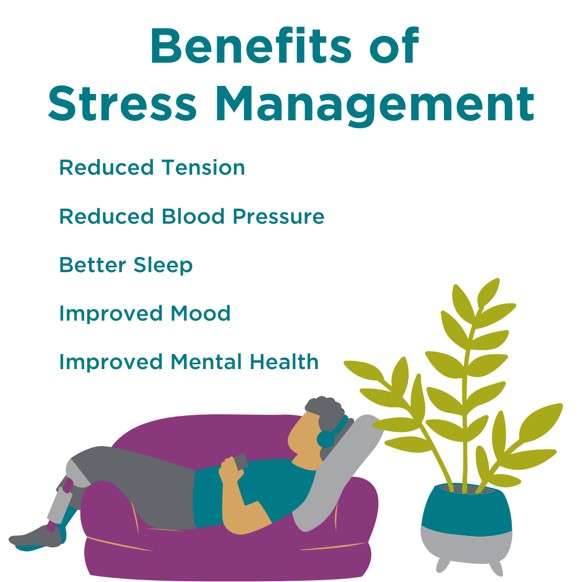
Improved Mental Health
Stress management reduces anxiety and worry. It helps clear your mind and improve focus. You feel calmer and more relaxed. This lowers the risk of depression and burnout. Better mental health means better decision-making and problem-solving.
Enhanced Physical Health
Stress affects your body in many ways. Managing stress lowers blood pressure and heart rate. It reduces headaches, muscle tension, and fatigue. You sleep better and have more energy. A healthy body supports a healthy mind.
Better Emotional Balance
Stress management helps control strong emotions. You react less to anger and frustration. It builds patience and kindness towards yourself and others. Emotional balance improves your mood every day. Life feels more stable and peaceful.
Increased Productivity
When stress is low, concentration improves. You complete tasks faster and with more care. Stress management helps you stay organized and focused. It reduces mistakes and missed deadlines. Productivity grows, making work less stressful.
Stronger Relationships
Stress often causes conflicts and misunderstandings. Managing stress helps you communicate clearly. You listen better and show more empathy. Relationships with family, friends, and coworkers improve. Strong bonds support your well-being and happiness.
Immediate Stress Relief Techniques
Immediate stress relief techniques help calm your mind and body fast. These simple actions reduce tension and clear your thoughts. Use them anytime stress starts to build. They fit easily into daily routines and improve well-being quickly.
Deep Breathing And Meditation
Deep breathing slows your heart rate and lowers stress hormones. Breathe in slowly through your nose, hold for a few seconds, then breathe out gently through your mouth. Repeat several times. Meditation helps focus your mind and relax your body. Try guided meditation apps or quiet sitting with eyes closed to ease tension.
Short Walks And Movement
Moving your body releases feel-good chemicals called endorphins. Take a short walk outside or stretch your muscles to reduce stress. Even a few minutes of light exercise improves mood and clears your head. Movement breaks help break the cycle of stress and refresh your energy.
Engaging The Senses
Focus on your senses to shift attention from stress. Listen to calming music or sounds of nature. Touch something soft or warm, like a cozy blanket or a hand massage. Smell soothing scents such as lavender or peppermint. These sensory experiences ground you in the present moment and ease anxiety.
Practicing Gratitude
Gratitude changes how you see your situation. Write down three things you feel thankful for daily. This simple habit reduces negative thoughts and increases positive feelings. Thinking about good things helps balance stress and creates a more hopeful outlook.
Long-term Lifestyle Changes
Long-term lifestyle changes play a vital role in managing stress effectively. These changes help the body and mind adapt to daily pressures. Over time, they build resilience and improve overall health. Simple habits can create lasting benefits. Healthy routines become natural and reduce stress naturally.
Regular Exercise
Exercise reduces stress hormones like cortisol and adrenaline. It also triggers the release of endorphins, natural mood boosters. Physical activity improves energy and helps clear the mind. Walking, jogging, or cycling for 30 minutes daily can make a big difference. Exercise also improves sleep quality and reduces anxiety symptoms.
Balanced Nutrition
Eating balanced meals supports brain health and energy levels. Nutrient-rich foods stabilize blood sugar, which affects mood. Avoiding too much caffeine and sugar prevents mood swings. Fresh fruits, vegetables, whole grains, and lean proteins are best. Drinking enough water helps keep the body and mind calm.
Mindfulness And Yoga
Mindfulness teaches awareness of the present moment without judgment. Yoga combines movement, breathing, and meditation to calm the nervous system. Both practices reduce stress and improve focus. Regular practice helps control emotional reactions to stress. These techniques also increase self-awareness and promote relaxation.
Adequate Sleep
Sleep restores the body and mind after daily stress. Lack of sleep increases irritability and lowers concentration. Adults need 7 to 9 hours of quality sleep each night. Creating a bedtime routine and avoiding screens before sleep help. Good sleep supports emotional balance and reduces stress sensitivity.

Credit: study.com
Time And Boundary Management
Managing your time and setting clear boundaries can reduce stress significantly. It helps to control your workload and personal life. This balance prevents feeling overwhelmed and allows more focus on what matters most. Simple changes in how you manage your day can bring peace and better health.
Prioritizing Tasks
Focus on important tasks first. Use a list to organize your day. Break big jobs into smaller steps. This method reduces stress by making work feel easier. Completing tasks one by one gives a sense of control and achievement.
Setting Realistic Goals
Create goals that you can reach. Avoid aiming too high or too low. Realistic goals keep you motivated and reduce pressure. They help you track progress without feeling discouraged. Adjust your goals as needed to stay on track.
Learning To Say No
Say no to requests that overload you. Protect your time by setting limits. Saying no is a skill that reduces stress. It allows you to focus on your priorities. People will respect your honesty and boundaries.
Limiting Digital Exposure
Take breaks from phones and computers. Too much screen time increases stress and fatigue. Set specific times to check emails and social media. Use offline moments to relax and recharge. This habit improves focus and lowers anxiety.
Building Social Support
Building social support plays a crucial role in managing stress effectively. Having a network of people to share feelings and experiences with can lighten emotional burdens. Social connections offer comfort, advice, and practical help during difficult times.
Strong social support helps reduce feelings of isolation and increases feelings of belonging. It boosts self-esteem and helps maintain a positive outlook. Engaging with others also encourages healthy habits and provides motivation to cope better with stress.
Connecting With Friends And Family
Friends and family are often the first line of support in stressful moments. Spending time with loved ones creates a safe space to express worries and feelings. These connections help release tension and bring emotional relief.
Simple activities like talking on the phone, sharing meals, or going for walks strengthen bonds. Regular contact with close people makes it easier to handle stress and improves overall well-being.
Joining Support Groups
Support groups bring together people facing similar challenges. These groups offer understanding and shared experiences that reduce loneliness. Listening to others can provide new perspectives and coping ideas.
Joining a group helps build friendships outside your immediate circle. It also creates a sense of community and encouragement. Many find comfort knowing they are not alone in their struggles.
Open Communication
Expressing your thoughts and feelings clearly is key to building social support. Open communication helps others understand your needs better. It prevents misunderstandings and strengthens relationships.
Being honest about stress allows friends and family to offer timely help. Active listening in return fosters trust and deeper connections. Clear communication creates a supportive environment that eases stress.

Credit: drummondeducation.com
Adapting To Stressors
Adapting to stressors is a crucial part of managing stress effectively. It means learning to handle situations that cause stress without letting them overwhelm you. This skill helps you stay calm and focused, even when life gets tough. By adapting, you reduce the impact of stress on your mind and body.
Avoiding Unnecessary Stress
Some stress comes from situations you can avoid. Saying no to extra work or skipping events that cause anxiety helps. Avoiding gossip or negative people also protects your peace. Choosing your battles wisely means less stress overall. This approach gives you more control over your daily life.
Altering Stressful Situations
Changing stressful situations can lower your tension. Talk clearly with others to solve problems quickly. Organize your tasks to prevent last-minute rushes. Ask for help when things get too hard. Small changes in how you act or plan can make big differences. This strategy helps you feel more prepared and less stressed.
Accepting Unchangeable Factors
Some stress comes from things you cannot change. Accepting these facts helps you stop fighting what is out of your control. Focus on what you can do instead. Practice calm breathing or positive thoughts to ease worry. Acceptance brings peace and saves energy for better challenges. It teaches patience and inner strength.
Self-care And Relaxation
Self-care and relaxation play a vital role in managing stress effectively. Taking time to care for yourself helps calm the mind and body. Relaxation techniques reduce tension and promote a sense of peace. These practices improve overall well-being and make it easier to handle daily pressures.
Engaging In Hobbies
Hobbies offer a fun way to relax and take a break from stress. Activities like painting, reading, or gardening keep the mind busy and joyful. They help shift focus away from worries and create a sense of accomplishment. Regularly enjoying hobbies can lower anxiety and improve mood.
Spending Time In Nature
Being outdoors refreshes the mind and body. Nature walks or sitting in a park provide fresh air and quiet surroundings. This calm environment helps reduce stress hormones and clears mental clutter. Spending time in green spaces boosts energy and promotes relaxation.
Using Guided Meditation And Visualization
Guided meditation uses spoken instructions to help focus the mind. Visualization techniques involve imagining peaceful scenes or positive outcomes. Both methods ease tension and increase mindfulness. Practicing these regularly improves emotional balance and lowers stress levels.
Credit: shac.unm.edu
Frequently Asked Questions
What Are Some Good Stress Management Techniques?
Good stress management techniques include deep breathing, short walks, meditation, regular exercise, healthy eating, sufficient sleep, time management, setting boundaries, and maintaining social connections. Practicing mindfulness, saying “no,” and engaging in hobbies also help reduce stress effectively.
What Are The 4 A’s Of Stress Management?
The 4 A’s of stress management are: Avoid unnecessary stress, Alter the situation, Adapt to the stressor, and Accept what you can’t change.
Which Of The Following Is A Benefit Of Stress Management?
Stress management improves mental clarity, boosts energy, enhances mood, and strengthens immune function. It reduces anxiety and promotes overall well-being.
What Is The Importance Of Managing Stress Effectively?
Managing stress effectively improves mental clarity, boosts physical health, enhances productivity, and strengthens emotional resilience. It reduces anxiety, prevents burnout, and promotes overall well-being, enabling better decision-making and healthier relationships. Consistent stress management supports a balanced, fulfilling life.
Conclusion
Managing stress brings many benefits to your daily life. It improves your mood and helps you think clearly. Your body feels healthier and more energetic. You can sleep better and handle problems calmly. Strong relationships grow when stress stays low.
Simple habits like exercise and deep breathing work well. Small changes add up to big improvements over time. Taking care of stress helps you enjoy life more. Try different methods and find what fits you best. Stress management is a smart step toward a happier, healthier you.

“As the voice behind Radiant Glow Health, we are dedicated to being your ultimate wellness and vitality companion. Our mission is to inspire and guide you on your journey to a healthier and more vibrant life. Join us as we explore holistic health practices and empower you to radiate wellness from within.”