Are you ready to feel better, boost your energy, and take control of your health? Simple changes in your daily routine can make a huge difference.
Whether you want to eat healthier, manage stress, or stay active, the tips and tricks you’ll find here are designed just for you. Imagine waking up refreshed, staying focused, and enjoying life more fully—all by making small, easy adjustments. Keep reading to discover practical steps that fit your lifestyle and help you build lasting wellness from the inside out.
Your journey to a healthier, happier you starts now.
Nutritious Eating
Eating nutritious food supports your body and mind every day. It helps you stay strong, focused, and full of energy. Choosing the right foods can improve your mood and protect you from illnesses. Small changes in your diet can make a big difference over time.
Fruits And Vegetables
Fruits and vegetables provide vitamins, minerals, and fiber. They help your digestion and keep your immune system strong. Try to eat a variety of colors to get different nutrients. Fresh, frozen, or canned options all work well. Aim for at least five servings each day.
Whole Grains And Lean Proteins
Whole grains like brown rice, oats, and whole wheat bread give you energy. They keep you full longer and support heart health. Lean proteins include chicken, fish, beans, and tofu. These help build muscles and repair tissues. Choose these over processed meats for better health.
Reducing Sugar And Unhealthy Fats
Cutting back on sugar helps control weight and prevent diabetes. Avoid sugary drinks, sweets, and snacks. Unhealthy fats, like trans fats and some saturated fats, raise bad cholesterol. Use healthy fats from nuts, seeds, and olive oil instead. Reading food labels can help you spot hidden sugars and bad fats.
Hydration Habits
Hydration habits are key to good health and wellness. Drinking enough water helps the body work properly. Many people forget to drink water regularly. Simple habits can improve hydration every day.
Daily Water Intake
Adults should drink about eight 8-ounce glasses of water daily. This equals around 2 liters or half a gallon. Some people need more water based on their activity and climate. Drinking water regularly throughout the day is best. Carry a water bottle to remind yourself to drink. Drinking water with meals also helps maintain hydration.
Benefits Of Staying Hydrated
Water supports many body functions. It helps regulate temperature and keeps skin healthy. Staying hydrated improves digestion and prevents constipation. Water also helps the body flush out toxins. Proper hydration increases energy and reduces fatigue. It supports brain function and improves focus. Drinking enough water can reduce headaches caused by dehydration.
Exercise Routine
Creating a consistent exercise routine is key to improving your health and wellness. Exercise boosts energy, strengthens muscles, and supports mental clarity. A well-balanced routine fits easily into daily life and keeps motivation high.
Types Of Physical Activities
Choose exercises that match your interests and fitness level. Walking, jogging, and cycling are excellent for heart health. Strength training builds muscle and improves metabolism. Yoga and stretching increase flexibility and reduce stress. Mixing different activities prevents boredom and works various muscle groups.
Incorporating Movement Daily
Small changes add up to big benefits. Take stairs instead of elevators. Walk or bike for short trips. Stand and stretch during breaks. Set reminders to move every hour. Find simple ways to stay active at home or work. Consistency matters more than intensity.
Credit: hsi.com
Sleep Quality
Good sleep is vital for health and wellness. It helps the body heal and the mind rest. Quality sleep supports strong immunity and better mood. Many people struggle with sleep but simple habits can improve it. Focus on routines that prepare your body and mind for rest. Understanding how rest affects vitality motivates better sleep choices.
Establishing Bedtime Habits
Create a consistent bedtime and wake-up time. This helps regulate your body’s internal clock. Avoid screens and bright lights one hour before bed. Try calming activities like reading or gentle stretching. Keep your bedroom cool, dark, and quiet for comfort. Limit caffeine and heavy meals close to bedtime. These steps signal your body to relax and prepare for sleep.
Effects Of Rest On Vitality
Rest restores energy and sharpens focus. It improves memory and supports learning. Good sleep balances hormones that control hunger and stress. Without enough rest, the body feels tired and weak. Poor sleep can increase the risk of illness. Regular quality sleep boosts mood and overall well-being. Feeling refreshed after sleep helps you stay active and alert throughout the day.
Stress Management
Stress affects both mind and body. Managing stress improves health and wellness. Simple habits help reduce tension and boost calmness. Learning effective stress management can lead to a happier life.
Relaxation Techniques
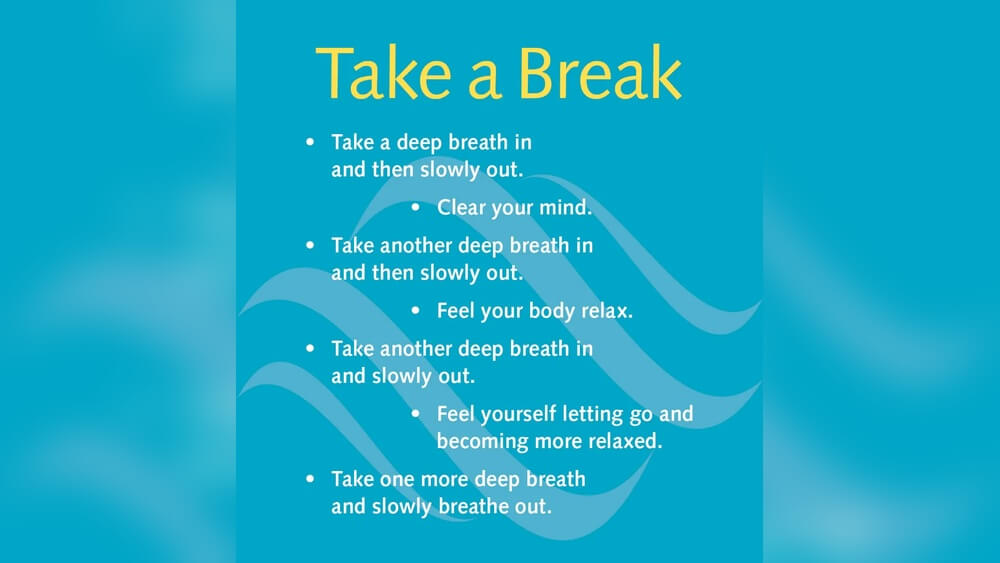
Relaxation lowers stress hormones and clears the mind. Deep breathing is an easy way to calm nerves. Breathe in slowly through the nose, hold, then breathe out through the mouth. Repeat for several minutes to feel relaxed.
Meditation helps focus thoughts and reduce anxiety. Sit quietly, close eyes, and focus on breathing or a word. Let distracting thoughts pass without judgment. Try short sessions daily to build calmness.
Progressive muscle relaxation works by tensing then releasing muscles. Start from toes and move upward. This practice eases physical tension and promotes peace.
Building Emotional Resilience
Emotional resilience is the ability to bounce back from difficulties. It helps handle stress without feeling overwhelmed. Practice positive self-talk to change negative thoughts.
Keep a journal to express feelings and reflect on challenges. This increases self-awareness and control. Developing strong social connections offers support during tough times.
Regular physical activity also strengthens resilience. Exercise releases feel-good chemicals and clears the mind. Focus on small, daily actions to build lasting strength.
Avoiding Harmful Habits
Avoiding harmful habits plays a key role in maintaining good health and wellness. Habits such as smoking and excessive drinking damage the body and mind over time. Changing these behaviors can improve your quality of life and increase your energy levels. Focus on small steps to reduce risks and build healthier routines.
Quitting Smoking
Smoking harms nearly every organ in the body. It causes lung disease, heart problems, and many cancers. Quitting smoking lowers these risks and improves lung function. Many people find it hard to quit but using support groups, counseling, or nicotine replacement helps. Each smoke-free day brings your body closer to healing.
Start by setting a quit date and removing cigarettes from your home. Avoid places and people that encourage smoking. Replace the habit with healthy activities like walking or deep breathing. Celebrate small victories to stay motivated and focused on your goal.
Moderating Alcohol Intake
Drinking too much alcohol strains the liver and weakens the immune system. It can lead to addiction, accidents, and long-term health issues. Moderation is key for those who choose to drink. Limit your intake to one drink per day for women and two for men.
Track your drinks and avoid binge drinking. Drink water between alcoholic beverages to stay hydrated. Find social activities that do not revolve around alcohol. Learning to say no helps maintain control and supports overall wellness.
Hygiene Practices
Good hygiene practices play a key role in maintaining health and wellness. Cleanliness helps reduce the spread of germs and illnesses. Simple daily habits protect the body and improve overall well-being.
Consistent hygiene routines create a safer environment at home and work. These steps support a strong immune system and reduce infection risks.
Handwashing Tips
Wash hands with soap and water for at least 20 seconds. Clean all parts including palms, backs, fingers, and under nails. Use warm water for better cleaning. Avoid touching your face with unwashed hands. Carry hand sanitizer with at least 60% alcohol for times without water. Wash hands before eating and after using the restroom. Regular handwashing stops germs from spreading to others.
Preventing Infections
Keep personal items like towels and razors separate. Cover your mouth and nose with a tissue or elbow when coughing or sneezing. Dispose of tissues properly and wash hands right away. Clean and disinfect frequently touched surfaces daily. Avoid close contact with sick people. Stay home when feeling ill to prevent spreading infections. Proper hygiene lowers the chance of catching or passing on diseases.
Social Connections
Social connections play a vital role in health and wellness. Strong bonds with others can improve mood, reduce stress, and boost overall well-being. These connections create a support system that encourages healthy habits and positive thinking.
Feeling connected helps fight loneliness and promotes mental clarity. It also encourages physical activity and healthy choices. Social support often leads to longer, happier lives.
Maintaining Relationships
Keep in touch with family and friends regularly. Simple messages or calls can strengthen bonds. Show interest in their lives and share your feelings too. This builds trust and mutual support.
Spend quality time together, even if it is short. Listening carefully and being present matters most. Avoid distractions during conversations to deepen connections. Respect and kindness keep relationships healthy.
Community Engagement
Join local groups or clubs that match your interests. Volunteering helps create a sense of purpose and belonging. Meeting new people broadens your social circle and outlook.
Participate in community events or activities to stay active. These moments provide joy and improve emotional health. Helping others also brings satisfaction and reduces stress.
Mental Stimulation
Mental stimulation plays a key role in maintaining overall health. It helps keep the brain active and sharp. Challenging the mind can improve memory and focus. It also supports emotional well-being and reduces the risk of cognitive decline.
Keeping the brain engaged is simple and fun. Small daily activities can make a big difference. Learning new things and enjoying hobbies can both boost mental strength. Here are some effective ways to stimulate your mind.
Learning New Skills
Learning new skills challenges your brain to adapt and grow. It creates new connections between brain cells. This process improves thinking speed and problem-solving ability.
Try picking up a new language, cooking style, or musical instrument. Online courses and tutorials make learning easy and accessible. Set small goals to stay motivated and track progress.
Engaging Hobbies
Hobbies provide enjoyable ways to keep your mind busy. Activities like puzzles, painting, or gardening require focus and creativity. These hobbies reduce stress and boost mood.
Join clubs or groups to combine hobbies with social interaction. This adds another layer of mental stimulation. Regularly exploring new hobbies keeps your brain flexible and healthy.
Health Screenings
Health screenings play a vital role in maintaining overall wellness. They help detect health issues early before symptoms appear. Early detection improves treatment success and quality of life.
Scheduling regular health screenings keeps you informed about your body’s condition. It encourages proactive care rather than waiting for problems to arise. Simple tests and checkups can prevent serious complications.
Routine Checkups
Routine checkups are essential for ongoing health monitoring. These visits allow doctors to review your medical history and update vital signs. Blood pressure, weight, and heart rate are commonly checked.
During checkups, doctors may spot early signs of diseases like diabetes or hypertension. Discuss lifestyle habits and any health concerns openly with your provider. This helps create a personalized health plan.
Vaccinations And Tests
Vaccinations protect against infectious diseases and strengthen your immune system. Common vaccines include flu shots, tetanus, and pneumonia vaccines. Staying up to date reduces the risk of illness.
Health screenings also include tests for cholesterol, blood sugar, and cancer markers. These tests provide insight into your risk factors. Early treatment often leads to better outcomes and fewer complications.
Setting Wellness Goals
Setting wellness goals helps create a clear path to better health. Goals give you focus and motivation. They break down big changes into small, doable steps. This makes improving health less overwhelming and more achievable.
Wellness goals should be simple and realistic. Choose targets that fit your lifestyle and needs. This keeps you encouraged and less likely to quit. Setting specific goals also helps measure success. Celebrate progress to stay motivated on your journey.
Family Challenges
Involving family creates support and fun in wellness efforts. Try simple challenges everyone can join. For example, a daily step count contest or a healthy cooking night. Family challenges build teamwork and healthy habits.
Encourage each member to set personal goals. Share achievements to inspire each other. This creates a positive environment for lasting change. Family challenges make wellness a shared adventure instead of a solo task.
Tracking Progress
Tracking progress shows how far you have come. Use tools like apps, journals, or charts. Record daily activities, meals, or sleep hours. Tracking helps spot patterns and areas needing improvement.
Regular reviews keep goals relevant and realistic. Adjust plans based on progress and challenges. Seeing growth, even small, boosts confidence and keeps motivation high. Tracking progress turns goals into clear, actionable steps.
Making Wellness Fun
Wellness doesn’t have to be dull or boring. Making wellness fun helps keep motivation high. Enjoying healthy habits makes it easier to stick with them. Simple activities can bring joy while boosting health. Here are some enjoyable ways to add fun to your wellness routine.
Active Games
Active games turn exercise into play. They keep your body moving without feeling like work. Examples include tag, hopscotch, or dance challenges. These games improve fitness and coordination. Playing with friends or family creates positive energy. You can try outdoor games like frisbee or indoor ones like balloon volleyball. This approach helps burn calories and reduce stress.
Healthy Cooking Together
Cooking healthy meals can be a fun group activity. Preparing food together encourages trying new recipes and ingredients. Everyone can help wash, chop, or mix. This hands-on experience teaches good nutrition habits. Sharing meal prep creates connection and enjoyment. Try making colorful salads, smoothies, or simple stir-fries. This teamwork makes eating healthy feel special and exciting.
Healthy Substitutions
Healthy substitutions can improve your diet without sacrificing taste. Small changes in what you eat and drink make a big difference over time. These swaps help you avoid extra sugar, unhealthy fats, and empty calories. Your body feels better, and energy levels rise. Start with easy replacements to build lasting habits.
Choosing Better Drinks
Water is the best choice to stay hydrated and refreshed. Herbal teas add flavor without calories or sugar. Swap soda for sparkling water with a splash of lemon or lime. Unsweetened coconut water offers natural electrolytes. Limit sugary juices and energy drinks that spike blood sugar. Choose drinks that support your health and keep you energized.
Alternatives To Sugary Snacks
Reach for fresh fruit instead of candy or cookies. Nuts and seeds provide protein and healthy fats to keep you full. Greek yogurt with honey or berries makes a tasty treat. Try air-popped popcorn for a low-calorie snack. Swap chocolate bars for dark chocolate with at least 70% cocoa. These choices satisfy cravings without the sugar crash.
Credit: www.obesityaction.org
Balanced Wellness Areas
Balanced wellness means caring for all parts of your life. It is not just about the body or the mind alone. True health comes from paying attention to many areas. Each area supports the others. Ignoring one part can affect your whole well-being.
Focus on balanced wellness to live a full and healthy life. Small steps in each area add up to big benefits. These wellness areas help you feel strong, happy, and peaceful every day.
Physical Care
Physical care is about keeping your body healthy. Eat nutritious foods and stay hydrated. Exercise regularly to build strength and endurance. Rest well with enough sleep each night. Avoid harmful habits like smoking and limit alcohol. Check your health with regular doctor visits.
Emotional Health
Emotional health helps you manage feelings and stress. Practice relaxation like deep breathing or meditation. Talk with close friends or family about your feelings. Find ways to stay positive and calm. Take breaks when life feels overwhelming. Emotional balance keeps your mind clear.
Intellectual Growth
Keep your mind active by learning new things. Read books, take classes, or try puzzles. Explore hobbies that challenge your brain. Intellectual growth sharpens your thinking skills. It also brings joy and confidence. Never stop being curious about the world.
Spiritual Balance
Spiritual balance means connecting with your inner self. This may include meditation, prayer, or quiet time. Reflect on your values and purpose in life. Spiritual health brings peace and strength. It helps you stay grounded during hard times. Find what nurtures your spirit and practice it often.
Social Wellbeing
Strong social ties improve your happiness and health. Spend time with family and friends regularly. Join groups or communities that share your interests. Helping others and sharing support builds bonds. Social wellbeing reduces loneliness and stress. Good relationships are key to a joyful life.
Environmental Awareness
Environmental awareness means caring for the world around you. Keep your living space clean and safe. Spend time outdoors to connect with nature. Reduce waste and recycle when you can. Protecting the environment helps your health too. A healthy planet supports a healthy you.
Occupational Satisfaction
Find meaning and joy in your work or daily tasks. A good job fits your skills and values. Balance work with rest to avoid burnout. Set goals and celebrate small successes. Occupational satisfaction gives a sense of purpose. It boosts your overall wellness and happiness.

Credit: www.lpwellness.com
Frequently Asked Questions
What Are 10 Tips For Good Health?
1. Eat a balanced diet rich in fruits, vegetables, whole grains, and lean proteins. 2. Drink plenty of water daily to stay hydrated. 3. Exercise at least 30 minutes most days. 4. Prioritize 7-9 hours of quality sleep each night.
5. Manage stress with meditation or deep breathing. 6. Avoid smoking and limit alcohol consumption. 7. Practice good hygiene like frequent handwashing. 8. Maintain social connections with family and friends. 9. Keep your brain active through reading and hobbies. 10.
Schedule regular health checkups and screenings.
What Is The 5 2 1 0 Rule?
The 5-2-1-0 rule promotes health by encouraging 5 fruits/vegetables, 2 hours max screen time, 1 hour exercise, and 0 sugary drinks daily.
What Are The 7 Healthy Habits Of Wellness?
The 7 healthy wellness habits are: eat nutritious foods, stay hydrated, exercise regularly, prioritize sleep, manage stress, avoid smoking and limit alcohol, and practice good hygiene.
What Are The 7 Pillars Of Wellbeing?
The 7 pillars of wellbeing are physical health, mental health, social connections, nutrition, sleep, stress management, and purpose. These support overall balance and happiness.
Conclusion
Healthy habits build a strong foundation for a better life. Small, daily choices add up to big benefits. Eat well, move often, and rest enough. Manage stress with simple breathing or quiet time. Stay connected with friends and family for support.
Keep your mind busy with fun activities. Regular health checkups catch problems early. These easy steps help you feel your best every day. Start today, and enjoy a happier, healthier you.

“As the voice behind Radiant Glow Health, we are dedicated to being your ultimate wellness and vitality companion. Our mission is to inspire and guide you on your journey to a healthier and more vibrant life. Join us as we explore holistic health practices and empower you to radiate wellness from within.”