“Can You Do Personal Care Without Training?“
Can you provide personal care without any formal training? It’s a question many people ask when considering a role as a caregiver or personal care assistant.
You might think that helping someone with daily tasks like bathing, dressing, or meal preparation is something anyone can do without special skills. But is that really enough? Understanding the difference between basic help and safe, effective personal care can change how you see this important job—and your ability to do it well.
You’ll discover what training matters, when it’s required, and how the right preparation can make a big difference for both you and the people you care for. Keep reading to find out if you can jump in without training or if taking that extra step could open new doors and protect everyone involved.
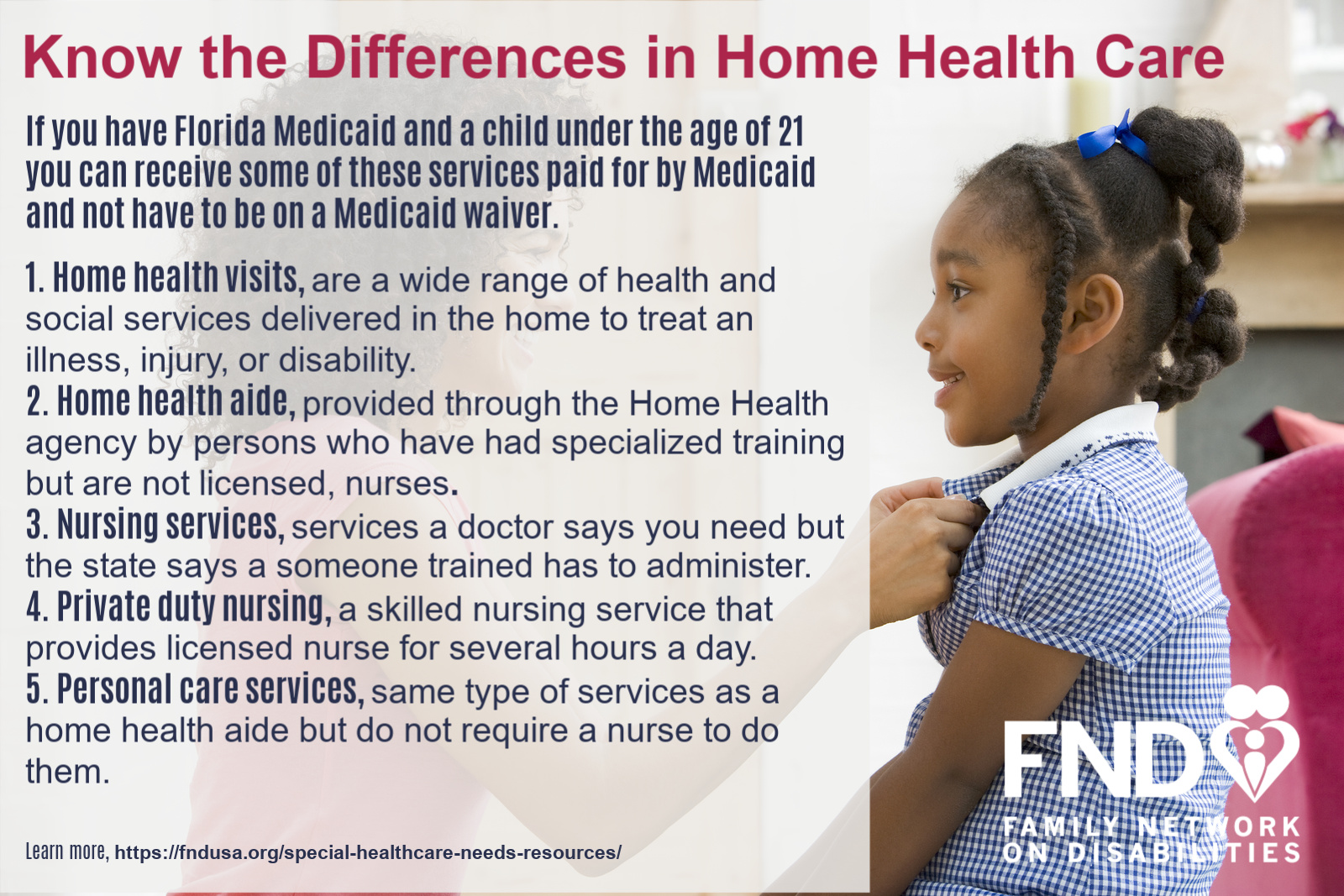
Credit: fndusa.org
Roles Without Formal Training
Many personal care roles do not require formal training or certification. These positions focus on supporting daily living through simple, non-medical tasks. Employers often provide on-the-job guidance to help new workers succeed. These roles suit people who want to help others but lack medical credentials.
Understanding which tasks you can perform without formal training helps set clear expectations. It also shows the value you bring in personal care settings. Below are common roles that usually do not need special certification.
Non-clinical Care Tasks
Non-clinical care involves helping with basic needs but not medical procedures. This includes assisting with eating, dressing, and grooming. These duties improve comfort and independence. They require patience and kindness more than technical skills.
Companionship And Supervision
Providing companionship means spending time with clients and offering emotional support. Supervision ensures safety by watching over individuals who may need help. These roles reduce loneliness and prevent accidents. No special training is needed, just good communication and attentiveness.
Household Assistance
Helping with household tasks like cleaning, laundry, and meal preparation supports daily life. These chores keep the living environment safe and comfortable. This support allows clients to focus on their health and well-being. Basic skills and reliability matter most in these roles.
Certification Requirements
Certification requirements play a key role in personal care work. They ensure that caregivers have the skills needed for safe, effective support. Requirements vary by location, employer, and the complexity of care. Understanding these factors helps determine if you can do personal care without formal training.
State Regulations Variations
States set different rules for personal care certification. Some require formal training programs or licenses. Others have no strict certification laws. These rules affect who can work legally as a caregiver. Knowing your state’s rules is essential before starting personal care work.
Employer Preferences
Employers often have their own standards beyond state laws. Some prefer caregivers with certifications like CNA or HHA. Others accept on-the-job training for basic tasks. Healthcare facilities tend to require more credentials. Home care agencies may be flexible with training levels.
Care Complexity Levels
Simple personal care tasks need fewer certifications. Helping with hygiene or meal preparation may not require formal training. Complex care, like managing medications, needs certified skills. Advanced roles often demand CPR or first aid certification. The level of care shapes the certification needed.
Common Credentials
On-the-job training offers valuable insights for those entering personal care roles. It allows new caregivers to learn skills directly while assisting clients. This hands-on experience builds confidence and practical knowledge quickly.
Many find that working alongside experienced staff helps them understand the daily tasks and challenges. Real work settings provide context that classroom training may miss. This approach helps individuals adapt to the unique needs of each client.
Learning While Working
Personal care skills improve through daily practice and observation. New caregivers watch how experienced workers handle tasks. They receive immediate feedback and tips to improve. Learning happens naturally as they support clients with hygiene, mobility, and daily routines.
This method suits those who prefer active learning over theory. It also helps them gain confidence by applying skills in real time. Mistakes become learning moments under supervision, which reduces risks.
Skill Development In Real Settings
Working in homes or care facilities offers diverse experiences. Caregivers face different client needs and situations. This variety sharpens problem-solving and communication skills. They learn to adapt to each person’s preferences and health conditions.
Hands-on experience teaches empathy and patience, key traits in personal care. Caregivers also learn to use equipment and follow safety procedures. These skills are crucial for providing quality care and ensuring client comfort.
Limitations Without Formal Training
On-the-job training alone may miss important medical knowledge. Some tasks require understanding of health conditions and emergency responses. Without formal education, caregivers might lack awareness of these areas.
Employers may restrict certain duties to trained staff only. Certification often opens more job opportunities and responsibilities. Lack of formal training can limit career growth and earning potential in personal care roles.
Safety and legal risks increase without proper training. Caregivers might not recognize signs of serious health issues. Formal education ensures a strong foundation to support clients safely.
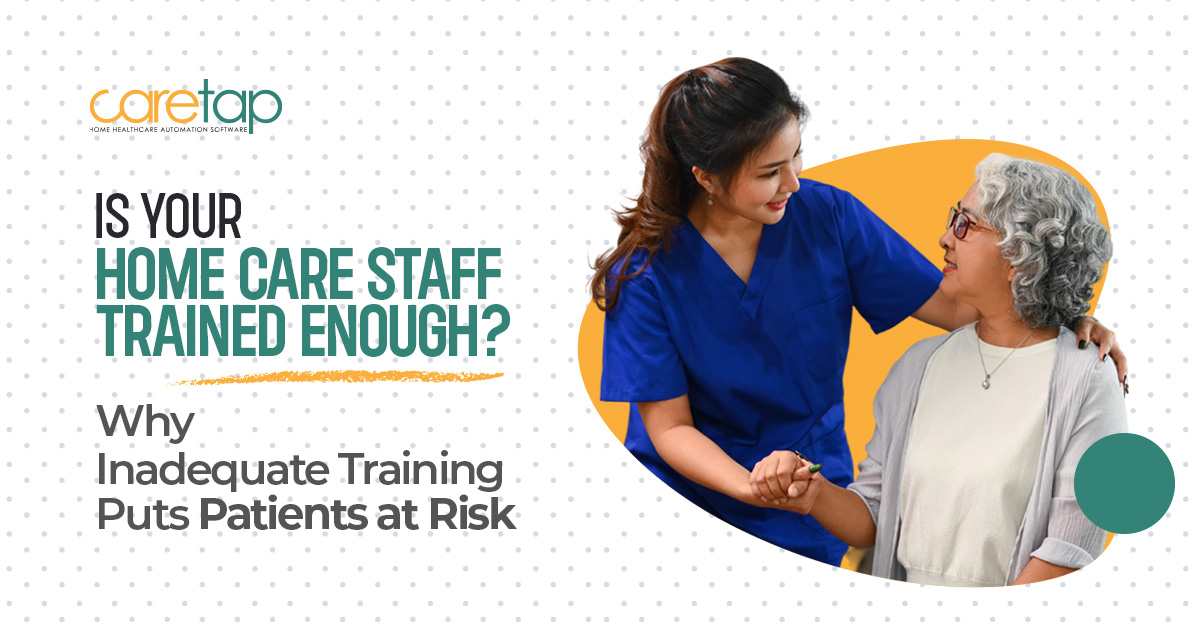
Credit: caretap.net
On-the-job Training Insights
Becoming a Personal Care Assistant (PCA) involves clear, structured steps. This path ensures you gain the knowledge and skills to provide safe, quality care. Understanding these steps helps you prepare for the role effectively.
The process starts with meeting basic education standards. Next, you select a training program that fits your needs. Many states require licensing or certification to work as a PCA. Continuing education keeps your skills current and sharp.
Basic Education Requirements
A high school diploma or GED is usually required. Some employers accept equivalent experience or training. Basic reading and writing skills help in understanding care instructions. Math skills are helpful for tracking medication and schedules.
Choosing Training Programs
Find a program approved by your state or employer. Training covers personal care tasks, safety, and communication. Some programs offer hands-on practice with real patients. Look for courses that include CPR and first aid.
State Licensing And Certification
Many states require PCAs to be licensed or certified. Requirements vary widely from state to state. Certification may involve passing a test or completing hours of training. Check your state’s rules before starting work.
Continuing Education Options
Continuing education keeps your skills updated. Some states require PCAs to renew certification regularly. Training may include new care techniques or health regulations. Many employers offer workshops or online courses for learning.
Credit: www.ed2go.com
Frequently Asked Questions
Can I Work As A Caregiver Without Certification?
Yes, many caregiver roles do not require certification. Basic caregiving often involves non-medical tasks and on-the-job training. Certification like CPR or CNA boosts job opportunities and skills. Requirements vary by state and employer, so check local rules before starting.
Does Pca Need To Be Certified?
A PCA does not always need certification. Requirements vary by state and employer, with some requiring CPR or CNA credentials. On-the-job training is common.
Do You Have To Have Training To Be A Caregiver?
Training requirements for caregivers vary by state and employer. Many roles need no formal certification but prefer CPR or CNA credentials. On-the-job training often suffices for basic care, while advanced tasks require specific certifications or licenses.
Do Caregivers Need To Be Certified?
Caregivers often do not need formal certification, but requirements vary by state and employer. Training like CPR or CNA boosts job opportunities. Many roles focus on non-clinical support, while advanced care may require specific licenses or certifications.
Conclusion
Personal care work often starts without formal training. Many caregivers learn skills on the job. Basic help like hygiene or companionship usually needs little certification. Some states or employers require specific training or CPR skills. Getting certified can improve your chances and confidence.
Training also helps you handle emergencies better. Personal care is rewarding but demands responsibility and care. Consider learning more to provide safe and effective support. Starting simple is possible, but education makes a real difference.

“As the voice behind Radiant Glow Health, we are dedicated to being your ultimate wellness and vitality companion. Our mission is to inspire and guide you on your journey to a healthier and more vibrant life. Join us as we explore holistic health practices and empower you to radiate wellness from within.”