Recovering from hip replacement surgery brings many questions, especially about when you can safely get back to activities you enjoy. If you’re wondering, “When can you use an exercise bike after hip replacement?” you’re not alone.
Using an exercise bike is a popular way to rebuild strength and improve mobility, but timing and technique matter a lot. Jumping in too soon or using the wrong settings can cause discomfort or slow your recovery. You’ll discover exactly when and how to start cycling again, what to watch out for, and how to make your comeback smooth and safe.
Keep reading to take control of your recovery journey with confidence.

Credit: gmdckalakote.in
Early Cycling After Surgery
Proper seat and bike setup is essential for safe exercise after hip replacement surgery. It helps protect your new joint and ensures comfortable movement. Adjustments reduce stress on the hip and support healing. Getting this right encourages consistent, pain-free exercise.
Adjusting Seat Height
Set the seat so your leg extends almost fully when the pedal is at the lowest point. Your knee should not lock but be nearly straight. A seat too low causes deep bending, stressing the hip. A seat too high can make pedaling unstable. Find a height that feels natural and safe.
Avoiding Deep Hip Flexion
Deep hip flexion means bending the hip more than 90 degrees. This can strain your new joint and slow healing. Keep the seat high enough to prevent your knee from coming close to your chest. Avoid leaning forward too much while cycling. This helps keep the hip angle safe during exercise.
Choosing The Right Bike Type
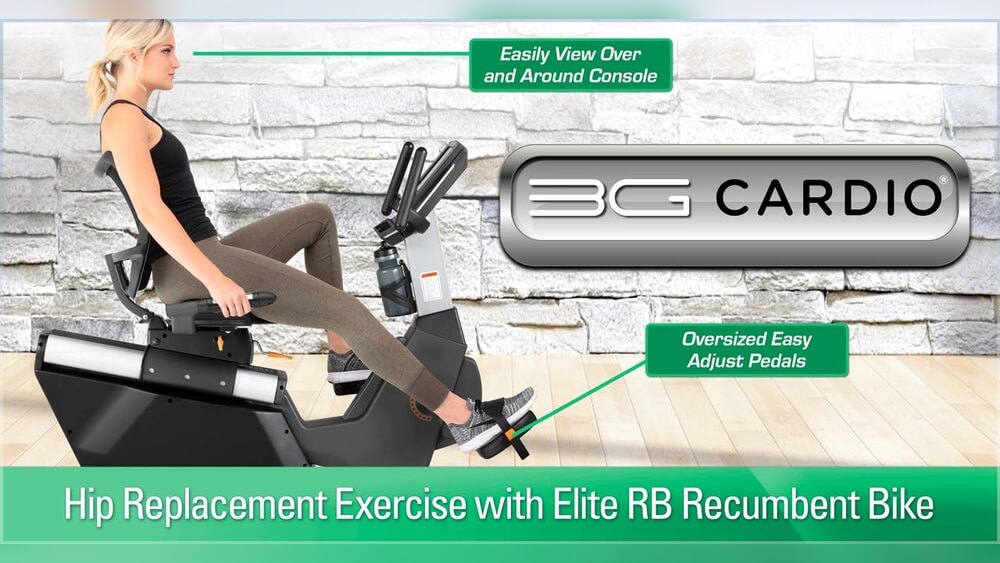
Upright stationary bikes are often best after hip replacement. They encourage a natural, safe posture. Recumbent bikes may cause deeper hip bending and should be used later in recovery. Start with no resistance to ease the joint into movement. Gradually increase intensity based on comfort and your doctor’s advice.

Credit: gmdckalakote.in
Progressing Pedal Movement
Listening to your body is crucial after hip replacement surgery. It helps you avoid injury and supports steady recovery. Your body gives clear signals about what it can handle. Paying attention to these signals can guide your exercise bike use safely. Understanding how to recognize discomfort, knowing when to stop, and keeping open communication with your therapist are key steps in this process.
Recognizing Pain Signals
Not all discomfort means harm, but sharp or increasing pain is a warning. Mild soreness is normal, but sudden pain needs attention. Watch for swelling, numbness, or burning sensations. These signs show your hip may be strained or inflamed. Stop and rest if you notice any of these symptoms during biking.
Stopping When Uncomfortable
Stop your exercise immediately if you feel sharp or unusual pain. Do not push through discomfort to avoid further damage. Resting helps your hip heal and prevents setbacks. Adjust your bike settings if discomfort occurs often. Sometimes, a simple seat height change can make a big difference.
Communicating With Your Therapist
Talk openly with your physical therapist about any pain or discomfort. They can adjust your rehab plan and suggest safer ways to exercise. Share details like pain location, intensity, and what triggers it. Regular updates help your therapist guide your recovery effectively. Their advice ensures you bike safely and confidently.
Seat And Bike Setup
Physical therapy plays a crucial role after hip replacement surgery. It helps you regain strength, mobility, and confidence. A skilled physical therapist guides safe use of an exercise bike. They ensure your recovery stays on track without causing harm.
Guidance On Timing
Physical therapists decide the best time to start using an exercise bike. They consider your healing progress and pain levels. Usually, gentle cycling begins a few weeks after surgery. Starting too soon may cause discomfort or injury. Your therapist monitors your condition before giving approval.
Customized Exercise Plans
Therapists design exercise plans tailored to your needs. They adjust the intensity, duration, and type of cycling. This helps improve hip movement without overstraining muscles. The plan evolves as you gain strength and flexibility. Personalizing exercises speeds up recovery safely.
Monitoring Progress Safely
Physical therapists track your progress closely during therapy sessions. They watch for signs of pain or swelling around the hip. Adjustments are made to avoid setbacks or complications. Regular check-ins help keep exercises effective and comfortable. This careful monitoring supports steady healing.

Credit: www.everydayhealth.com
Frequently Asked Questions
How Long After Hip Replacement Surgery Can You Ride A Stationary Bike?
You can start riding a stationary bike about 2 weeks after hip replacement surgery. Begin with low resistance and short sessions. Follow your physical therapist’s guidance and avoid deep hip bends. Gradually increase duration and intensity as comfort allows. Stop immediately if you feel pain.
Can You Ride A Bike If You Have A Hip Replacement?
You can ride a bike after hip replacement, usually starting with a stationary bike within 2-6 weeks. Keep the seat high to avoid deep hip bends. Follow your physical therapist’s guidance and stop if you feel pain. Gradually increase activity as comfort improves.
When Can I Start Using An Exercise Bike After Hip Replacement?
You can typically start gentle exercise bike use 1-2 weeks after surgery. Begin with no resistance and short sessions, following your surgeon or physical therapist’s advice to avoid strain and promote healing.
What Type Of Exercise Bike Is Best After Hip Replacement?
An upright stationary bike is recommended initially. Avoid recumbent bikes at first, as they can cause deep hip flexion, which may strain your new hip joint.
Conclusion
Starting an exercise bike after hip replacement depends on your healing. Begin with gentle movements within two weeks, using no resistance. Keep the seat high to avoid deep hip bending. Follow your physical therapist’s advice closely. Stop immediately if you feel pain or discomfort.
Gradually increase pedal motion as you gain strength and confidence. Regular biking helps improve blood flow and joint flexibility. Patience and care are key to a safe recovery. This approach supports your healing while keeping you active.

“As the voice behind Radiant Glow Health, we are dedicated to being your ultimate wellness and vitality companion. Our mission is to inspire and guide you on your journey to a healthier and more vibrant life. Join us as we explore holistic health practices and empower you to radiate wellness from within.”